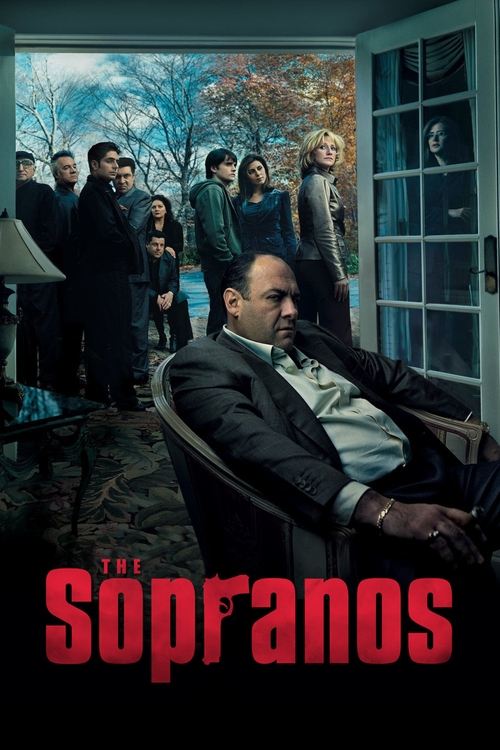
1. The Sopranos
Before Tony, television was mostly network procedurals and sitcoms. This thing hit HBO like a ton of bricks, proving you could tell a long-form, character-driven story with cinematic depth and a morally ambiguous lead. It wasn't just a mob show; it was an examination of the American psyche, family, and therapy, all wrapped up in a package that demanded you pay attention. Changed the game.
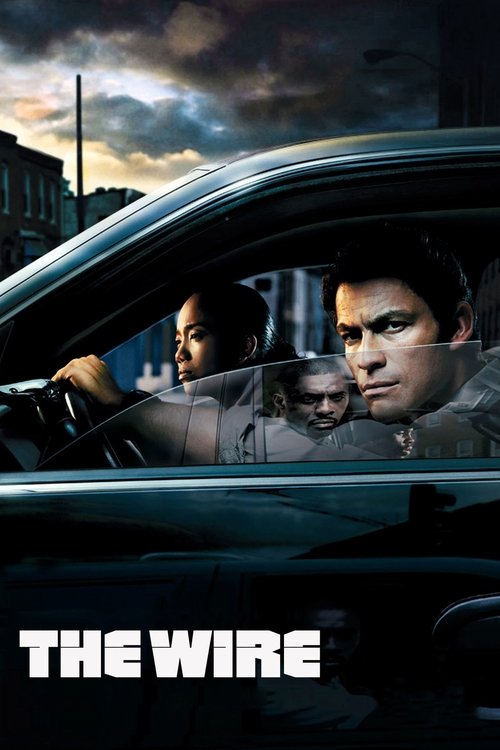
2. The Wire
David Simon didn't just tell a story; he built an entire world, brick by brick, from the streets to the halls of power. Each season peeled back another layer of Baltimore's institutions, showing how everything was connected. It was dense, uncompromising, and refused to spoon-feed you. This wasn't TV you watched; it was TV you studied, and it showed what serialized drama could truly achieve.

3. Six Feet Under
Before everyone was talking about anti-heroes, *Six Feet Under* dug deep into the lives of a family running a funeral home. It was darkly funny, deeply moving, and unflinchingly honest about death and grief. Each episode starting with a demise was a brilliant device, setting a tone that was both macabre and utterly human. It proved cable could handle profound emotional complexity without flinching.
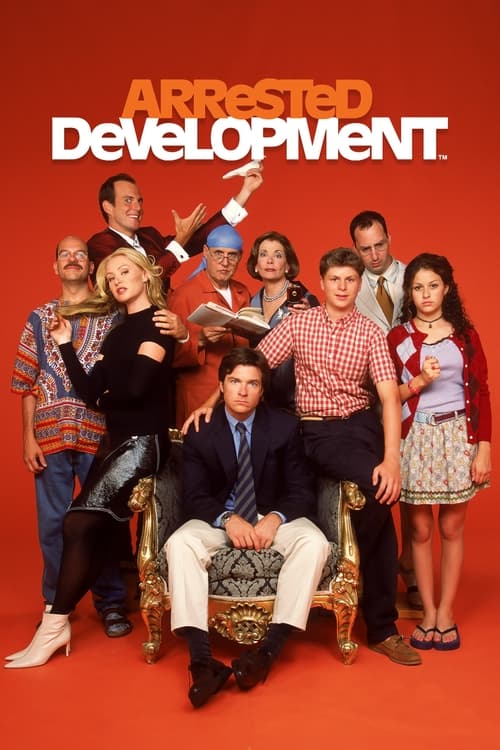
4. Arrested Development
This show was a masterclass in comedic density, demanding repeat viewings to catch every layered joke and callback. Its mockumentary style felt fresh, and the ensemble cast was pitch-perfect in their dysfunctional glory. It pushed the boundaries of sitcom structure, proving that audiences were ready for something smarter, faster, and far more intricate than network laugh tracks. A true cult classic.
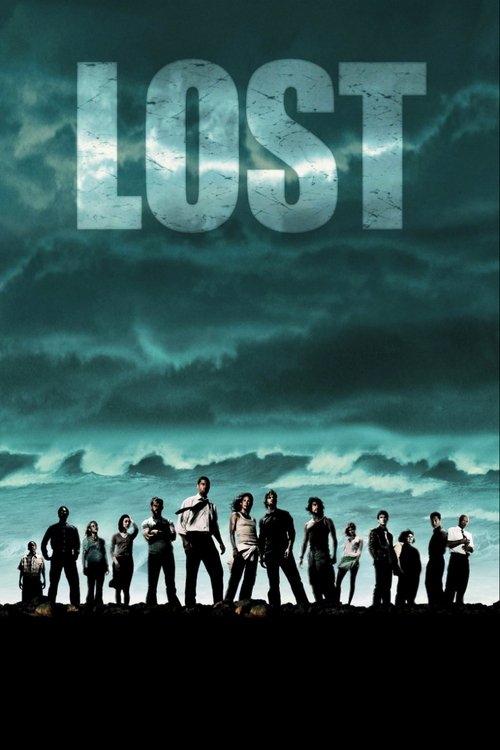
5. Lost
Lost was appointment television, sparking weekly online debates before that was commonplace. Its sprawling ensemble, island mysteries, and flash-forwards captivated audiences, proving that complex, serialized narratives with high production values could thrive on network TV. It perfected the art of the cliffhanger and redefined the “water cooler” conversation, even if the ending left some scratching their heads.
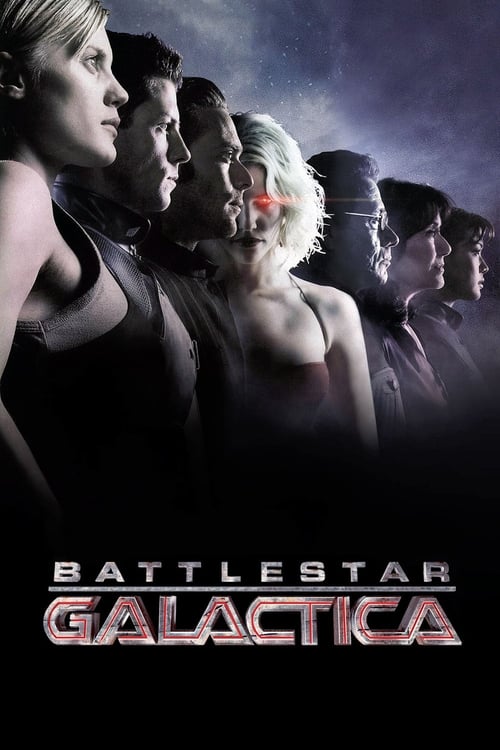
6. Battlestar Galactica
Forget everything you knew about space opera; this *Battlestar* was gritty, dark, and deeply philosophical. It tackled terrorism, religion, and military ethics with an intensity usually reserved for prestige dramas, not sci-fi. Its serialized storytelling and complex characters drew in viewers who wouldn't normally touch the genre, proving that intelligent, risk-taking sci-fi had a place on cable. So say we all.
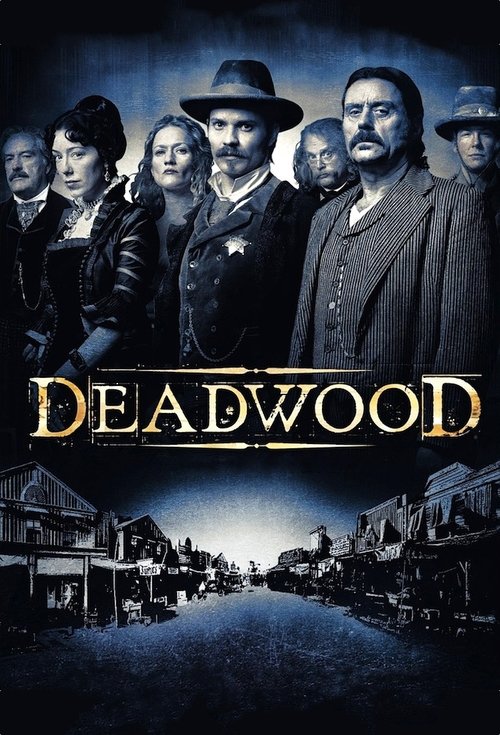
7. Deadwood
David Milch's *Deadwood* was a Shakespearean Western, filled with lyrical profanity and morally grey characters. It wasn't afraid to be slow, to let the language and the atmosphere wash over you. This was raw, authentic storytelling, showing the birth of a town with all its ugliness and ambition. HBO allowed a vision so singular, so uncompromised, that it felt like watching a sprawling, violent novel unfold.
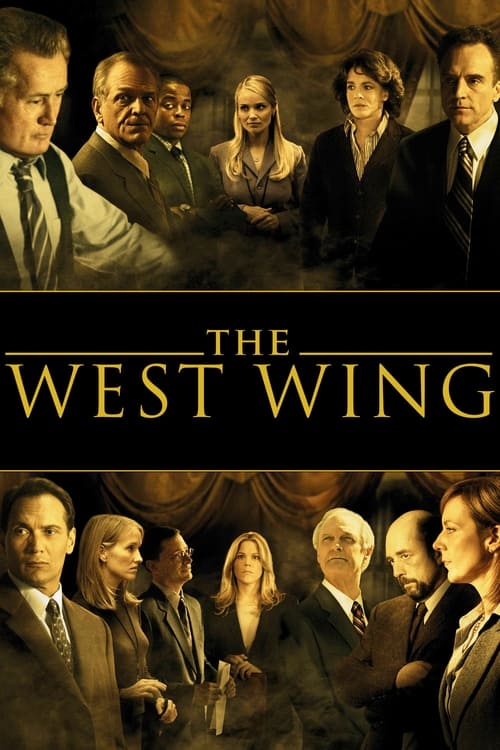
8. The West Wing
Aaron Sorkin’s rapid-fire dialogue and the iconic "walk and talk" shots made *The West Wing* feel like nothing else on television. It elevated political drama, making policy debates compelling and government feel aspirational, even idealistic. It showcased an ensemble working at the top of their game, proving that intelligent, serialized storytelling could thrive on a major network and still challenge viewers.
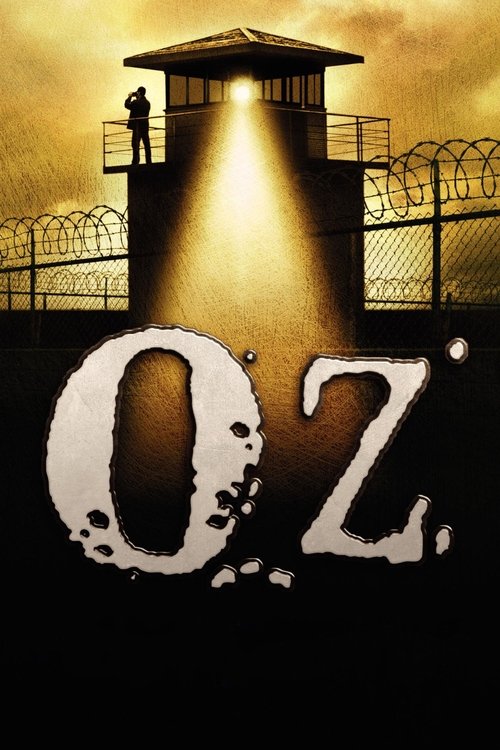
9. Oz
Before *The Sopranos*, *Oz* was HBO's first hour-long drama, and it hit like a punch to the gut. It was brutal, unflinching, and claustrophobic, showing the raw realities of a maximum-security prison. Its serialized nature and willingness to kill off major characters kept audiences on edge, pioneering the kind of dark, adult storytelling that would define the cable era. It was genuinely shocking.
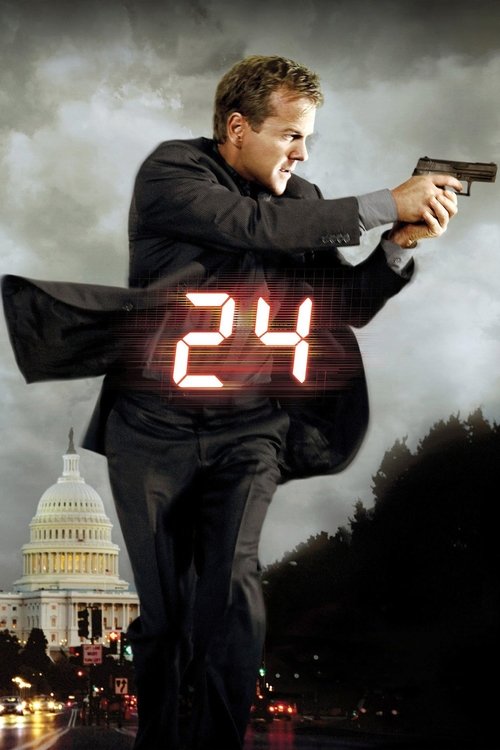
10. 24
24 was a game-changer for network television, delivering real-time storytelling that kept audiences glued to their screens. Its serialized, ticking-clock format and high-stakes action created an unprecedented sense of urgency. Jack Bauer became an icon, and the show proved that network dramas could be just as ambitious and serialized as their cable counterparts, keeping viewers hooked for an entire day.
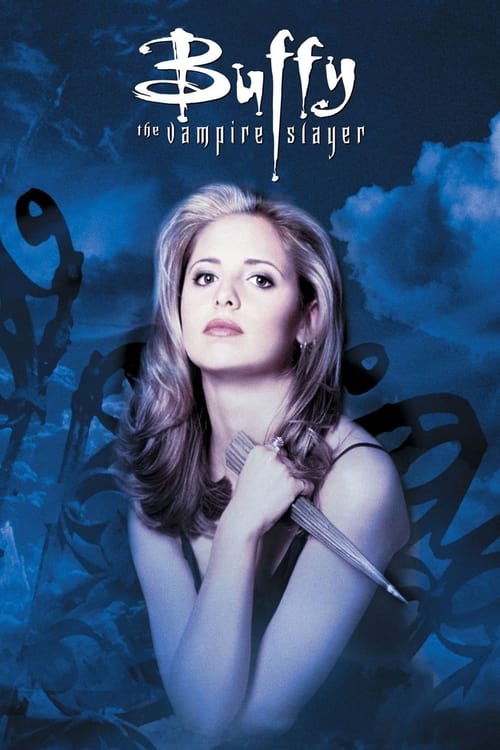
11. Buffy the Vampire Slayer
Don't let the title fool you; *Buffy* was far more than a monster-of-the-week show. It brilliantly blended horror, comedy, and drama, using supernatural metaphors to explore very real teenage angst and adult challenges. Its serialized character arcs, snappy dialogue, and emotional depth cultivated a fiercely loyal fanbase, showing that genre television could be incredibly smart and deeply resonant.
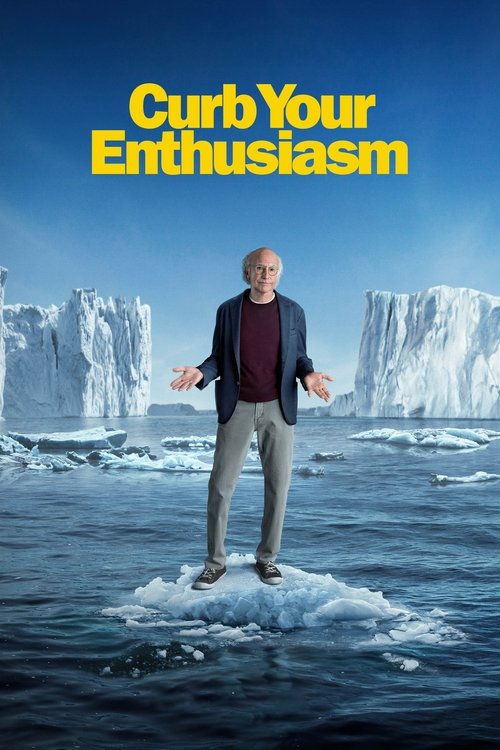
12. Curb Your Enthusiasm
Larry David took the uncomfortable humor of *Seinfeld* and cranked it up to eleven, delivering an improvised mockumentary that redefined cringe comedy. On HBO, he had the freedom to push boundaries, creating a show that was both hilarious and deeply awkward. It proved that a series could be built around a single, flawed character and minimal plotting, relying instead on raw comedic genius. Pretty, pretty, pretty good.