
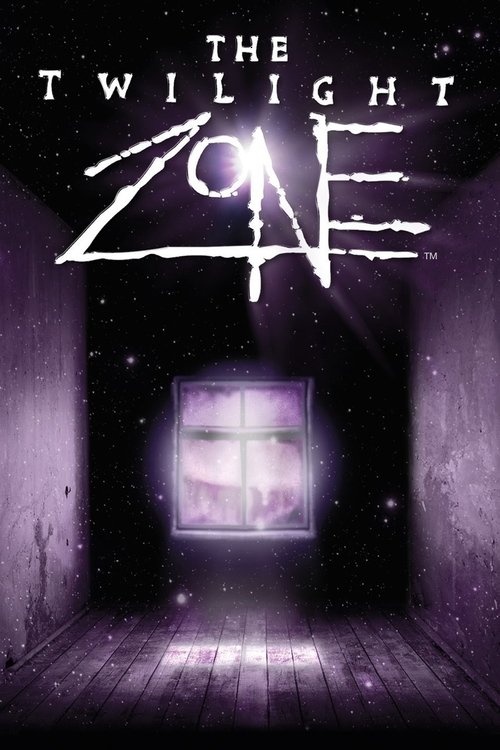
1. The Twilight Zone
Rod Serling brought us a world beyond the ordinary, often with a stark, unsettling clarity that only black-and-white could truly capture. These were morality plays, little half-hour films, truly. Each week, a new tale, sometimes a bit clumsy, but always with a twist that made you think. It wasn't just sci-fi; it was a mirror held up to ourselves, a profound look at the human condition. And often, it felt like a dream you couldn't quite shake off.
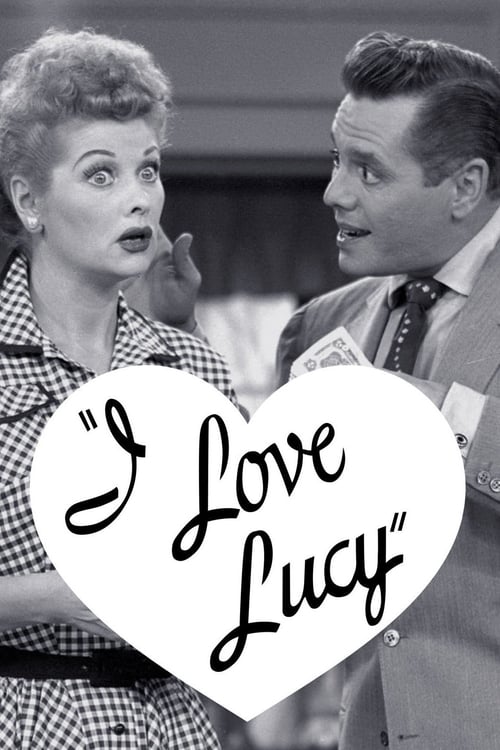
2. I Love Lucy
Now here was a show that understood the mechanics of a joke! Lucille Ball was a force of nature, a true comedic genius. The three-camera setup, the live audience — it was like a stage play on your television set. And Desi Arnaz, well, he kept it all together. This wasn't just funny; it set the blueprint for every family sitcom that followed. A masterclass in timing and pure, unadulterated entertainment.
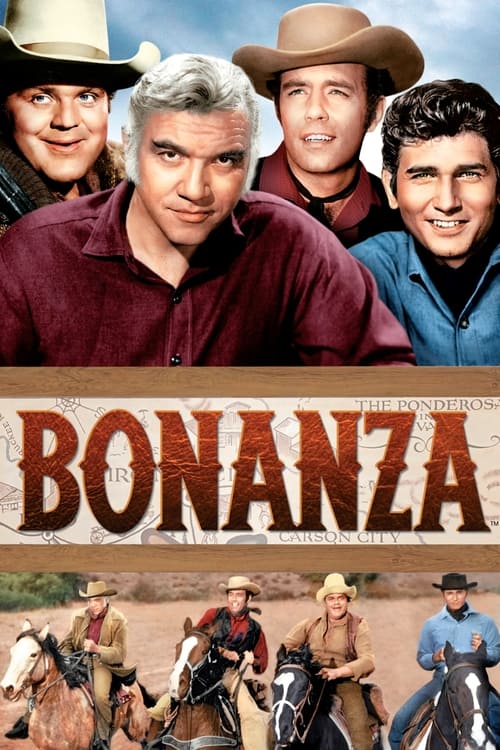
3. Bonanza
The Ponderosa, wasn't it? And those big opening credits with the map. This was one of the first shows to really showcase color television, giving the landscapes a vibrancy we hadn't seen before. But beyond the horses and dust, it was a family drama, with three sons and their patriarch navigating life in the Wild West. Solid, dependable storytelling week after week. A cornerstone of Sunday nights for many.
4. Star Trek
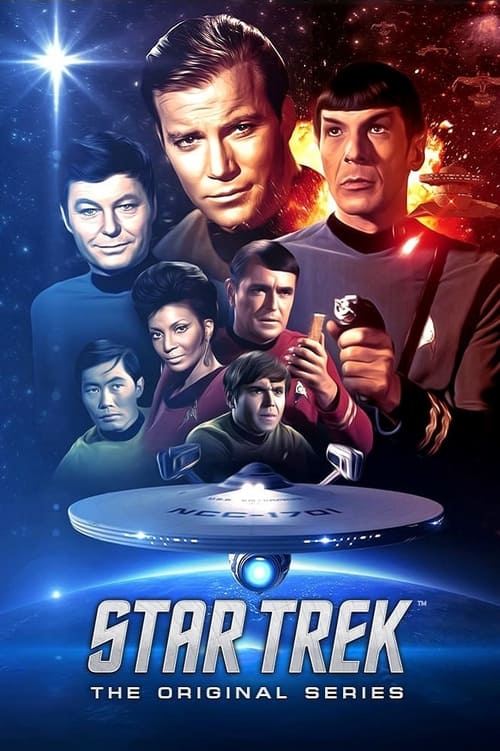
Gene Roddenberry, he had a vision, didn't he? A future where humanity had grown past its squabbles. Oh, the special effects were rudimentary, often charmingly so, but the stories! They were allegories, tackling social issues with a thoughtful hand under the guise of alien encounters. Captain Kirk, Spock – these characters became icons. It really made you wonder about what was out there, and what we could become.
5. M*A*S*H
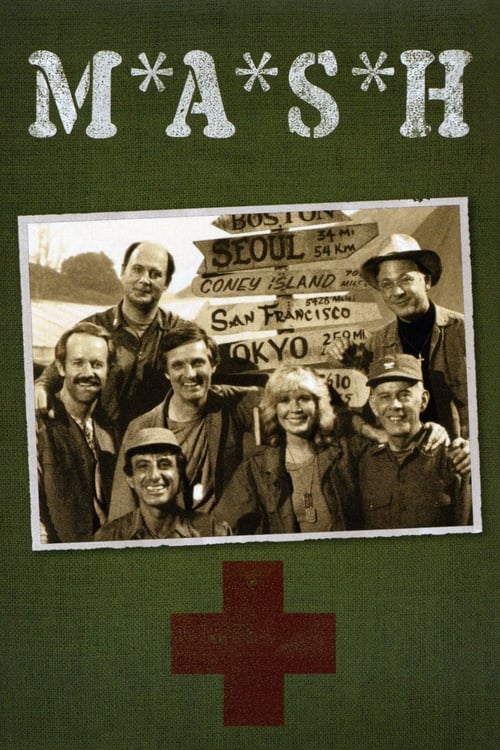
A comedy, they called it, but it was so much more. Set in a war zone, it managed to find humor amidst the grim reality, but never shied away from the cost of conflict. The characters felt real, and over time, you saw them change, grow. It wasn't always laughs; sometimes it was a punch to the gut. And that finale? Broke all the records. A truly groundbreaking program.

6. All in the Family
Archie Bunker, now there was a character who stirred the pot. This wasn't the cozy family sitcom we were used to; it tackled prejudice, politics, and generational divides head-on. Norman Lear pushed boundaries, making us laugh uncomfortably, then think deeply. It was raw, often shocking, and fiercely relevant. Television had never sounded so much like real life, even if it was exaggerated for comedic effect.

7. The Fugitive
Dr. Richard Kimble, always on the run, always just a step ahead of Lt. Gerard. This show introduced a real sense of ongoing suspense, a serialized element that kept you coming back. Each week, a new town, a new face, but the core chase remained. It was a black-and-white melodrama, sure, but it built tension beautifully. And that final episode? Everybody watched to see him clear his name.
8. Roots
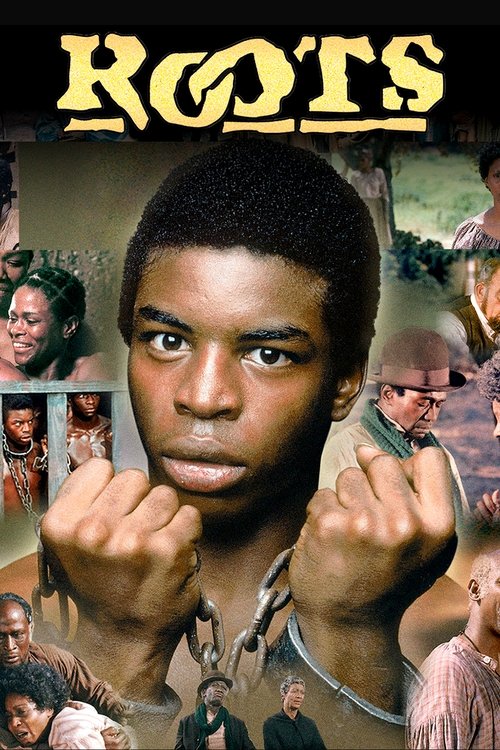
Good heavens, what an event this was. A miniseries, something of a rarity on such a grand scale, telling the sprawling story of Kunta Kinte and his descendants. It was a national conversation, really, bringing history to life for millions. Emotionally draining, profoundly moving, and undeniably important. It proved that television could handle epic, serious subject matter with dignity and immense power. An unforgettable viewing experience.
9. The Carol Burnett Show
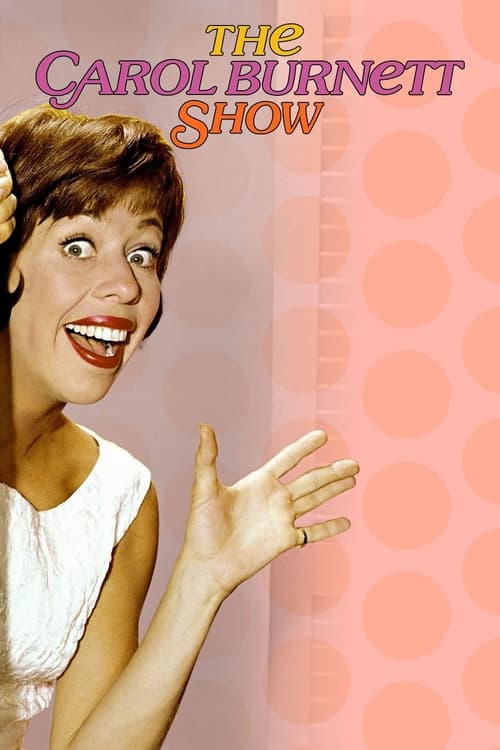
Carol and her gang, they just made it look so easy, didn't they? A masterclass in sketch comedy and variety, with music, guest stars, and that incredible ensemble. It was pure, old-fashioned entertainment, done with such heart and impeccable timing. You never knew what hilarious situation they'd get into next, and Carol's ending tug of the ear, well, it was iconic. A weekly dose of genuine joy.
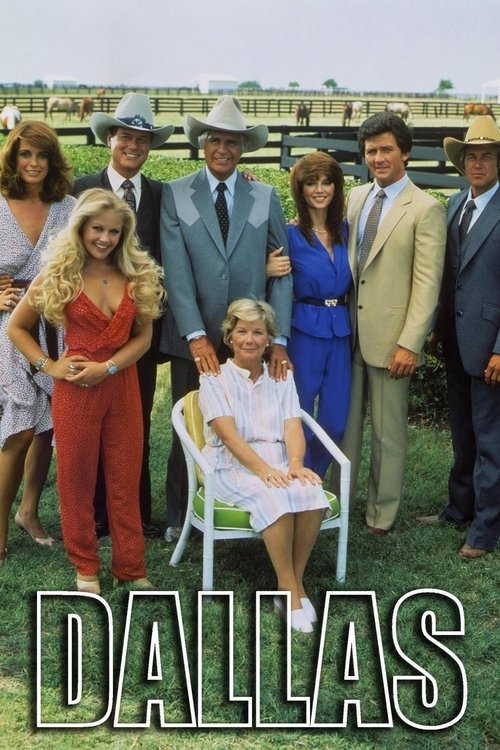
10. Dallas
Ah, the Ewing family. This was prime-time soap opera at its absolute peak. Money, power, betrayal – it had it all, and it kept you hooked, week after week. And that cliffhanger, 'Who Shot J.R.?' It wasn't just a TV event; it was a cultural phenomenon. Everyone talked about it. It proved that serialized drama, with its twists and turns, could dominate the airwaves and capture the public's imagination like nothing else.
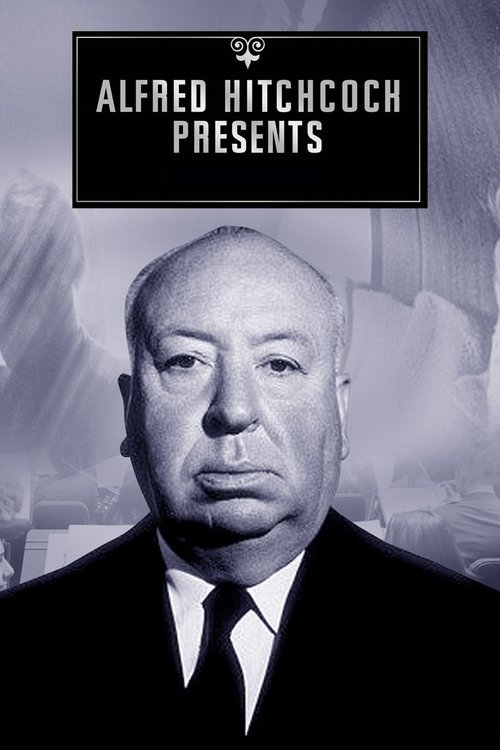
11. Alfred Hitchcock Presents
Good evening. Alfred Hitchcock, the master of suspense, bringing his distinctive touch to the small screen. These were taut, psychological thrillers, often with a dark sense of humor and always a clever twist. He'd appear, that familiar silhouette, to introduce each tale with a dry wit. It was an anthology, but with a singular vision, proving that television could be just as artful and chilling as the silver screen.
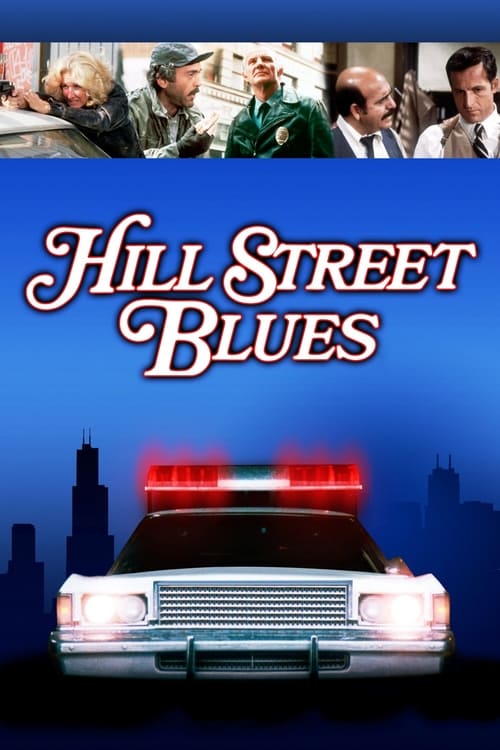
12. Hill Street Blues
Let's be careful out there. This show changed the game for police procedurals. It wasn't just about catching the bad guy; it was about the daily grind, the moral ambiguities, the lives of the officers themselves. Gritty, serialized, and with a huge ensemble cast, it felt incredibly real. It blurred the lines between comedy and drama, and showed that television could portray life's messiness with honesty and depth. Groundbreaking.