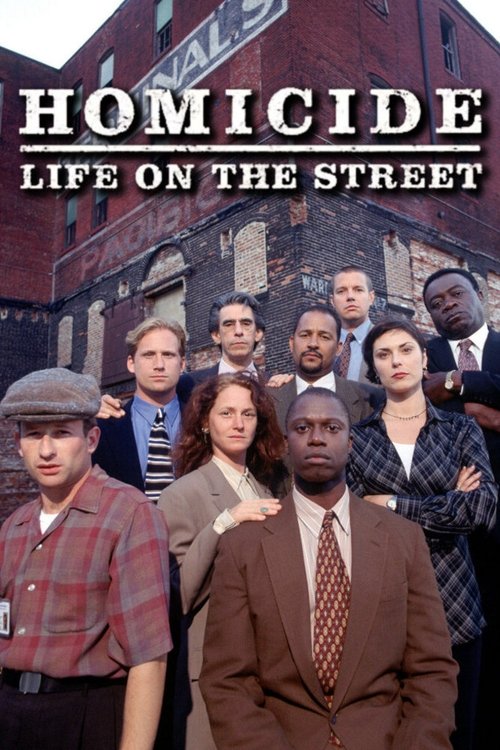
1. Homicide: Life on the Street
This show was a gut punch. Coming off the success of David Simon's book, it brought a raw, documentary-style grittiness to network TV that was just unheard of. The overlapping dialogue, the jump cuts, the morally ambiguous characters – it felt less like a cop show and more like you were right there in the squad room. It really pushed the envelope for serialized storytelling and ensemble work, proving dramas could be messy, complex, and still pull in viewers. Absolutely foundational for what came next.
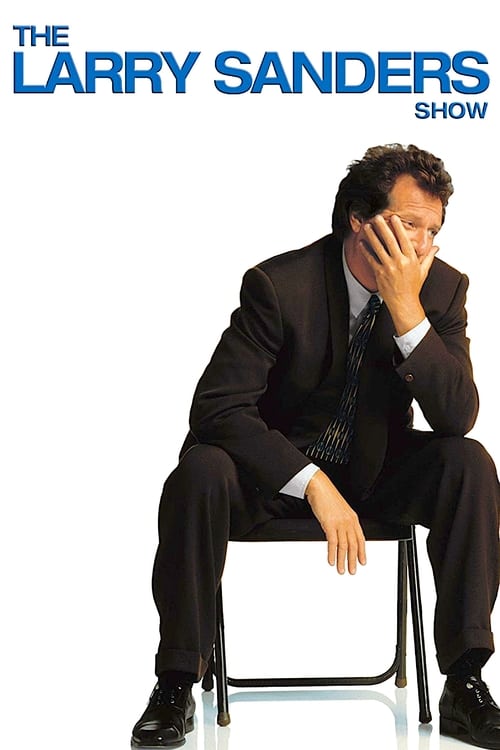
2. The Larry Sanders Show
Before *The Office*, there was Larry Sanders, pulling back the curtain on late-night TV with brutal honesty and cringe-worthy humor. It was single-camera, no laugh track, and felt less like a sitcom and more like a twisted peek behind the scenes. Garry Shandling created a world where the jokes came from character neuroses and the sheer awkwardness of show business. It was smart, subtle, and quietly revolutionary in how it approached comedy and broke down the fourth wall, setting a new bar for meta-narratives.
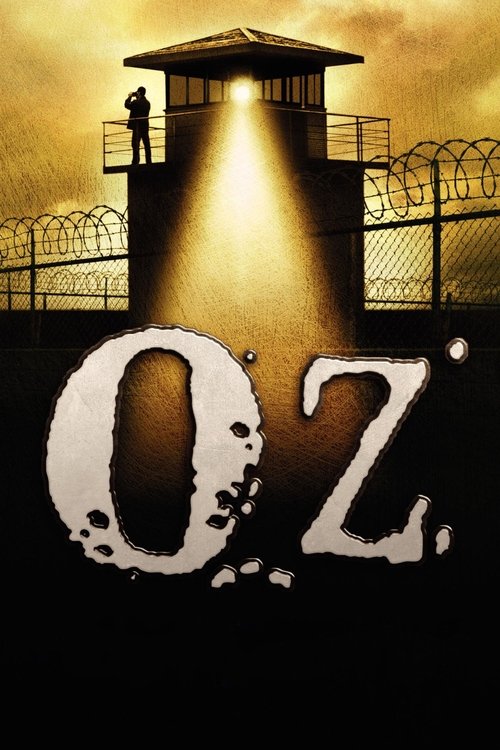
3. Oz
HBO basically said, 'Forget everything you know.' *Oz* was television uncaged. It was violent, explicit, and utterly relentless, showing a side of prison life no network would ever touch. This wasn't about heroes; it was about survival, moral compromise, and the slow decay of humanity within a broken system. It was serialized storytelling at its most brutal, forcing audiences to confront uncomfortable truths without easy answers. Cable programming found its edge here, proving there was a hunger for unflinching, adult drama.
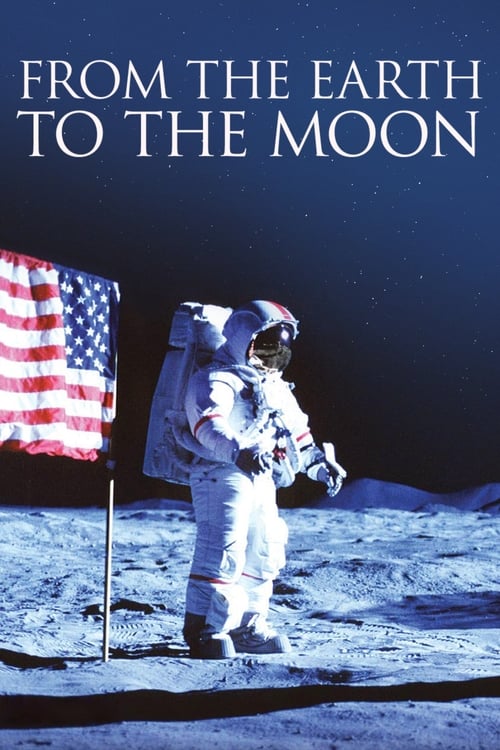
4. From the Earth to the Moon
Tom Hanks and HBO collaborating on this epic miniseries about the Apollo program? Yeah, that was a statement. It had cinematic scope, meticulous historical detail, and a sprawling ensemble cast, offering a prestige experience usually reserved for the big screen. This wasn't just a documentary; it was a character-driven drama across twelve hours, perfect for the nascent idea of weekend binge-watching. It showed what high-end production values and narrative ambition could achieve on the small screen.
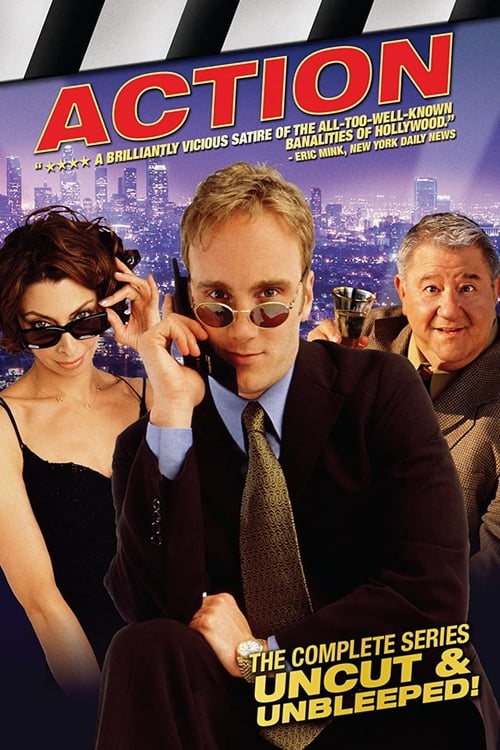
5. Action
This was the dark Hollywood satire Fox barely let air, and it's a shame. It was cynical, profane, and hilarious, starring Jay Mohr as a sleazy studio exec. It predated the cable anti-hero craze but brought that same morally bankrupt energy to network prime time, albeit briefly. *Action* was a precursor to the kind of edgy, no-holds-barred comedy that would later thrive on channels like FX and HBO, but it was just too much for broadcast in '99. A cult classic for a reason.
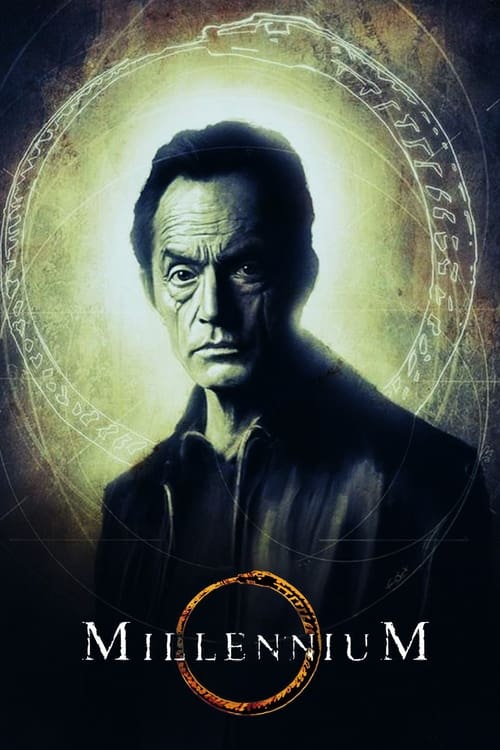
6. Millennium
Chris Carter tried to go darker, and he succeeded. This wasn't *X-Files* with aliens; it was a grim, psychological dive into the nature of evil. Frank Black, played by Lance Henriksen, could see into the minds of serial killers, and it was disturbing. It pushed the boundaries of network television for psychological horror and serialized dread, creating an oppressive atmosphere that was hard to shake. It was challenging, sometimes bleak, but undeniably groundbreaking in its unflinching look at humanity's darkest corners.
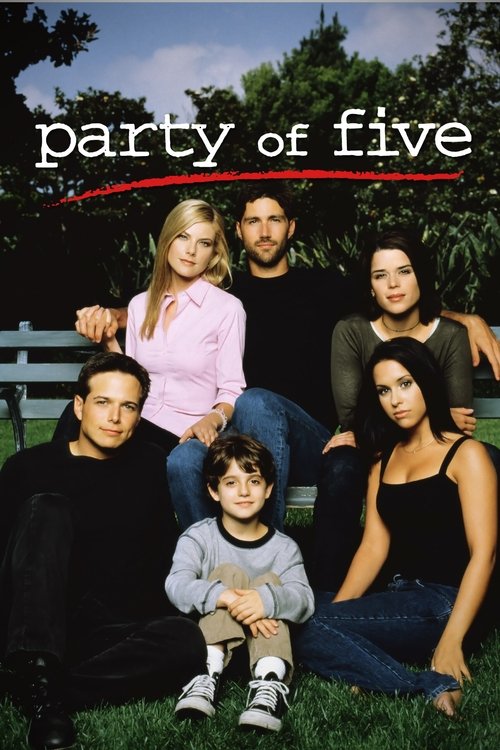
7. Party of Five
Everyone remembers the Salinger kids, suddenly orphaned and left to fend for themselves. This wasn't a show about flashy cases or grand conspiracies; it was about the everyday, heartbreaking struggle of a family trying to stay together. It was a character-driven drama that made its audience genuinely care about these kids' emotional arcs, delving into realistic issues of grief, responsibility, and growing up. It proved that deep, serialized emotional storytelling could resonate profoundly on network TV.

8. NewsRadio
This workplace sitcom was ahead of its time, really. It was smart, fast-paced, and relied on ensemble chemistry and sharp writing rather than a traditional setup-punchline structure. With a cast that included Dave Foley, Phil Hartman, and Maura Tierney, the humor came from the quirky, well-defined characters and their absurd interactions. It was a testament to how intelligent, character-driven comedy could thrive without needing to be loud or conventional, laying groundwork for future sophisticated sitcoms.
9. The Shield
Vic Mackey and the Strike Team blew the doors off network television's comfort zone. FX established itself as a serious player with this one, delivering an anti-hero who was compelling, effective, and deeply corrupt. It was gritty, fast-paced, and serialized, with a cinematic edge that made every episode feel like a mini-movie. This show wasn't afraid to get its hands dirty, exploring moral ambiguities and the blurred lines of justice in a way that felt brutally authentic.

10. The Comeback
Lisa Kudrow's Valerie Cherish was a masterclass in cringe comedy and meta-narrative. This HBO show, shot like a mockumentary, satirized the burgeoning reality TV craze and the desperation for fame in Hollywood. It was uncomfortable, hilarious, and incredibly smart about media manipulation and the public persona. It showed how a serialized comedy could explore deeper themes of aging, relevance, and the performative nature of life, all through the lens of a reality TV camera.

11. Treme
David Simon and Eric Overmyer delivered a post-Katrina New Orleans that was less about crime and more about culture, resilience, and rebuilding. It was a slow burn, an immersive experience with a sprawling ensemble, focusing on musicians, chefs, and community members. *Treme* was a masterclass in atmospheric, character-driven storytelling, allowing viewers to truly inhabit a world rather than just observe it. It was serialized drama as a cultural document, demanding patience and rewarding deep engagement.
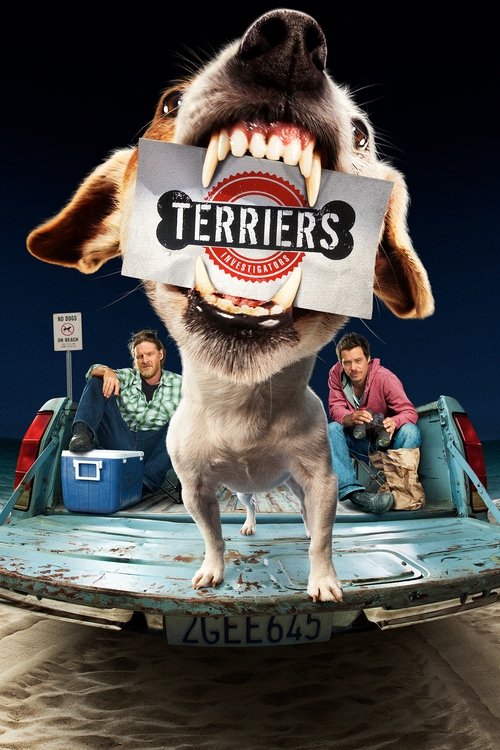
12. Terriers
This FX gem was criminally underrated. It felt like a low-fi, neo-noir movie stretched across a season, following two unlicensed private investigators with big hearts and even bigger problems. It was character-driven, serialized, and had this perfect blend of humor and melancholy. The writing was sharp, the performances were fantastic, and it showed how cable could deliver smart, emotionally resonant storytelling that felt entirely distinct from anything else on air. A real cult classic.