

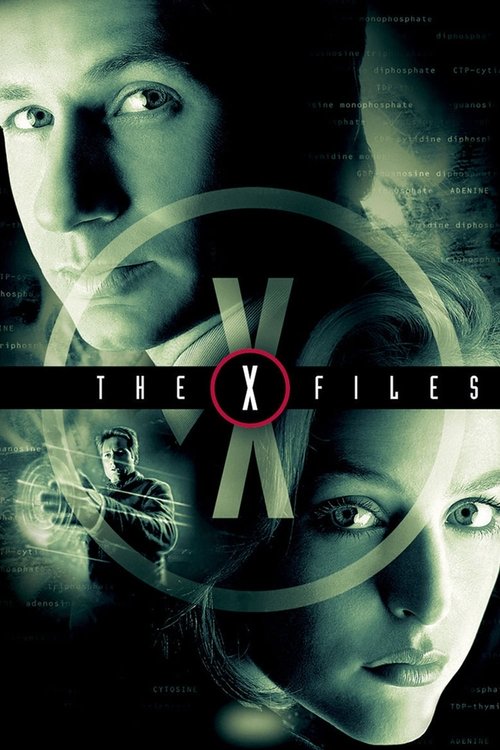
1. The X-Files
Before binge-watching was even a glint in a streamer’s eye, *The X-Files* made you plan your Friday nights. It blended standalone creature features with a deep, unsettling mythology that unfolded across seasons. Mulder and Scully's dynamic, the shadowy government, and those cliffhangers taught a generation that TV could be smart, scary, and demand your sustained attention. It proved that a sci-fi procedural could build a sprawling narrative.

2. ER
This show redefined the network medical drama. Forget the static sets; *ER* had a kinetic energy, thanks to its groundbreaking Steadicam work that felt more like a movie than primetime TV. The rapid-fire dialogue, the sheer volume of ensemble characters, and how their personal lives intertwined with the life-and-death stakes in the emergency room laid serious groundwork for serialized storytelling on a massive scale.
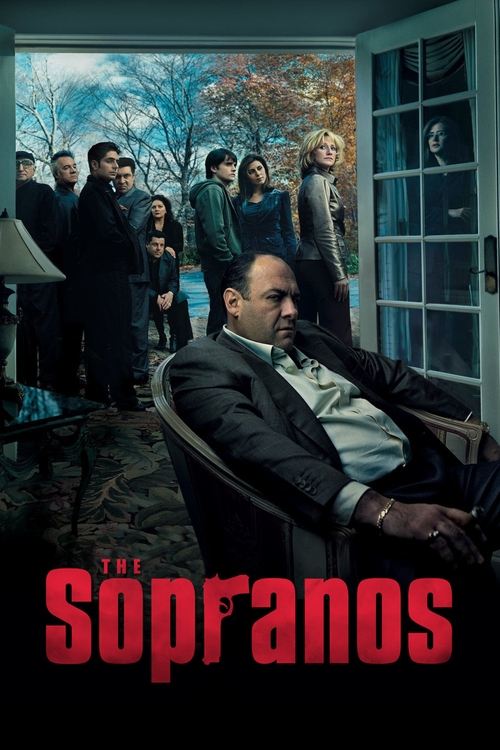
3. The Sopranos
HBO changed the game with *The Sopranos*. It wasn't just about mobsters; it was a deep dive into Tony's psyche, family, and the crumbling American dream, all wrapped in a narrative that dared to be slow, deliberate, and morally ambiguous. This was the show that proved cable could deliver complex, cinematic storytelling that broadcast networks wouldn't touch, ushering in the era of the anti-hero and challenging viewers to think.
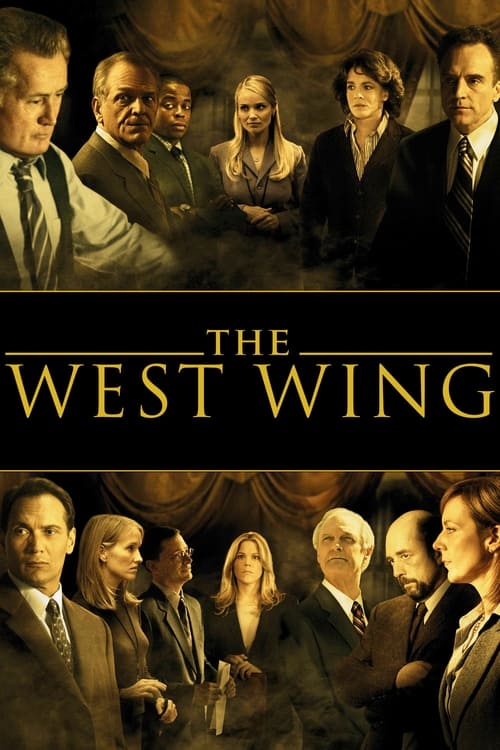
4. The West Wing
Sorkin's walk-and-talks became iconic, but *The West Wing* did more than just move fast. It offered an idealized, yet complex, look inside the White House, balancing high-minded ideals with political realities. The ensemble cast navigated nuanced policy debates and personal struggles, creating a serialized narrative where character development and the fate of the nation unfolded in parallel, demanding your engagement every week.
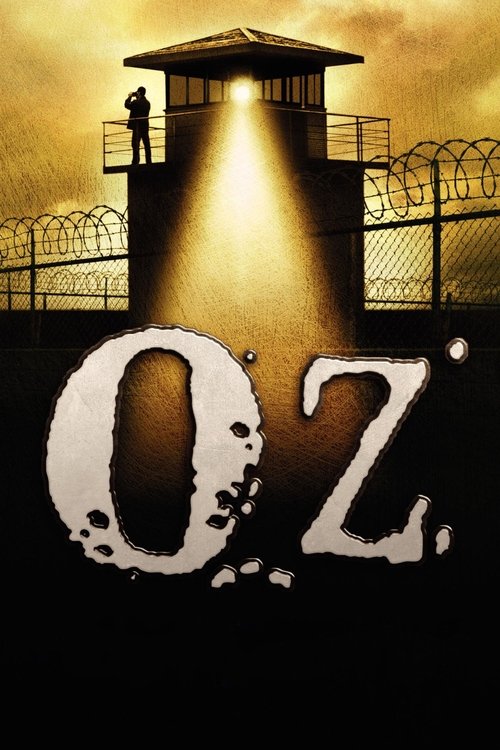
5. Oz
Before *The Sopranos*, there was *Oz*, the show that screamed, "This isn't your daddy's TV!" HBO’s first hour-long drama was brutal, unflinching, and claustrophobic. It plunged viewers into a morally bankrupt prison system, forcing them to confront uncomfortable truths about humanity. Each season built on the last, exploring power dynamics and survival in a way that pioneered serialized, adult-oriented cable storytelling, pushing boundaries no network dared.

6. Six Feet Under
Alan Ball showed us that death could be beautiful, messy, and darkly funny. *Six Feet Under* centered on a family running a funeral home, and each episode began with a death, setting the tone for deeply personal, often surreal, meditations on life and loss. It was a character study par excellence, using long-form storytelling to explore grief, identity, and family dynamics in a way that felt profoundly intimate and groundbreaking.
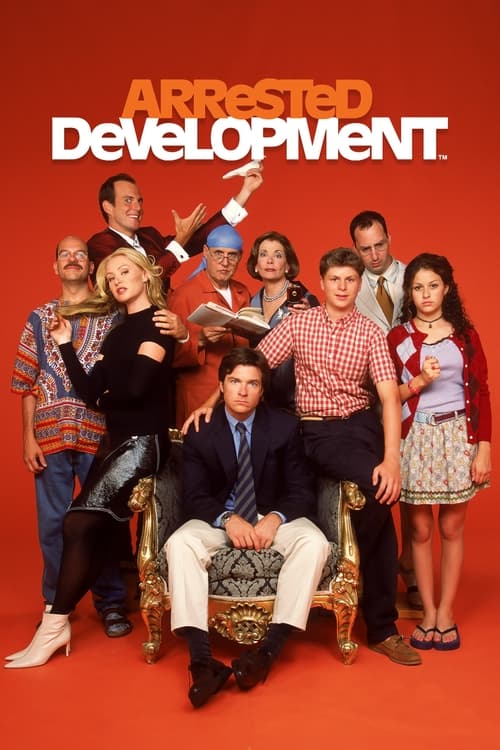
7. Arrested Development
This show was a comedic masterclass, layering jokes, callbacks, and running gags in a way that rewarded repeat viewings before repeat viewings were even a thing. Its mockumentary style and intricate, serialized plotting meant you couldn't miss an episode without losing half the punchlines. It proved that even a sitcom could embrace complex, long-form narrative structures, demanding an active, engaged audience to catch every brilliant detail.
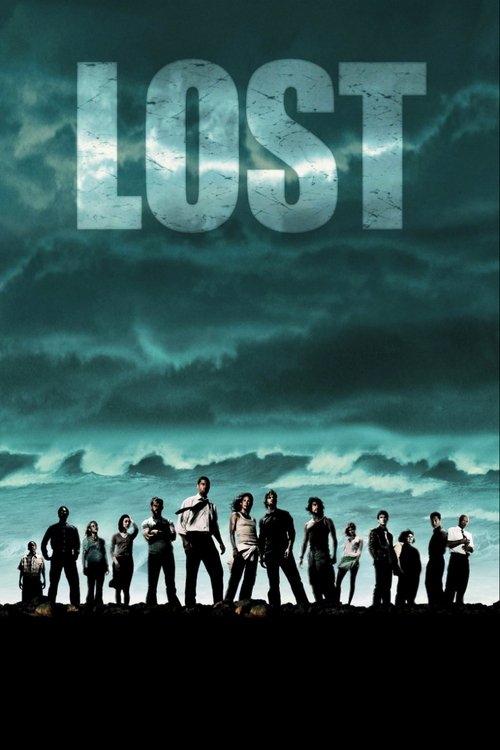
8. Lost
*Lost* was the ultimate water cooler show, sparking theories and debates every single week. Its intricate, twisty mythology, coupled with an expansive ensemble cast and a penchant for mind-bending cliffhangers, made appointment viewing mandatory. It essentially invented the "mystery box" approach to storytelling, compelling viewers to follow every single character arc and plot development across seasons, changing how serialized narratives were consumed and discussed.
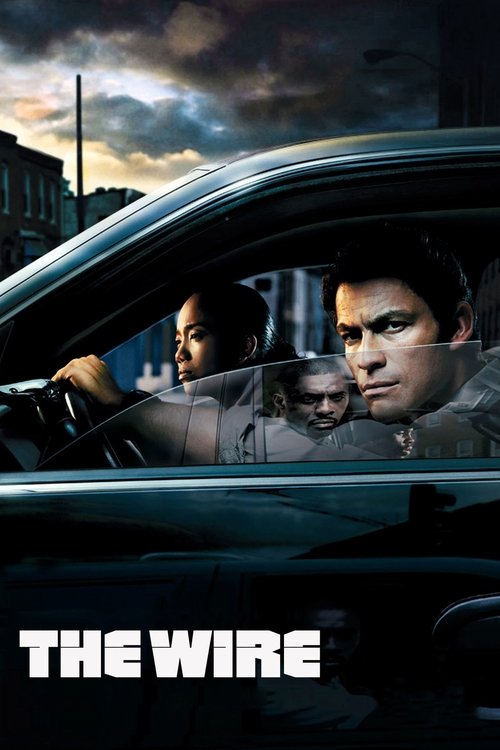
9. The Wire
David Simon crafted a novel for television with *The Wire*. It wasn't just a cop show; it was a sprawling, systemic examination of a city, tackling institutions from drugs and policing to politics and education. Each season built on the last, introducing new facets of the urban ecosystem, demanding patience and rewarding it with unparalleled depth. This was serialized storytelling as social commentary, raw, unflinching, and utterly brilliant.
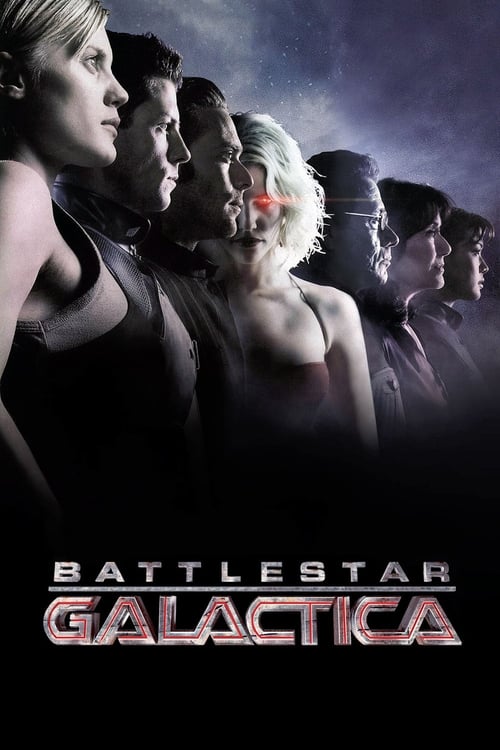
10. Battlestar Galactica
Who knew a reboot could be this good? *Battlestar Galactica* transcended its sci-fi premise to become a profound exploration of war, religion, politics, and humanity's survival. Its serialized narrative, morally gray characters, and willingness to tackle weighty themes made it prestige television in space. It proved that a genre show could be just as intellectually rigorous and dramatically compelling as any critically acclaimed drama.
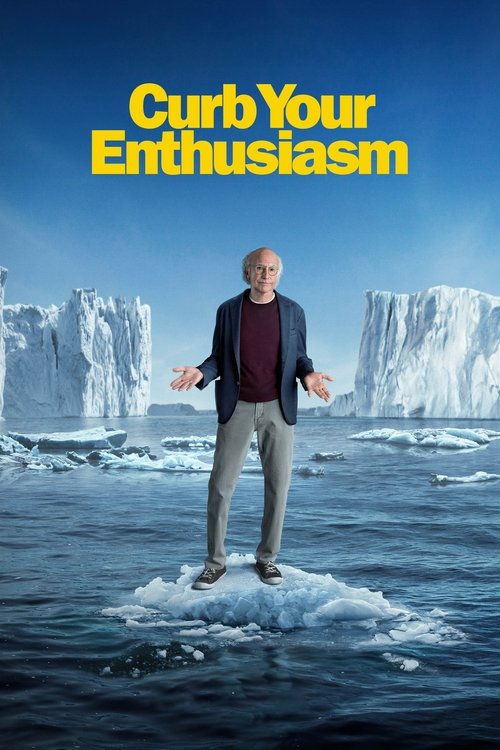
11. Curb Your Enthusiasm
Larry David’s semi-improvised comedy took the cringe factor to new heights. While often episodic in nature, the season-long arcs of social faux pas and escalating misunderstandings meant that previous awkward encounters frequently informed future disasters. It blurred the lines between reality and fiction, creating a unique brand of serialized discomfort that felt both spontaneous and meticulously crafted, proving that comedy could be just as structurally adventurous.
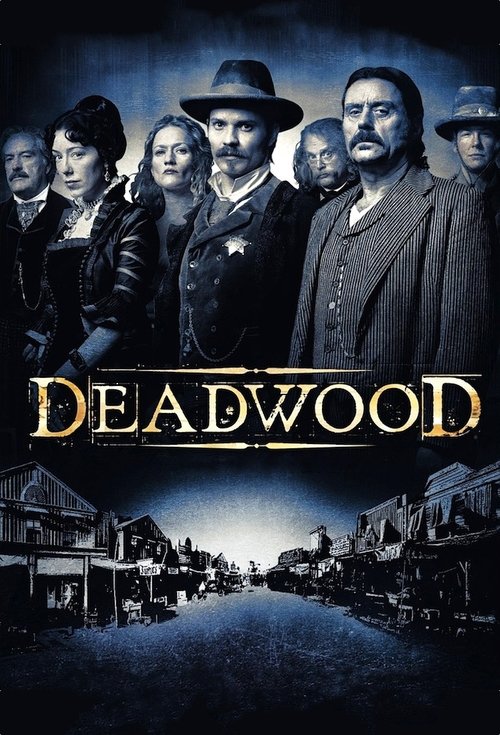
12. Deadwood
HBO's *Deadwood* brought the Old West to life with unparalleled grit and a Shakespearean command of profanity. It was a masterclass in world-building and character development, letting its ensemble of morally ambiguous pioneers, outlaws, and lawmen slowly intertwine. The dense, period-specific dialogue and its commitment to a long-form historical narrative solidified its place as a groundbreaking piece of serialized, cinematic television, a true literary achievement.