1. Profit
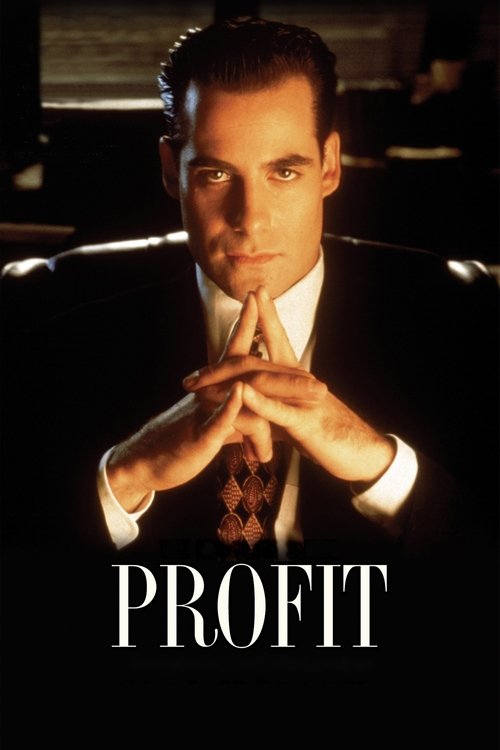
Before cable truly embraced the anti-hero, *Profit* on Fox showed us what television could be. It was a bleak, unapologetic dive into corporate amorality, starring a protagonist you loved to hate. This wasn't your daddy's prime-time soap; it was genuinely disturbing, laying groundwork for the morally ambiguous leads that would define prestige TV. Too dark for '96 network TV, maybe, but a clear signpost.
2. Oz
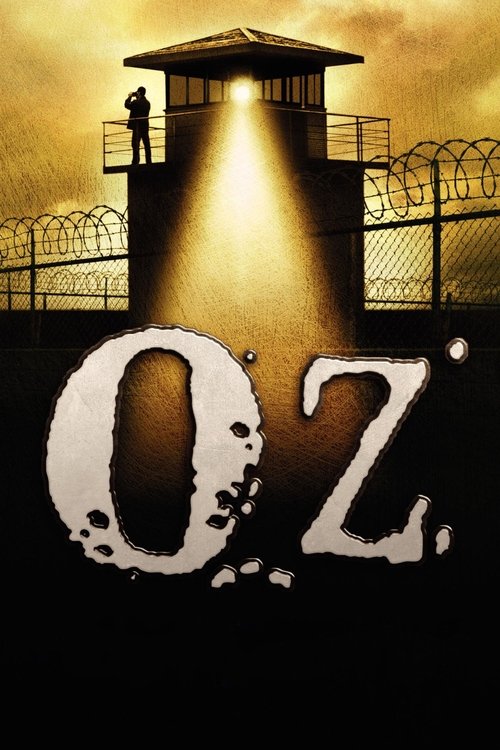
HBO's *Oz* was a gut punch, plain and simple. It wasn't just a prison drama; it was an ensemble piece that showed the brutal realities of power, survival, and morality behind bars. The serial narrative, the no-holds-barred violence, the explicit content – this was HBO saying, "We're not playing by network rules anymore." It set a new bar for adult storytelling and serialized drama on cable.
3. Spaced
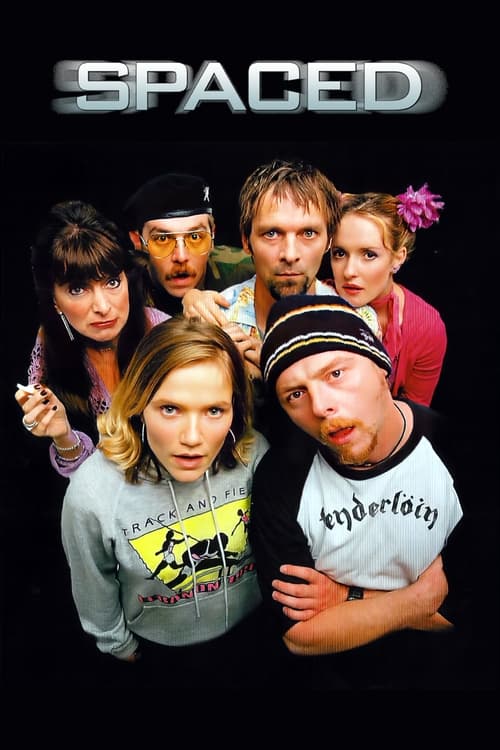
Over in the UK, *Spaced* was doing something truly special. Edgar Wright's visual flair, the rapid-fire pop culture references, and the genuinely heartfelt portrayal of slacker life in London made it feel like a movie cut into sitcom chunks. It proved that sitcoms didn't have to be stagey; they could be dynamic, cinematic, and incredibly smart, building a cult following long before streaming made obscure gems accessible.
4. Carnivàle
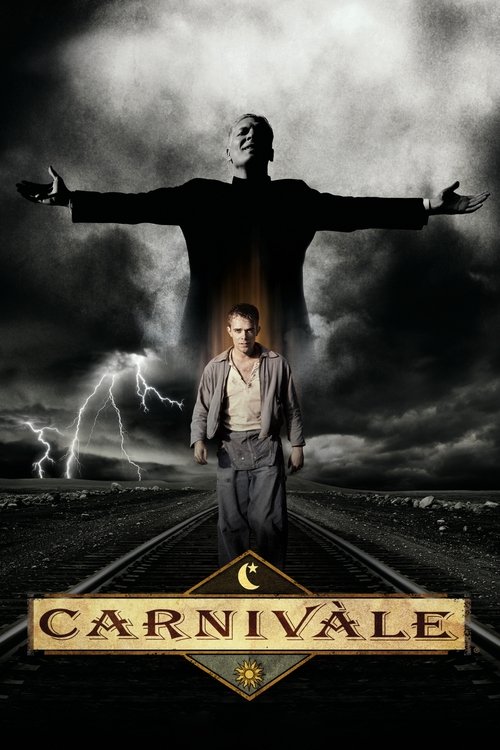
*Carnivàle* on HBO was a sprawling, atmospheric epic, proving cable was willing to swing for the fences even if it meant a huge budget and a slow burn. Its intricate mythology, stunning visuals, and complex ensemble cast felt more like a novel or a long-form independent film than a TV show. It was a bold, risky move, showcasing the cinematic ambitions that would come to define the "golden age."

5. The Comeback
Lisa Kudrow's *The Comeback* was so ahead of its time, it nearly broke the mold. A cringe-inducing mockumentary about a fading sitcom star desperate for relevance, it felt uncomfortably real. It perfectly captured the nascent reality TV craze, celebrity culture, and the brutal honesty of a public persona. It was sharp, awkward, and brilliant, demonstrating HBO's willingness to push comedy boundaries.
6. Stella
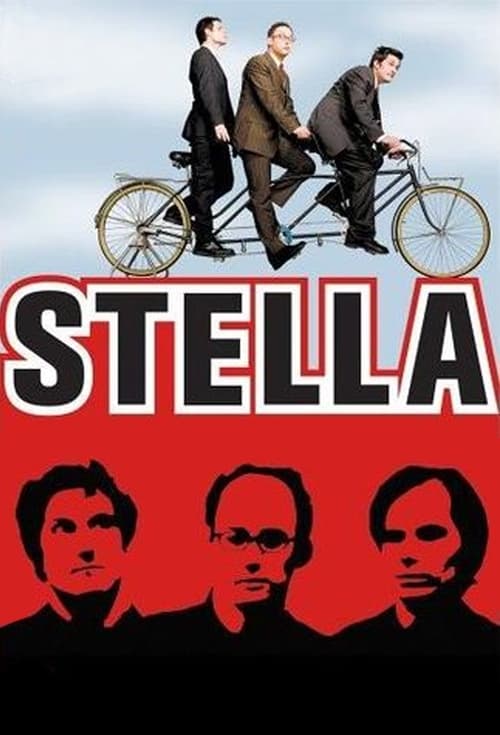
*Stella* brought the surreal, deadpan humor of its creators' stage show to Comedy Central, often feeling like a series of short films rather than a conventional sitcom. Its absurd scenarios, minimalist dialogue, and the unique chemistry of its stars made it distinct. It wasn't for everyone, but for those who got it, it was a masterclass in pushing comedic boundaries beyond typical sitcom structures, planting seeds for more experimental comedy.
7. Party Down
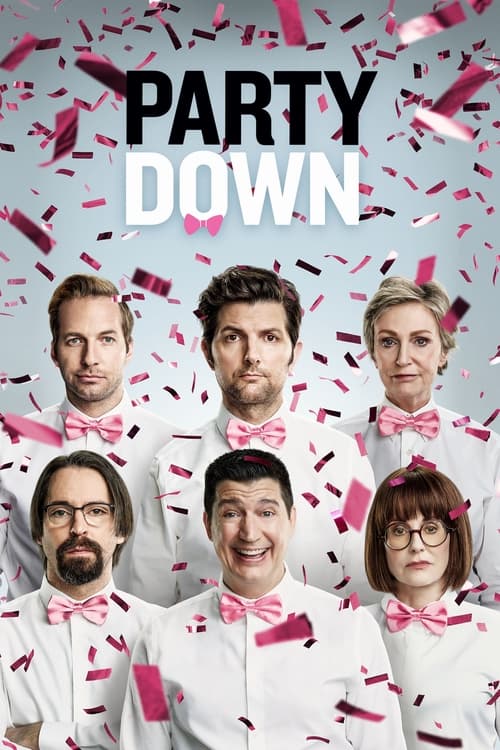
Starz’s *Party Down* was a gem, a masterclass in ensemble comedy that blended cynical humor with genuine heart. Following a group of aspiring Hollywood types stuck catering, it perfectly captured the indignities of chasing dreams while serving mini quiches. It was serialized, character-driven, and painfully funny, building a loyal following through critical praise and word-of-mouth, a testament to cable's ability to nurture niche hits.
8. Rubicon
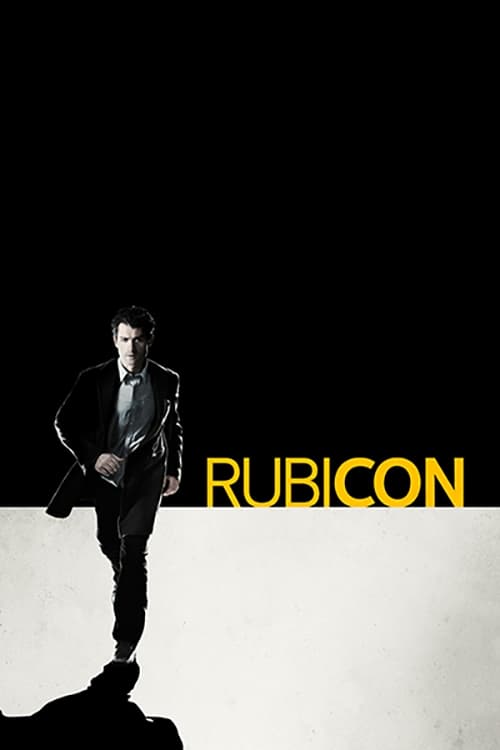
*Rubicon* on AMC was a true slow burn, a cerebral conspiracy thriller that demanded attention. It wasn't about explosions; it was about quiet paranoia, intricate puzzles, and the psychological toll of uncovering secrets. While maybe too understated for some, it signaled AMC's commitment to intelligent, serialized drama that didn't hold the audience's hand, proving there was an appetite for thoughtful, complex narratives.

9. Treme
David Simon’s *Treme* was a love letter to New Orleans post-Katrina, a deeply textured, ensemble drama focused on the city’s struggle to rebuild through its music, food, and culture. It wasn't plot-driven in the traditional sense; it was an immersive experience, a novelistic approach to television that celebrated resilience and community. HBO again greenlit something ambitious, authentic, and utterly unique.
10. The Booth at the End
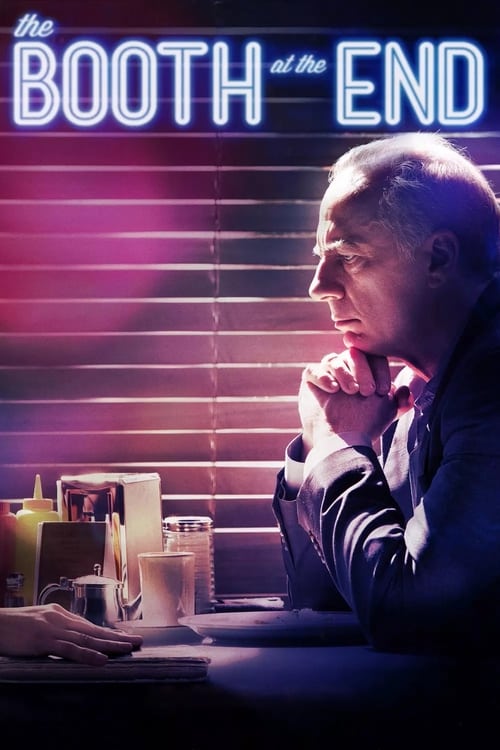
*The Booth at the End* was an early, fascinating experiment in on-demand storytelling. Set almost entirely in a diner booth, it featured a mysterious man making deals with desperate people. Its minimalist approach, high-concept premise, and reliance on dialogue and moral dilemmas made it feel like a stage play adapted for a new viewing format. It proved that compelling drama didn't need huge budgets, just sharp writing.
11. Enlightened
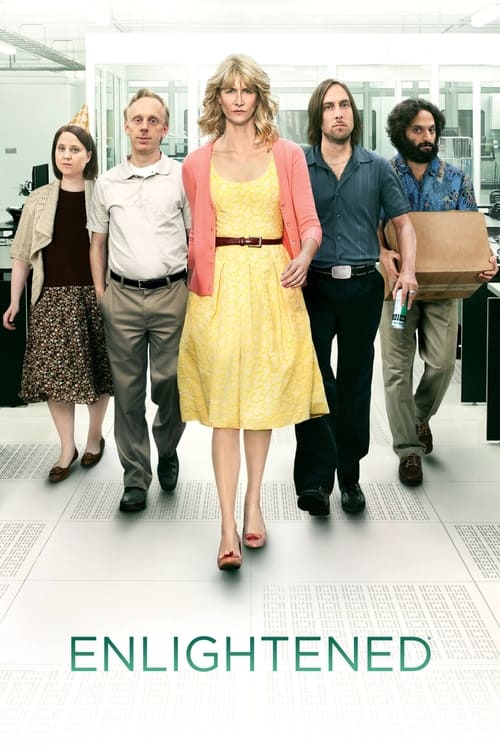
*Enlightened* on HBO was a brilliant, often uncomfortable, character study. Laura Dern played a woman trying to rebuild her life after a public meltdown, armed with new-age spiritualism. It was funny, heartbreaking, and deeply introspective, showcasing a uniquely flawed protagonist on a journey of self-discovery. HBO continued to back unique, challenging voices, proving that complex, serialized character pieces could thrive.
12. Black Mirror
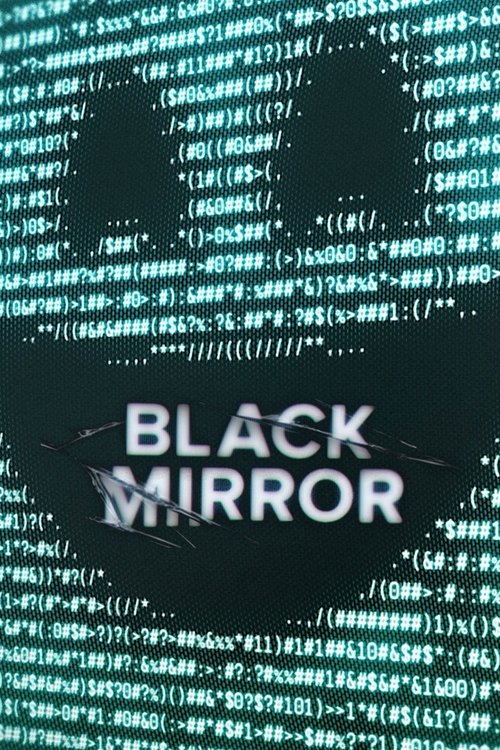
Before it became a global phenomenon, *Black Mirror* on Channel 4 was already twisting our guts with its dark, speculative tales about technology's impact. Each episode was a standalone, cinematic film, exploring dystopian futures that felt disturbingly close. It pioneered the modern anthology format, using television to provoke thought and spark conversations in a way few other shows dared.