1. The Sopranos
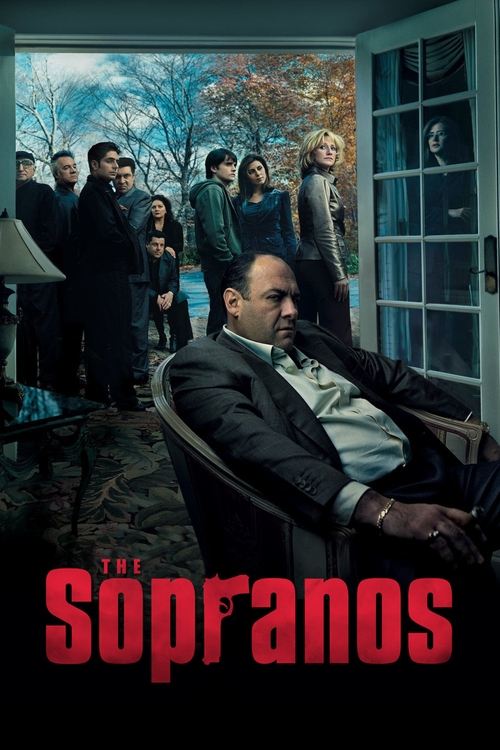
This was the big one. HBO unleashed a mob boss in therapy, and suddenly TV wasn't just disposable anymore. They built a dense world, gave us complicated anti-heroes, and made long-form serialization essential viewing. It proved cable could do what movies couldn't, turning a crime drama into a deep dive on American life and psychology. Gritty, cinematic, and completely rewrote the rules for adult storytelling.
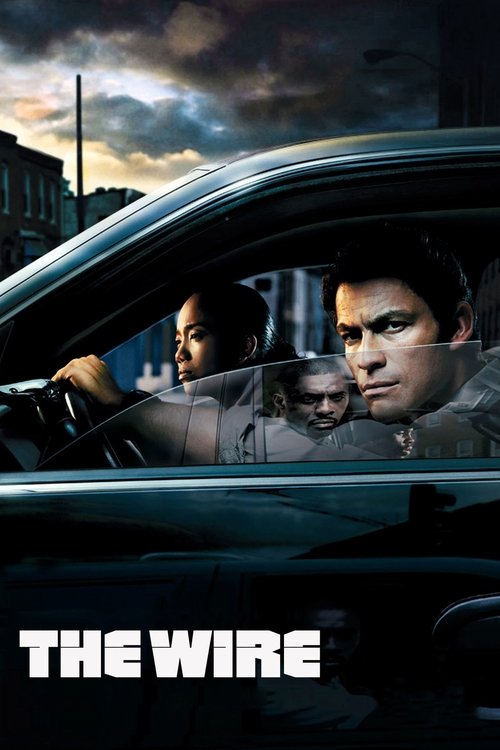
2. The Wire
Forget the cop show formula. This was sociology disguised as television, digging into every corner of Baltimore's institutions. Each season peeled back another layer, showing how systems fail people. The ensemble was massive, interconnected, and every character felt real. It demanded your attention, rewarding it with unflinching complexity. Still unmatched in its scope and intellectual ambition, proving TV could be truly profound.
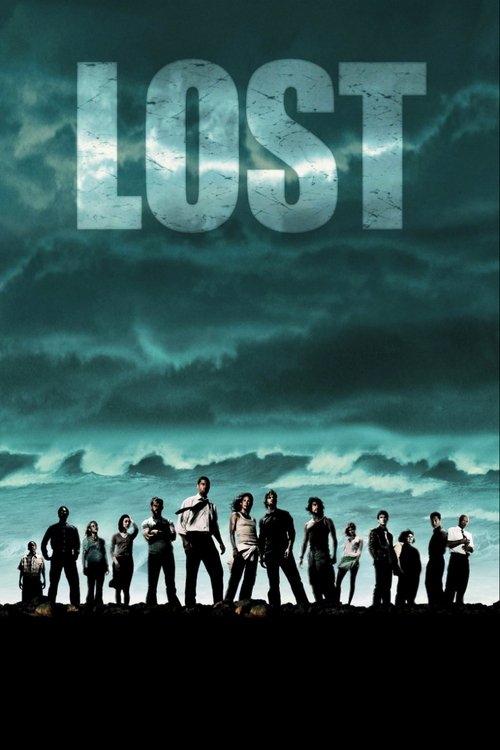
3. Lost
Talk about appointment viewing. This show hooked you with a plane crash on a mysterious island, then spiraled into mythology, time travel, and character-driven puzzles. It perfected the serialized cliffhanger and made water cooler talk mandatory. You had to watch to keep up, and fan theories were half the fun. A true event series that built an early communal viewing experience around intricate, long-form mystery.
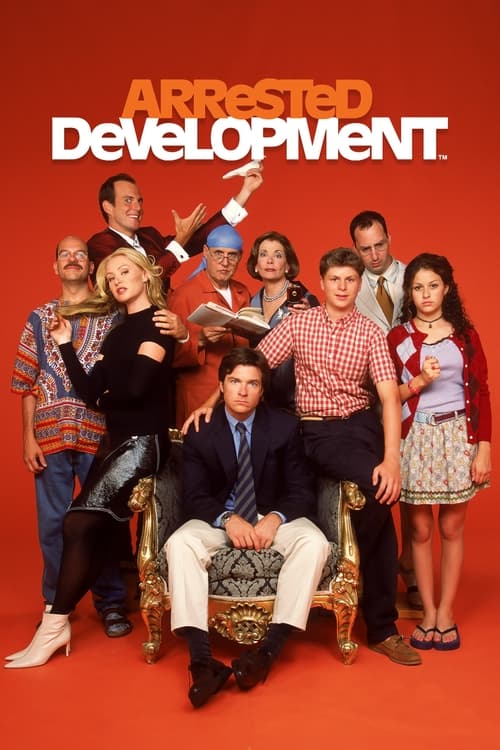
4. Arrested Development
This mockumentary sitcom was ahead of its time, packed with running gags, callbacks, and a completely dysfunctional family. It assumed you were paying attention, rewarding rewatches before binge-watching was even a thing. The humor was layered, fast-paced, and brilliant in its self-referential style. It redefined what a comedy could be, making smart funny and setting a new bar for ensemble absurdity.
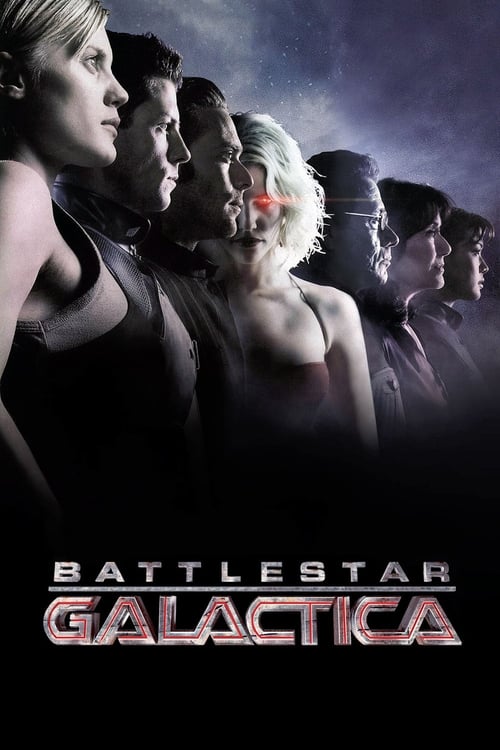
5. Battlestar Galactica
Who knew a reimagined sci-fi show could tackle post-9/11 paranoia, religion, and politics with such depth? It was dark, gritty, and took its characters to some truly desperate places. The serialized narrative kept the stakes high, and the moral ambiguities were genuinely challenging. It elevated sci-fi from genre fare to prestige drama, proving complex storytelling belonged anywhere. So say we all.

6. Six Feet Under
Death was the family business, but life was the drama. This show was a masterclass in character study, exploring grief, family dynamics, and existential dread with dark humor and raw emotion. HBO again, pushing boundaries, showing lives unraveling and reforming. It was beautifully shot, deeply moving, and made you feel everything, proving that intimacy could be epic.
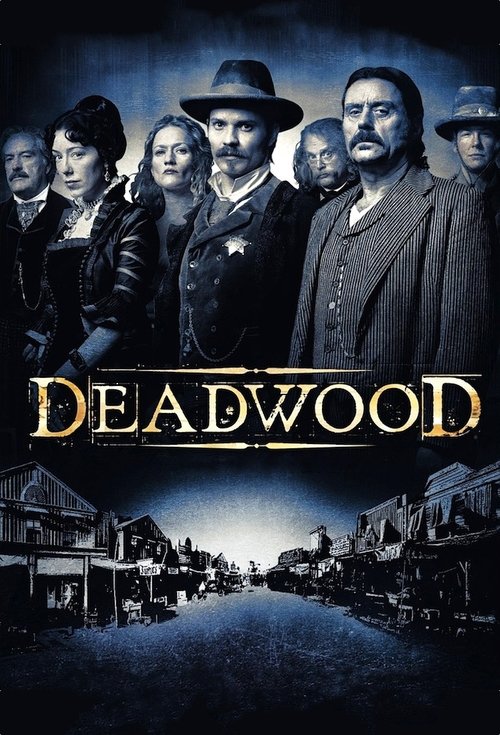
7. Deadwood
An authentic, brutal, and poetically profane look at the American frontier. It wasn't about simple good guys and bad guys; it was about survival and the messy birth of civilization. The dialogue was Shakespearean in its rhythm and complexity, demanding close listening. It was a western that felt more like a stage play, showing cable's willingness to go niche and unflinching.
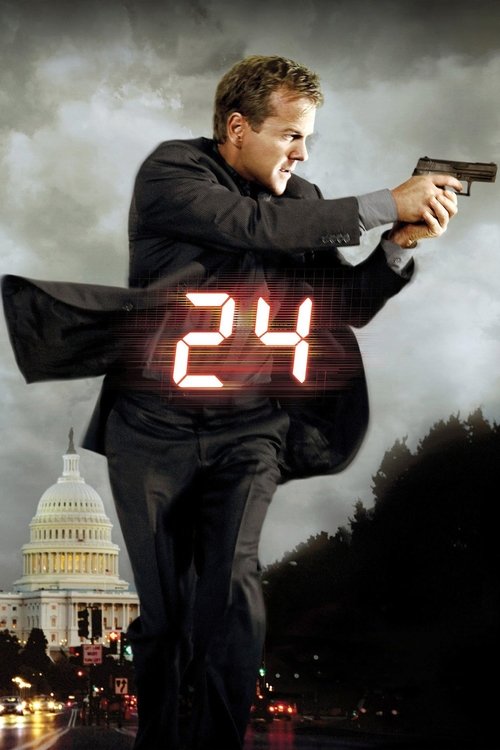
8. 24
This show introduced real-time storytelling to primetime, making every episode a breathless hour of a single day. Kiefer Sutherland's Jack Bauer was the ultimate anti-hero, doing whatever it took to save the world. It was high-stakes, action-packed, and practically invented the pause button for bathroom breaks. Pure adrenaline, proving network TV could also innovate with cinematic urgency and serialized tension.
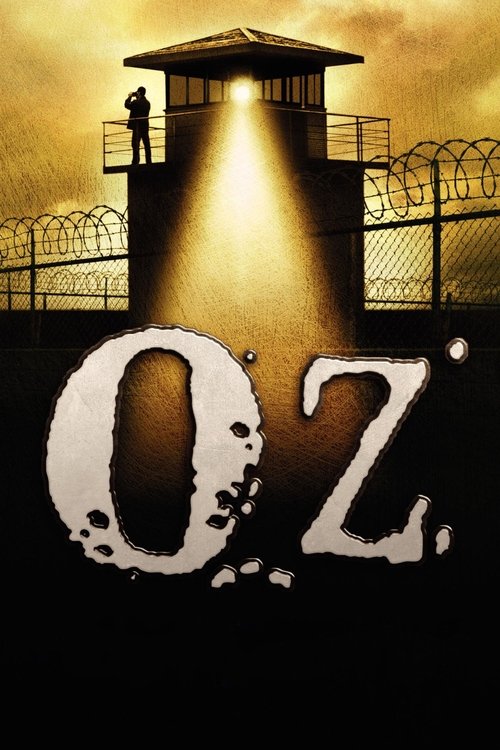
9. Oz
HBO's first hour-long drama, and it hit you like a punch to the gut. This prison drama was raw, violent, and unflinching, portraying a brutal microcosm of society. It featured a huge, diverse ensemble, each character complex and morally gray. It showed what cable could get away with, pushing boundaries long before others dared. No easy answers, just brutal survival.
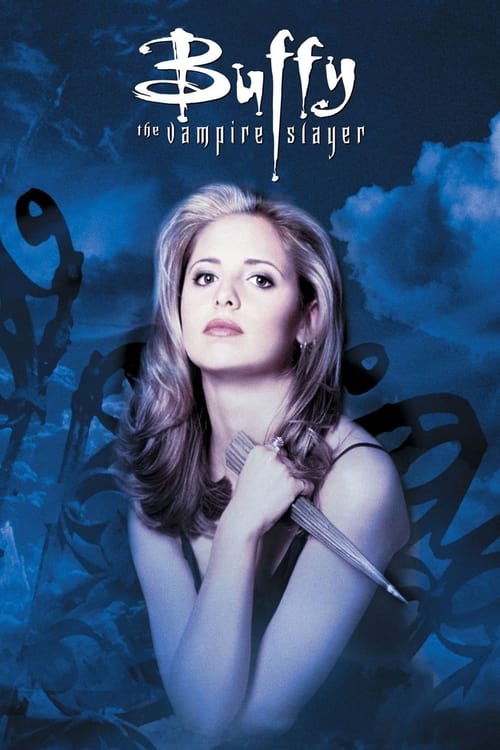
10. Buffy the Vampire Slayer
Don't let the vampires fool you; this was a sharp, witty, and emotionally resonant show about growing up, disguised as genre fiction. It pioneered serialized storytelling for a younger audience, blending monster-of-the-week with long-form arcs. The dialogue was iconic, and it treated its characters and their struggles with genuine respect and depth, proving genre could be profound.
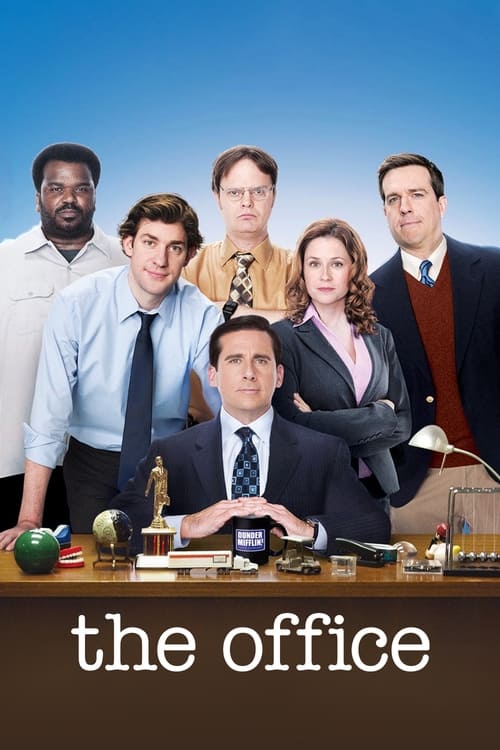
11. The Office
Building on the British original, this mockumentary perfected cringe comedy and made workplace drama endearing. The camera crew was a character, capturing awkward silences and knowing glances. It showed how character development and ensemble dynamics could carry a show, making you root for these flawed, relatable people. It felt real, in a very specific, deeply funny way.
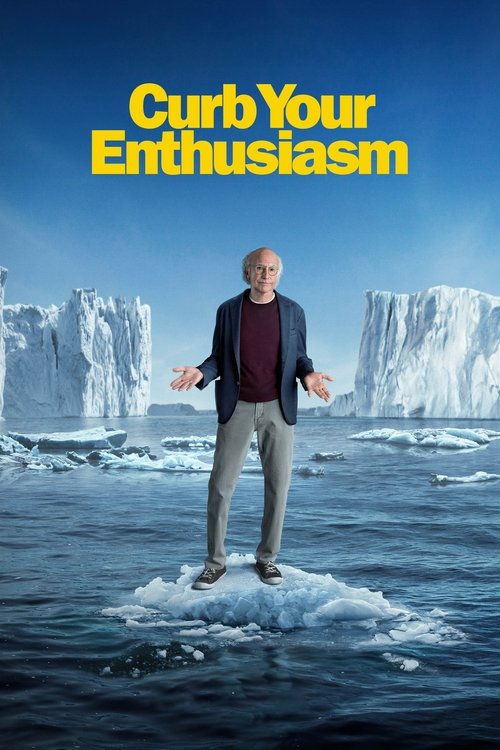
12. Curb Your Enthusiasm
Larry David just being Larry David, but with a camera crew. This show took improvisation and cringe comedy to a whole new level. It was about the unspoken rules of society, the petty grievances, and how one man’s rigid adherence to his own code could unravel everything. It was like watching a social experiment unfold, brilliant and uncomfortably funny.