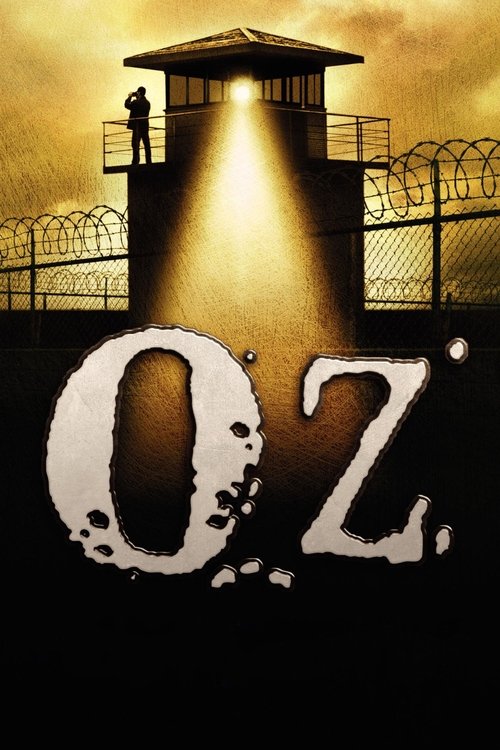
1. Oz
This HBO joint hit you like a shiv. Forget network fluff; `Oz` was serialized drama in a brutal, contained world. Ensemble cast, no clear heroes, just raw human nature under pressure. It dared to go places network TV wouldn't dream of, laying the groundwork for cable's dark, complex storytelling. You couldn't just have it on in the background; it demanded your full, uncomfortable attention. This was the start of something truly different.
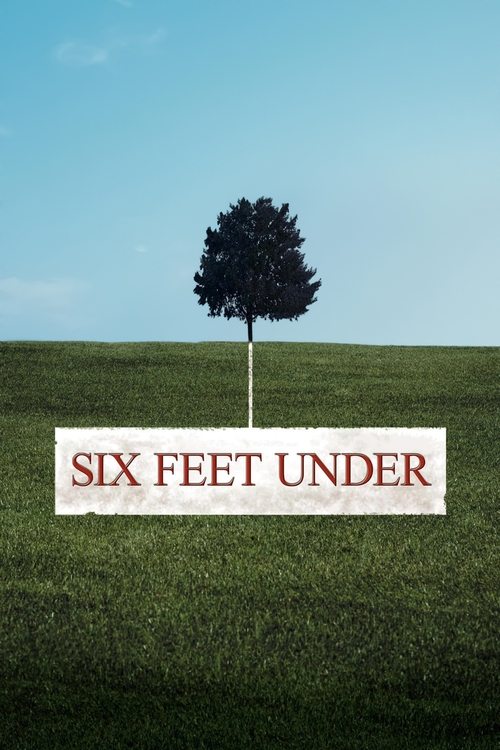
2. Six Feet Under
Alan Ball's `Six Feet Under` was a masterclass in blending the mundane with the profound, all centered around a family funeral home. Every episode started with a death, setting a tone for poignant, character-driven storytelling. It explored grief, life, and relationships with an emotional depth rarely seen, making you actually care about these messed-up people. This wasn't just a show; it was an experience, and a foundational piece of cable's prestige era.
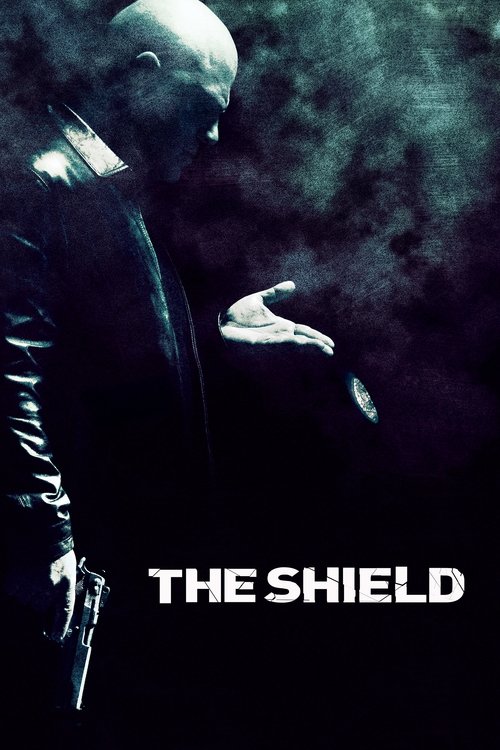
3. The Shield
Vic Mackey and the Strike Team weren't cops; they were a force of nature. FX's `The Shield` redefined the anti-hero, showing us that good intentions could pave the road to hell. Gritty, fast-paced, and morally ambiguous, it proved cable wasn't just for prestige dramas, but for raw, visceral storytelling that pushed boundaries. You were glued to the screen, wondering what lines they’d cross next, a true cinematic TV moment.
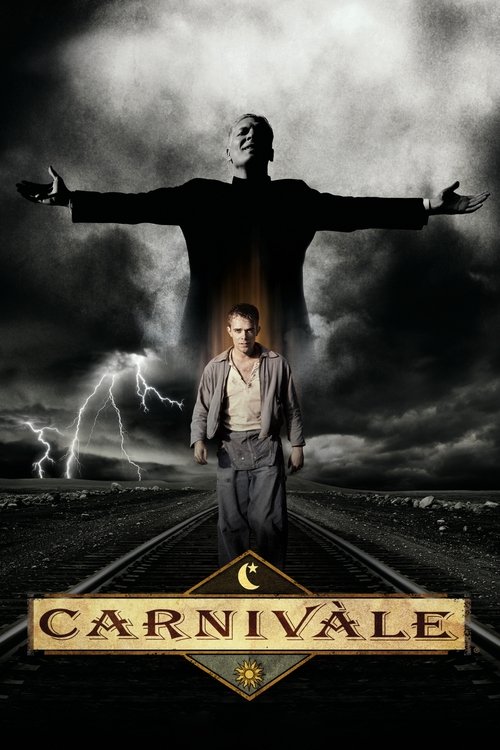
4. Carnivàle
`Carnivàle` was a big swing, and it connected with an atmospheric, surreal power. HBO invested in this epic, Depression-era fantasy that felt more like a sprawling novel than a TV show. Its rich mythology, stunning visuals, and complex ensemble cast demanded a commitment that few shows before it had. It proved that television could be art, not just entertainment, even if it ended too soon, leaving a lasting impression.
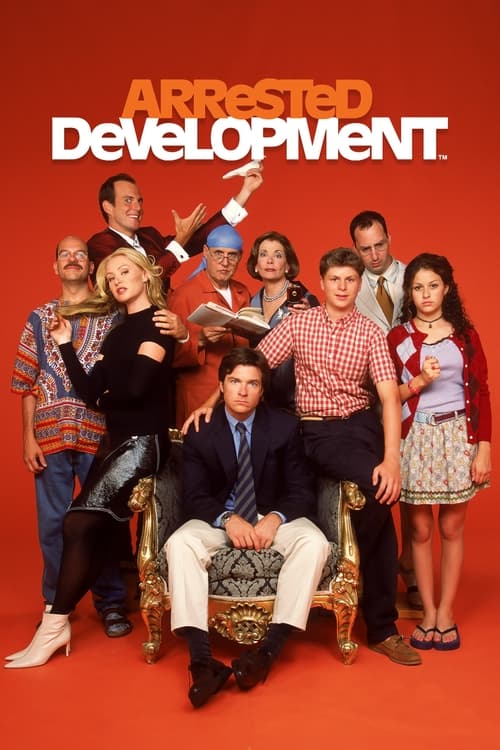
5. Arrested Development
Fox took a chance on `Arrested Development`, and Mitch Hurwitz delivered a masterclass in comedic serialization. Its dense jokes, running gags, and fourth-wall breaks rewarded active viewing like nothing else. You *had* to pay attention to catch everything. This wasn't just funny; it was smart, meta, and influenced a whole generation of comedy with its mockumentary style. A true blueprint for sophisticated laughs and rewatchability.
6. K Street
Before `House of Cards`, there was Soderbergh's `K Street`. This HBO experiment was groundbreaking: a political drama shot and aired almost in real-time, blending actors with actual Washington D.C. figures. It was raw, immediate, and blurred the lines between fiction and reality, pushing the boundaries of what television could be. It was a live wire, and a fascinating, albeit short-lived, predecessor to today's binge culture.
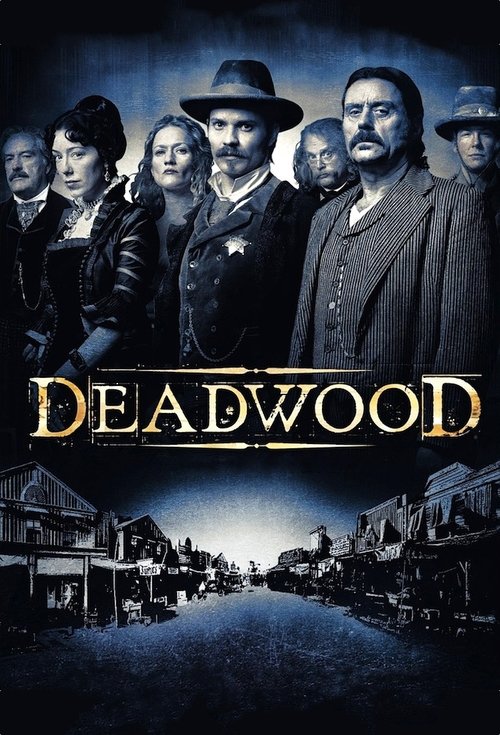
7. Deadwood
`Deadwood` arrived on HBO like a profane, poetic storm. David Milch’s dialogue was a character in itself, dripping with historical grit and Shakespearean weight. This wasn't a Western; it was a character study of a nascent, brutal society. Its ensemble cast, cinematic scope, and serialized, novelistic approach cemented television's place as a serious storytelling medium. You listened, you learned, and you were captivated by its singular vision.
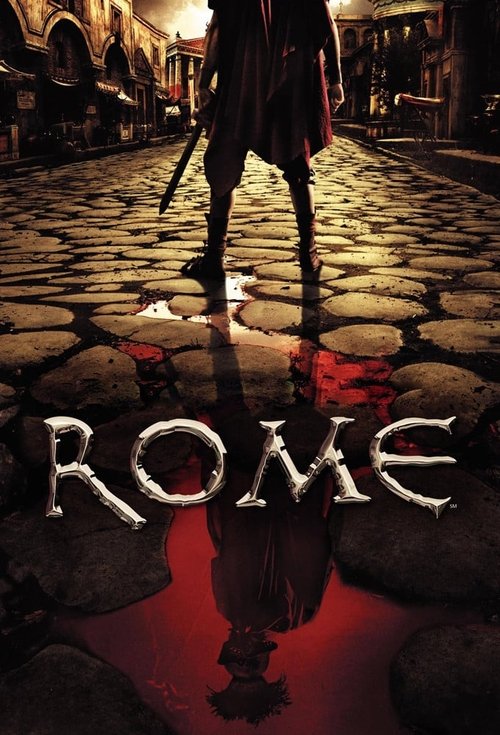
8. Rome
HBO’s `Rome` was a lavish, ambitious co-production that redefined historical drama. It delivered epic scale, political intrigue, and personal drama with a frankness that would make network executives faint. This wasn't a history lesson; it was a visceral, character-driven saga that showed how television could transport you to another time and place with cinematic grandeur. It set a new bar for period pieces and serialized storytelling.

9. The Comeback
Lisa Kudrow's `The Comeback` was ahead of its time, a cringe-comedy mockumentary about the desperation of fame. Valerie Cherish was a character you loved to hate and hated to love. It was sharp, uncomfortable, and a brutal commentary on reality TV and the entertainment industry. HBO understood risk, and this show, though initially misunderstood, proved its daring and prophetic vision for serialized comedy and character study.
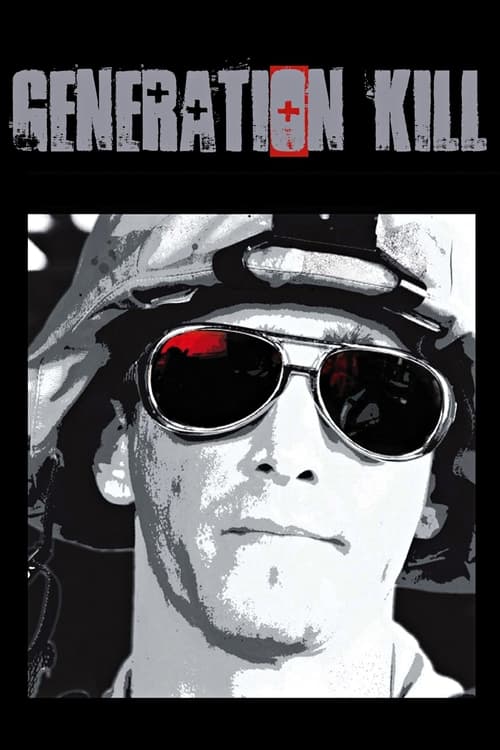
10. Generation Kill
This HBO miniseries from `The Wire` team was a brutal, unflinching look at the Iraq War through the eyes of a Marine reconnaissance unit. It wasn't about heroism; it was about the grind, the absurdity, and the psychological toll. Shot like a documentary, its serialized realism and ensemble focus were a stark reminder that television could deliver hard truths with cinematic precision. Essential viewing, challenging conventional war narratives.
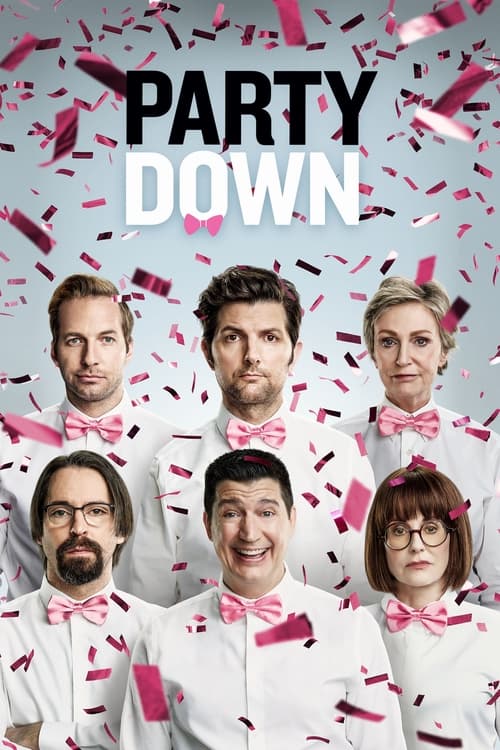
11. Party Down
`Party Down` was a quiet gem, a mockumentary about caterers in Los Angeles hoping for their big break. Its ensemble cast was brilliant, delivering sharp, melancholic comedy about ambition and failure. Starz took a chance on this, and it built a cult following for its smart writing and understated humor. It showed that even niche cable channels could cultivate truly special, character-driven serialized comedies, a precursor to today's streaming hits.
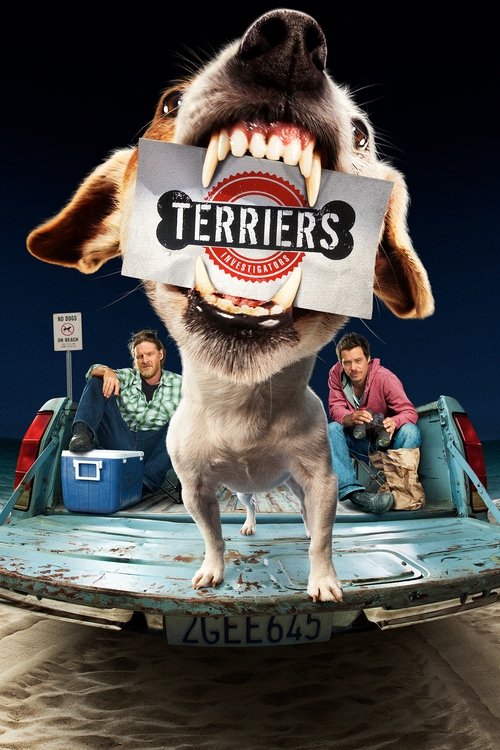
12. Terriers
FX's `Terriers` was a show about two down-on-their-luck private investigators. It was a perfectly crafted, serialized crime dramedy that felt real and lived-in. Critics loved it, but audiences didn't show up. It proved that even brilliant, character-driven storytelling with cinematic quality could get lost if the timing wasn't right, highlighting the challenges of early cable-era risk-taking. A cult classic that deserved so much more fanfare.