1. Studio One
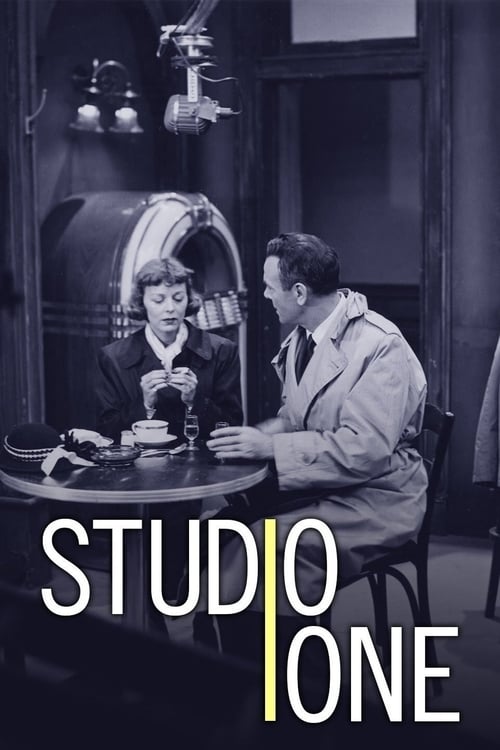
Oh, *Studio One*. This was television's live theater, wasn't it? Every week, a new play, often with big names, performed right before your eyes. You felt the immediacy, the risk, the palpable tension. Those early kinescopes, fuzzy as they were, truly captured a moment, proving TV could tell serious stories, not just show a test pattern. It was raw, immediate, utterly captivating, and set a high bar for dramatic ambition.

2. The Goldbergs
Before the laugh track was even a twinkle in a producer's eye, there was *The Goldbergs*. This wasn't just a sitcom; it was a slice of life, showing real families, real struggles, and real warmth. Molly Goldberg, she felt like your own aunt, didn't she? It brought a genuine, lived-in feel to the small screen, proving that everyday life could be compelling drama, not just broad comedy. This pioneering family show truly resonated with audiences.

3. Naked City
"There are eight million stories in the Naked City. This has been one of them." What an opening! This show, filmed right on the streets of New York, gave us a glimpse into the raw, unforgiving side of life. It wasn't always pretty, but it was honest. And you saw the city, felt its pulse, like never before on TV. It transcended simple crime stories, becoming a character study of a living metropolis, gritty and real.
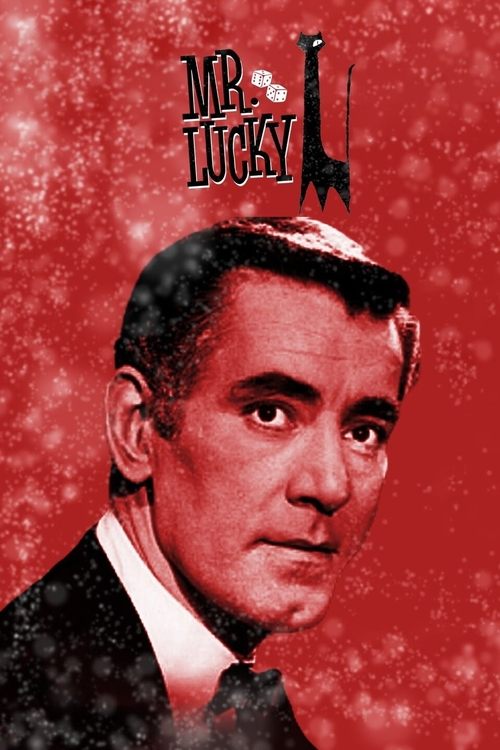
4. Mr. Lucky
Oh, *Mr. Lucky*! Blake Edwards always had a touch for style, and this show was all about it. John Vivyan, cool as ice, running a floating casino, getting into scrapes. The jazz score by Henry Mancini? Unforgettable. It was escapism, pure and simple, but done with such a slick, sophisticated flair. It proved that television could be as stylish and entertaining as any big-screen caper. A real charmer, if you ask me.
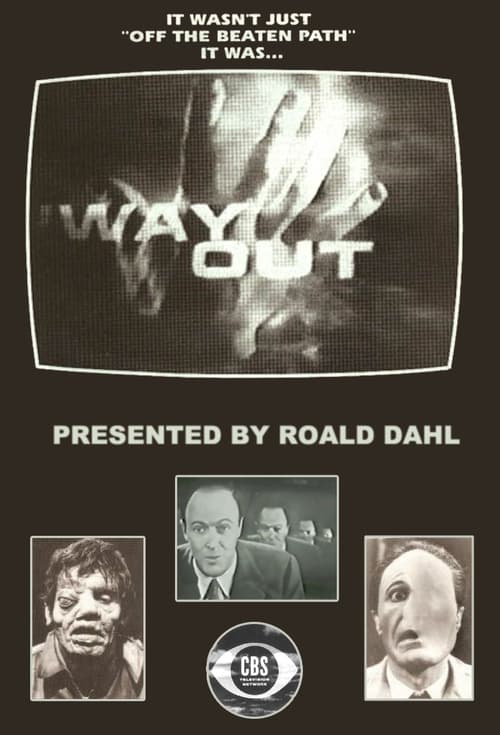
5. Way Out
Before Rod Serling had all the market cornered, there was *Way Out*. Fred Gwynne, long before Herman Munster, introduced these strange, often unsettling tales. It was a brief flicker, only a few months, but it showed you the darker, more bizarre side of imagination on television. Definitely a precursor to the eerie anthologies that would truly take hold later. A unique, sometimes creepy, experiment that left a lasting impression on those who saw it.
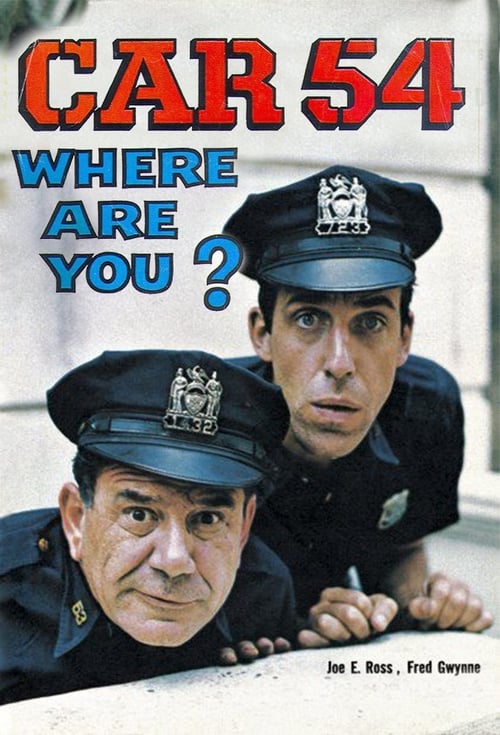
6. Car 54, Where Are You?
Oh, *Car 54*! What a hoot. Fred Gwynne again, but this time with Joe E. Ross, playing these two bumbling cops in the Bronx. It was pure, unadulterated slapstick, the kind that just makes you laugh out loud. The situations were absurd, the characters lovable, and it proved that a well-crafted ensemble comedy could make TV a genuinely joyful place to spend a half-hour. Just classic, silly fun that holds up.
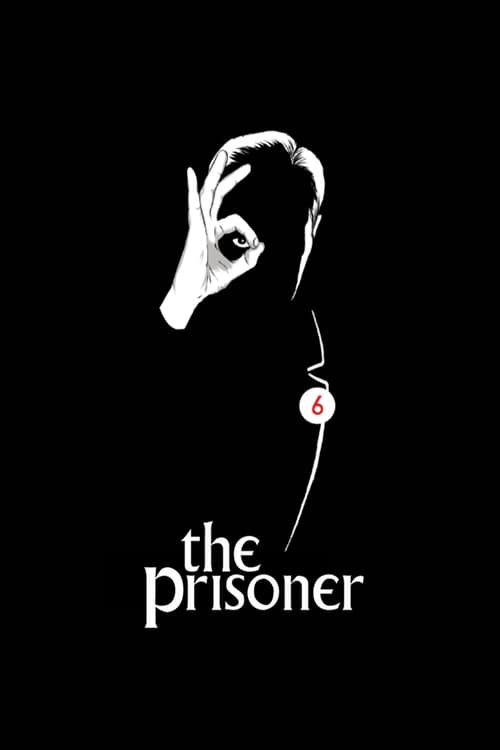
7. The Prisoner
Now, *The Prisoner*? That was something else entirely. Patrick McGoohan, trapped in "The Village," fighting for his individuality. It was mind-bending, allegorical, and utterly unlike anything else on the box. You never quite knew what was going on, but you couldn't stop watching. It pushed the boundaries of what serialized television could be, proving that a show could be intelligent, provocative, and deeply unsettling all at once. Be seeing you!
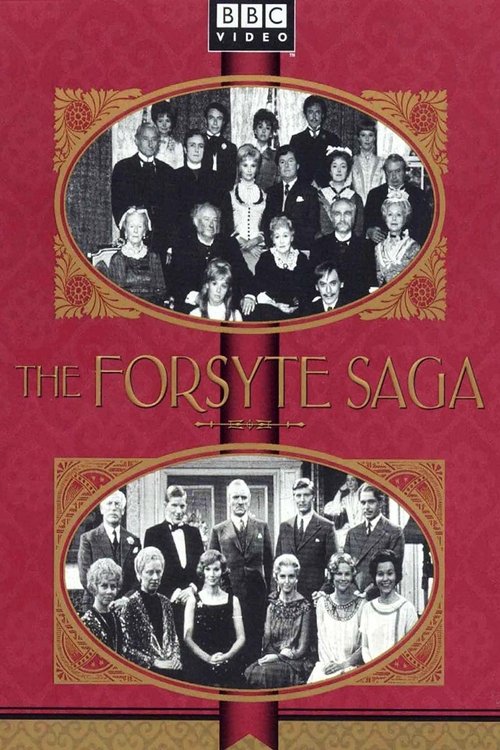
8. The Forsyte Saga
And then came *The Forsyte Saga* from across the pond. This was an event, wasn't it? A sprawling, multi-generational epic of a family, adapted from the novels. It was early, long-form storytelling on television, captivating millions with its intricate plots and character development. Americans tuned in, proving that audiences craved serious, sustained drama. It set the stage for how TV could adapt and expand upon grand literary works, a true milestone.
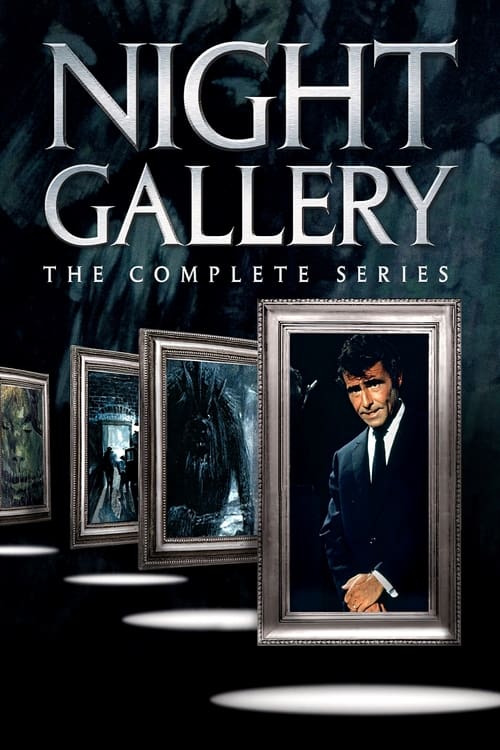
9. Night Gallery
Rod Serling, back with *Night Gallery*. This wasn't *Twilight Zone*; it was often darker, more gothic, with a touch of the macabre. Serling's introductions, painting a picture before each tale, were iconic. And you got to see early work from future greats like Steven Spielberg directing. It proved there was still an appetite for strange, unsettling anthology tales, pushing the boundaries of prime-time horror just a bit further, right into your living room.
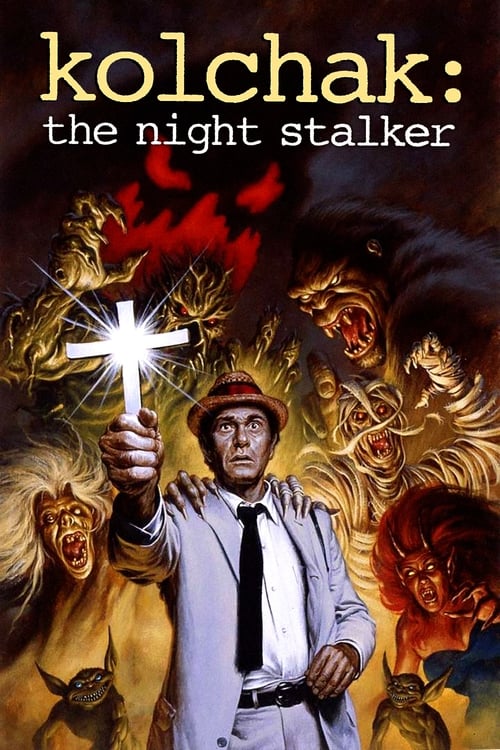
10. Kolchak: The Night Stalker
*Kolchak*! Now there was a character. Darren McGavin, as the rumpled reporter chasing ghouls and monsters, always trying to get the scoop. It was a fantastic blend of mystery, horror, and a touch of the absurd. Every week, a new creature, and Kolchak was always there, even if no one believed him. This show laid serious groundwork for future serialized monster hunts, proving TV could do spooky, recurring creatures, week after week.
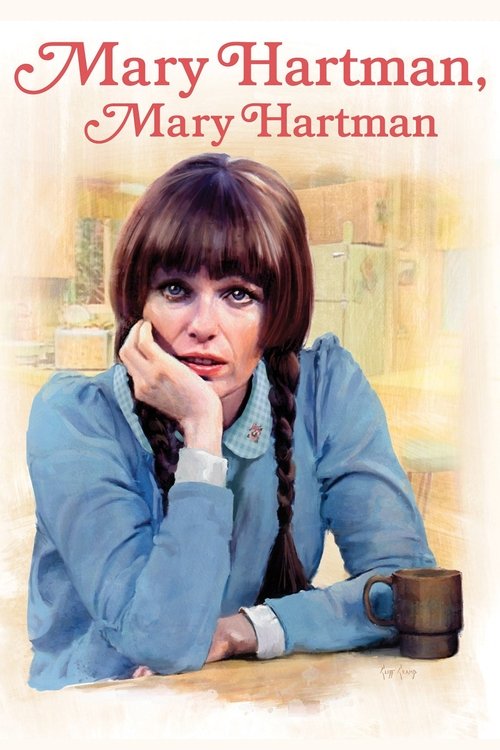
11. Mary Hartman, Mary Hartman
*Mary Hartman, Mary Hartman*... now *that* was something different. Norman Lear, pushing boundaries again. It was a soap opera, but it was also a biting satire of American life, consumerism, and media obsession. Louise Lasser's performance was just incredible, capturing this suburban housewife's existential dread. It was serialized, often bizarre, and utterly hilarious in its own dark way. Bold, provocative, and ahead of its time, it really got people talking.
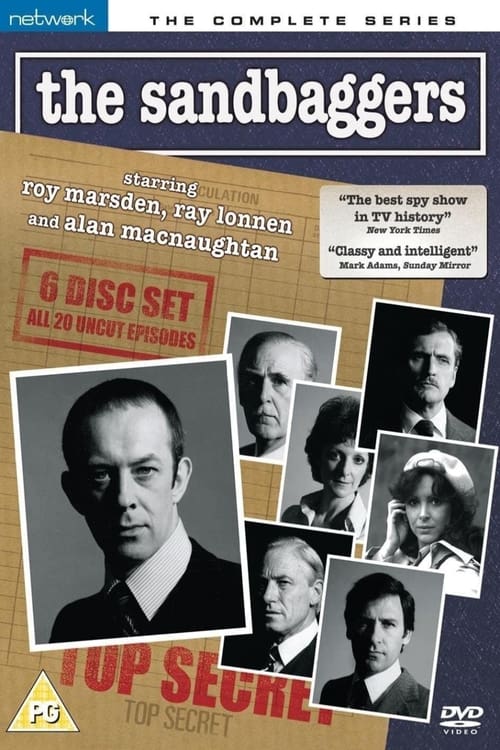
12. The Sandbaggers
For those who wanted their spy thrillers without the gadgets and glamour, there was *The Sandbaggers*. This British series was gritty, intelligent, and often heartbreakingly realistic. It showed the bureaucratic, dangerous side of espionage, where agents were expendable and decisions weighed heavily. It proved that television could handle complex, serialized narratives about the serious business of national security, without pulling any punches. A truly intense watch that stuck with you.