1. Twin Peaks
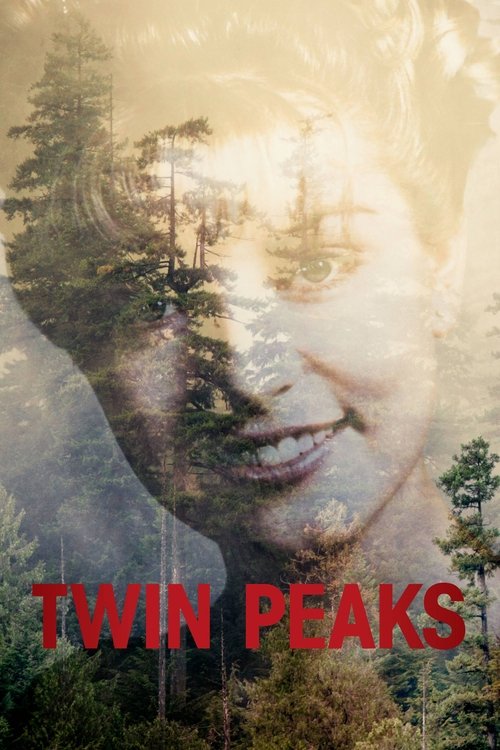
This wasn't just a murder mystery; it was a goddamn dream logic fever swamp. Lynch and Frost smashed small-town Americana with cosmic horror and soap opera melodrama, then filtered it through a dark, cherry-pie-scented lens. The analog video effects, the red room, the unsettling quiet – it burrowed into your brain and stayed there. And yeah, it proved network TV could be *art*, even if it made zero sense. A true paradigm shift.
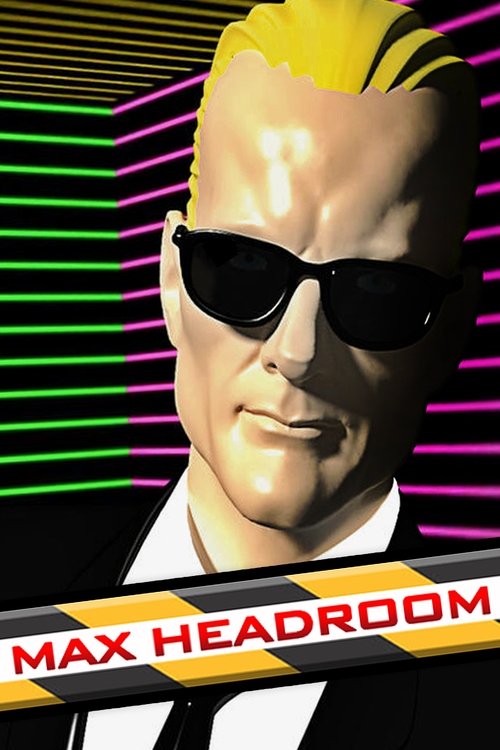
2. Max Headroom
A glitchy, neon-soaked vision of a cynical, hyper-commercial future that felt way too real. The computer-generated host, actually a guy in prosthetics, was a practical effect marvel. It was proto-cyberpunk before the term hit mainstream, blending satire, action, and a genuinely unsettling look at media control. And that stuttering laugh? Pure nightmare fuel. A syndicated gem that spoke volumes about where we were headed.
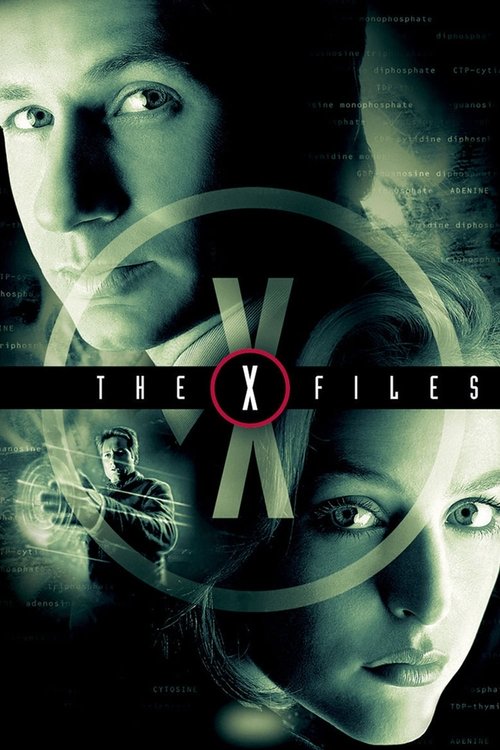
3. The X-Files
Mulder and Scully chasing shadows and government conspiracies week after week. It was spooky, it was sexy, and it tapped into that deep paranoia everyone felt after the Cold War. They blended monster-of-the-week horror with a sprawling, soap-operatic mythology arc. And the practical creature effects? Top-tier. It legitimized sci-fi drama for a mainstream audience, making us all want to believe in something weirder.
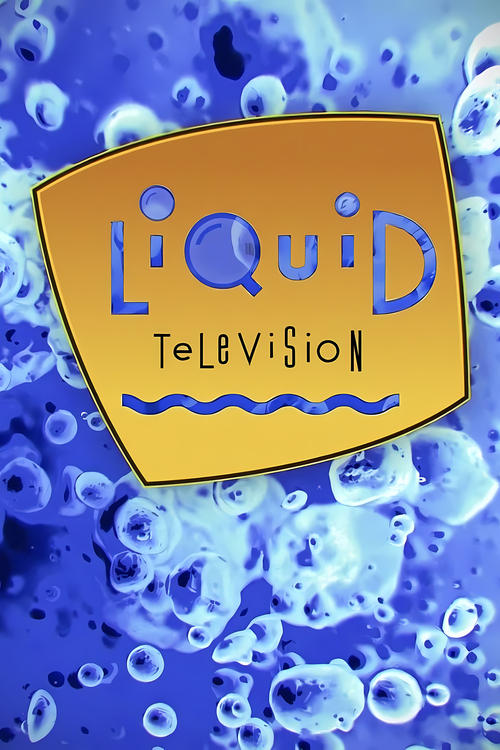
4. Liquid Television
MTV's animated anthology was a godsend for anyone tired of hair bands. This was where *Beavis and Butt-Head* and *Æon Flux* came from. It was raw, experimental, and pushed animation into genuinely adult, often disturbing territory. Claymation, rotoscoping, abstract shorts – it was a grab bag of visual anarchy. A true punk rock approach to TV, showing what animation could be beyond Saturday morning cartoons.
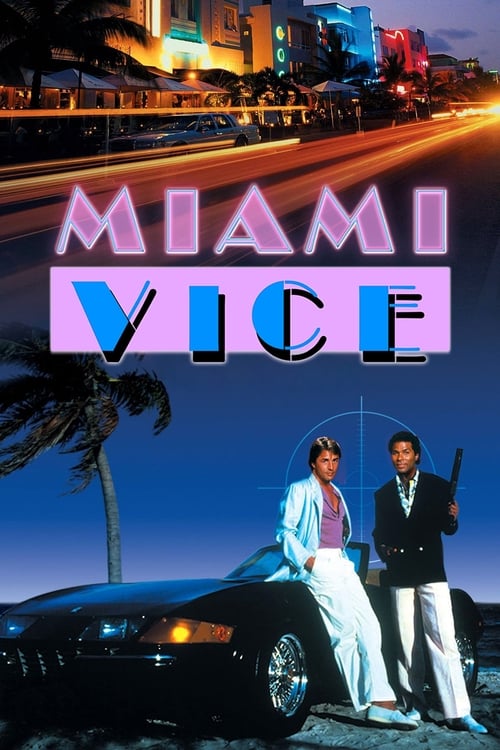
5. Miami Vice
Pastel suits, synth-pop, and endless neon nights. It was more than a cop show; it was an aesthetic, a whole mood. Michael Mann turned every scene into a music video, making surveillance look cool. The fashion, the cars, the soundtrack – it was pure 80s maximalism, a style-over-substance manifesto that defined an era. And the way they shot those cityscapes? Pure analog magic, dripping with mood, a true proto-genre hybrid.
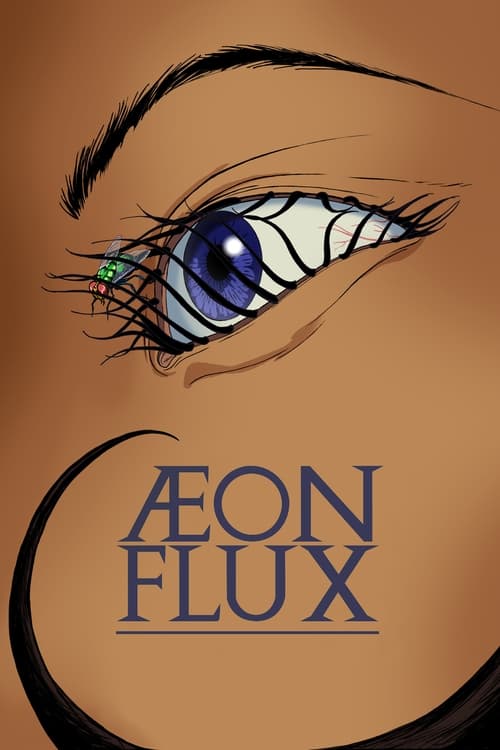
6. Æon Flux
This *Liquid Television* spin-off was a hyper-stylized, non-linear fever dream. Peter Chung's animation was unlike anything else: sleek, violent, overtly sexual, and utterly incomprehensible most of the time. It was high-concept sci-fi art, pure mood and kinetic energy over traditional plot. A brutal, beautiful practical visual oddity that proved animation could be genuinely avant-garde and aggressively adult, not just for kids.
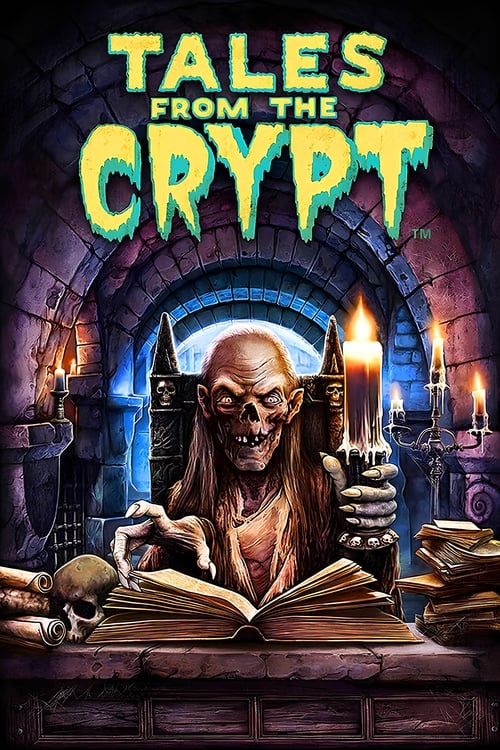
7. Tales from the Crypt
HBO brought back the EC Comics horror anthology with a vengeance. The Crypt Keeper's practical puppet effects were disgustingly good, and the guest stars were insane. Each episode was a mini-horror movie, often gleefully gory and darkly comedic. It was prime cable TV, pushing boundaries with violence and sex, a perfect late-night fix for anyone craving some genuinely twisted tales. A true cult classic.
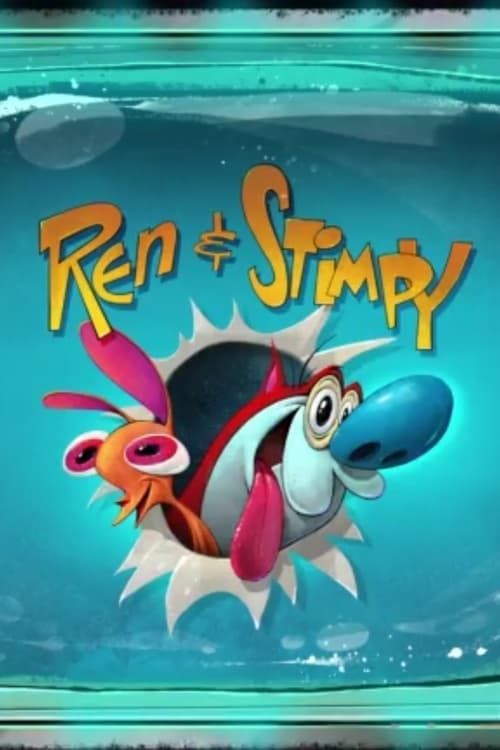
8. Ren & Stimpy
John Kricfalusi’s masterpiece of gross-out humor and extreme animation. This show was a cartoon for delinquents, a warped, hyper-detailed, and often genuinely disturbing take on Saturday morning fare. The visual gags, the close-ups, the sheer unadulterated *weirdness* of it all – it blew open what animation could do. It was punk rock in cartoon form, a visceral, anarchic assault on good taste.
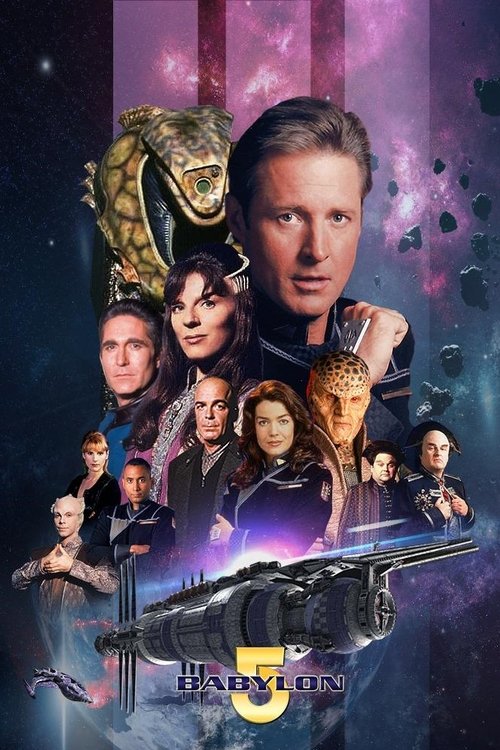
9. Babylon 5
Before *Deep Space Nine* got dark, *Babylon 5* was doing serialized space opera right. It had a five-year arc planned from the jump, tackling politics, religion, and war with a gritty, often grim realism. The early CGI was… clunky, but the storytelling was revolutionary. It felt like a novel playing out on your screen, proving that syndicated sci-fi could be ambitious, complex, and utterly compelling.

10. Mystery Science Theater 3000
Two guys and a bunch of robots watching terrible movies and riffing on them? Genius. This syndicated show was pure, unadulterated cult TV. It celebrated bad cinema while simultaneously tearing it apart. The practical effects for the bots, the goofy host segments, the sheer volume of obscure pop culture references – it was a communal experience for anyone who loved B-movies and snark.
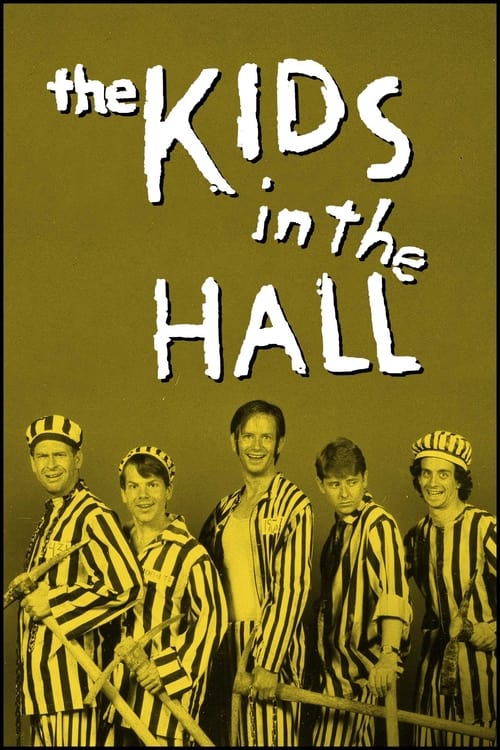
11. The Kids in the Hall
Five Canadian dudes in drag, doing sketch comedy that was brilliant, bizarre, and often deeply unsettling. It was anti-establishment, pushing boundaries with its queer undertones and surreal characters. Not quite punk, but definitely adjacent to that DIY, outsider spirit. Their practical costuming and willingness to just *go for it* made it stand out. A genuinely alternative voice in a sea of sitcoms.
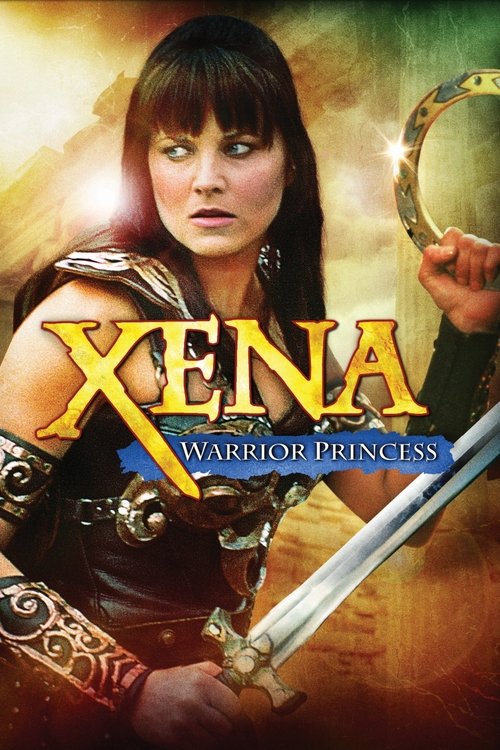
12. Xena: Warrior Princess
A syndicated phenomenon that accidentally became a queer icon. It was pure, unadulterated, maximalist camp, blending mythology, action, and unintentional romance. The practical stunts, the over-the-top melodrama, the sheer joy in its own ridiculousness – it was an absolute blast. And let's be real, Xena and Gabrielle were the original power couple. A perfect example of a cult show finding its niche.