

1 / 12
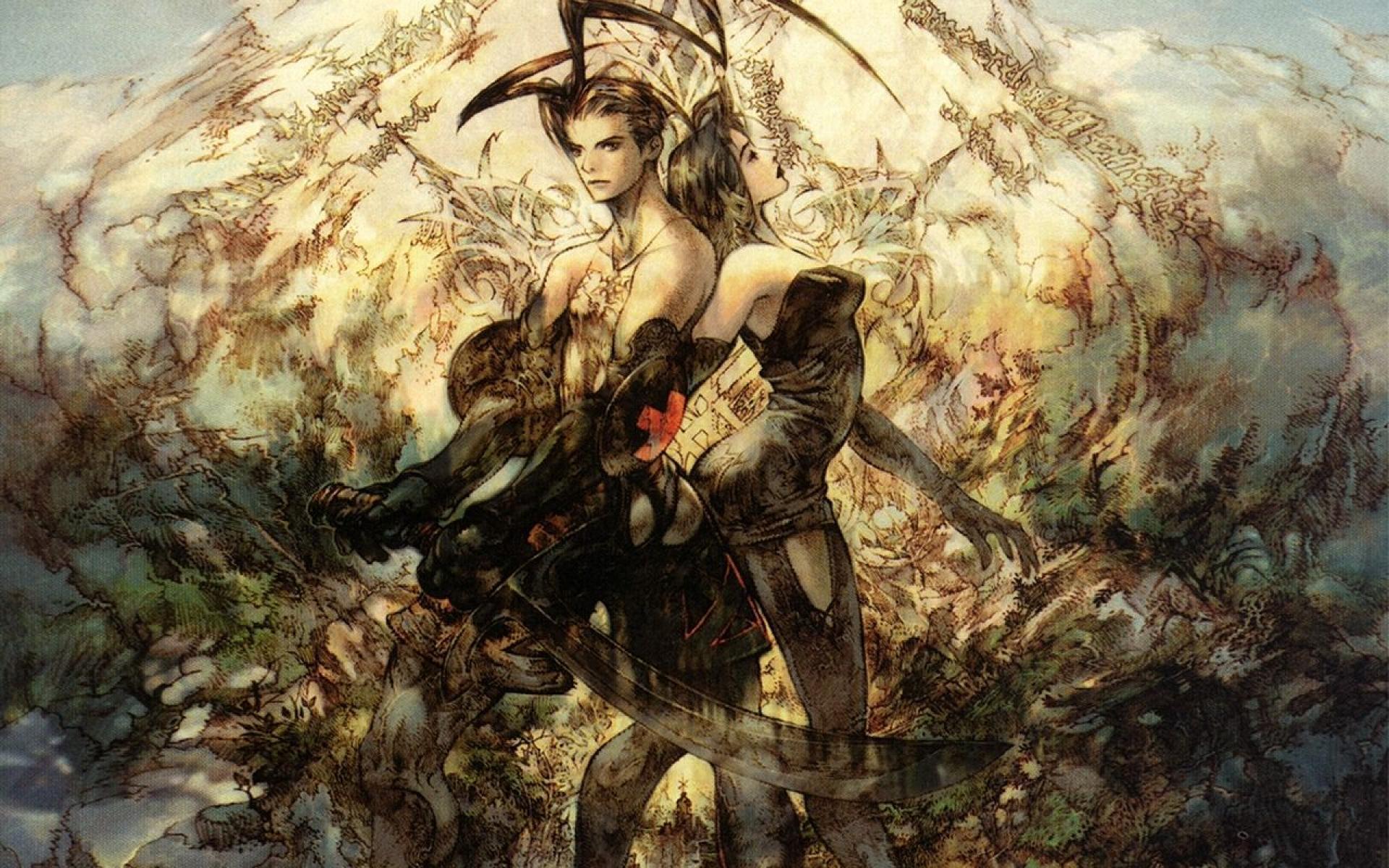
1. Vagrant Story (2000)
This PlayStation masterpiece, released in 2000, stands as a testament to Square's golden era. Its complex weapon customization, grid-based combat, and mature, intricate narrative were far ahead of their time. Ashley Riot's journey through the cursed city of Leá Monde, presented with a unique pseudo-monochromatic filter, crafted an oppressive, unforgettable atmosphere. It demanded patience and strategic thinking, rewarding those who delved deep into its mechanics and lore. A true Square gem often overshadowed.
2 / 12
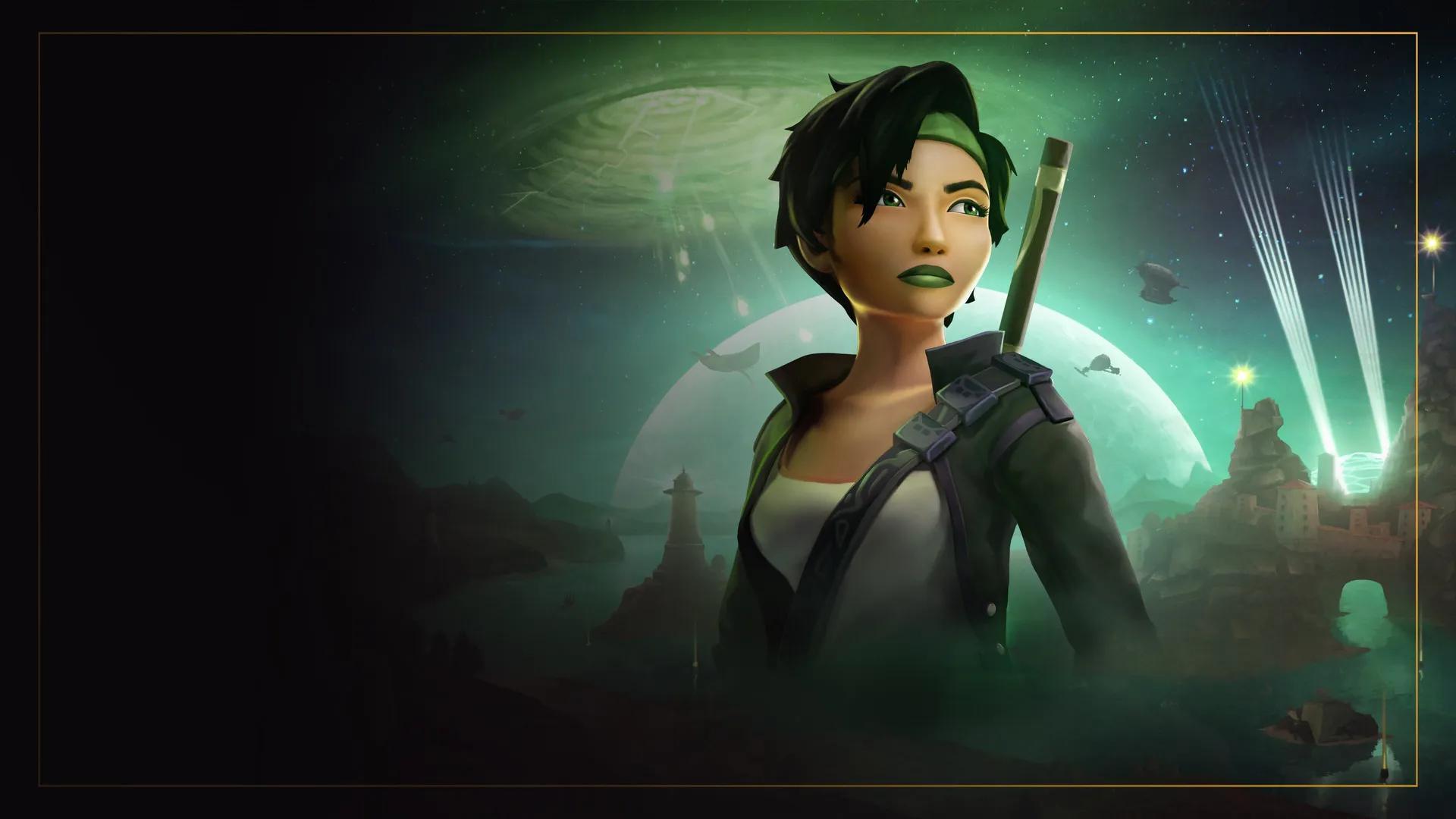
2. Beyond Good & Evil - 20th Anniversary Edition
While the original 2003 release was already a cult classic, the 20th Anniversary Edition reminds us why Jade's photographic investigation on Hillys remains so compelling. This updated version, with its visual enhancements and new content, highlights a narrative blend of political intrigue, environmentalism, and genuine character heart that few games achieve. It's a poignant reminder of Ubisoft's creative peak, celebrating a unique action-adventure that deserved more recognition.
3 / 12
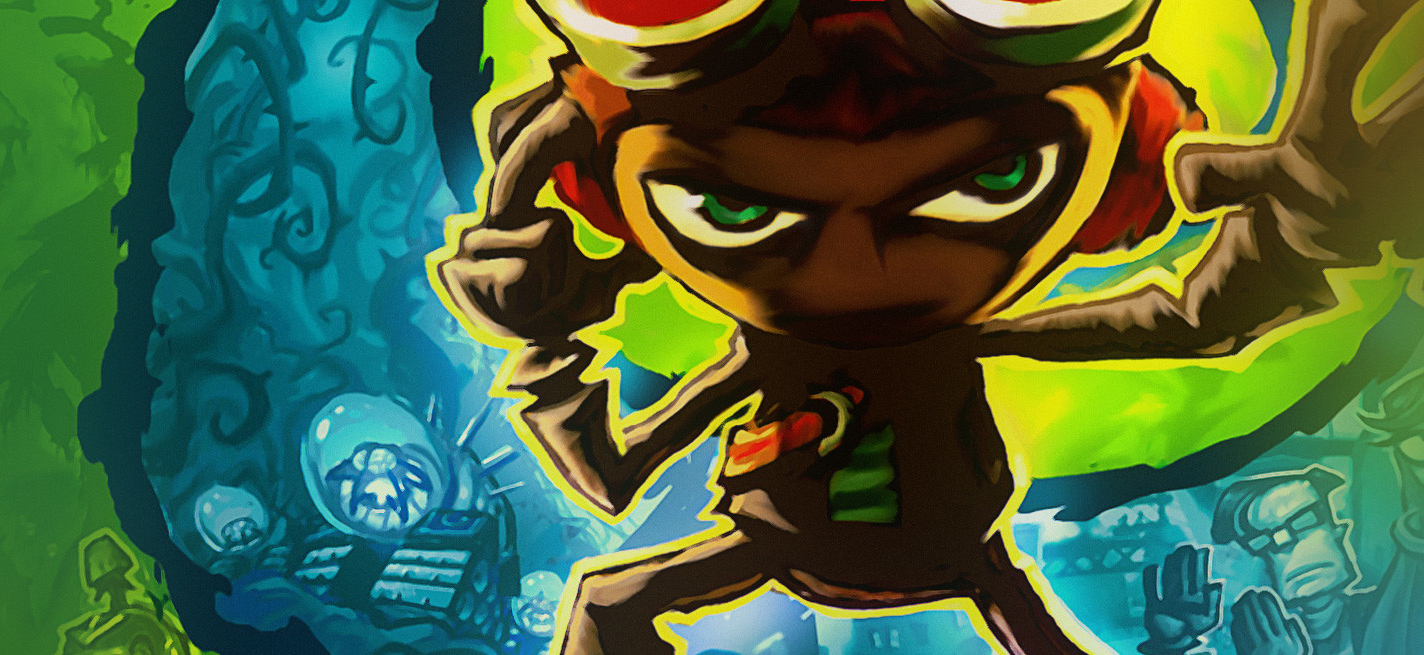
3. Psychonauts
Tim Schafer's 2005 debut under Double Fine Productions was a vibrant, imaginative platformer that took players into the literal minds of others. Razputin's psychic journey through wildly varied mental landscapes, each reflecting a character's neuroses or aspirations, offered unparalleled creativity and humor. Its innovative level design, memorable cast, and a story that thoughtfully explored mental health concepts made it a critically acclaimed, if initially underselling, classic that deserved its later resurgence.
4 / 12
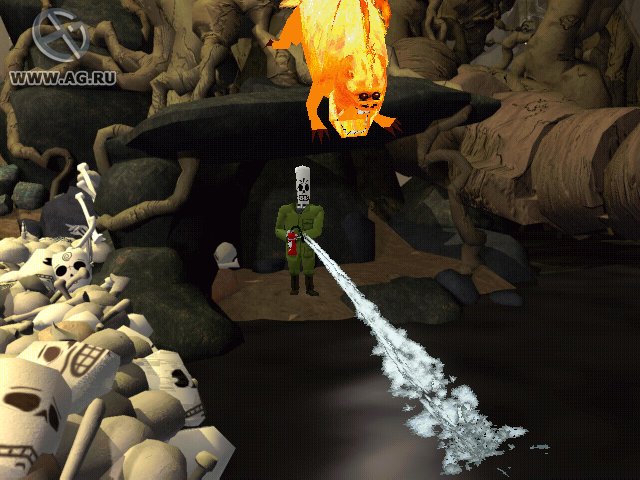
4. Grim Fandango
LucasArts’ 1998 point-and-click adventure is a noir masterpiece, blending Aztec mythology with Art Deco aesthetics in the Land of the Dead. Manny Calavera's quest for redemption, rendered in groundbreaking 3D pre-rendered backgrounds, delivered sharp writing, complex puzzles, and unforgettable characters. Its commercial struggles upon release didn't diminish its artistic merit; it stands as a pivotal moment for narrative gaming, proving that games could tell stories with the depth and wit of classic cinema.
5 / 12
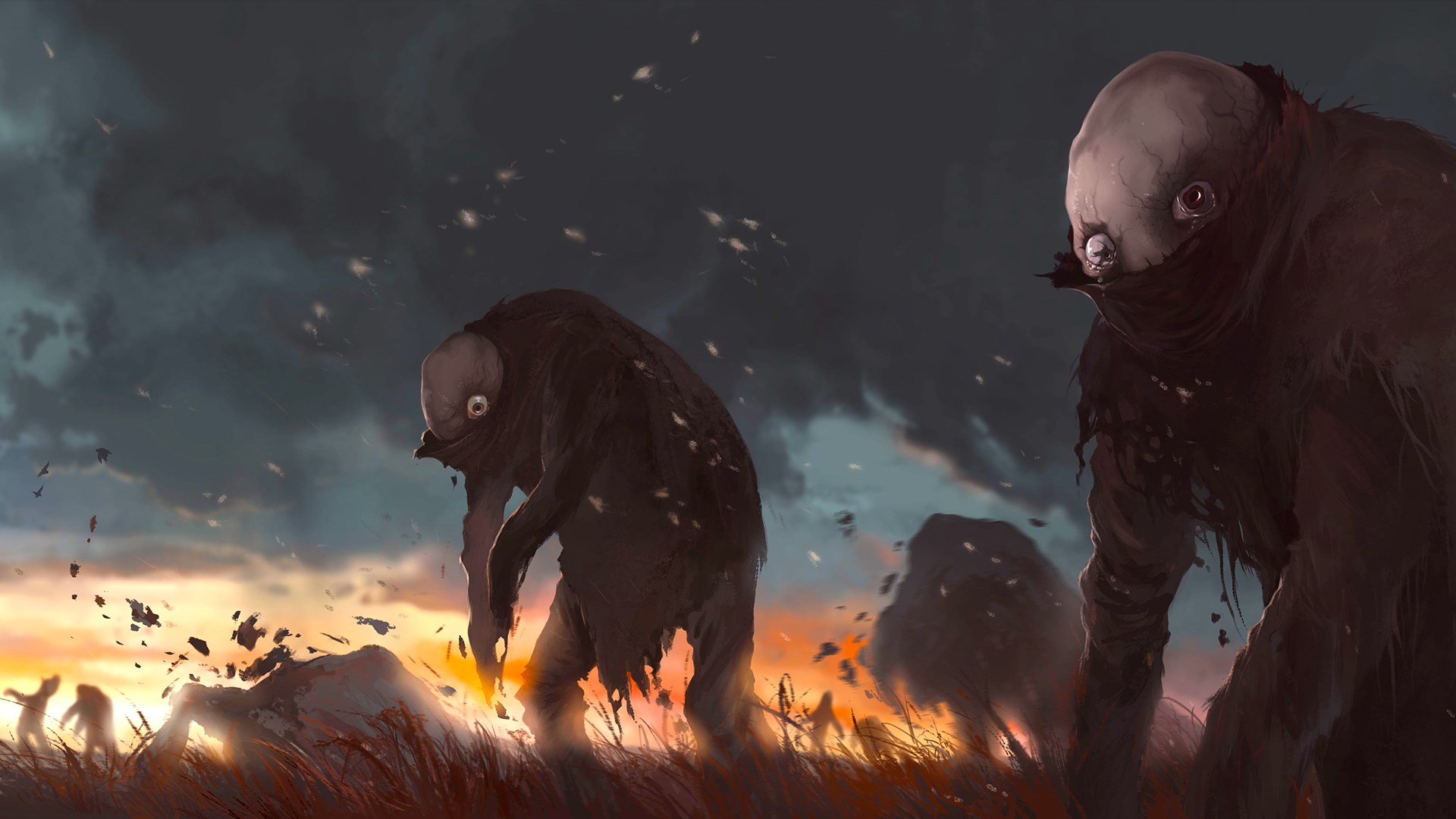
5. Pathologic 2
Released in 2019, this game isn't merely a sequel but a radical re-imagining of the 2005 original, intensifying its already bleak vision. It’s a survival horror RPG where failure is guaranteed, and every choice carries immense weight in a plague-ridden town. Its relentless difficulty, philosophical narrative, and deeply unsettling atmosphere create an experience designed to challenge and provoke, not entertain in the traditional sense. It's a game that respects your intelligence by rarely offering easy answers.
6 / 12
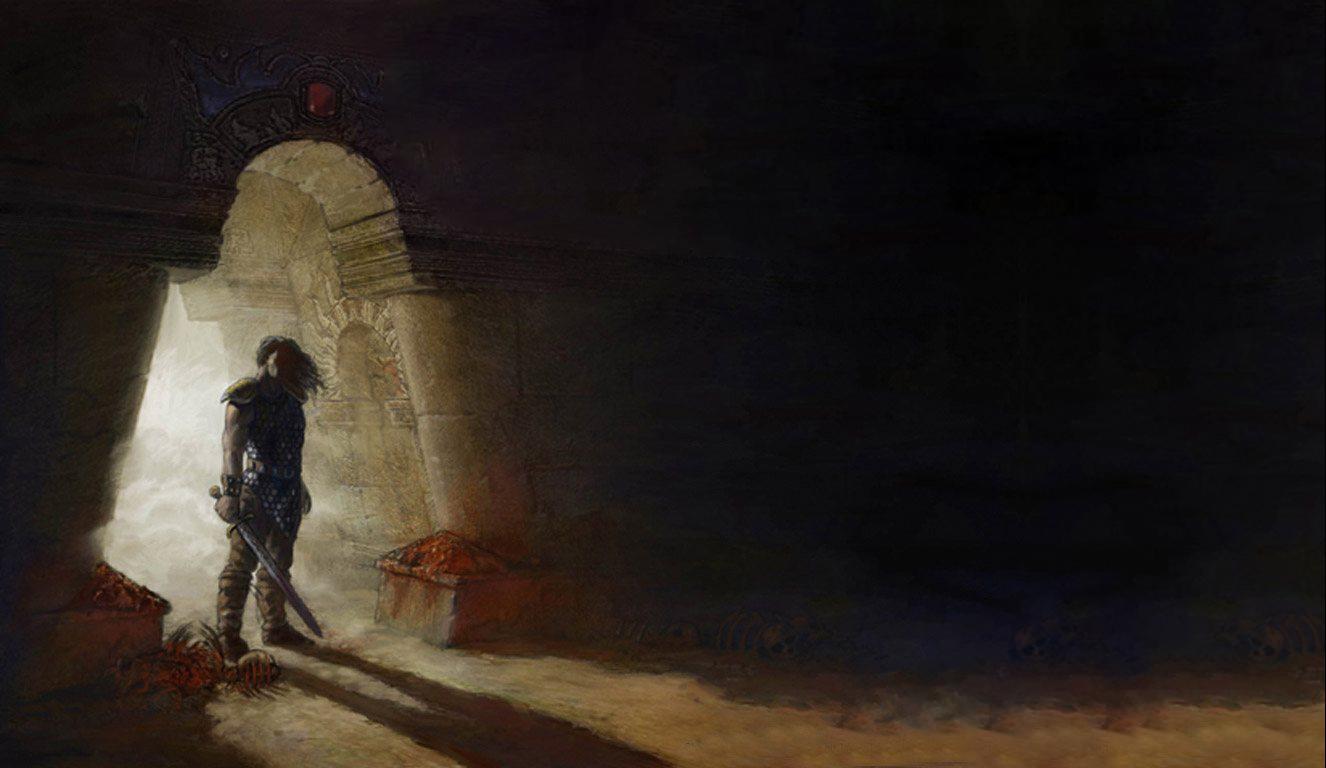
6. Arx Fatalis
Arkane Studios' 2002 debut presented a subterranean fantasy world where the sun had died, forcing humanity underground. This immersive sim offered unparalleled player freedom, from its unique rune-drawing magic system to its intricate environmental interactions. It was a spiritual successor to Ultima Underworld, emphasizing emergent gameplay and deep role-playing in a dark, oppressive setting. Often overlooked in favor of later Arkane titles, it laid foundational groundwork for their distinctive design philosophy.
7 / 12
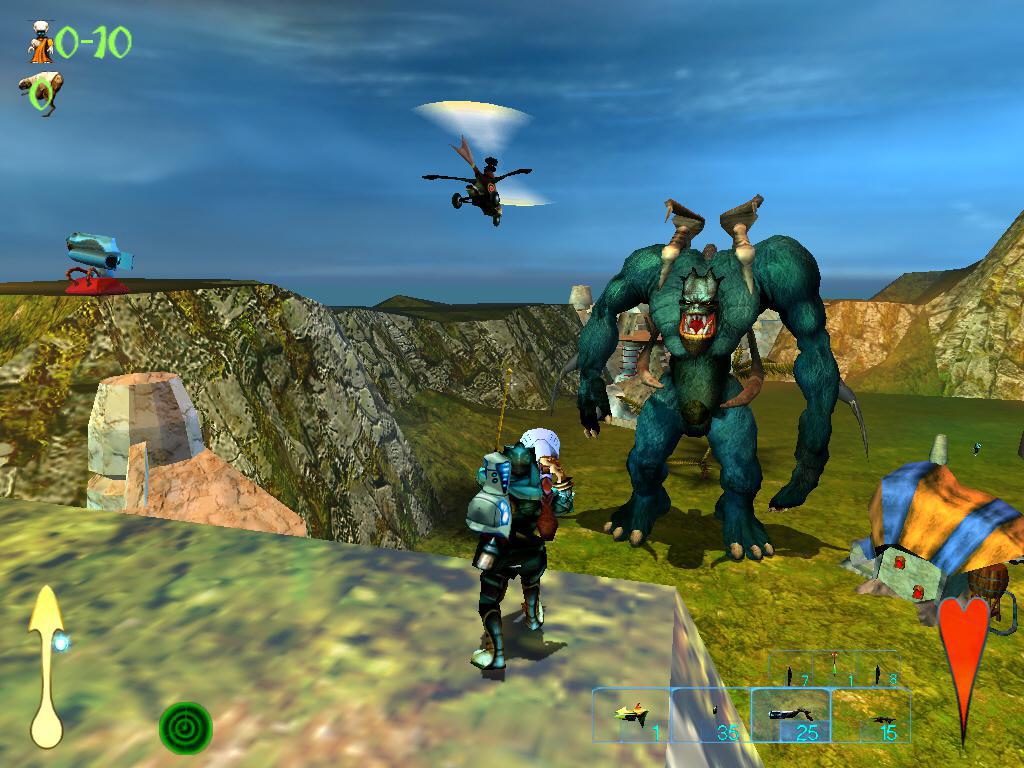
7. Giants: Citizen Kabuto
Shiny Entertainment’s 2000 title was a bold, irreverent hybrid, blending third-person action, real-time strategy, and platforming across three wildly different campaigns. Playing as a jet-skiing 'Sea Reapers', a lumbering 'Kabuto', or a tech-savvy 'Meccaryn', it offered constant surprises. Its quirky humor, vibrant world, and innovative multi-genre approach made it a memorable, if somewhat chaotic, experience. A cult classic that truly pushed the boundaries of what a game could be at the turn of the millennium.
8 / 12
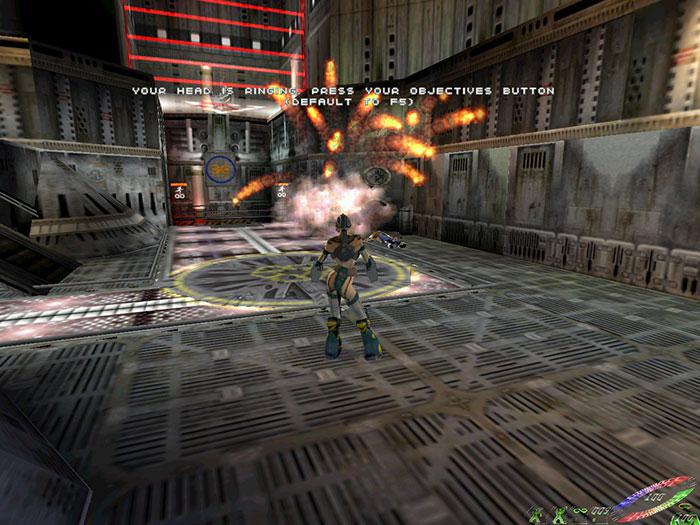
8. Messiah
Released in 2000, Shiny Entertainment's other offering that year, Messiah, was a dark, controversial action-adventure. Players controlled Bob, a cherubic angel possessing other characters to solve puzzles and overcome obstacles in a dystopian, demon-infested future. Its innovative body-swapping mechanic was central to gameplay, alongside its gritty, provocative themes and early use of ragdoll physics. A technically ambitious and unsettling experience that was perhaps too edgy for mainstream success at the time.
9 / 12

9. Total Annihilation: Kingdoms
Cavedog Entertainment’s 1999 follow-up to the acclaimed Total Annihilation, Kingdoms traded sci-fi for high fantasy. While sharing the same robust engine and massive unit counts, it brought a distinct magical flair and a more intricate, character-driven narrative. Its real-time strategy depth, diverse factions, and impressive scale were commendable, though it never quite captured the original's widespread acclaim. Still, a unique RTS entry that deserves remembrance for its ambition and distinct world-building.
10 / 12
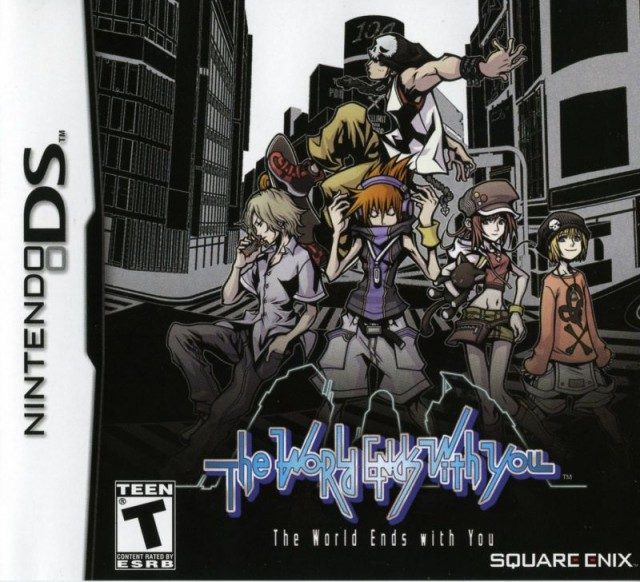
10. The World Ends With You DS
This 2007 Nintendo DS gem redefined what an RPG could be on a handheld. Set in a stylish, bustling Shibuya, its innovative dual-screen combat system, where players controlled two characters simultaneously, was truly unique. Combined with a killer soundtrack, a deeply philosophical narrative about identity and connection, and an unforgettable art style, TWEWY was a bold, experimental experience. It's a testament to creative handheld design, delivering an urban fantasy unlike any other.
11 / 12
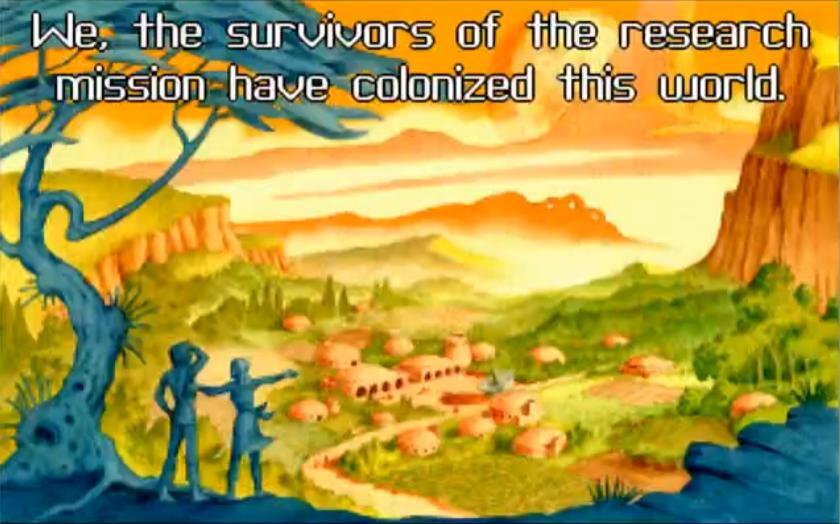
11. Star Control 2
The 1992 PC release of Star Control 2, subtitled "Ur-Quan Masters," set an impossibly high bar for space exploration games. Its blend of open-ended exploration, branching dialogue, strategic ship combat, and deep lore created a universe teeming with personality and wonder. Every alien race felt distinct, every planet held secrets, and the overarching narrative was epic in scope. It’s a foundational text for science fiction gaming, still revered for its non-linear freedom and rich storytelling.
12 / 12
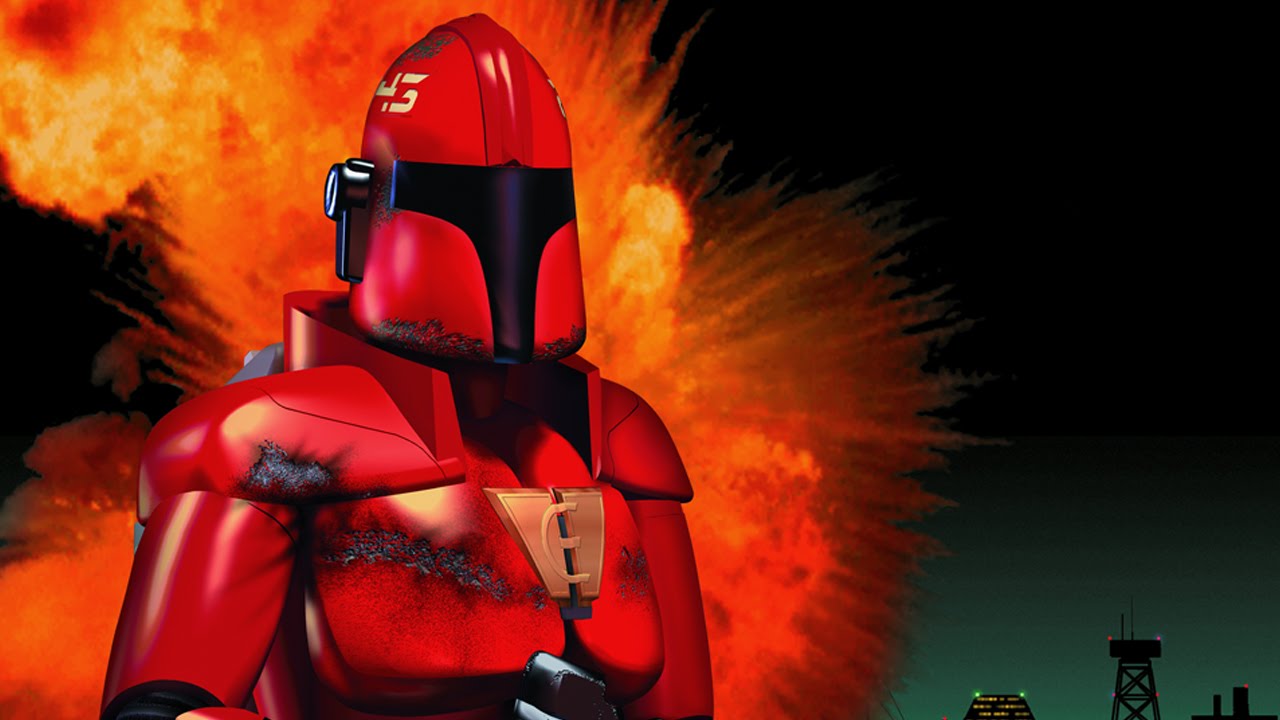
12. Crusader: No Remorse
Origin Systems' 1995 isometric shooter was a visceral, highly destructive action game set in a grim, cyberpunk future. As a renegade "Silencer," players unleashed chaos with a vast arsenal, destroying environments with satisfying explosions. Its dark humor, responsive controls, and challenging level design made it stand out. This game pushed technical boundaries for its time, creating a sense of gritty atmosphere and explosive action that few titles could match, solidifying its cult status.