
1. Omnibus
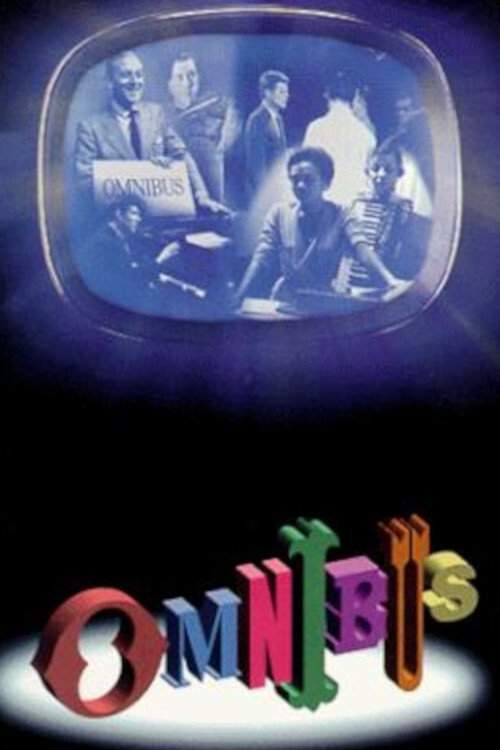
Oh, *Omnibus*. Before everything was chopped into soundbites, this was television trying to be smart, truly. It was live, often messy, but you saw actual talent wrestling with ideas, not just chasing ratings. They’d do a Shakespeare play, then a science lecture, all in one sitting. A real high-wire act, and you never quite knew what you'd get. That was the beauty of it, the sheer ambition of early broadcast.
2. The Untouchables
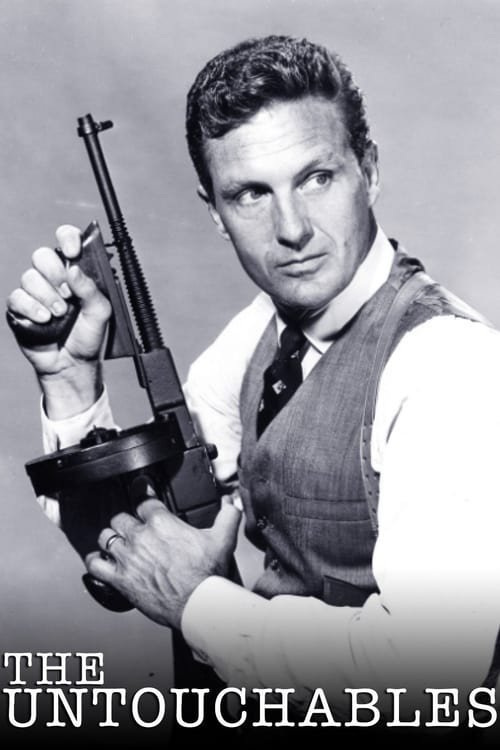
Now, *The Untouchables*, that was a show that grabbed you. Black and white, stark, with those hard-boiled narrations. Eliot Ness, always chasing Capone's men, and they never pulled punches. It was violent for its time, a real gritty look at crime, and you felt the weight of every punch, every bullet. This wasn't some cozy family drama; this was the streets, raw and unforgiving, brought right into your living room.
3. The Outer Limits
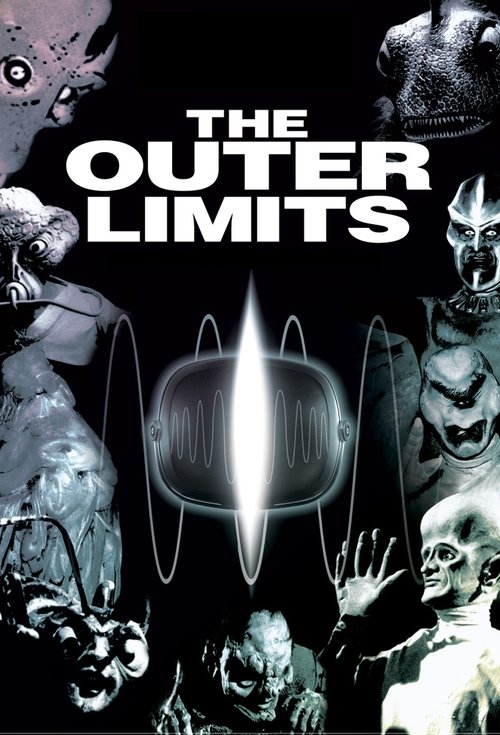
And *The Outer Limits*. Forget your little green men, this was science fiction with a brain, and often a very dark heart. Those opening narrations, the stark black-and-white photography, it just drew you in. Each week was a new tale, often more unsettling than thrilling, making you think about what it means to be human, or what might be out there. It really pushed the envelope for what TV could be.
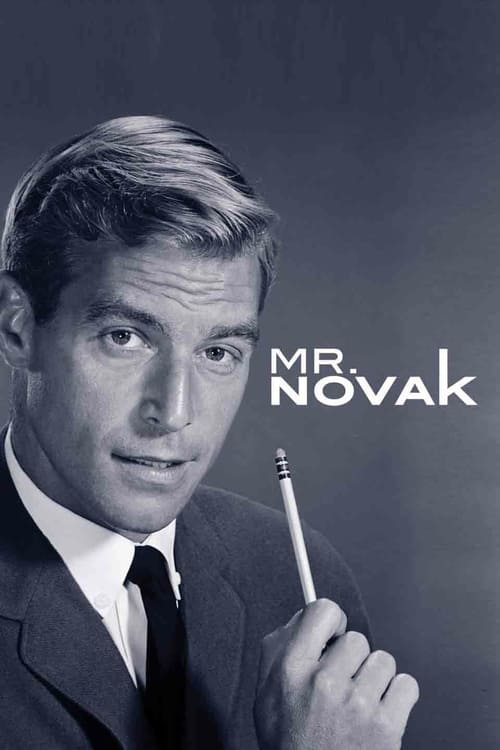
4. Mr. Novak
*Mr. Novak* had something to say. It was a school drama, yes, but it tackled some serious stuff for the early sixties – integration, delinquency, troubled kids. James Franciscus played the English teacher, trying to make a difference. It wasn't just about homework; it explored the issues bubbling up in society, sometimes a little heavy-handed, but always with good intentions. It felt like television trying to be responsible.
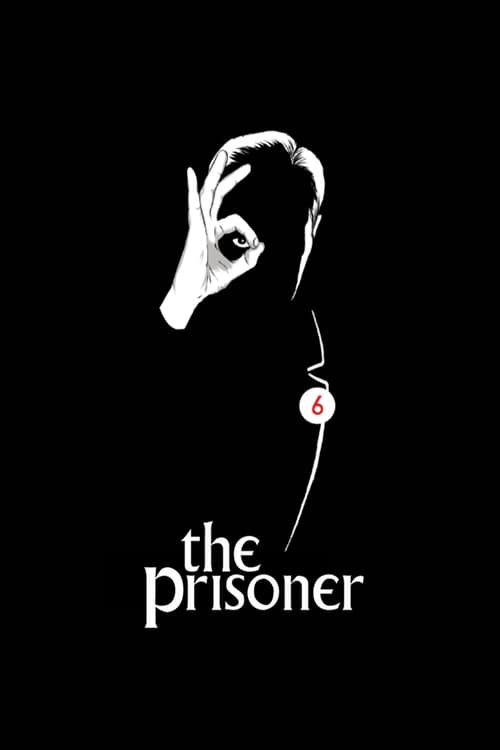
5. The Prisoner
*The Prisoner*. Oh, now that was something else entirely. Patrick McGoohan, trapped in "The Village," always fighting for his individuality. It wasn't a neat, tied-up-in-a-bow kind of show. It was strange, unsettling, and each episode built on the last, though you were never quite sure where it was going. They were experimenting with storytelling, making you question everything. A real head-scratcher, but in the best possible way.
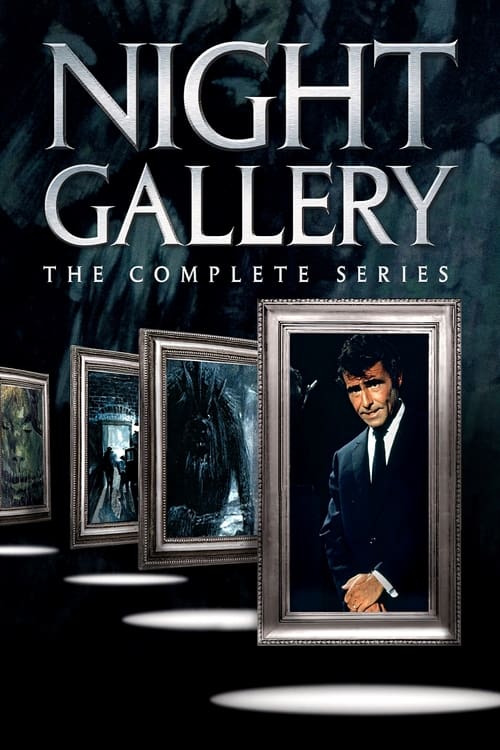
6. Night Gallery
Rod Serling again, but this time with *Night Gallery*. It leaned into the gothic and the supernatural, often with a twist you didn't see coming. Not always as sharp as his earlier work, but it still had that signature macabre touch, and some episodes were genuinely chilling. It proved that anthology television could still work, even when the stories were about haunted paintings or vengeful spirits.
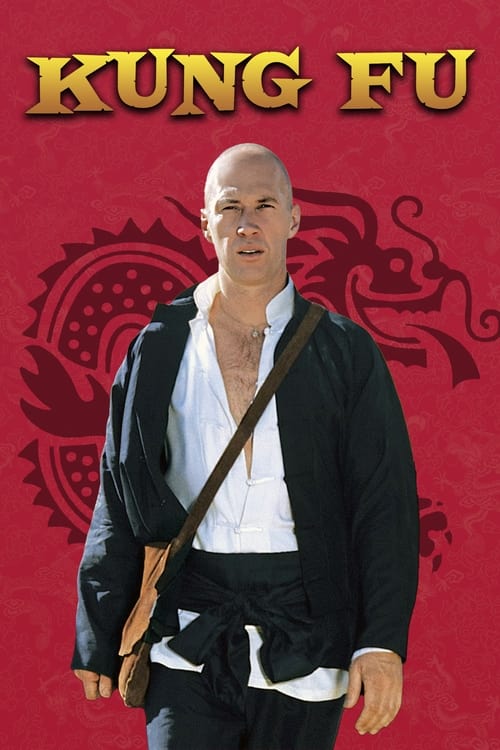
7. Kung Fu
*Kung Fu* was, well, it was different. David Carradine as the wandering Shaolin monk, Kwai Chang Caine, searching for his family, always getting into trouble but solving it with wisdom and martial arts. It had a spiritual bent, with those flashbacks to his training. For a network show, it felt almost meditative at times, a real departure from the usual shoot-em-up Westerns. And it looked good, too.
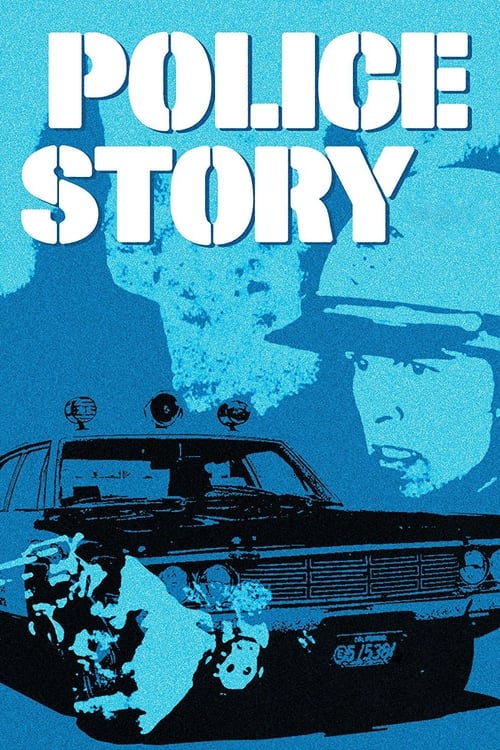
8. Police Story
Now, *Police Story* was the real deal. It wasn't some clean-cut cop show; it showed you the dirty, complicated lives of police officers, often from their perspective. Each episode felt like a mini-movie, with different actors, different situations. It was raw, authentic, and you got a sense of the grind, the moral ambiguities. It really changed how we saw law enforcement on television.
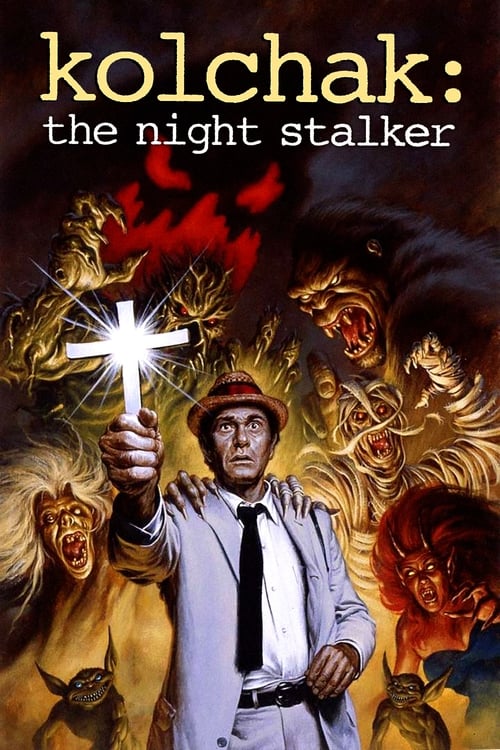
9. Kolchak: The Night Stalker
*Kolchak: The Night Stalker*. Darren McGavin as the rumpled reporter, always stumbling onto vampires, werewolves, and all sorts of ghoulish things in everyday Chicago. It had a B-movie charm, a bit campy, but genuinely creepy sometimes. He was the ultimate underdog, battling bureaucracy and monsters. It was a fun, often scary, ride that felt like a black-and-white horror flick brought to living color television.

10. Soap
*Soap* caused quite a stir, didn't it? A sitcom, but played like a daytime drama, with cliffhangers and outrageous storylines. You had gay characters, extramarital affairs, alien abductions – all pushed to the absolute limit for laughs. It was daring, pushing boundaries, and definitely not for everyone. But it showed that a comedy could be serialized and utterly unpredictable, week after week.
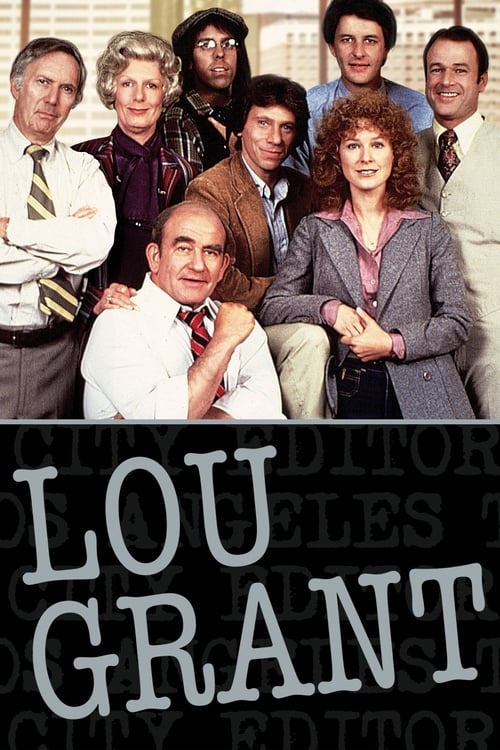
11. Lou Grant
And *Lou Grant*. Taking a beloved character from a sitcom and putting him in a serious drama about a newspaper? That was a bold move. It wasn't just about deadlines; it tackled real-world issues, journalism ethics, and the struggles of a city newspaper. Ed Asner brought such gravitas. It proved that television could evolve characters and tell important stories, without being preachy.

12. Wiseguy
*Wiseguy*. This was television really getting ambitious with its storytelling. Instead of a new bad guy every week, they'd spend an entire arc, sometimes six or eight episodes, on one criminal organization. It let you dive deep into the characters, the motivations, the whole underworld. Ken Wahl was great, and it felt like a novel playing out on screen, a real step forward for serialized drama.