

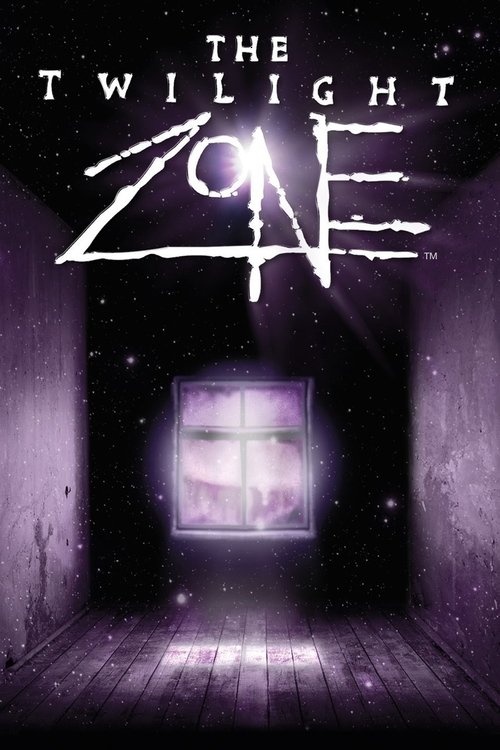
1. The Twilight Zone
There was nothing quite like it, a real mind-bender that often made you question reality itself. Each week offered a new, self-contained story, usually with a chilling twist. It wasn't just monsters and aliens; often, the true horror was human nature. And that stark black-and-white photography? It just added to the unsettling, dreamlike quality. A true masterclass in anthology storytelling that still holds up.
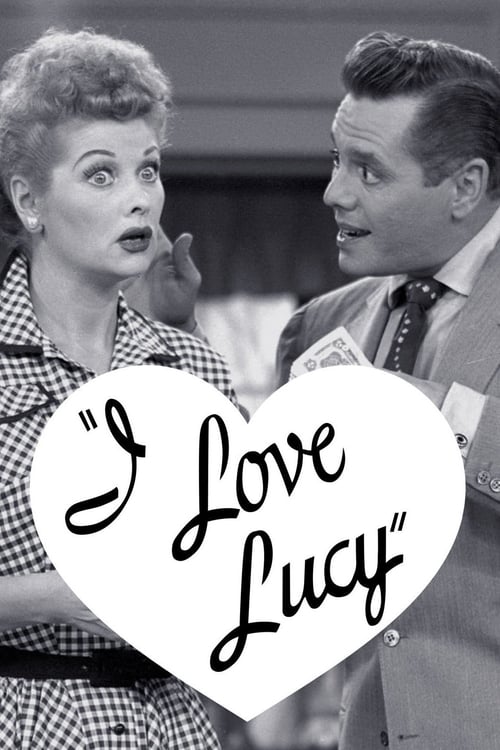
2. I Love Lucy
Oh, that Lucy! This show practically invented the modern sitcom with its live studio audience and meticulously choreographed physical comedy. Lucille Ball and Desi Arnaz were a whirlwind. You could practically feel the energy bouncing off the screen, even through the old kinescopes. It was pure, unadulterated escapism, proving that marital hijinks could be both uproarious and utterly endearing. A broadcast staple for good reason.

3. The Ed Sullivan Show
Sunday nights meant gathering around for Ed. Where else could you see rock and roll stars, opera singers, plate spinners, and puppets all on one stage? It was a true variety show, a live broadcast spectacle that captured a cross-section of America's entertainment tastes. And for many, it was their first glimpse of new music or a foreign act. An absolute cultural touchstone, cementing its place in television history.
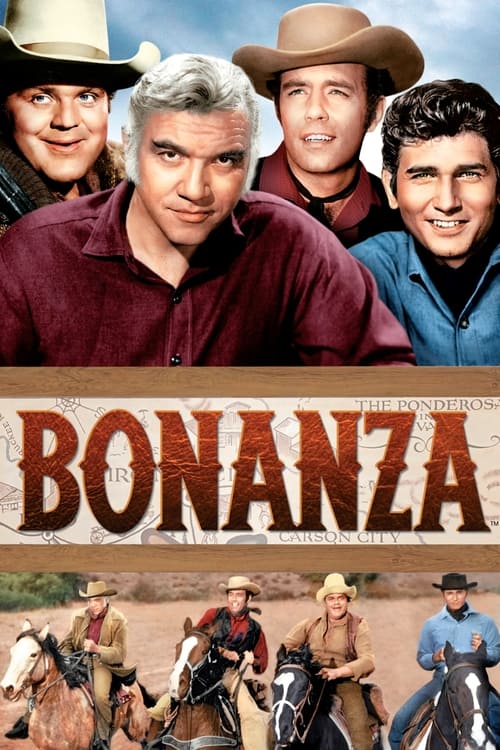
4. Bonanza
Moving from black-and-white to glorious color, this Western gave us the Cartwrights, a family you could always count on. It wasn't just shoot-outs; the show often delved into moral dilemmas and community issues, all set against that stunning Ponderosa backdrop. For years, it was a primetime powerhouse, defining the family drama within the rugged frontier. And those opening credits, with the map burning? Iconic.
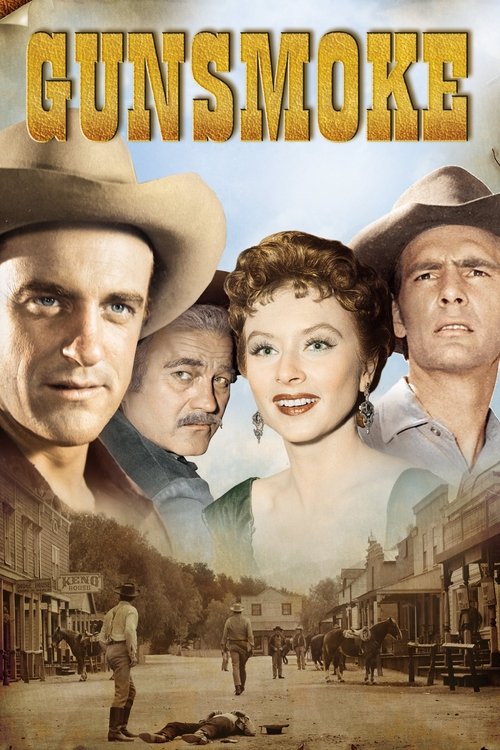
5. Gunsmoke
Marshal Dillon and Miss Kitty held Dodge City together for decades. This wasn't just another shoot-em-up; it was a character study, a slow burn that explored the harsh realities of frontier life. Starting in stark black-and-white, it evolved but never lost its moral compass. And the sheer longevity of it, anchoring CBS's Saturday night for what felt like forever, showed how deeply audiences connected.
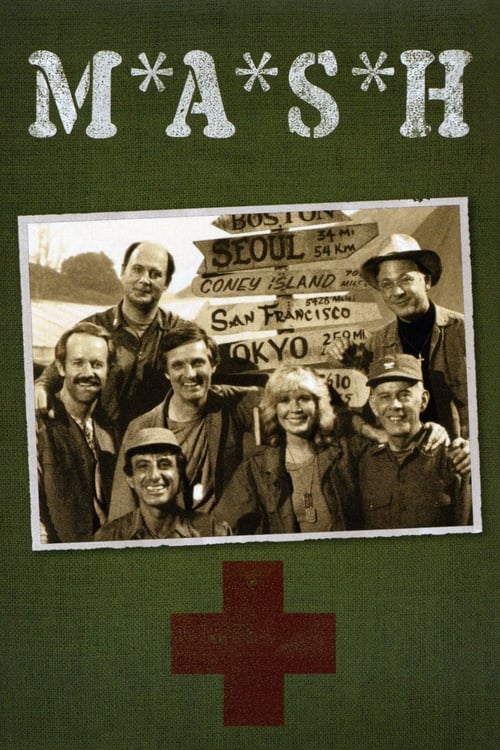
6. M*A*S*H
Here was a sitcom that could make you laugh one minute and tear up the next. It tackled heavy subjects with wit and heart, pushing the boundaries of what a half-hour comedy could achieve. The ensemble cast was just phenomenal, each character adding a unique flavor to the chaos of the 4077th. And the way it subtly built character arcs over its long run was quite pioneering for its time.

7. All in the Family
Archie Bunker stomped into our living rooms and sparked conversations like no other. This show dared to confront bigotry and social change head-on, often uncomfortably. It was a sitcom, sure, but it felt more like a weekly debate in your own home. The writing was sharp, the performances fearless, and its impact on broadcast television, proving comedy could be provocative, was simply undeniable.
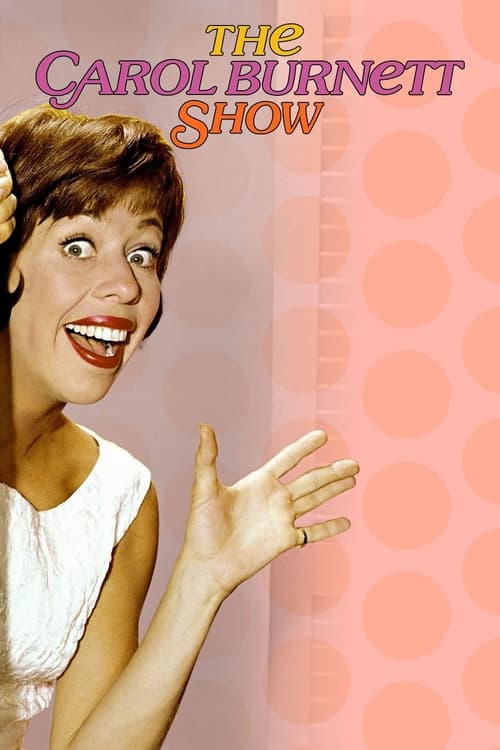
8. The Carol Burnett Show
Pure, unadulterated joy and belly laughs every Saturday night. Carol and her incredible troupe were masters of sketch comedy, from elaborate musical numbers to those unforgettable, side-splitting movie parodies. It felt live, spontaneous, and utterly infectious. And that signature ear tug? A simple gesture that became a beloved sign-off, reminding us of the genuine warmth and talent on display.
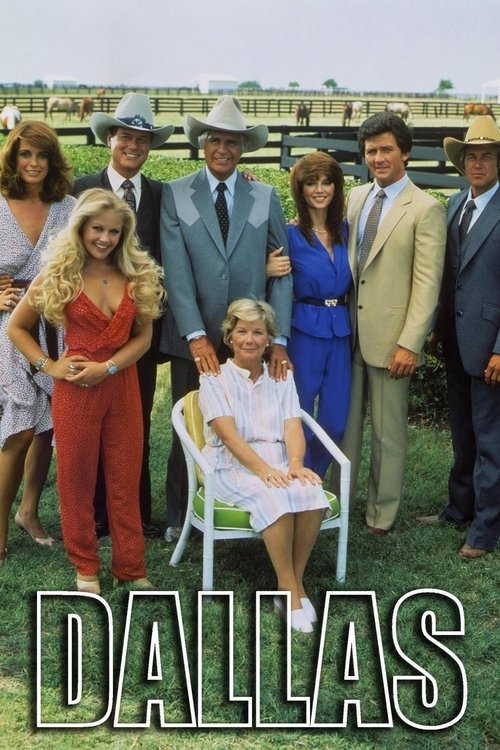
9. Dallas
"Who shot J.R.?" That question gripped the nation, a testament to this show's mastery of the primetime soap opera. It was grand, glamorous, and wonderfully melodramatic, ushering in an era of serialized storytelling where every episode left you wanting more. The Ewings were larger than life, battling for oil, power, and family secrets. It created a blueprint for long-form continuity on network television.
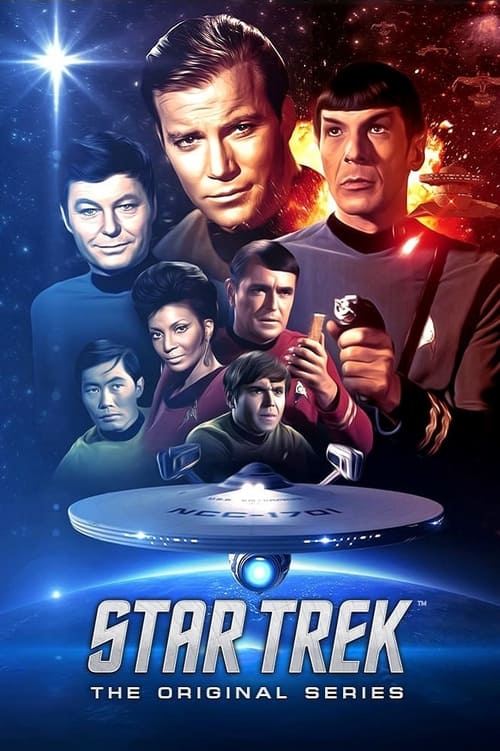
10. Star Trek
Boldly going where no broadcast show had gone before, offering more than just spaceships and ray guns. Gene Roddenberry's vision presented an optimistic future while subtly tackling social issues of its day. Each week was a new adventure, often feeling like a contained morality play. And while it took a while for it to truly catch on, its influence on science fiction and television was immense.
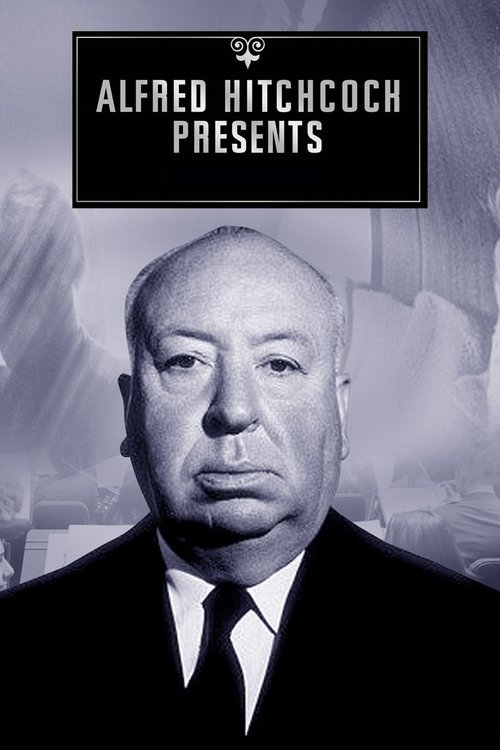
11. Alfred Hitchcock Presents
The master of suspense himself, introducing a weekly dose of chilling, perfectly crafted tales. These weren't always horror; often, they were psychological thrillers with that signature twist ending. The black-and-white cinematography added to the stark, unsettling atmosphere. It showed how much tension could be built in a short format, proving that smart writing and direction could scare you silly.
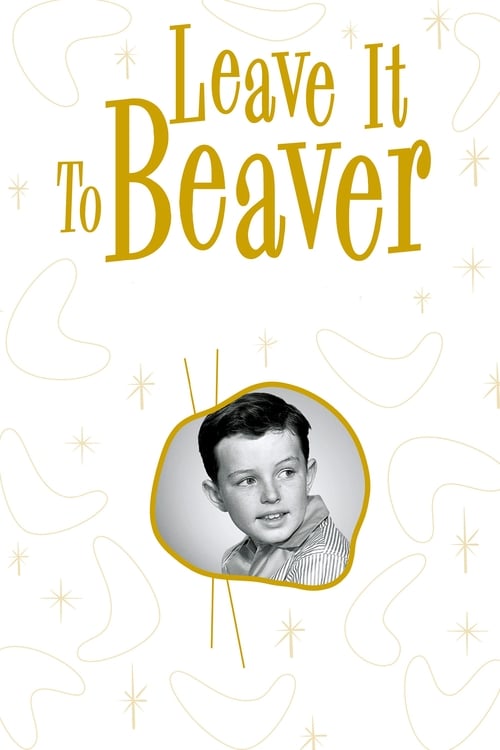
12. Leave It to Beaver
A quintessential slice of 1950s and 60s suburban life, offering gentle humor and moral lessons. Beaver Cleaver's innocent scrapes and Ward and June's patient guidance provided a comforting, wholesome view of childhood. It was a simple, well-made sitcom that resonated with families across the country, showing that everyday dilemmas could make for charming and enduring television. A true classic of its era.