
1. Thriller
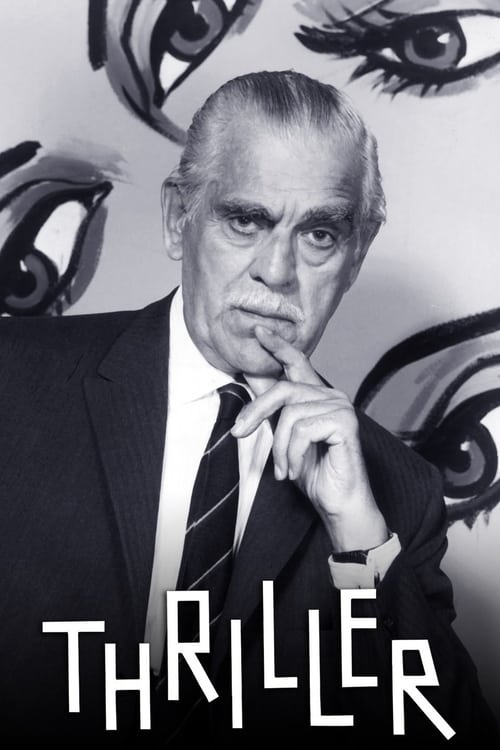
Now, "Thriller" back in '60, that was something. Boris Karloff, you know, setting the stage, every week a new nightmare. And they weren't shy about it, either, really leaning into the macabre. Those shadows, the camera angles, it felt like a stage play, but on your own console. It proved that television could truly be unsettling, not just a cozy diversion. A real testament to atmosphere, even with all the limitations. Made you pull that blanket tighter, didn't it?
2. East Side/West Side
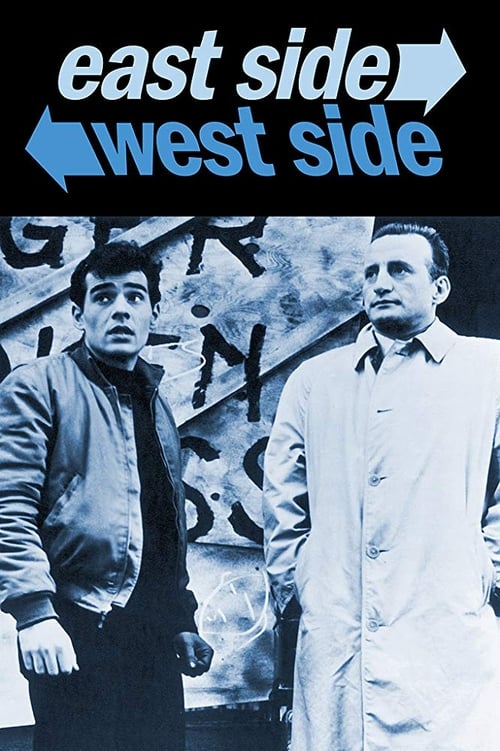
"East Side/West Side" in '63, that was a jolt. George C. Scott playing a social worker, tackling the hard stuff in New York. This wasn't your usual escapism; it was raw, uncompromising. And in black and white, it felt even more stark, more real. They didn't shy away from the tough issues, which was quite something for the networks then. It dared to show the less glamorous side of life, pushing the boundaries of what a drama series could actually achieve on the small screen.
3. Coronet Blue
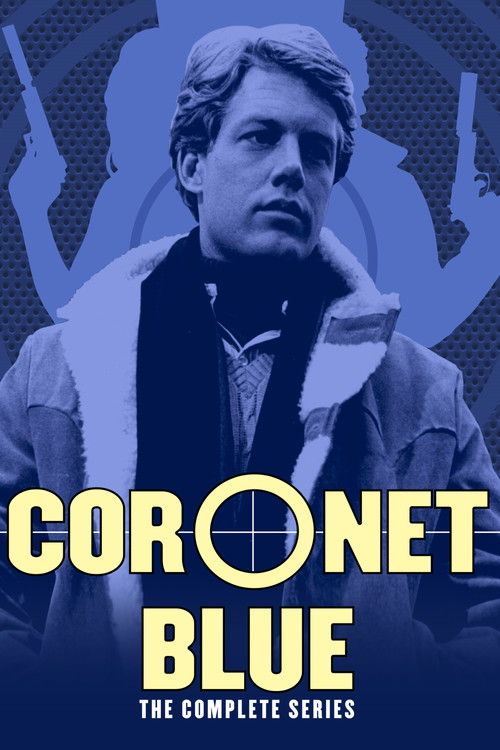
"Coronet Blue," from '67, now that was a curious one. A man wakes up with amnesia, only remembers "Coronet Blue," and everyone's after him. A true serialized mystery, before that was commonplace. And yet, it ended abruptly, leaving viewers hanging. Still, it showed ambition, a willingness to stretch a story over many weeks, building suspense bit by bit. It was a shame they never finished it, but the attempt itself was a significant step for television's narrative reach.
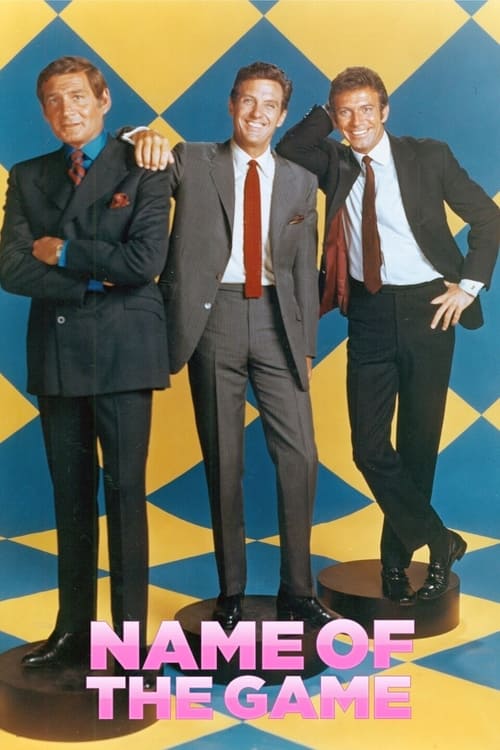
4. The Name of the Game
"The Name of the Game," out of '68, felt like three movies every month. Big stars like Tony Franciosa, Robert Stack, Gene Barry, each taking a turn leading an investigation for a publishing empire. And it was lavish, filmed on location, really trying to mimic the big screen experience. This "wheel series" format, it was a grand experiment in continuity and rotating leads. It expanded what an hour-long program could be, offering variety while still holding onto a central premise.
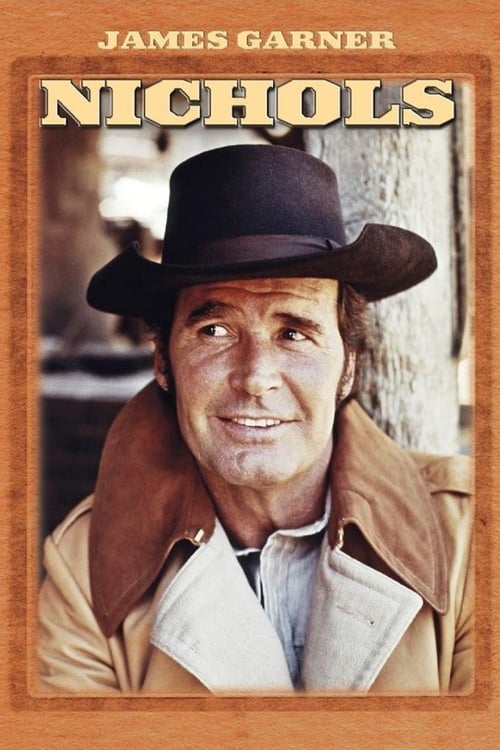
5. Nichols
James Garner in "Nichols," 1971. A Western, but not your father's Western. He didn't carry a gun, rode a motorcycle, and was always trying to get out of trouble rather than into it. It had a dry wit, a bit of an anti-establishment vibe, which was quite fresh. It bucked the usual cowboy tropes, offering a more nuanced, almost reluctant hero. Perhaps a bit too smart for its time, it proved that the genre could evolve beyond simple shootouts.
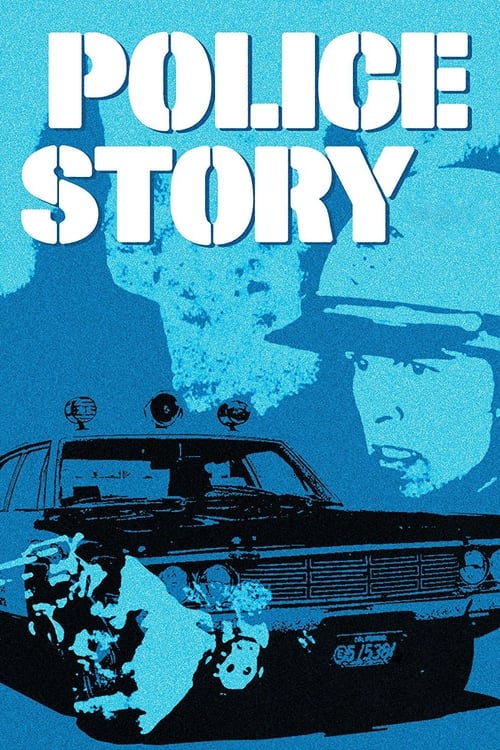
6. Police Story
"Police Story," from '73, was a groundbreaking look at police work. No simple good guys and bad guys here; it explored the daily grind, the moral ambiguities, the sheer pressure. And they got real police officers to consult, which lent it a grittiness you hadn't seen much of. Each week, a different story, often with big-name guest stars. It was a serious effort to portray law enforcement with a depth that was truly new for the medium, setting a standard.
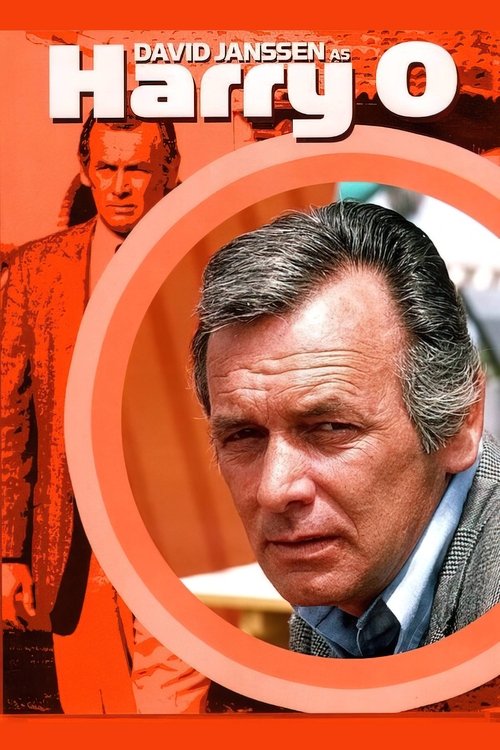
7. Harry O
"Harry O" in '74, starring David Janssen, was a different kind of detective show. Harry, a former cop, was often laid up with an old injury, doing his sleuthing from a beachfront cottage. It had a melancholic, almost reflective tone, a quiet intelligence. And Janssen, he brought a weariness to the role that was compelling. It proved you didn't need car chases every week to make a compelling mystery. Sometimes, observation and thought were enough.
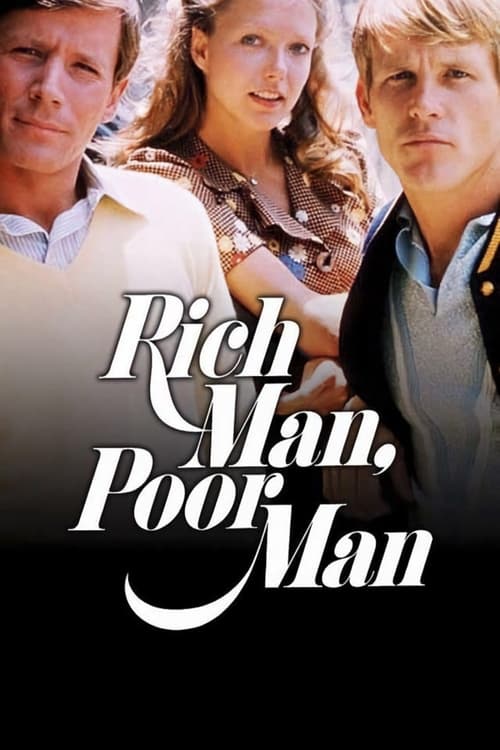
8. Rich Man, Poor Man
"Rich Man, Poor Man," 1976, that was a television event. A true miniseries, adapting a sprawling novel, following the Jordache brothers for years. It showed that audiences would commit to a story told over multiple nights, not just a single episode. And it was a huge gamble for the networks, but it paid off in spades, proving the appetite for ambitious, long-form narratives. It practically invented the concept of the "event series" for millions of viewers.
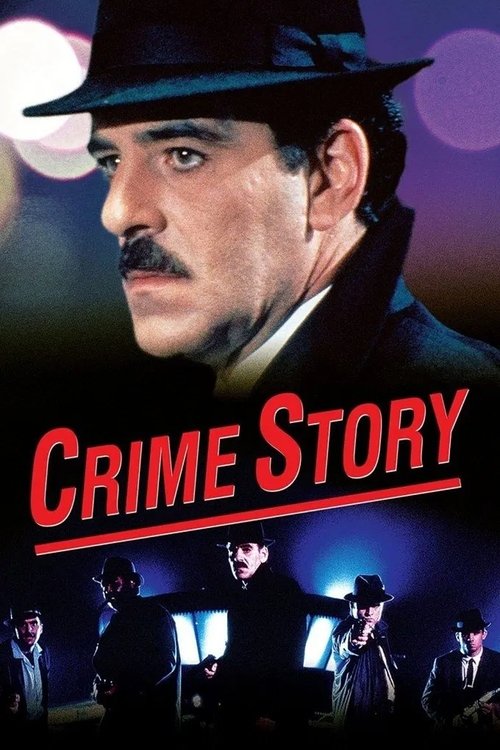
9. Crime Story
"Crime Story," 1986. Michael Mann brought his cinematic touch to the small screen with this one. A serialized crime drama set in the early '60s, following a cop and a gangster locked in a long, personal battle. It had style, a dark edge, and wasn't afraid to let storylines run for weeks, even months. This wasn't a neat package every episode; it was an ongoing saga, a stark precursor to the serialized storytelling that would later dominate.
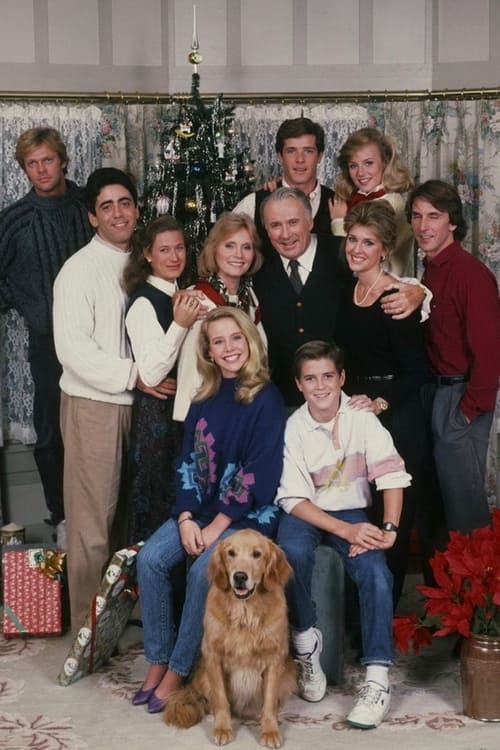
10. A Year in the Life
"A Year in the Life," 1987, started as a powerful miniseries and then continued as a regular show. It followed a family through various struggles, really digging into their lives with a sense of continuity. This wasn't your typical sitcom family; these were complex, often messy relationships. It showed how a serialized drama could evolve from a limited run into something more sustained, retaining its depth and emotional resonance. A bold move, bridging formats effectively.
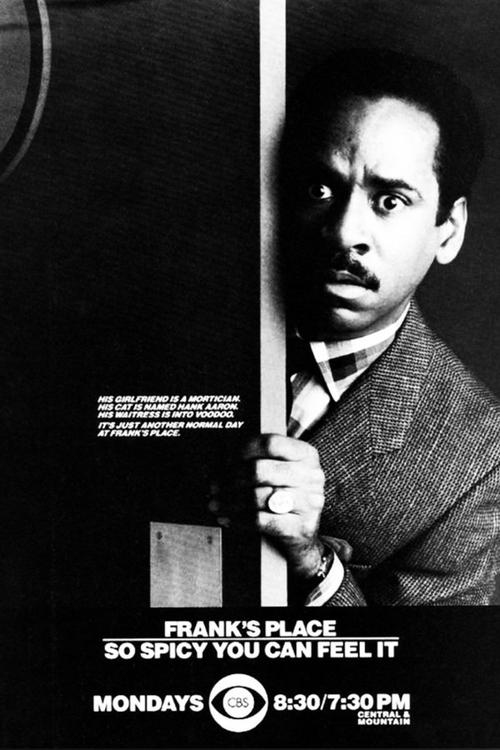
11. Frank's Place
"Frank's Place," 1987, was a gem, but maybe too smart for its own good. It was a sitcom, yes, but without a laugh track, and often very dramatic. Set in a New Orleans restaurant, it blended humor with genuine character development and serialized plots. This wasn't punchline TV; it was atmospheric, nuanced, and dared to be different. It tried to push the boundaries of what a half-hour comedy could be, showing a more sophisticated path.
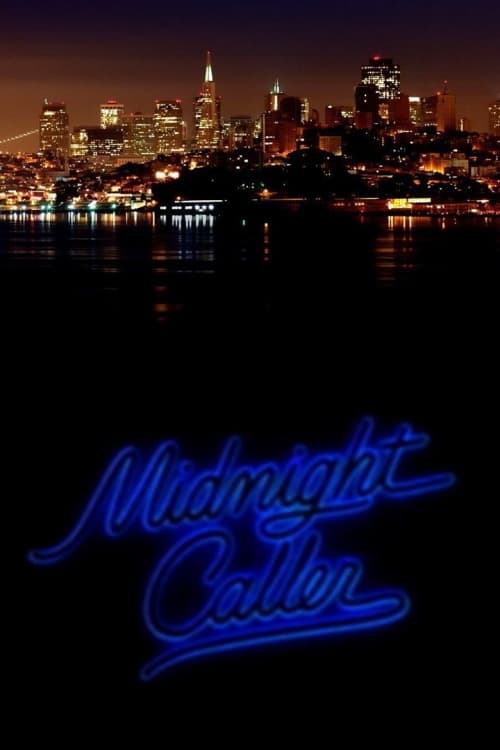
12. Midnight Caller
"Midnight Caller," from '88, put a former detective on late-night radio, solving problems and confronting societal ills over the airwaves. It was a darker show, tackling some pretty heavy topics for its time, often with a raw, immediate feel. And it explored the power of media, how a voice could reach out to a troubled world. It wasn't always comfortable viewing, but it certainly pushed the envelope for drama, engaging with contemporary anxieties directly.