
1 / 12
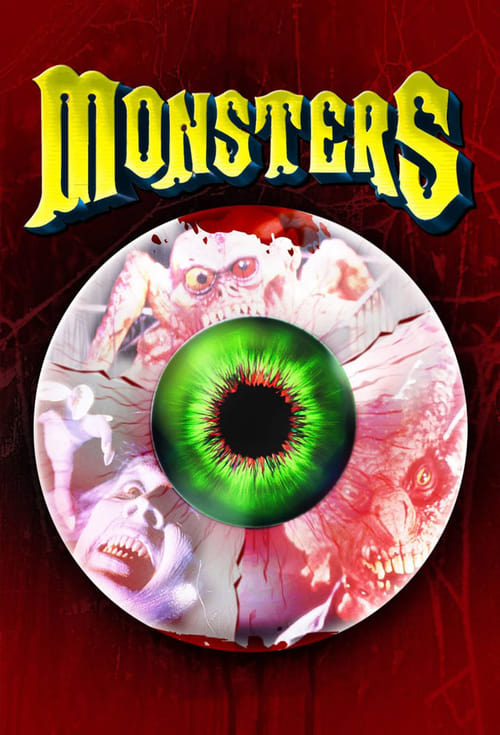
1. Monsters
This syndicated horror anthology was pure Saturday night gold. Forget CGI, Monsters gave us rubber suits and stop-motion nightmares that felt real, even when they were obviously not. Each episode was a mini-movie, often with some wild, twisted punchline. It was low-budget, yeah, but that just made the creature design more inventive. And the theme song? Absolutely iconic, a proper 80s synth-rock earworm. It’s what you watched when you were too young for the real scary stuff but wanted to feel like you were getting away with something.
2 / 12

2. VR.5
VR.5 was way ahead of its time, a true mind-bender about a woman who could hack reality through virtual reality. The visual effects were a weird blend of early computer graphics and analog video distortion, creating this hypnotic, dreamlike atmosphere. It had a conspiracy arc, sure, but it was the surreal, almost Lynchian vibe and the existential questions about reality that really stuck with you. It was a proper proto-cyberpunk soap opera, confusing and brilliant in equal measure.
3 / 12
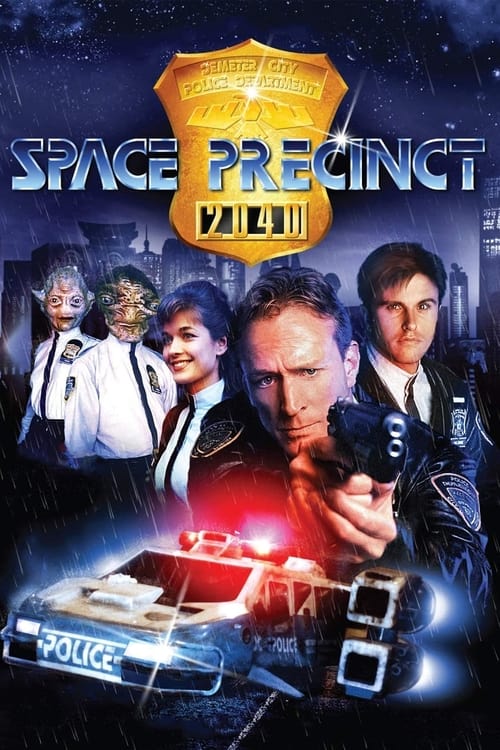
3. Space Precinct
Gerry Anderson went live-action, but kept the charm of his earlier puppet shows with Space Precinct. This was pure sci-fi cop procedural, but in space, with aliens and fantastic practical effects for the creatures and vehicles. The sets were sprawling, full of neon and grimy detail. It felt like a British B-movie sci-fi flick stretched into a series, a bit silly, but utterly earnest in its world-building. That blend of serious police drama with alien puppets was just wild.
4 / 12

4. Forever Knight
A vampire cop in Toronto, trying to atone for centuries of bloodlust while fighting crime – what's not to love? Forever Knight was dark, moody, and deeply romantic, playing like a supernatural noir. The flashbacks to his past lives gave it that soap-operatic sweep, full of longing and tragedy. Nick Knight was the ultimate conflicted anti-hero, always wrestling with his inner beast. It was syndicated gold, a perfect blend of crime procedural and gothic melodrama.
5 / 12
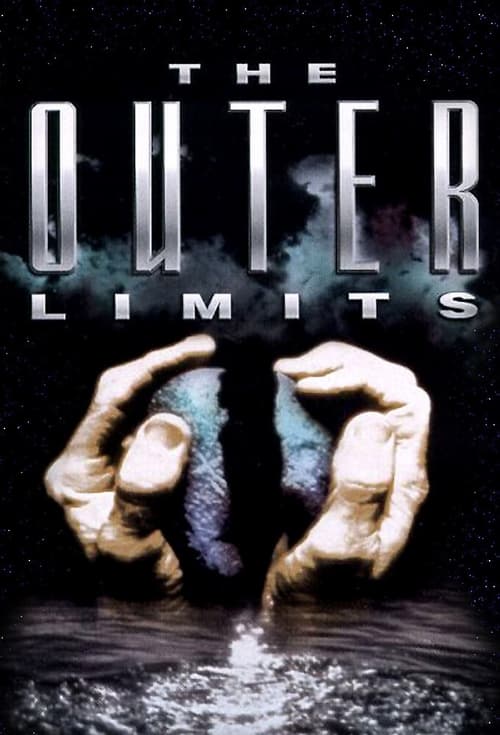
5. The Outer Limits
This revival hit hard, bringing back the dark, thought-provoking sci-fi anthology format. It was often grim, tackling themes of technology run amok, alien encounters, and human folly with a real bite. The practical effects and creature designs were often unsettling, and the twist endings usually left you disturbed. It wasn't always pretty, but it pushed boundaries and made you think about the darker side of progress. Peak 90s speculative fiction right here.
6 / 12

6. Sliders
Before the multiverse was cool, there was Sliders. Four people jumping between parallel Earths every week, each one a wild "what if" scenario. It was pure adventure, often campy, sometimes surprisingly dark, and always using its premise to explore alternate realities. The early seasons had this great sense of discovery and danger, before it got too repetitive. A proper proto-genre hybrid, blending sci-fi, adventure, and social commentary, all with a distinct 90s aesthetic.
7 / 12
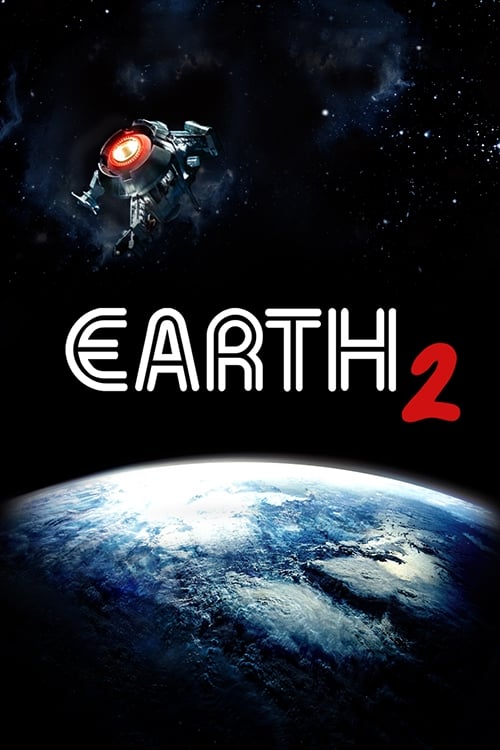
7. Earth 2
Earth 2 was ambitious, trying to do serialized sci-fi drama when networks mostly wanted episodic. A group leaves a dying Earth to colonize a new planet, facing alien life and harsh landscapes. It was slow-burn and atmospheric, focusing on survival and the ethical dilemmas of colonialism. The practical alien designs were eerie, and the sense of isolation was palpable. It felt big-budget for its time, a true attempt at epic sci-fi storytelling that probably deserved more time.
8 / 12
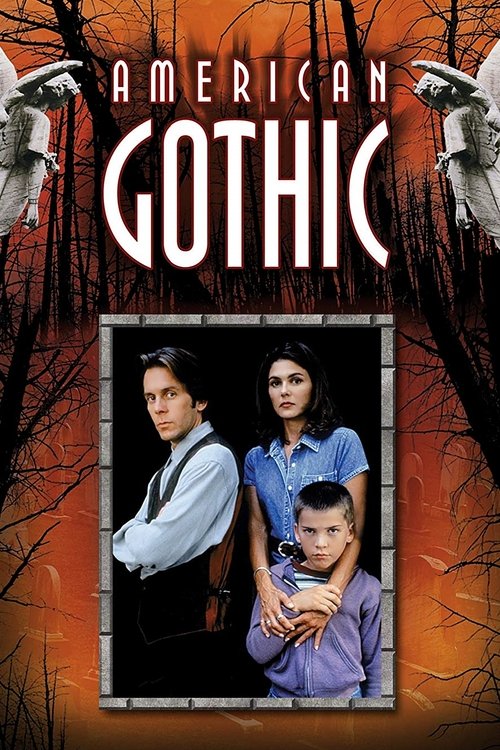
8. American Gothic
This show was pure, unadulterated Southern Gothic creepiness, dripping with atmosphere and evil. Gary Cole's Sheriff Lucas Buck was one of the most chilling villains ever on TV, literally the devil in a small town. It was dark, twisted, and full of supernatural horror, but also a deep dive into human depravity. The whole thing felt like a fever dream, playing with Christian mythology and folk horror in a truly unsettling way. It’s a proper cult classic for a reason.
9 / 12
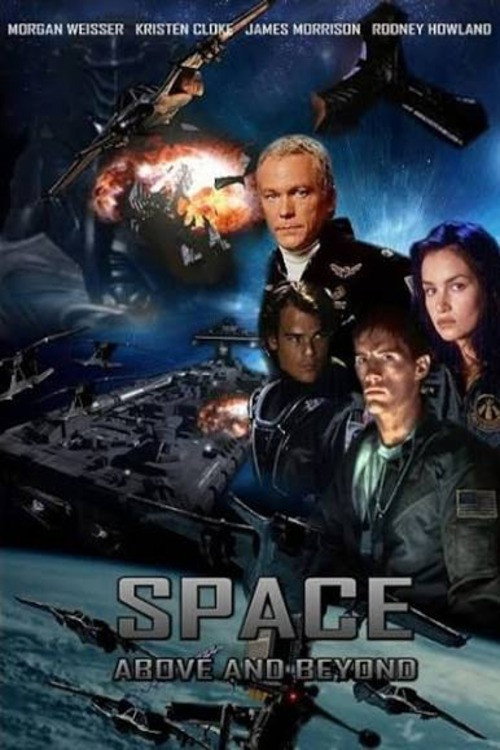
9. Space: Above and Beyond
This was a gritty, serialized military sci-fi drama that felt like "Starship Troopers" before the movie, but with more heart. Following a squad of space marines fighting an alien war, it didn't shy away from casualties or moral ambiguity. The ship designs were cool, the alien "Chigs" were menacing, and it had a real sense of epic scale and sacrifice. It was heavy, often bleak, but offered a mature take on war in space, a proper hard sci-fi gem.
10 / 12
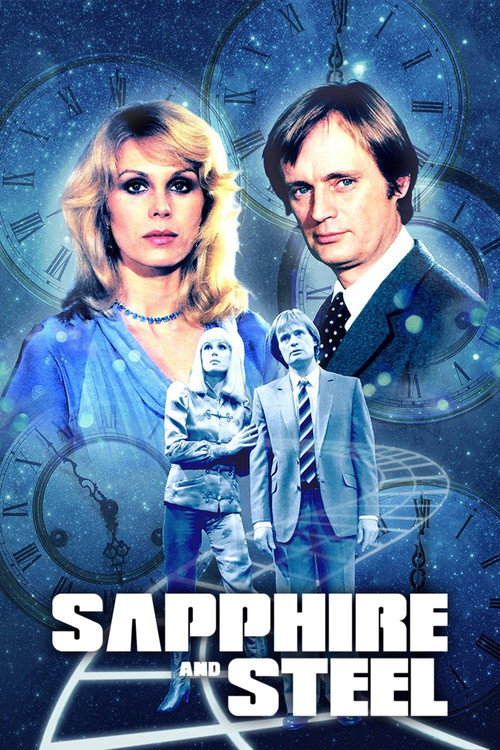
10. Sapphire & Steel
From the late 70s, Sapphire & Steel was British sci-fi that felt like nothing else. Two enigmatic agents, played by Joanna Lumley and David McCallum, dealt with temporal anomalies, often trapped in single locations. It was minimalist, deeply unsettling, and incredibly atmospheric, relying on psychological tension over flashy effects. The dialogue was cryptic, the plots were abstract, and it left you questioning everything. A truly experimental, proto-Lynchian mind-game.
11 / 12
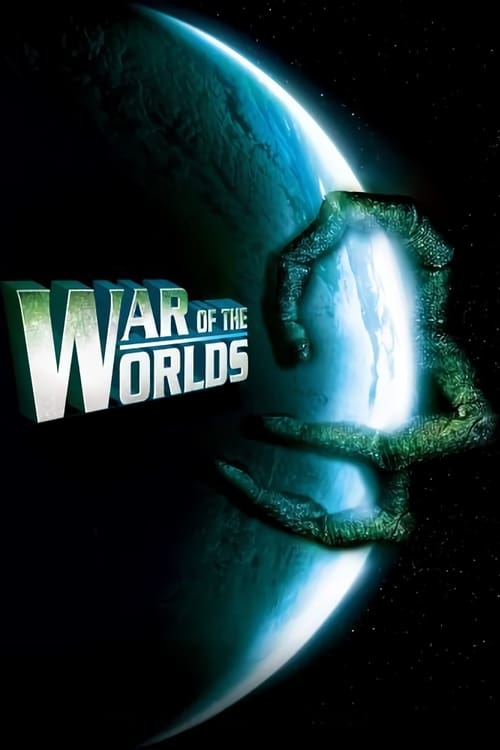
11. War of the Worlds
Picking up decades after the original H.G. Wells invasion, this show was a direct, grimy sequel to the 1953 movie. The aliens were back, possessing human bodies, and it was up to a small team to stop them. It was dark, often violent, and embraced its low-budget practical effects with gusto, making the alien body horror feel genuinely creepy. A syndicated gem that pushed the envelope for 80s TV horror, combining sci-fi paranoia with creature feature thrills.
12 / 12
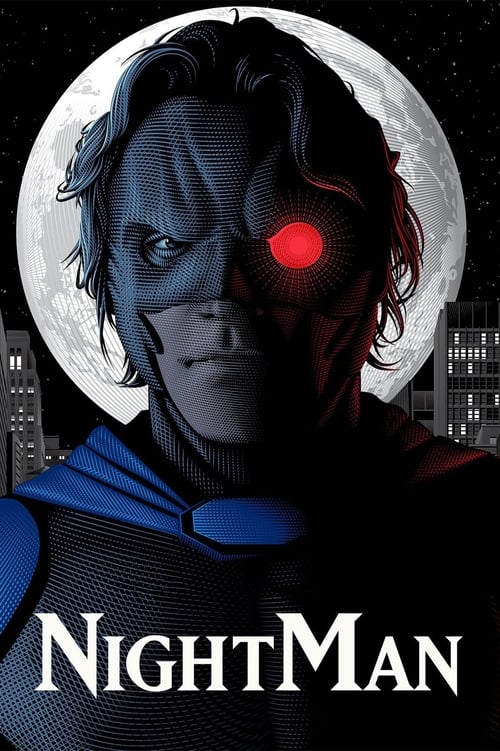
12. Night Man
Night Man was peak late-90s syndicated superhero weirdness. A jazz musician gets telepathic abilities after a lightning strike, battling villains with a high-tech suit. It was cheesy, sure, but it had a distinct proto-cyberpunk vibe with its tech and urban setting. The low-budget fights and sometimes questionable effects just added to its charm. It was Saturday afternoon escapism, a proper comic book come to life on a shoestring, and totally unforgettable for its sheer audacity.