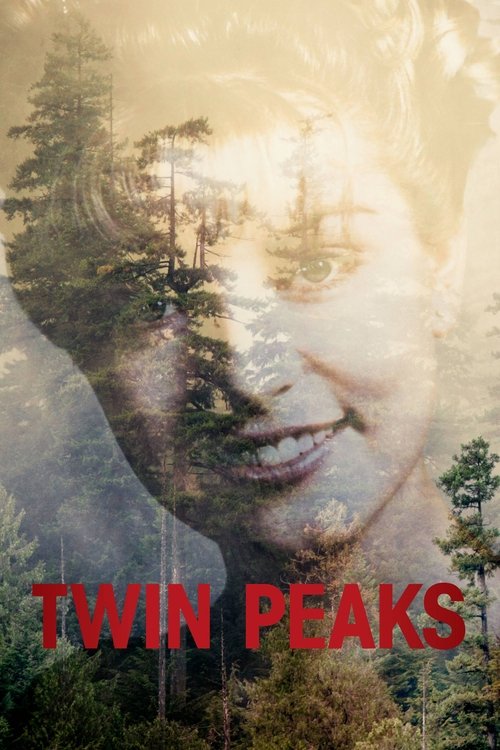
1. Twin Peaks
Before everyone was talking about prestige TV, David Lynch dropped this on network television. It was a bizarre, cinematic mystery, a small-town whodunit that spiraled into the surreal. Nothing on TV looked or felt like it, challenging audiences to accept ambiguity and a deeply atmospheric, serialized narrative. It truly broke the mold for what a network drama could be.
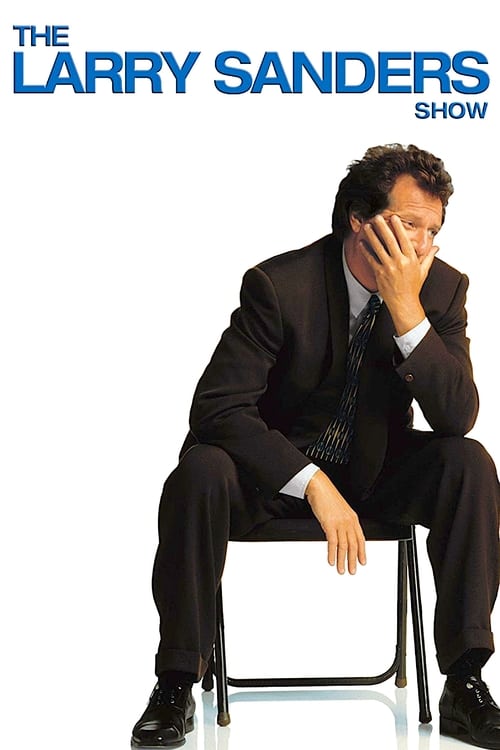
2. The Larry Sanders Show
This show was a masterclass in mockumentary long before it became a sitcom staple. It peeled back the curtain on late-night TV, revealing the neurotic, often petty, backstage drama. Garry Shandling's performance was iconic, showcasing an ensemble cast navigating ego and ambition with razor-sharp writing. It was smart, uncomfortable, and influenced a whole generation of 'behind-the-scenes' comedies.
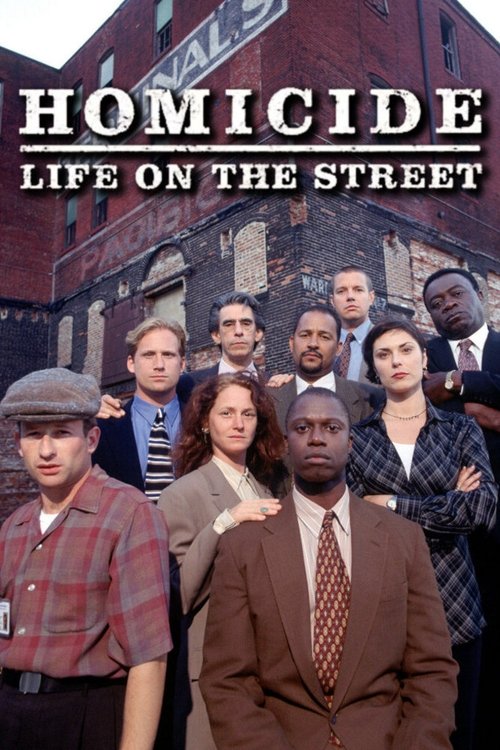
3. Homicide: Life on the Street
NBC took a risk with this one, adapting David Simon's book into a gritty, realistic police procedural. Shot with handheld cameras and boasting an incredible ensemble, it felt raw and immediate. It wasn't about neat case closures; it was about the grind, the emotional toll, and the serialized lives of the detectives. This was drama that dared to be messy and authentic.
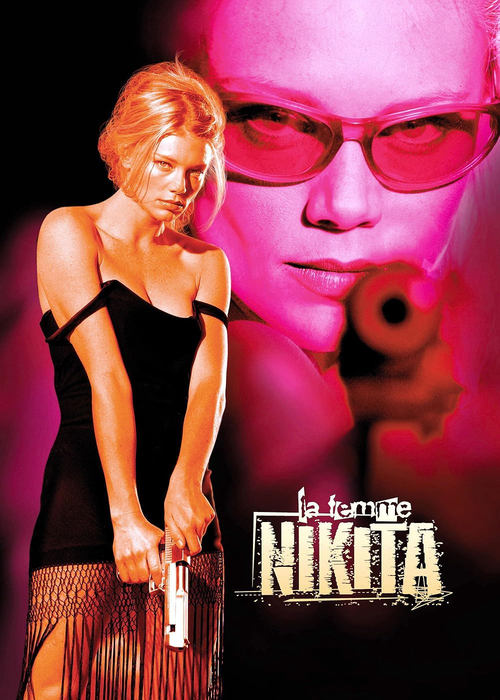
4. La Femme Nikita
USA Network, back when cable was starting to get ambitious, brought us this slick, serialized spy thriller. It took a cult film and stretched it into a compelling, often dark, character study of an unwilling assassin. Peta Wilson's Nikita was a complex, conflicted hero, pushing the boundaries of action and espionage on television with a surprisingly deep mythology.
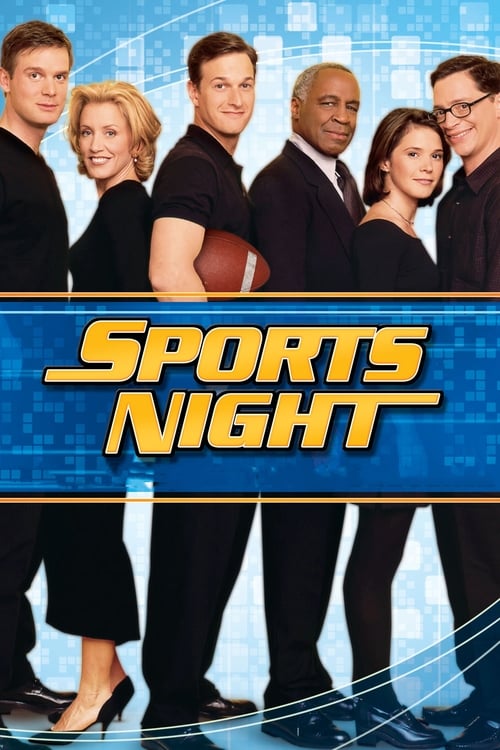
5. Sports Night
Aaron Sorkin's rapid-fire dialogue and walk-and-talks got their early workout here. It was a workplace comedy-drama about a cable sports news show, but it was really about integrity, friendship, and the messy pursuit of excellence. It struggled to find its footing between laughs and drama, but its smart writing and ensemble cast laid groundwork for future Sorkin successes.
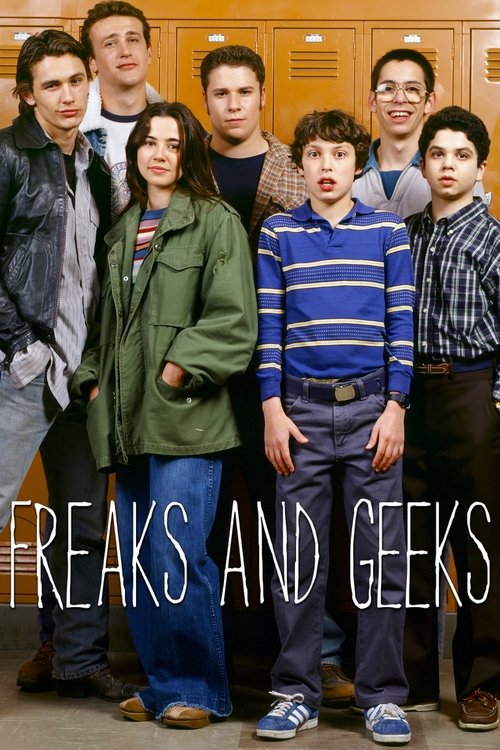
6. Freaks and Geeks
This single-season wonder became a cult classic for good reason. It captured the excruciating awkwardness of high school with an honesty rarely seen on TV. Judd Apatow and Paul Feig gave us an ensemble of future stars, portraying coming-of-age without judgment or easy answers. It was funny, heartbreaking, and deeply authentic, a true gem that ended too soon.
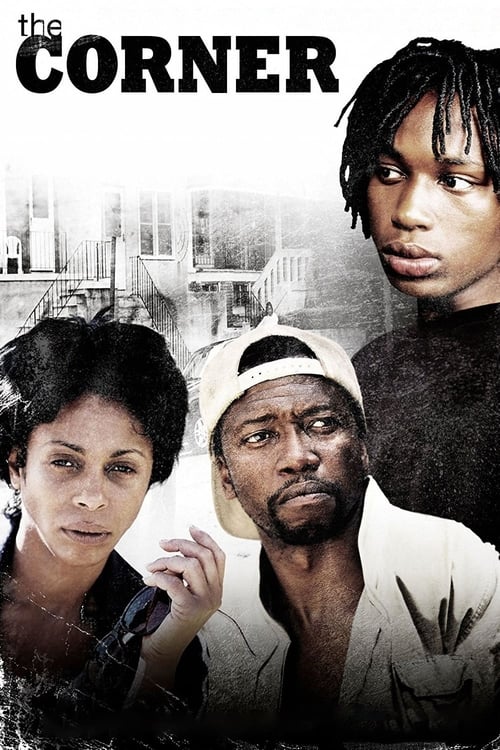
7. The Corner
Before *The Wire*, there was *The Corner*. This HBO miniseries, another David Simon collaboration, was a brutal, unflinching look at a West Baltimore drug corner through the eyes of one family. Shot with a documentary-like realism, it was a harrowing, serialized character study that foreshadowed HBO's commitment to raw, socio-political drama. Seriously heavy stuff.
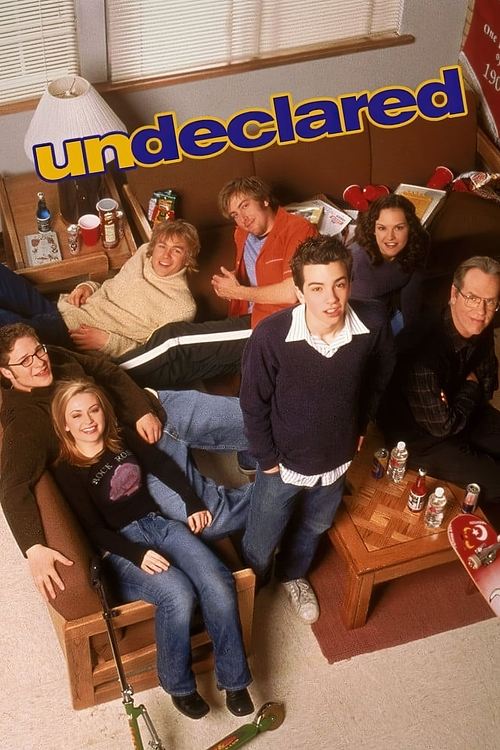
8. Undeclared
Following *Freaks and Geeks*, this show brought that same naturalistic, ensemble-driven comedy to college. It captured the uncertainty and excitement of freshman year with a genuine, often cringeworthy, humor. It never got the recognition it deserved, but it continued to hone the Apatow/Feig style, launching more careers and proving that honest, character-driven comedy could thrive.
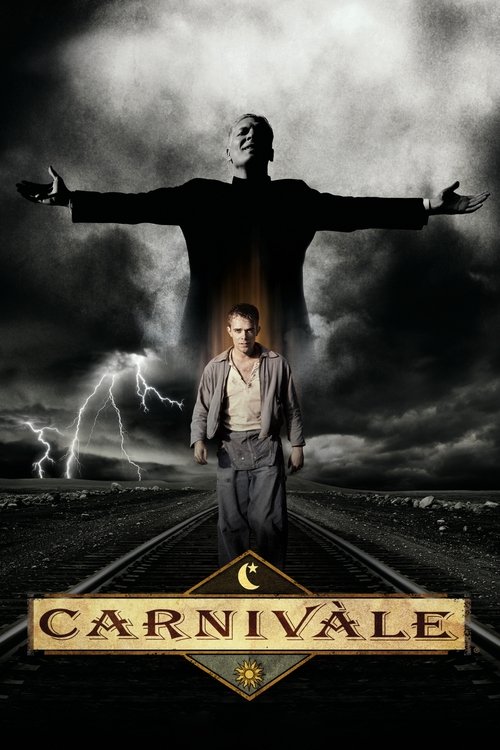
9. Carnivàle
This HBO epic was a visually stunning, deeply ambitious, and often baffling period piece. Set during the Great Depression, it followed a traveling carnival and a cosmic battle between good and evil. Its serialized mythology and dark, atmospheric tone were unlike anything on TV, proving cable could deliver cinematic scope and complex, character-driven fantasy.
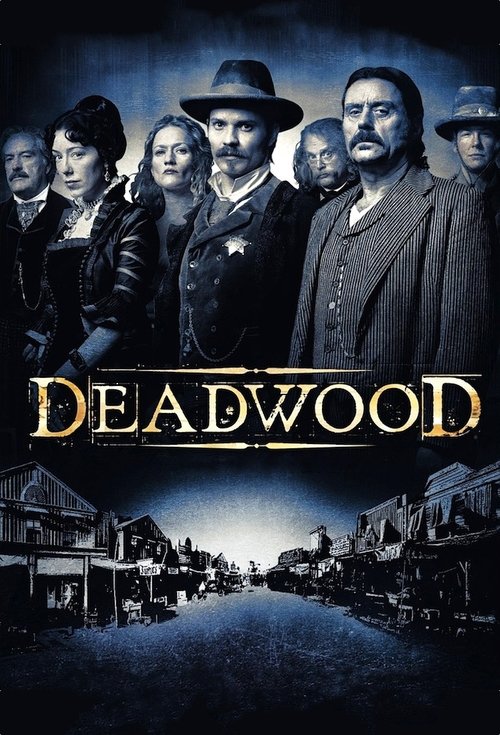
10. Deadwood
HBO again, pushing boundaries with this profane, poetic, and utterly brilliant Western. David Milch created a language all its own, bringing a raw, visceral realism to the historical period. It was a character-driven ensemble piece, exploring the birth of a community through moral ambiguity and powerful, serialized storytelling. Gritty, gorgeous, and unforgettable.
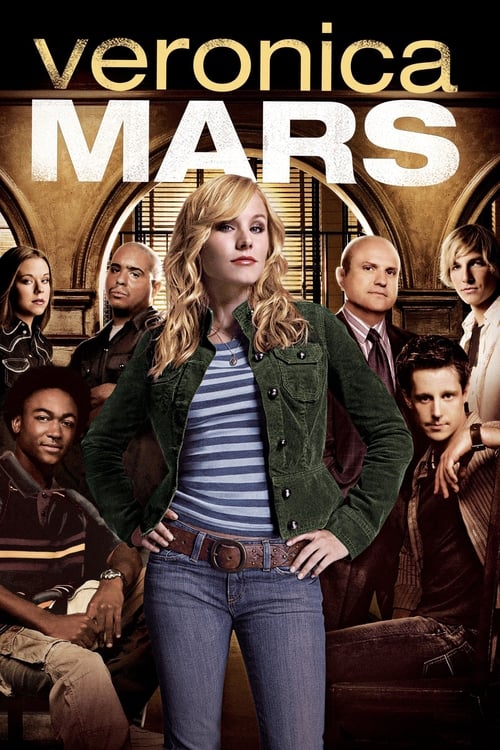
11. Veronica Mars
This show was so much more than a teen drama. Kristen Bell played a smart, cynical high school detective in a noir-infused world, tackling a season-long mystery. It blended sharp dialogue, complex characters, and serialized storytelling, proving that a network show could be dark, witty, and incredibly addictive, laying the groundwork for a dedicated fan base.