1. Max Headroom
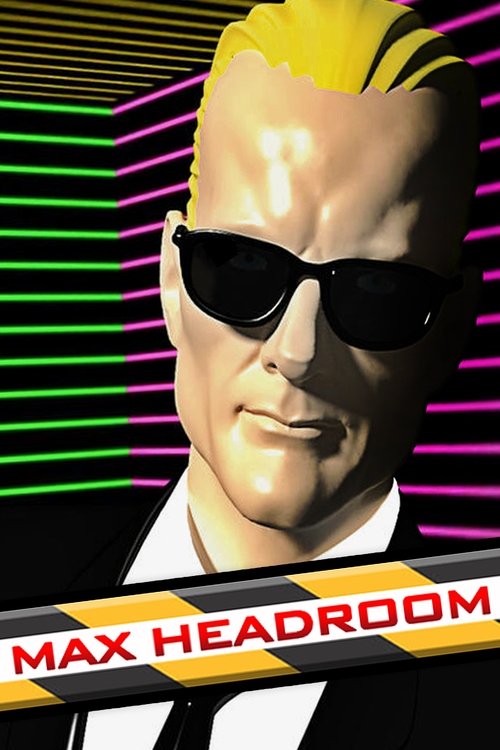
This show was a glitchy, neon-drenched fever dream, a cyberpunk warning before cyberpunk was even mainstream. It threw corporate greed, information overload, and media manipulation into a blender, serving up something jagged and smart. The practical effects on Max himself were astounding, a talking head embodying the wired future. And the whole thing felt like it was broadcast from a parallel dimension, refusing to soften its harsh edges for anyone. It was pure, unfiltered signal.
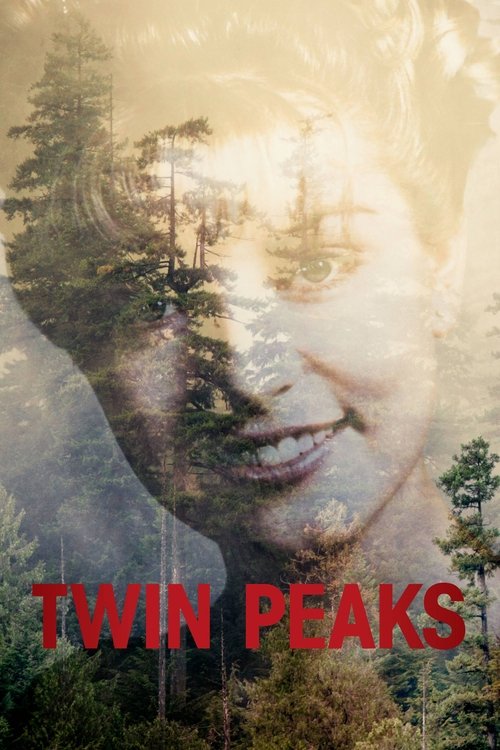
2. Twin Peaks
Before prestige TV was a thing, Lynch and Frost dropped this surreal bombshell on unsuspecting network audiences. It was a small-town murder mystery that quickly spiraled into cosmic horror, soap opera melodrama, and avant-garde art. One minute you're eating cherry pie, the next you're talking to a log. It defied categorization, and that's precisely why it burned itself into our collective subconscious. A true original, uncompromising in its weirdness.
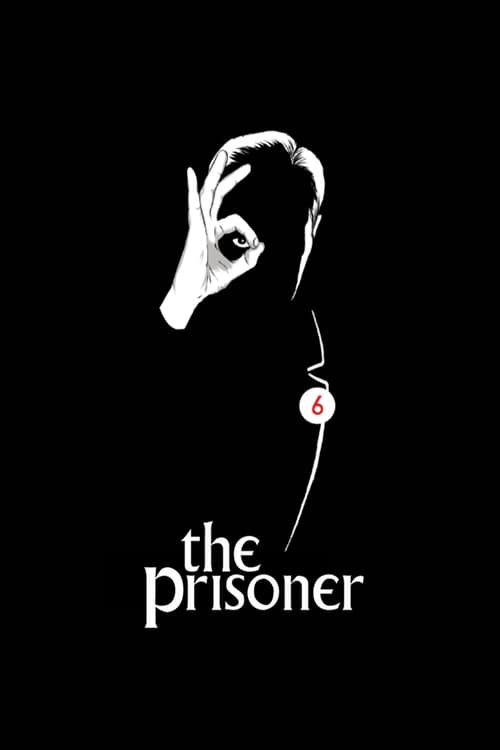
3. The Prisoner
Talk about a mind-bend. This isn't just an old show; it's a template for every paranoid, anti-establishment narrative that came after. A secret agent quits, gets abducted, and wakes up in a picturesque village where everyone is a number and escape is impossible. It questioned authority, identity, and reality itself with a theatrical flair and a constant sense of unease. They built their own rules, and we were all better for it.
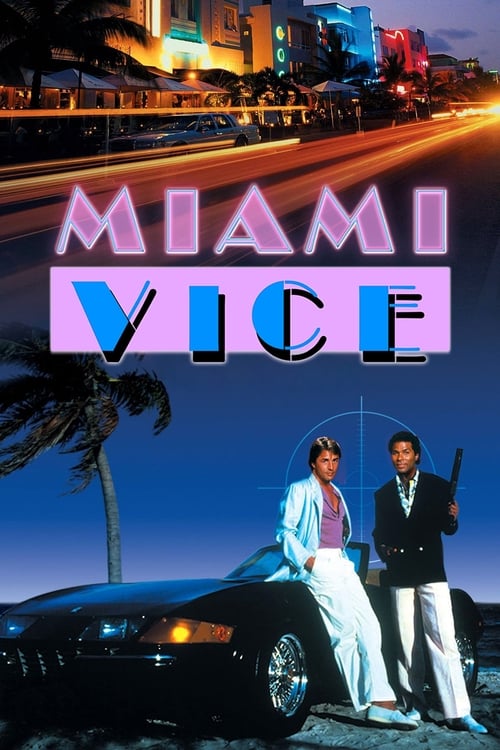
4. Miami Vice
Forget pastel suits and synth-pop for a second. This show was a visual and auditory revolution. It wasn't just a cop procedural; it was an extended music video, a mood piece dripping with neon and a pervasive sense of urban decay. They used cinematic techniques on a weekly TV budget, pushing boundaries with color palettes and soundtrack choices. It was style *as* substance, and it rewrote the rules for how a crime drama could look and feel.
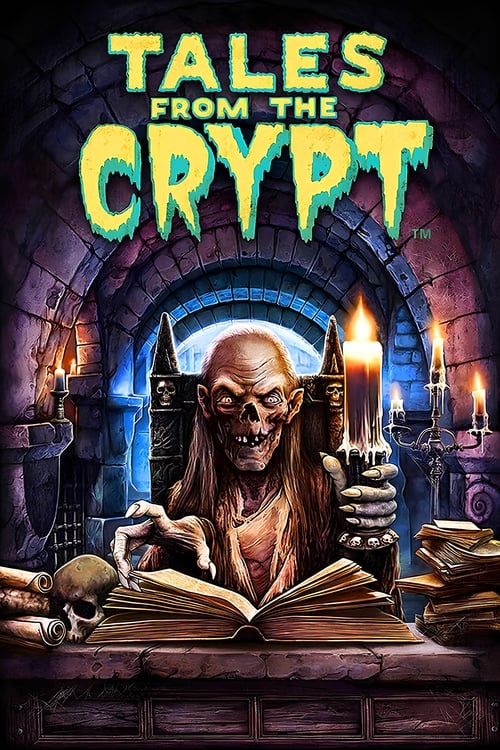
5. Tales from the Crypt
HBO got it right with this one. A weekly dose of pure, unadulterated horror hosted by a cackling puppet. It was gruesome, darkly funny, and deliciously twisted, never shying away from the grotesque or the morally ambiguous. And the practical effects? Top-tier creature features and gore that network TV wouldn't touch with a ten-foot pole. It was a late-night ritual for anyone who loved their scares with a side of schlock.
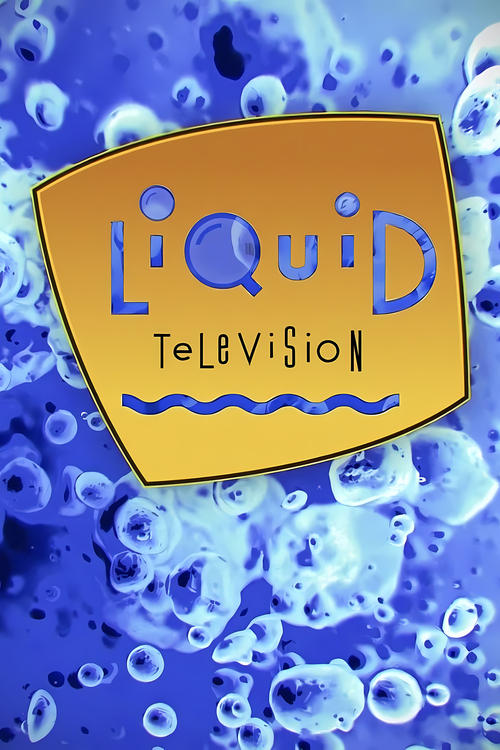
6. Liquid Television
MTV was wild back then, and *Liquid Television* was its experimental art lab. It wasn't just animation; it was a kaleidoscope of short-form, avant-garde cartoons, claymation, and digital experiments. This was where *Beavis and Butt-Head* and *Aeon Flux* got their start, but the whole anthology was a punk rock blast of creativity. It proved that television could be a canvas for pure, unbridled artistic anarchy, not just bland programming.
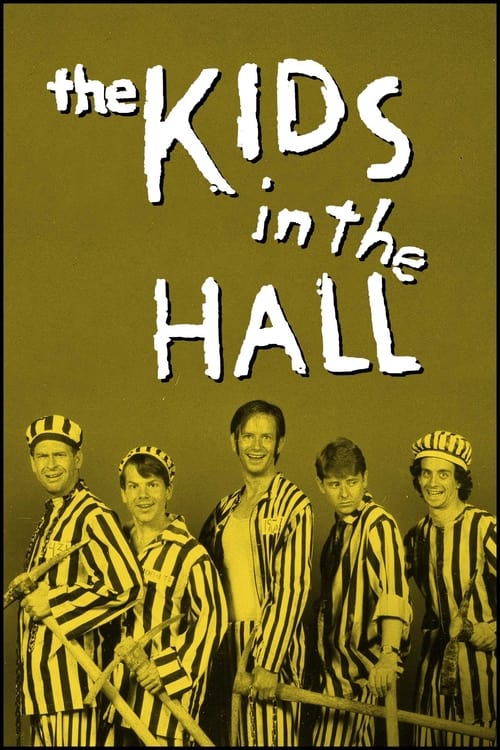
7. The Kids in the Hall
Five Canadian dudes in a sketch show where the men played women, and the humor was always just a little bit off-kilter. It was absurd, intelligent, and often surprisingly poignant, unafraid to get dark or just plain bizarre. They built their own distinct universe of characters and running gags, proving that you didn't need a laugh track or a canned formula to be hilarious. Just pure, unadulterated, Canadian weirdness.

8. Mystery Science Theater 3000
Who knew watching bad movies could be such a religious experience? Joel and the bots, trapped in space, forced to riff on cinematic atrocities. It was meta before meta was cool, a masterclass in snark and pop culture commentary. And it taught a generation how to critically (and hilariously) dissect media. It was pure punk rock deconstruction, turning junk into gold, one terrible monster movie at a time.
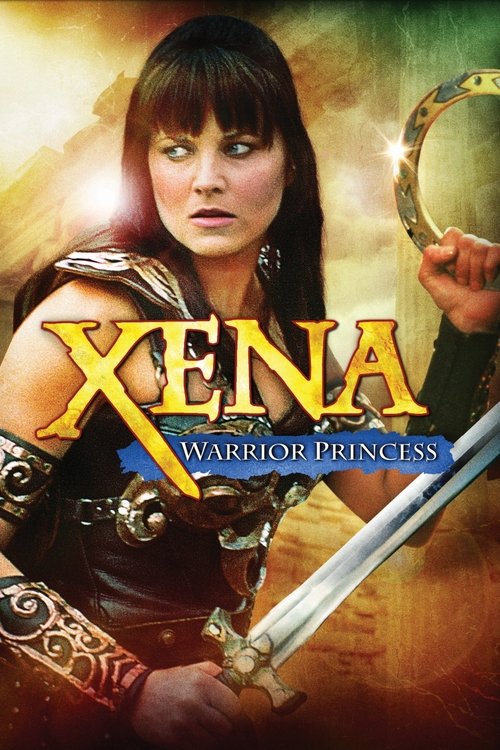
9. Xena: Warrior Princess
This wasn't just a *Hercules* spin-off; it was its own beast. A proto-feminist icon, a leather-clad ass-kicker with a complicated past, and a sidekick who was more than just a damsel. It blended mythology, melodrama, and genuinely intense action sequences with a wink and a nod. The subtextual queer representation was legendary. It was campy, sure, but it had a massive heart and knew exactly what it was doing.
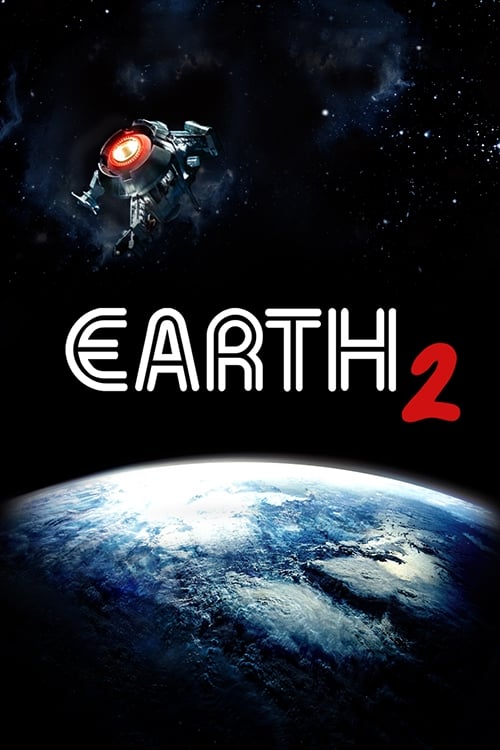
10. Earth 2
Remember when sci-fi could still take huge swings on network TV? *Earth 2* was a gritty, serialized epic about colonizing a new planet after Earth became uninhabitable. It was about survival, moral dilemmas, and alien encounters, with a grounded, lived-in feel. It didn't spoon-feed answers or tidy resolutions, embracing a darker, more ambiguous vision of humanity's future. A real shame it didn't get more time to fully unfold its ambition.
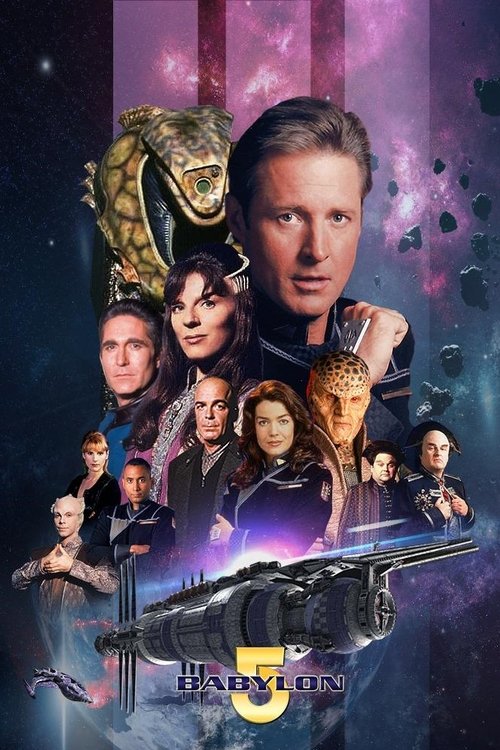
11. Babylon 5
This was the ultimate serialized space opera, a five-year novel for television. It had a sprawling cast, intricate political conspiracies, ancient alien races, and character arcs that paid off years later. They planned it all out from the start, delivering a consistent, complex narrative that put other space shows to shame. It was smart, ambitious, and didn't hold your hand, trusting its audience to keep up with its grand vision.