
1 / 11
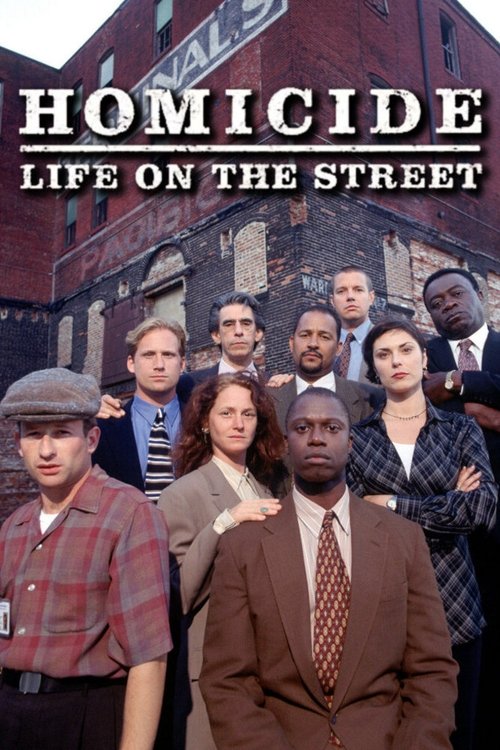
1. Homicide: Life on the Street
Before everyone was talking about 'prestige TV,' there was *Homicide*. This wasn't your father's cop show. Gritty, handheld cameras, overlapping dialogue – it felt like you were right there in the squad room. Barry Levinson and Tom Fontana weren't just telling weekly stories; they were building an ensemble, letting characters breathe and evolve in a way network TV hadn't really dared before. It set a new bar for realism and serialized storytelling in network drama.
2 / 11
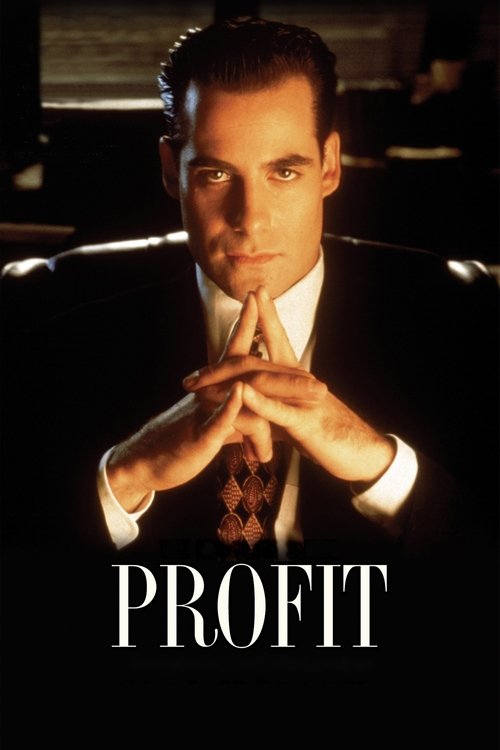
2. Profit
Talk about a show too dark, too cynical, too *good* for its time. John Krovac's Jim Profit was the ultimate corporate sociopath, manipulating everyone around him with a chilling charisma that predated the anti-hero craze by years. This FOX drama pushed boundaries with its brutal take on capitalism and power, proving that networks *could* take risks, even if audiences weren't quite ready for a villain protagonist. A true cult classic.
3 / 11
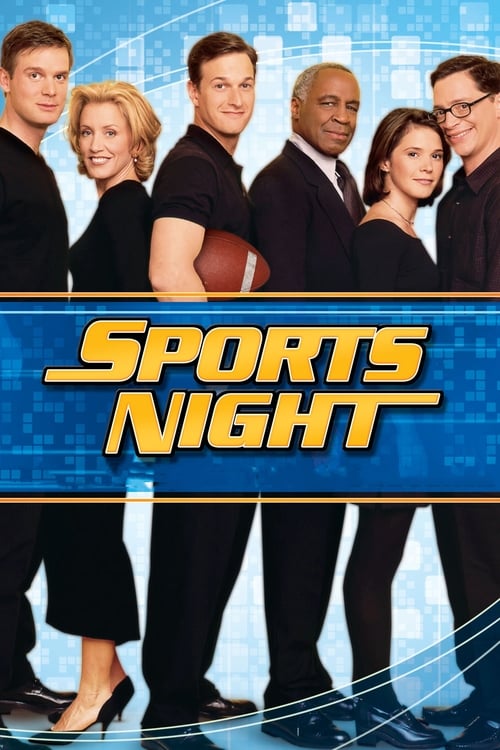
3. Sports Night
Before *The West Wing*, Aaron Sorkin honed his rapid-fire dialogue and walk-and-talks with this gem. Set behind the scenes of a sports news show, it blended sharp comedy with surprising drama. It was smart, genuinely funny, and had a cast that clicked. The initial mockumentary elements quickly faded, but the show's intelligent writing and ensemble chemistry laid serious groundwork for the sophisticated serialized comedies and dramedies that followed.
4 / 11
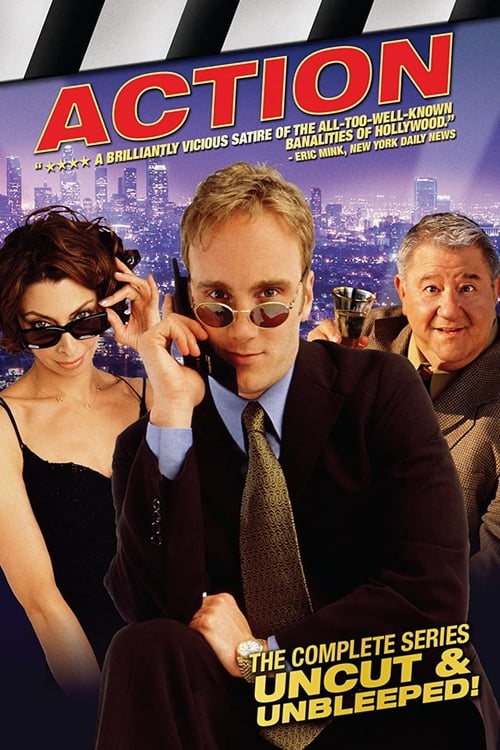
4. Action
Remember when network TV tried to be HBO? *Action* was that attempt, a truly audacious, foul-mouthed Hollywood satire that made *Entourage* look like a G-rated cartoon. Jay Mohr as a sleazy producer and Illeana Douglas as a former child star were brilliant. It was mean-spirited, hilarious, and utterly fearless in its portrayal of Tinseltown's underbelly. Fox pulled the plug way too soon, but its legend lives on for good reason.
5 / 11
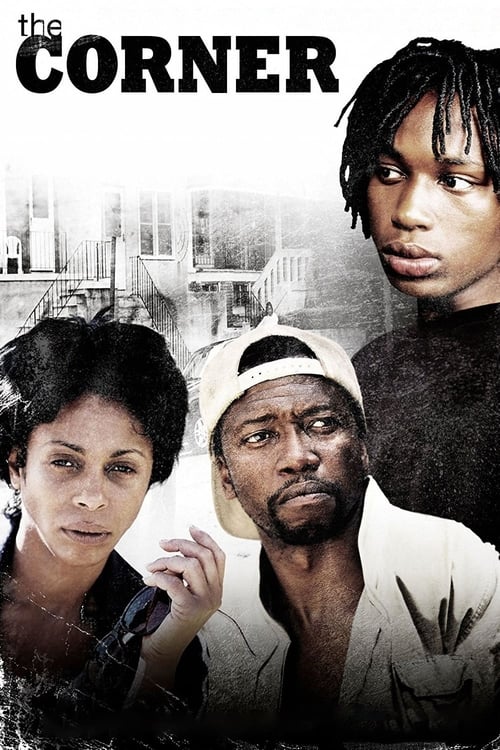
5. The Corner
If you love *The Wire*, you owe it to yourself to see *The Corner*. This HBO miniseries, from David Simon and Ed Burns, was the raw, unflinching precursor, mapping out the devastating impact of the drug trade on a single West Baltimore family. It was brutal, human, and meticulously researched. This wasn't just a story; it was an ethnographic study, laying the groundwork for the serialized, novelistic television that would define the next decade.
6 / 11
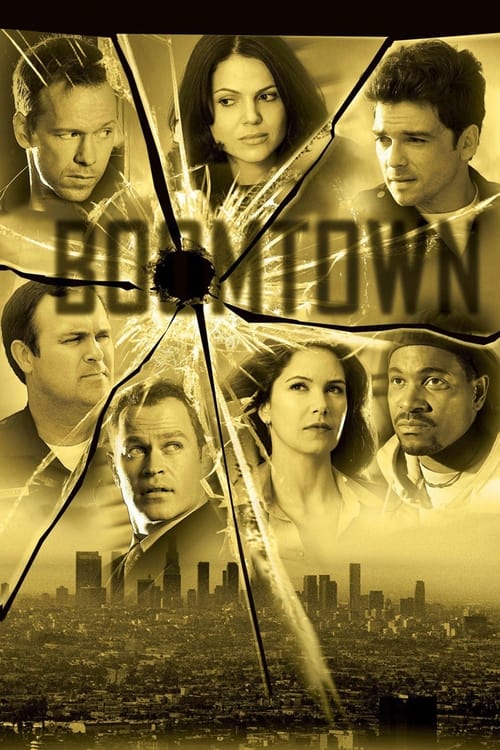
6. Boomtown
This show was a masterclass in non-linear narrative, showing a single crime from multiple perspectives – cops, victims, perpetrators. It challenged viewers to piece together the truth, offering a depth rarely seen in network procedurals. With a killer ensemble and a cinematic eye, *Boomtown* felt fresh and ambitious, proving that even episodic television could push structural boundaries. It was too smart for its own good, canceled way too soon.
7 / 11
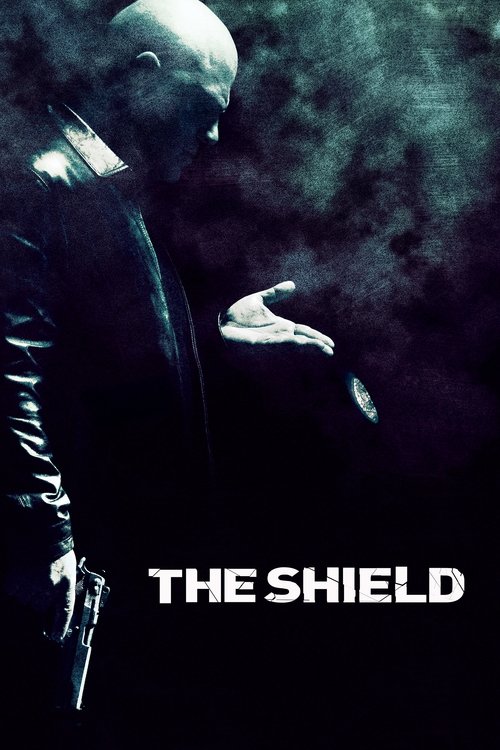
7. The Shield
Vic Mackey. Before Tony Soprano or Walter White, there was Vic. *The Shield* grabbed you from its first brutal episode and never let go, redefining what an anti-hero could be. FX wasn't playing it safe; this was morally ambiguous, serialized storytelling at its finest, showing the dirty underbelly of law enforcement. It was intense, provocative, and paved the way for cable networks to become major players in prestige drama.
8 / 11
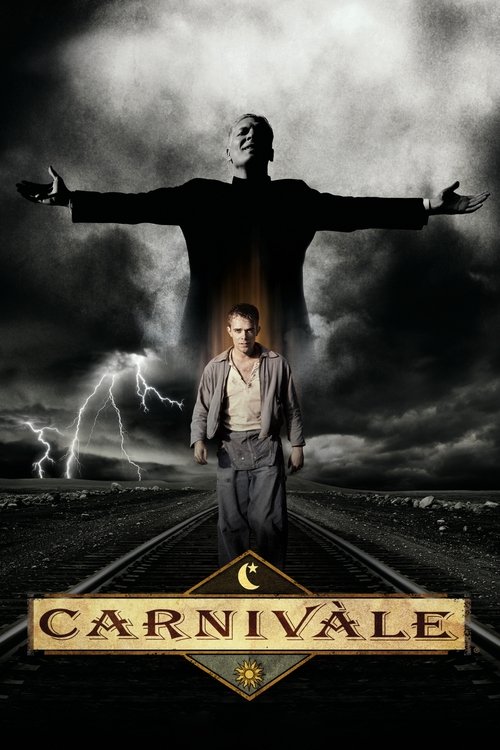
8. Carnivàle
HBO went all-in on this one, creating a truly unique, Depression-era fantasy. *Carnivàle* was less a TV show and more an immersive experience – visually stunning, deeply symbolic, and hauntingly atmospheric. Its sprawling narrative about good versus evil, set against a backdrop of Dust Bowl America, was ambitious to a fault. It demanded patience, but those who stuck with it were rewarded with something unlike anything else on television.
9 / 11
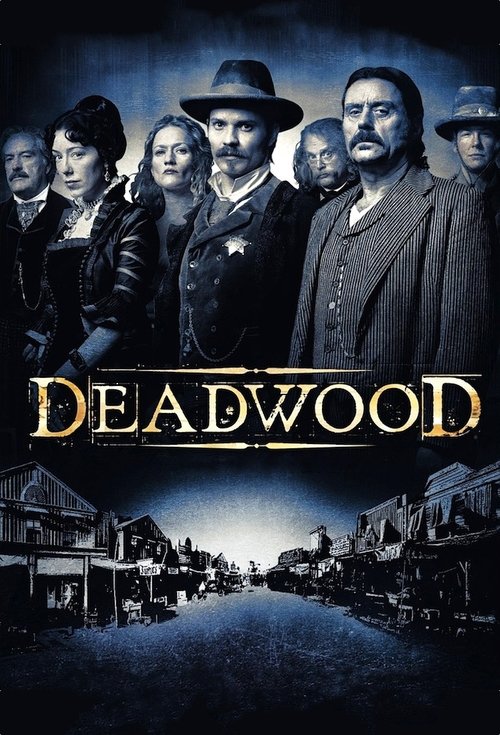
9. Deadwood
David Milch's *Deadwood* wasn't just a Western; it was a masterclass in dialogue, character, and world-building. The language was Shakespearean in its profanity and poetry, and the ensemble cast was perfection. This show captured the brutal, lawless spirit of the American frontier with a historical authenticity and moral complexity that was groundbreaking. It proved HBO could turn genre on its head, elevating the medium to true art.
10 / 11

10. The Comeback
Lisa Kudrow's Valerie Cherish was a character ahead of her time – a tragicomic figure desperate for relevance in a brutal industry. This HBO mockumentary perfected cringe comedy long before it became a genre staple. It was a raw, uncomfortable look at celebrity, ego, and the relentless pursuit of fame, all delivered with a sharp, knowing wit. It took years for audiences to catch up, but its brilliance was always undeniable.
11 / 11
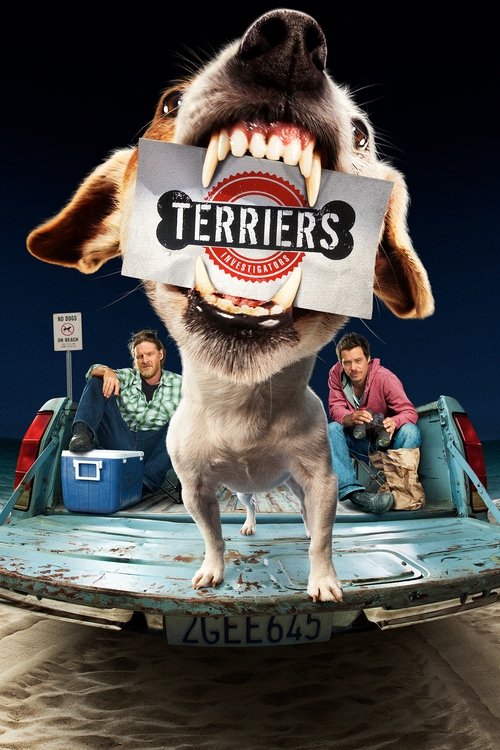
11. Terriers
This FX gem was a perfect blend of neo-noir mystery and character drama, following two down-on-their-luck private investigators. It had heart, humor, and a genuinely compelling serialized plot. *Terriers* was critically adored but criminally underwatched, a prime example of a show that might have thrived in the later streaming era. It showcased FX's knack for smart, character-driven storytelling, proving good television wasn't always finding a mass audience.