

1 / 11
1. Omnibus
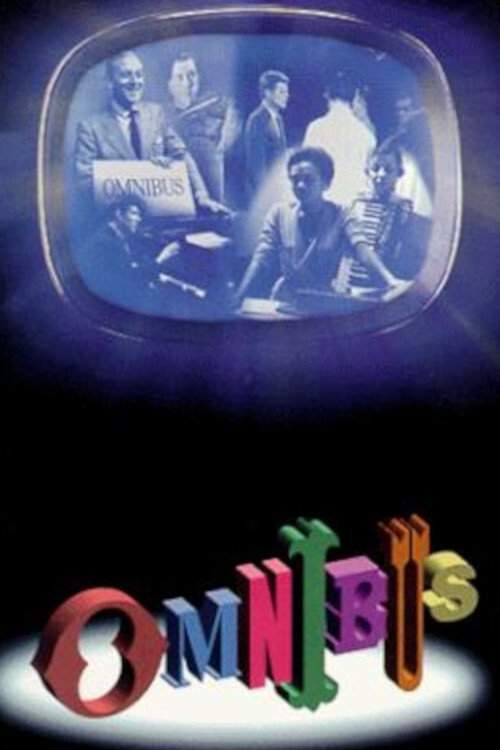
Now, *Omnibus* in '52, that was something else entirely. Live, of course, and truly ambitious, bringing high culture right into your living room. Alistair Cooke introducing everything from Shakespeare to science. It felt like watching a grand, serious play or a thoughtful lecture unfold, all in crisp black-and-white, often with that shimmering kinescope look if you saw a rebroadcast. A real attempt to elevate the medium, not just entertain. And it did, week after week, without talking down to anyone. A proper television event.
2 / 11
2. The Quatermass Experiment
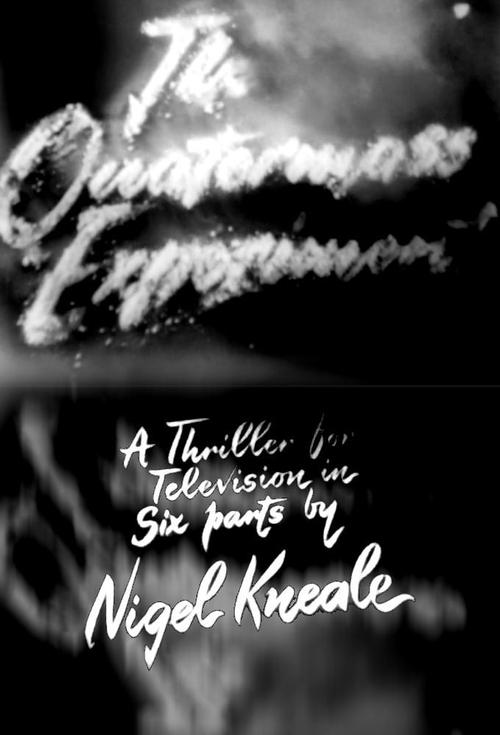
Back in '53, *The Quatermass Experiment* on BBC, that was a real shocker. Live, mind you, with effects that were primitive by today's standards, but oh, the tension! This wasn't just a science fiction tale; it was a psychological horror, playing on fears of the unknown and what humanity might become. Shot in stark black-and-white, often looking like a grim newsreel. It proved television could genuinely scare you, lingering in the mind long after the picture faded. A truly chilling experience.
3 / 11
3. Your Show of Shows
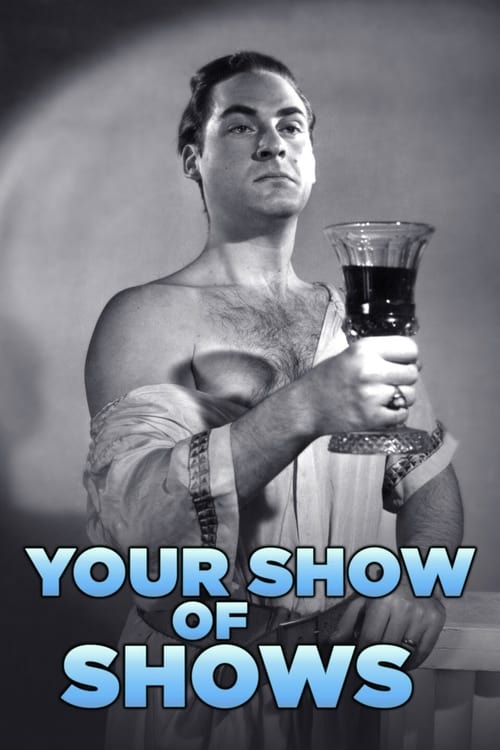
Good heavens, *Your Show of Shows* in 1950, that was a live wire! Sid Caesar, Imogene Coca, Carl Reiner, Mel Brooks – a comedic powerhouse. Every Saturday night, it was a whirlwind of sketches, musical numbers, and pure, unadulterated talent performed live, often in black-and-white with that frenetic, immediate energy only live television could capture. You could feel the spontaneity, the risk, the sheer joy of creation. It set the standard for variety and sketch comedy, a truly groundbreaking achievement.
4 / 11

4. The Goldbergs
And *The Goldbergs* from '49, that was comfort television, straight from radio, but it worked. Molly Goldberg and her family, living their lives in the Bronx. It wasn't about big gags; it was about the everyday, the family squabbles, the wisdom, the heart. Filmed in that familiar black-and-white, it felt like visiting neighbors. This was early sitcom, building characters over weeks and months, a real sense of continuity long before it was common. It drew you in with genuine warmth.
5 / 11
5. East Side/West Side
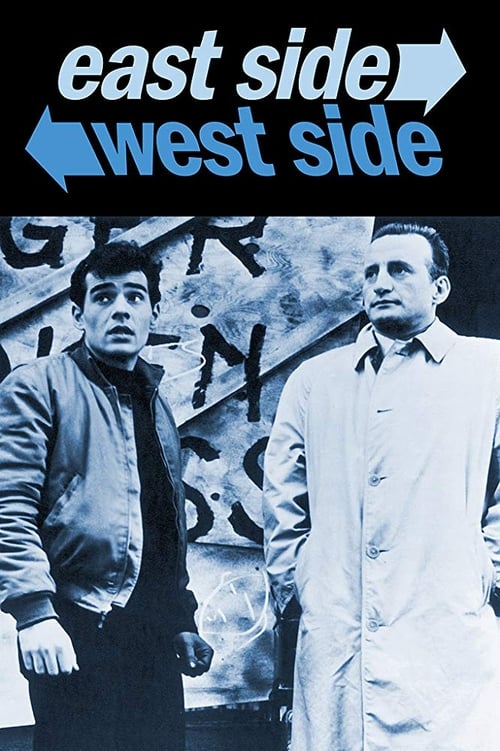
When *East Side/West Side* hit the air in '63, it was a jolt. George C. Scott as a social worker, tackling poverty, prejudice, and all the tough issues of New York City. This wasn't your escapist fare; it was gritty, uncompromising black-and-white drama, showing the world as it really was for many. Too real for some, perhaps, as it didn't last long, but it certainly pushed boundaries. It proved television could be more than just light entertainment; it could hold a mirror to society.
6 / 11
6. The Great American Dream Machine
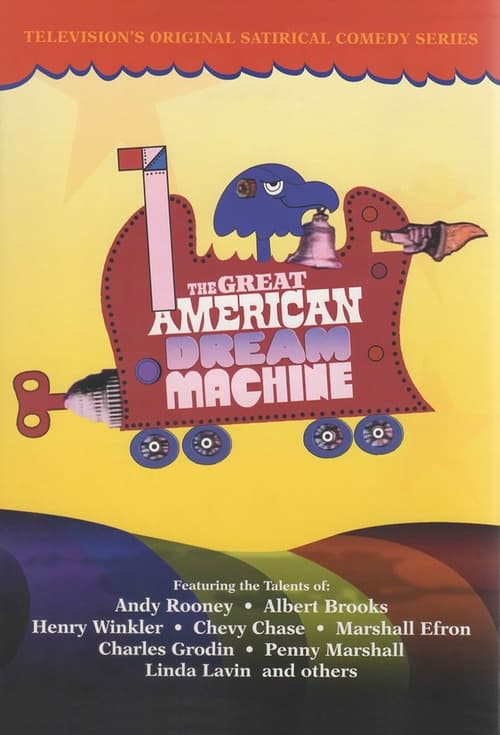
PBS really got experimental with *The Great American Dream Machine* in '71. This wasn't your typical variety or news show; it was a free-form, magazine-style program, mixing documentary segments, satire, music, and animation. It was a reflection of the times, a bit counter-culture, sometimes chaotic, always thought-provoking. No rigid format, just a kaleidoscope of ideas and commentary on American life. It was a brave new world for television, showing what public broadcasting could truly achieve.
7 / 11
7. Way Out
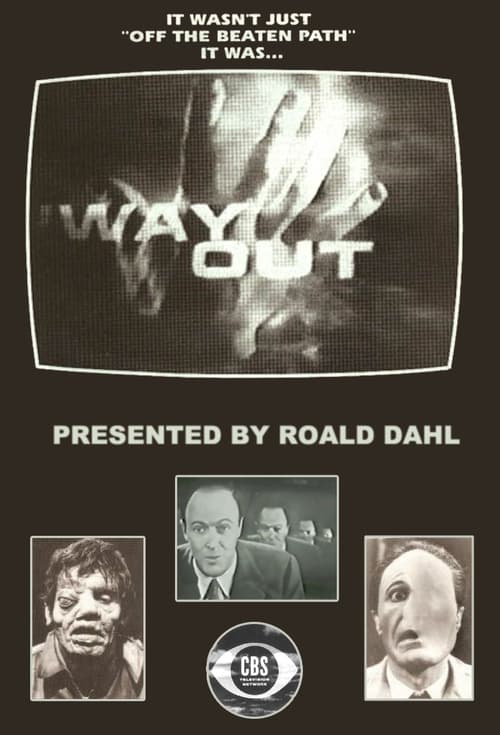
Rod Serling tried something even darker with *Way Out* in '61, a macabre anthology series. It was a proper chiller, focusing on psychological horror and the supernatural, often with twisted endings. Filmed in stark black-and-white, it shared that eerie, atmospheric quality with *The Twilight Zone*, but felt even more unsettling, more grim. It was short-lived, unfortunately, but left an impression as a truly unnerving piece of television, pushing the boundaries of what could be shown late at night.
8 / 11
8. The Waltons
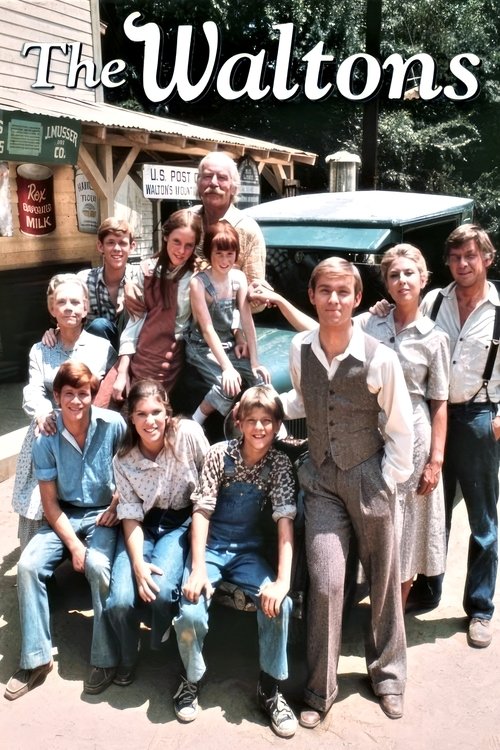
Now, *The Waltons* from '72, that was a different sort of truth. Set during the Depression, it showed a family's struggles and triumphs with such warmth and heart. It was wholesome, yes, but never saccharine, dealing with real economic hardship and human connection. The long-form continuity meant you truly grew to care for these characters. It offered a comforting, nostalgic look at a simpler, yet harder, time, and it resonated deeply, proving that good, honest storytelling always finds an audience.
9 / 11
9. The Law and Mr. Jones
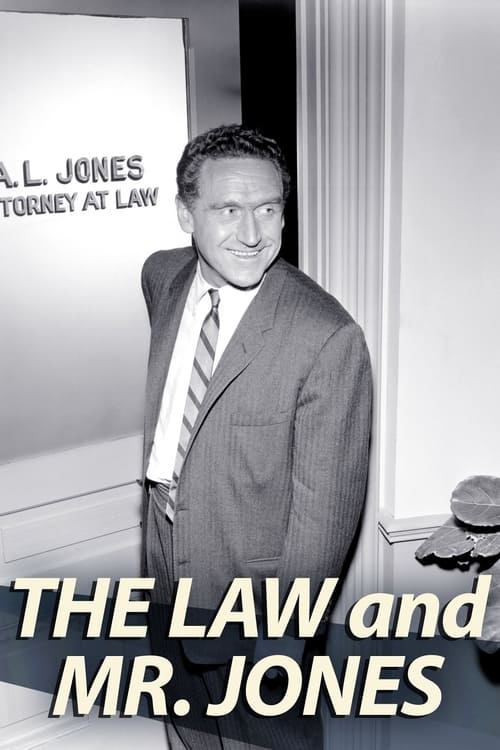
*The Law and Mr. Jones* in 1960, with James Whitmore as the principled lawyer, was a fine example of early legal drama. It wasn't just about courtroom theatrics; it focused on the moral dilemmas and the human stories behind the cases. Filmed in clear black-and-white, it had a serious, thoughtful tone, reflecting on justice and ethics. It built its cases carefully, giving you a sense of the legal process and the character's unwavering commitment. A solid, respectable program.
10 / 11
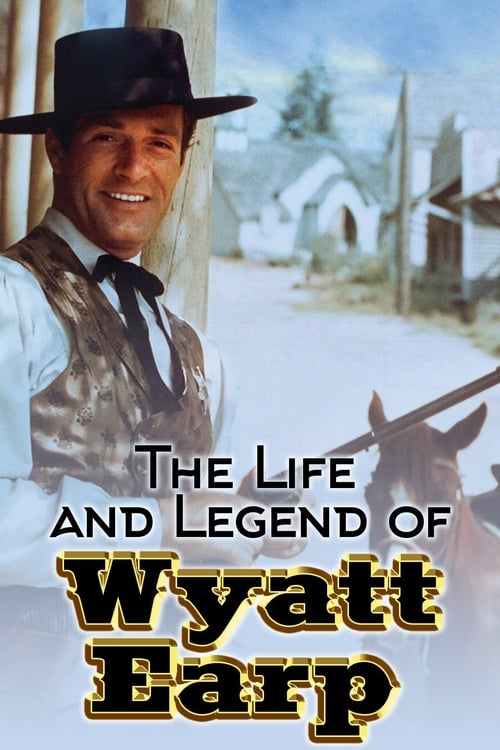
10. The Life and Legend of Wyatt Earp
And then there was *The Life and Legend of Wyatt Earp* from '55. Hugh O'Brian brought that legendary lawman to life, week after week. This was early serialization, telling the story of Earp's life and adventures with a sense of historical sweep, even if liberties were taken. Shot in that classic black-and-white, it gave you a clear hero, a clear villain, and plenty of frontier justice. It was a foundational Western, building its narrative across many episodes, a television staple.
11 / 11
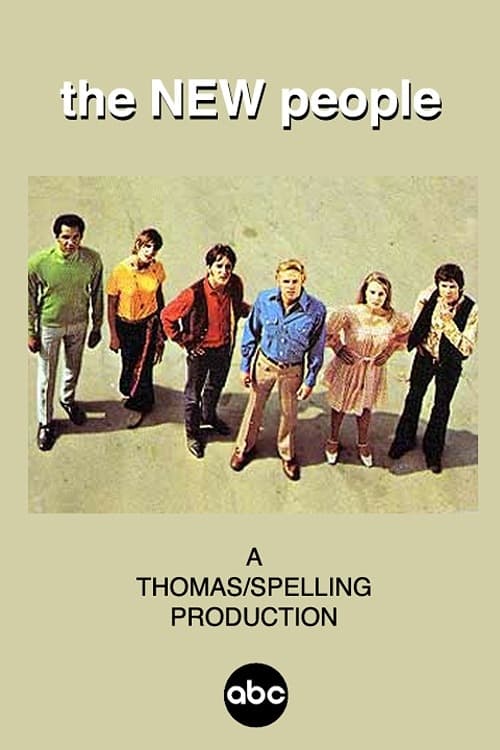
11. The New People
In '69, *The New People* tried to capture that youth rebellion spirit, marooning a plane full of young Americans on a deserted island. It was *Lord of the Flies* for the television generation, exploring what happens when authority crumbles and a new society tries to form. Shot in color, it felt fresh, but also a bit raw and uncertain in its direction. It was an interesting, albeit brief, experiment in long-form serialized drama, trying to be edgy and relevant for its time.