
1 / 11
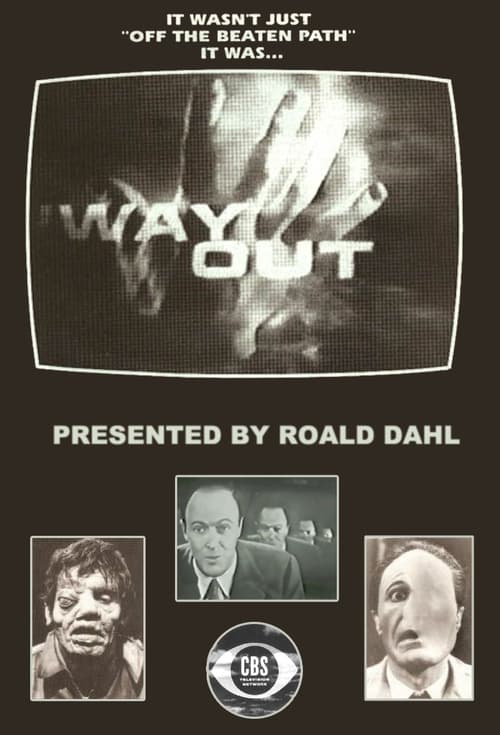
1. Way Out
Fred Gwynne, before he was Herman, introduced these spooky little tales. And they were *spooky*. Shot in stark black and white, each week was a self-contained little nightmare, often with a twist that left you thinking. It was pure anthology television, the kind that relied on atmosphere and a good yarn more than special effects. Just a quiet dread, delivered right to your living room. A true precursor to later chills.
2 / 11
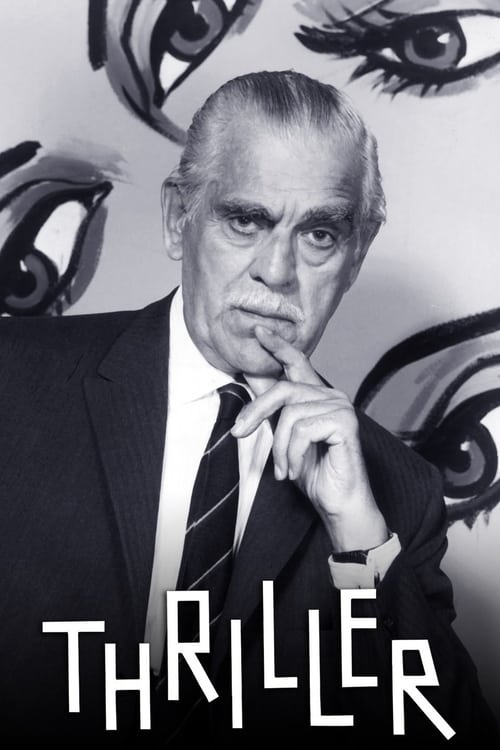
2. Thriller
Boris Karloff, what a presence! Every week he'd greet you, and you just knew something unsettling was coming. This was B&W melodrama at its finest, really — those deep shadows, the dramatic close-ups. It wasn't about cheap scares; it was about building a mood, a creeping sense of unease. And they certainly built it. A masterclass in early suspense, often adapting classic stories that just felt right for the small screen.
3 / 11
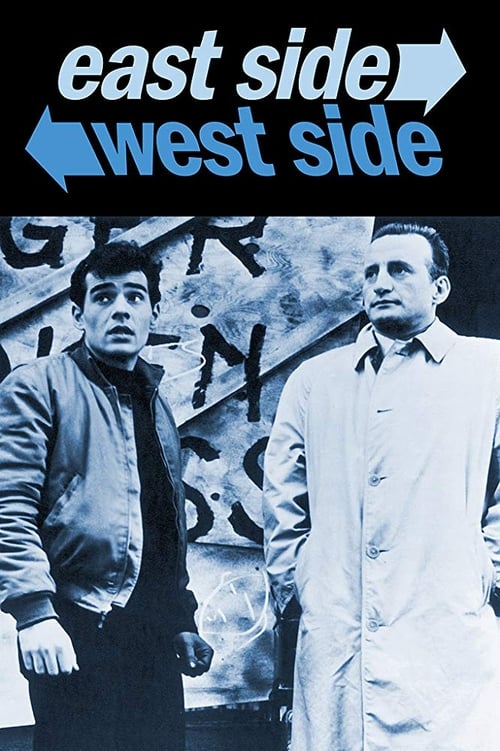
3. East Side/West Side
George C. Scott, he was just phenomenal in this. This show tackled some truly heavy stuff for its time, social issues laid bare in black and white. It wasn't always comfortable viewing, but it was important. A serious drama, almost like a play unfolding on your screen each week. You could tell they weren't afraid to push boundaries, asking difficult questions about poverty and injustice. Really, quite brave television.
4 / 11
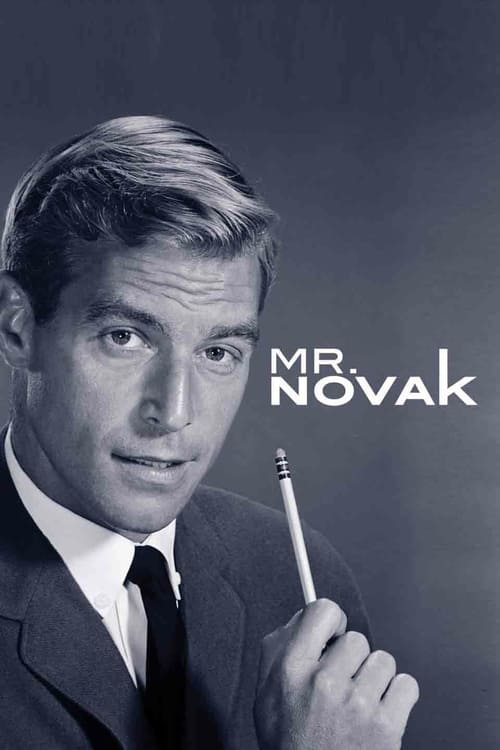
4. Mr. Novak
James Franciscus played the earnest English teacher, and the show dug into the lives of students and faculty. It felt very much like a window into the public school system then, tackling issues kids faced, but always with a moral lesson. Black and white, naturally, and it had that clean, almost theatrical look. A good example of how television tried to be both entertaining and a little educational, week after week.
5 / 11
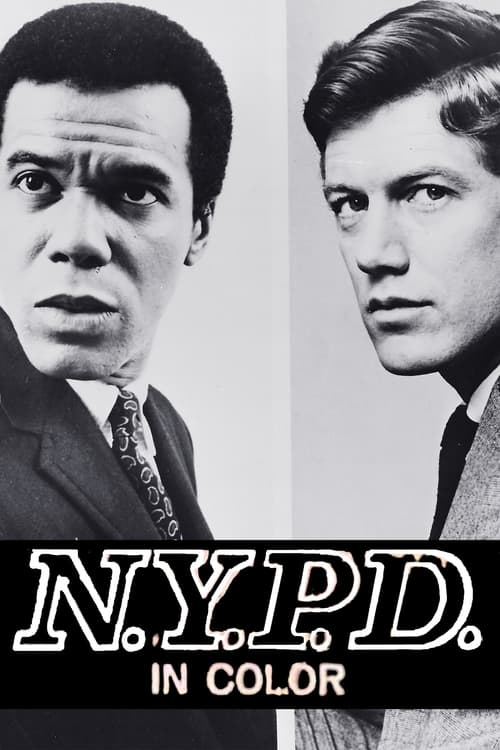
5. N.Y.P.D.
Now this was different. Shot right there on the streets of New York, it had a grittiness you didn't often see. No fancy sets, just the city itself as a character. It was an early procedural, sure, but with a documentary feel. And while it was in color, it still had that raw, almost black-and-white sensibility. It showed you the real work, the day-to-day grind, not just the flashy arrests. A foundational piece.
6 / 11
6. Journey to the Unknown
This was a curious one, a British import that found its way to American screens. Each episode was a self-contained tale of the strange and unsettling, often with a psychological bent. You didn't know what you were getting week to week, which was part of the fun. It felt a bit more sophisticated, a little more cerebral than some of our homegrown horrors. A nice taste of transatlantic mystery.
7 / 11

7. The Bold Ones: The Protectors
Part of a larger umbrella, this segment focused on Leslie Nielsen as a D.A., fighting crime in the courtroom. It was a proper legal drama, with a bit more continuity than your typical anthology. They tried to explore the justice system, not just solve a case. And you got to see a bit of how the law really worked, or at least how they wanted you to think it worked. A solid, thoughtful series.
8 / 11
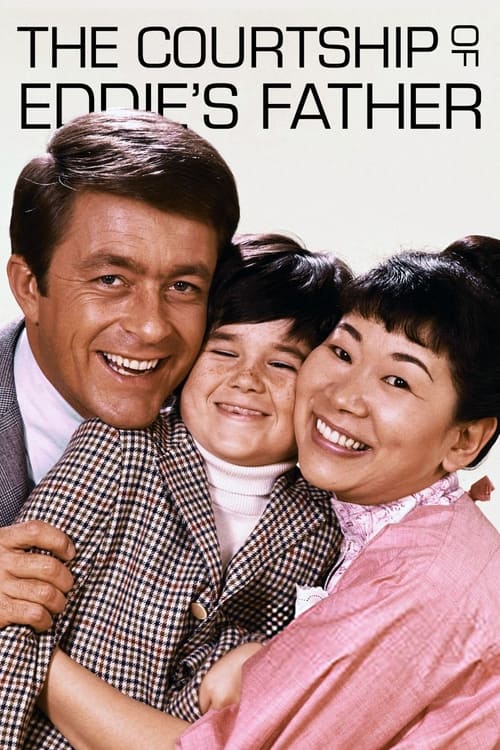
8. The Courtship of Eddie's Father
Oh, Bill Bixby, he was just lovely. A widower raising his young son, played by Brandon Cruz. This was the quintessential family sitcom of its era, full of gentle humor and genuine warmth. It had that bright, early color look, and you could feel the live audience even when it wasn't. Just a sweet, wholesome program about love and growing up. It always left you with a smile.
9 / 11
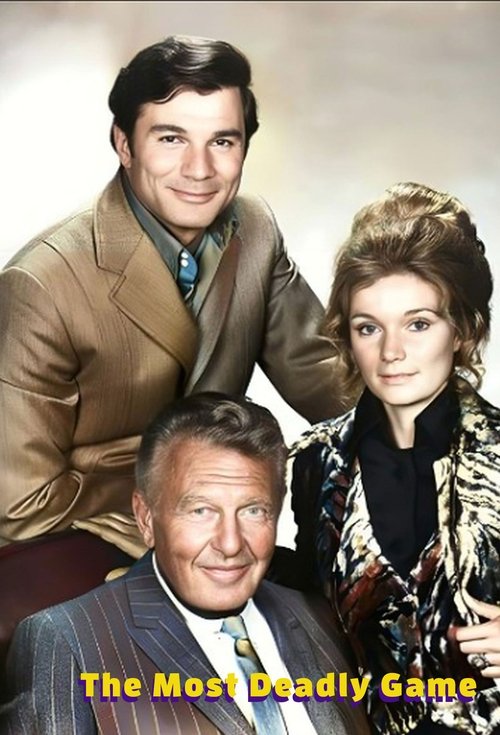
9. The Most Deadly Game
This one had a real air of sophistication. Three top criminologists, solving high-stakes mysteries. It felt very "early 70s chic" – stylish, a bit dramatic, and always intellectual. The cases were complex, not just simple whodunits. It tried to elevate the police procedural, making it more about the minds at work than just the foot chases. A cerebral, well-dressed mystery show.
10 / 11
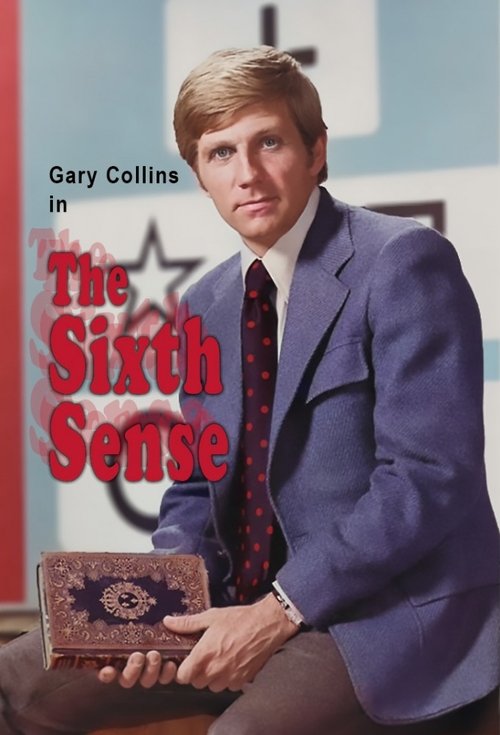
10. The Sixth Sense
Gary Collins as a parapsychologist, investigating all sorts of spooky phenomena. It was a real dive into the supernatural, trying to make sense of things that went bump in the night. You'd get ghosts, ESP, all the strange stuff. Each week was a new mystery, and it had a slightly more serialized feel than a pure anthology. A good spooky watch for a Saturday night.
11 / 11
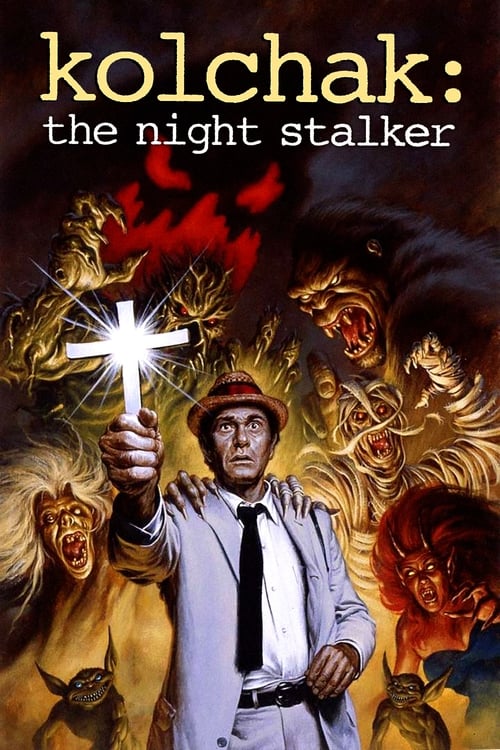
11. Kolchak: The Night Stalker
Now *this* was something special. Darren McGavin as Kolchak, a reporter who always stumbled onto the monstrous. It had a grimy, almost documentary feel, even with the vampires and werewolves. This was early long-form storytelling, with Kolchak's frustration building. It was funny, scary, and absolutely unique. Nothing else looked or felt quite like it then, or now. A true original.