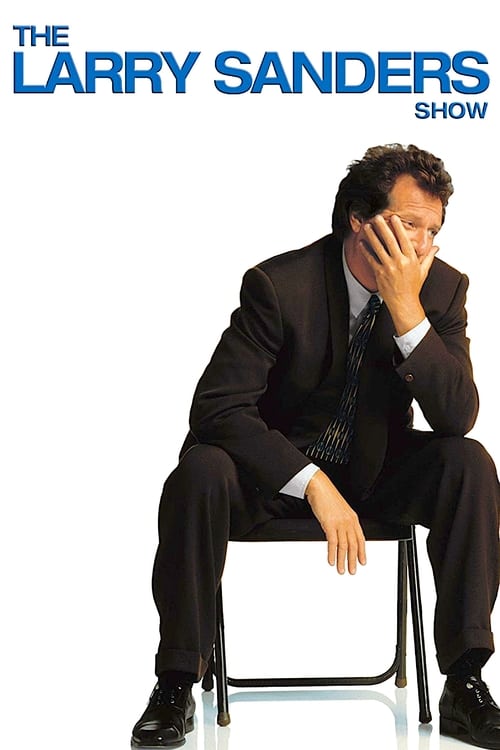
1. The Larry Sanders Show
Before the anti-hero, there was Larry Sanders. This show pulled back the curtain on late-night TV with a cynical, darkly comedic precision. It blurred the lines between sitcom and drama, making you question what was real behind the scenes. The handheld cameras, the awkward silences, the serialized character arcs – it was all there, laying groundwork for the mockumentary style and the idea that comedy could be as nuanced and uncomfortable as any prestige drama. It felt like a peek behind the curtain, not just a show.
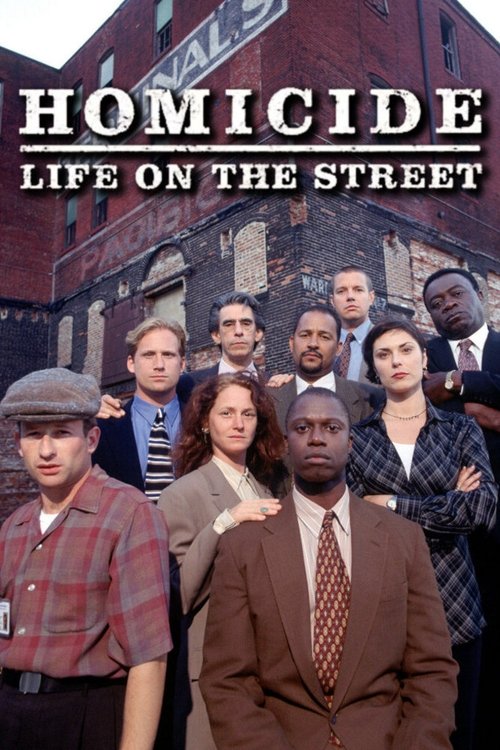
2. Homicide: Life on the Street
Barry Levinson and Tom Fontana brought a raw, documentary-style grittiness to network TV that was just unheard of. Forget the neat procedural wraps; cases here often went unsolved, lingering like a bad taste. The overlapping dialogue, jump cuts, and that visceral handheld camera work made it feel like you were right there in the squad room. It was complex, ensemble-driven, and truly serialized, showing that network TV could handle darker, more ambiguous storytelling long before cable took all the credit.
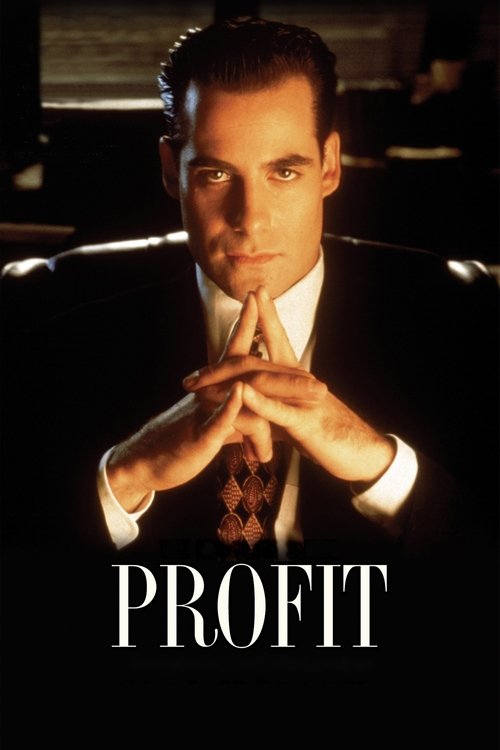
3. Profit
This one was a genuine shocker for network TV in the mid-90s. John Profit was an outright villain, a corporate sociopath who narrated his machinations directly to the camera. It was dark, cynical, and utterly amoral, pushing boundaries in a way that would become standard on cable years later. Fox pulled the plug quickly, but its influence on the anti-hero archetype and the idea of a truly dark protagonist in a serialized drama is undeniable. It was ahead of its time, no doubt.
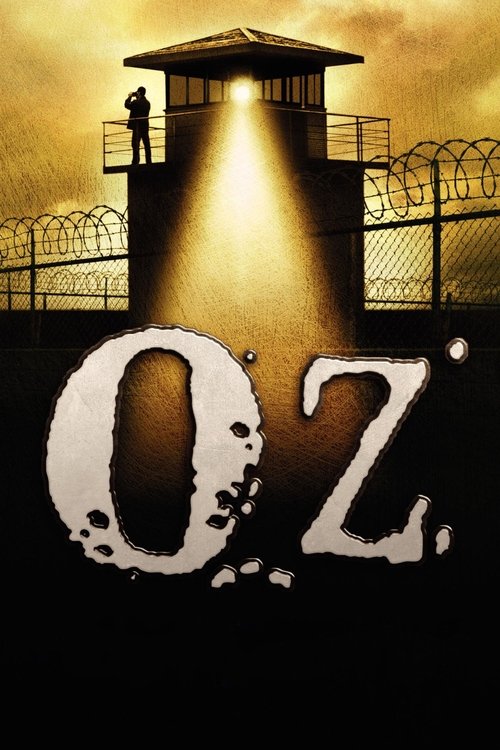
4. Oz
HBO truly came into its own with Oz. This wasn't just a prison drama; it was an unrelenting, brutal descent into a self-contained, serialized world. The ensemble cast was massive, and no one was safe. It pushed boundaries with its graphic violence, nudity, and explicit language, showing what unfettered cable television could achieve when freed from network constraints. It proved that audiences craved complex, uncomfortable narratives, paving the way for the premium cable revolution.
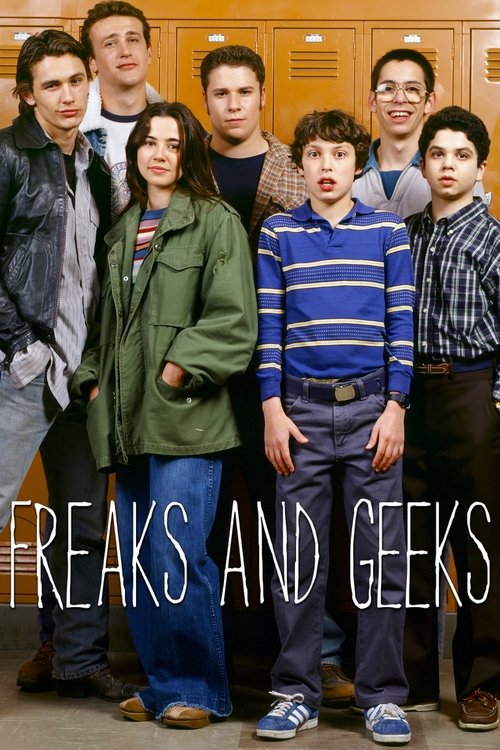
5. Freaks and Geeks
Judd Apatow and Paul Feig delivered a high school drama that felt painfully authentic, not some glossy teen fantasy. It championed the outsiders, the awkward, and the genuinely weird, focusing on character over plot. The serialized nature meant these kids actually grew and changed, and the humor came from real-life cringe, not punchlines. It was a single-season marvel that proved you could tell a deeply human, ensemble story without resorting to melodrama or easy answers.
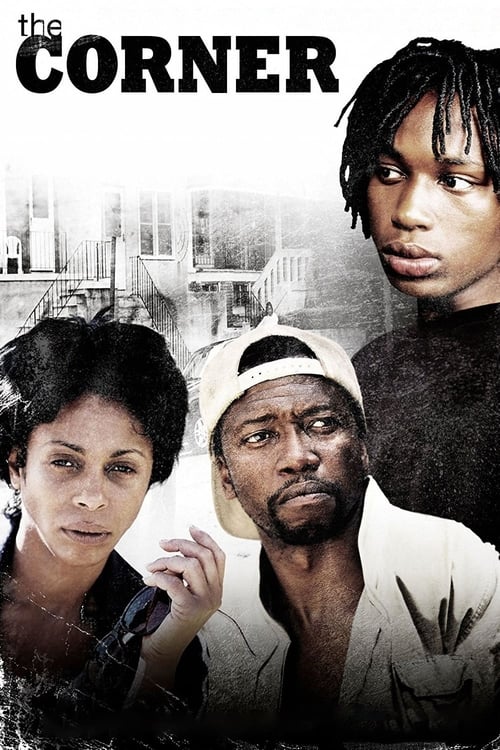
6. The Corner
Before The Wire, there was The Corner. David Simon and Ed Burns adapted their non-fiction book into this HBO miniseries, a stark, unflinching look at a West Baltimore drug corner through multiple perspectives. It was less about cops and robbers and more about the systemic decay, the families caught in the cycle. This was prestige TV before we even used the term, a serialized, ensemble docu-drama that established a new benchmark for social realism on television.
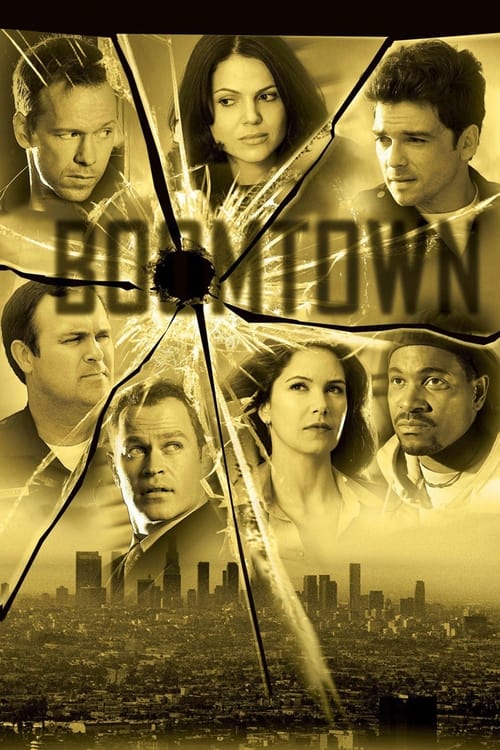
7. Boomtown
Graham Yost's Boomtown was a masterclass in non-linear storytelling. Each episode re-told a crime from the perspective of different characters – the cop, the victim, the perp, the DA – revealing new layers and ambiguities with each shift. It demanded viewer attention, rejecting easy answers and linear narratives. It was a daring structural experiment on network television, proving that audiences could handle complex, fragmented storytelling, even if it was ultimately too smart for its own good.
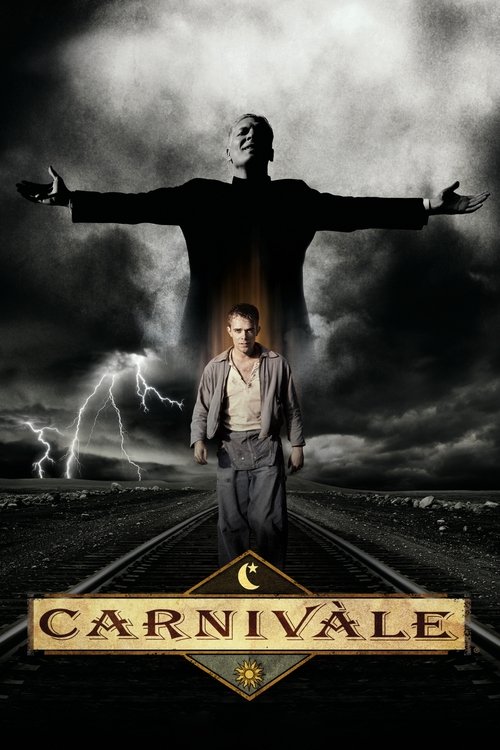
8. Carnivàle
HBO went all-in on a sprawling, surreal epic set during the Dust Bowl. Carnivàle was pure atmosphere, a dreamlike, mythological serialized saga that embraced ambiguity and slow-burn mystery. Its cinematic scope, intricate production design, and massive ensemble cast felt like a big-screen movie stretched across television. It showed cable's willingness to invest heavily in niche, challenging narratives, even if its grand, unresolved mysteries left some viewers frustrated.
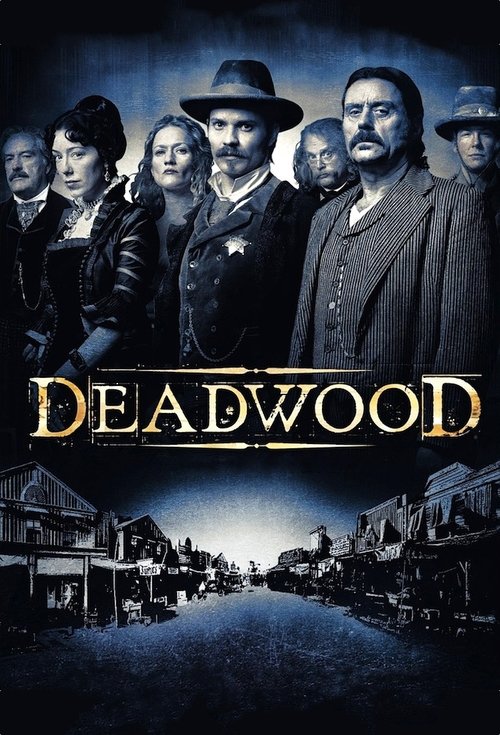
9. Deadwood
David Milch rewrote the Western with Deadwood. This wasn't your father's frontier; it was a foul-mouthed, brutal, and historically grimy vision of an emerging society. The language was poetic and profane, the characters deeply flawed, and the serialized arcs unfolded with Shakespearean ambition. It felt like watching a sprawling, cinematic novel unfold, showcasing HBO's commitment to distinct authorial voices and pushing the boundaries of historical drama.
10. Terriers
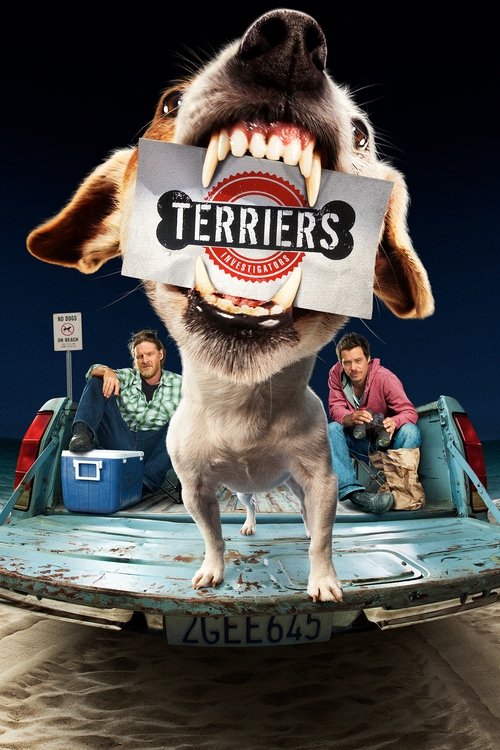
This FX gem was a low-key marvel, a neo-noir detective story about two down-on-their-luck PIs. It blended humor, pathos, and a serialized mystery with a lived-in, naturalistic feel. It wasn't flashy, but its character depth, sharp writing, and commitment to portraying everyday struggles elevated it far beyond a simple procedural. It exemplified the cable trend of character-driven, genre-bending storytelling that rewarded patient viewing.
11. Rubicon
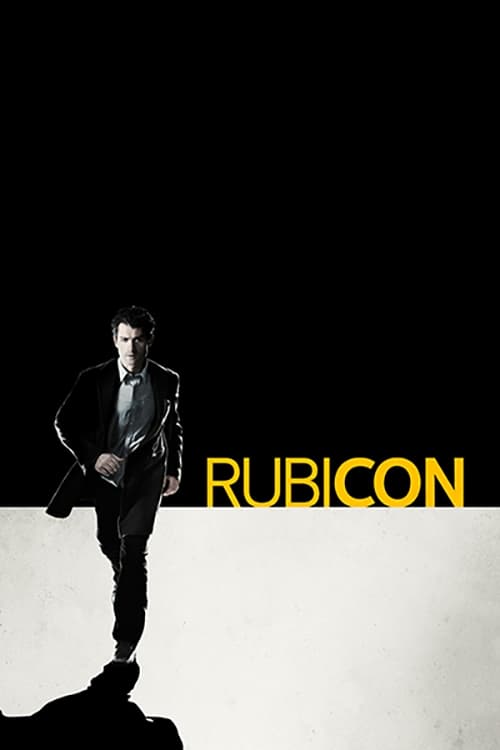
AMC, fresh off Mad Men and Breaking Bad, delivered this quiet, cerebral conspiracy thriller. Rubicon was a slow burn, meticulously crafted, demanding attention to detail. It was subtle, focusing on mood, paranoia, and intellectual puzzles rather than explosions. It showed cable's willingness to back challenging, niche dramas that trusted their audience to engage with complex, serialized narratives, proving that not every "prestige" show needed to be loud.