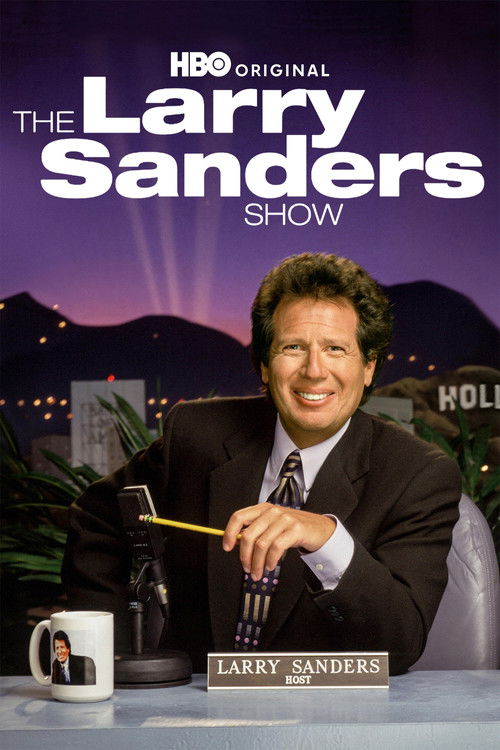
1. The Larry Sanders Show
Garry Shandling just went for it, peeling back the veneer of late-night TV with a show that felt startlingly real. This wasn't a sitcom with a laugh track; it was a mockumentary before that term was common, raw and uncomfortable, showing the fragile egos and backbiting behind the smiles. It proved a cable channel could be home to sharp, character-driven comedy that didn't talk down to its audience, setting a new bar for what 'funny' could mean.
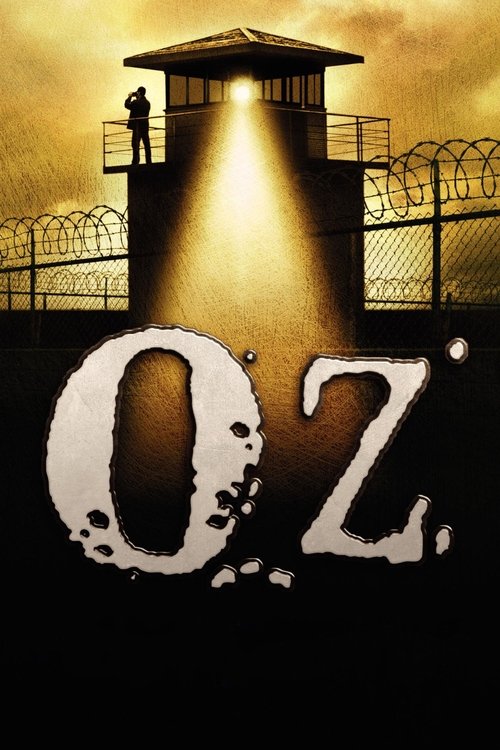
2. Oz
Before HBO was *HBO*, there was *Oz*. This show hit you like a punch to the gut, a brutal, serialized look inside a maximum-security prison. It was an ensemble piece with no heroes, just shades of grey, pushing boundaries with its raw violence and adult themes. It showed that cable wasn't just for movies; it could deliver uncompromising, character-driven drama that network TV wouldn't touch.
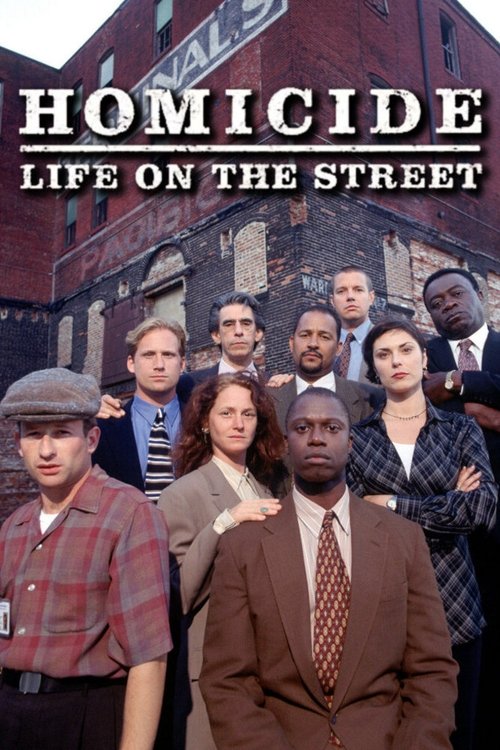
3. Homicide: Life on the Street
Barry Levinson and David Simon gave us something truly groundbreaking with *Homicide*. It felt like a movie every week, with its jump cuts, handheld cameras, and a grimy, authentic Baltimore setting. This wasn't your father's neat procedural; it was about the toll the job took, the moral ambiguities, and the lived-in ensemble characters. It blurred lines, making network TV feel almost cinematic and deeply human.
4. Six Feet Under
Six Feet Under took a premise – a family running a funeral home – and turned it into an exquisite, darkly comedic meditation on life, death, and family dysfunction. It was pure HBO, character-driven, beautifully shot, and unafraid to explore the messy, uncomfortable truths of existence. The serialized storytelling, with each episode starting with a death, gave it a unique structure that was both morbid and profoundly life-affirming.
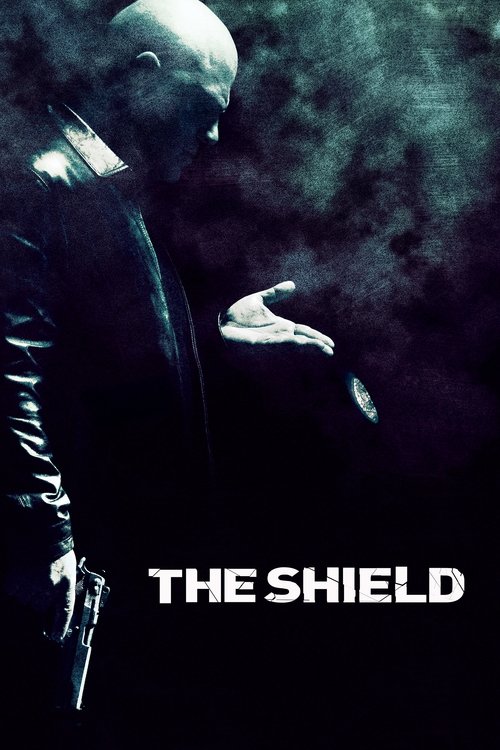
5. The Shield
FX threw down the gauntlet with *The Shield*, introducing Vic Mackey, TV's first truly compelling anti-hero before everyone else jumped on the bandwagon. This show was aggressive, morally ambiguous, and totally serialized, dragging you into the corrupt world of the Strike Team. It proved that basic cable could be as bold and character-driven as premium, delivering a visceral, uncompromising look at law enforcement.
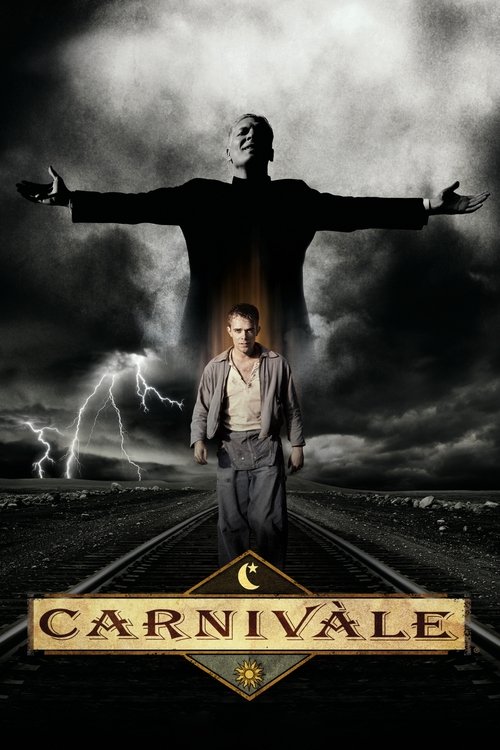
6. Carnivàle
Carnivàle was HBO swinging for the fences, a visually stunning, incredibly ambitious period piece set during the Great Depression. Its sprawling, surreal narrative, rich mythology, and cinematic scope made it feel like nothing else on television. It was a commitment, demanding attention with its slow burn and complex ensemble, but it showed how TV could deliver a truly unique, almost dreamlike serialized epic.
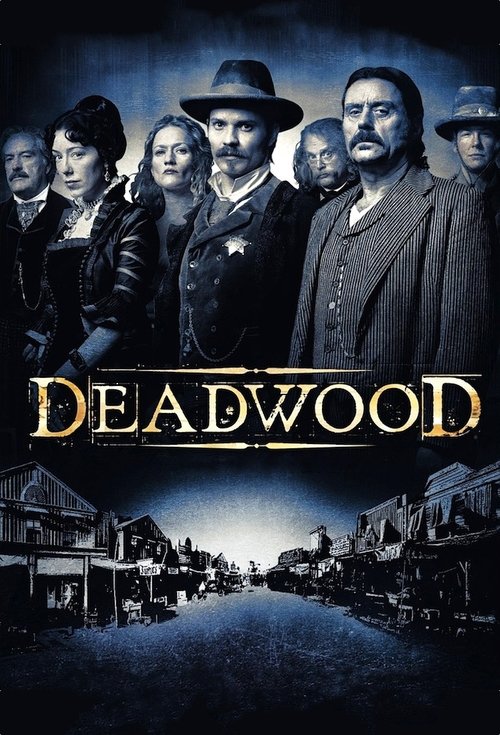
7. Deadwood
Deadwood took the Western and reinvented it with David Milch's poetic, profanity-laced dialogue. This wasn't your clean-cut cowboy show; it was a filthy, brutal, deeply human look at the birth of a town, driven by an incredible ensemble cast. It showed that TV could be as literary and complex as the best novels, creating an immersive historical world that felt utterly alive and dangerous.
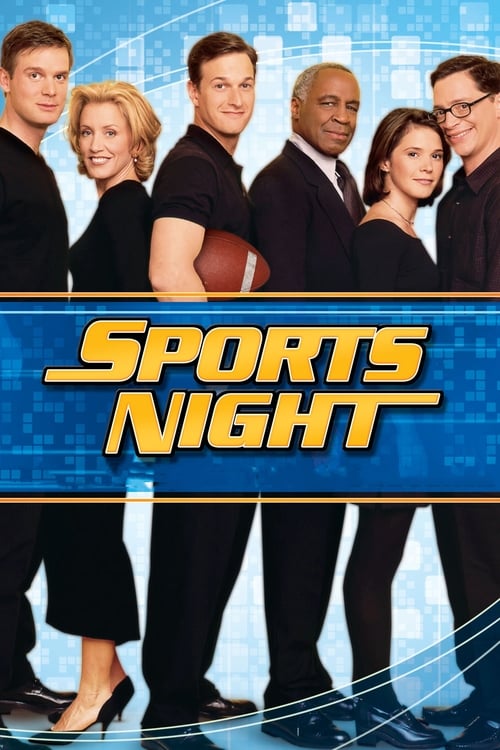
8. Sports Night
Aaron Sorkin's *Sports Night* was a masterclass in rapid-fire dialogue and intelligent storytelling, set in the pressure-cooker world of a cable sports news show. It blended sharp comedy with genuine drama, pioneering a smart, single-camera style that felt more cinematic than typical sitcoms. It was an early taste of the serialized, character-driven workplace dramedy, proving smart writing could elevate any premise.
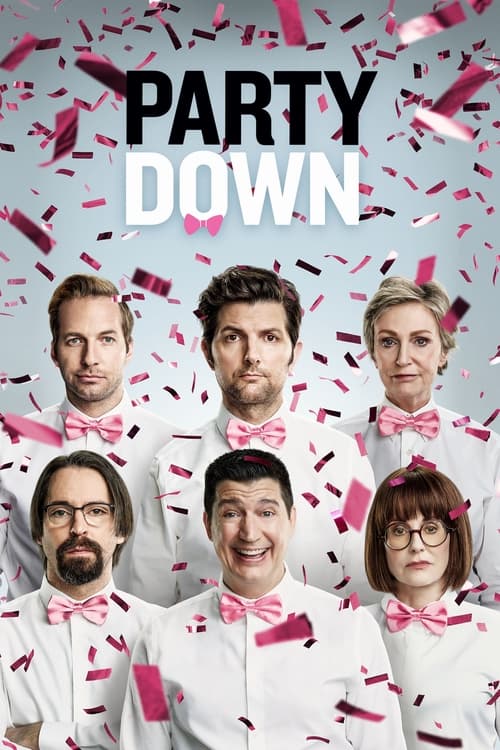
9. Party Down
Party Down was a gem, a brilliant ensemble comedy that captured the soul-crushing reality of Hollywood hopefuls stuck catering parties. Its cringe humor and bittersweet tone felt ahead of its time, almost mockumentary-like in its observational style. It was a show that probably found its true audience later, a perfect example of the kind of cult hit that would thrive in the burgeoning on-demand landscape.
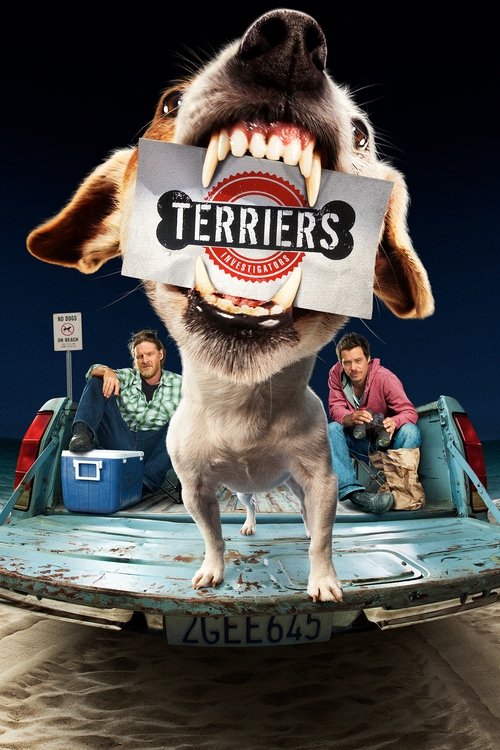
10. Terriers
Terriers was a fantastic, gritty neo-noir that deserved so much more love. It was a deeply serialized, character-driven story about two unlicensed private investigators, full of moral compromises and genuine stakes. FX took a real swing, showcasing that even a show about seemingly small-time crooks could deliver complex, compelling drama with cinematic flair. It was an early example of premium cable quality on basic.

11. Treme
David Simon returned with *Treme*, a sprawling, atmospheric dive into post-Katrina New Orleans. It wasn't about a single plot; it was an ensemble piece, a mosaic of lives, music, and culture trying to rebuild. This was TV as a slow-burn experience, demanding patience but rewarding viewers with an authentic, deeply human portrayal of a city and its spirit, showcasing TV's ability to tackle complex social narratives.