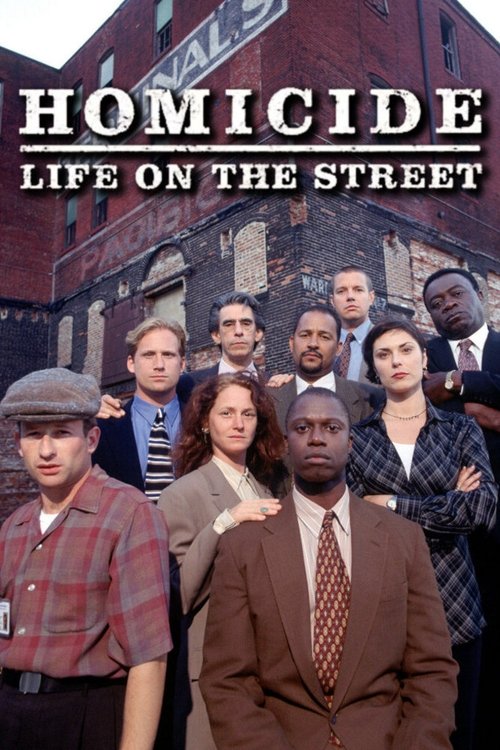
1. Homicide: Life on the Street
This show ripped the procedural rulebook apart. Baltimore never looked so grimly real, thanks to handheld cameras and a cast that felt like actual people, not polished actors. It wasn't about solving the case neatly; it was about the grind, the moral ambiguities, and the psychological toll. This was prestige drama before we even called it that, setting a new bar for how gritty and complex TV could be.
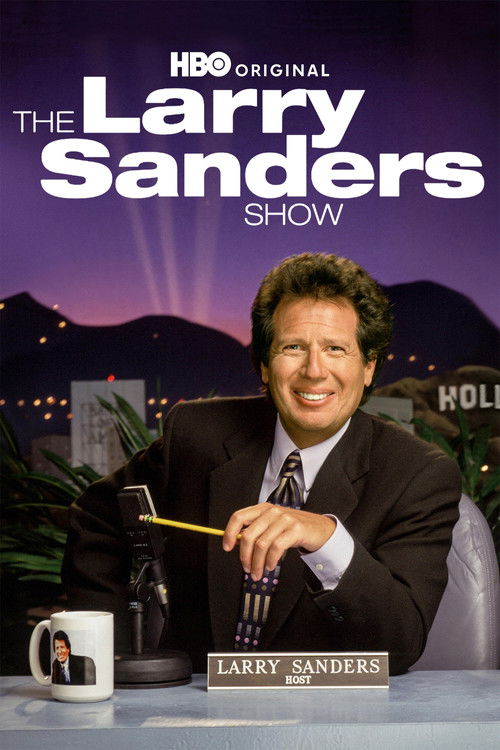
2. The Larry Sanders Show
Forget the shiny facade of late-night talk shows. Larry Sanders pulled back the curtain, revealing a cesspool of ego, insecurity, and backstabbing. Garry Shandling was brilliant, making us laugh uncomfortably as we watched these characters self-destruct. It perfected the cringe-comedy before that term existed, laying groundwork for mockumentary styles and showing that TV could dissect itself.
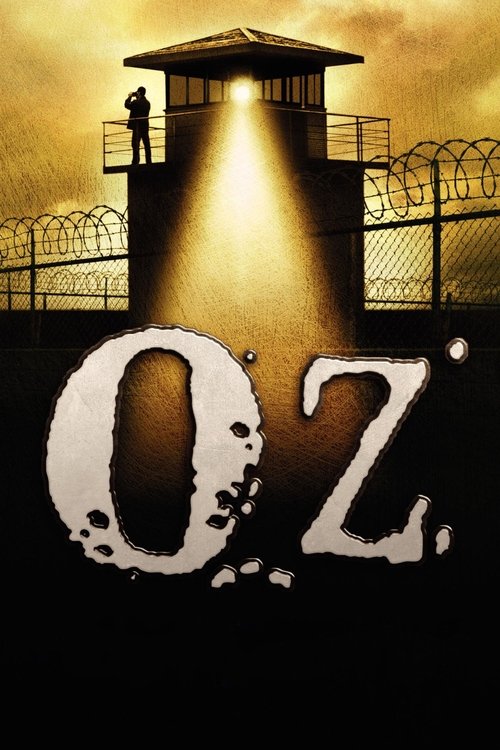
3. Oz
HBO didn't just push boundaries with Oz; they obliterated them. This wasn't some sanitized prison drama; it was raw, brutal, and unapologetically dark. The ensemble was incredible, each character a study in moral decay or desperate survival. It proved cable could tackle subjects broadcast wouldn't touch, establishing a new kind of serialized, high-stakes storytelling that demanded your full, uncomfortable attention.
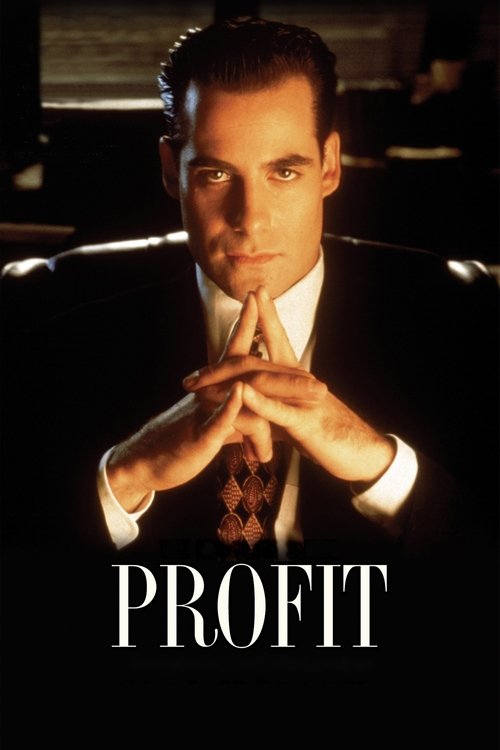
4. Profit
Fox gave us a villain protagonist so chillingly amoral, it felt like a dare. Jim Profit was a corporate psychopath, and the show reveled in his Machiavellian schemes. It was ahead of its time, a dark, cynical look at unchecked capitalism, predating later anti-hero trends. Too extreme for the networks then, but a cult classic now, showcasing a risk-taking narrative that TV was just starting to explore.
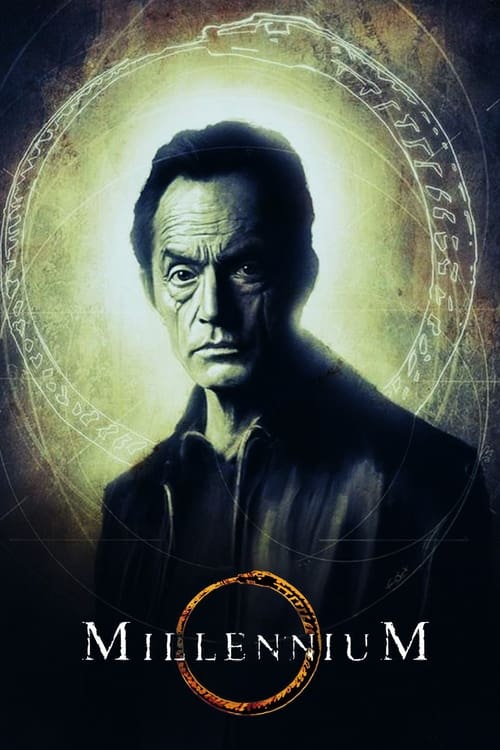
5. Millennium
Coming off *The X-Files*, Chris Carter went even darker, exploring the psychological horrors and encroaching dread of the new millennium. Frank Black's ability to see into the minds of killers was a haunting premise. It was moody, atmospheric, and serialized in a way that kept you guessing, pushing the boundaries of network sci-fi horror and proving that even a broadcast show could embrace existential gloom.
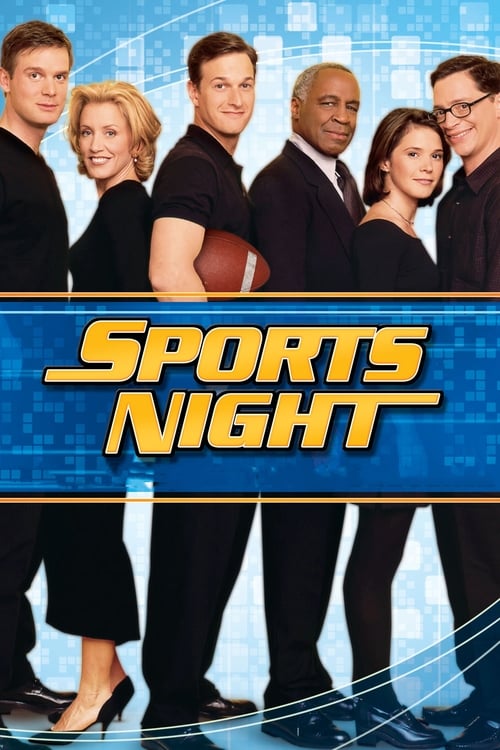
6. Sports Night
Aaron Sorkin's signature rapid-fire dialogue found its early rhythm here, albeit with a laugh track that always felt out of place. This show was about the people behind the sports news, their idealism, their flaws, and their quick wit. It blended comedy and drama, hinting at the ensemble brilliance and sharp writing that would define Sorkin's later, more celebrated works, showing character-driven depth in a sitcom format.
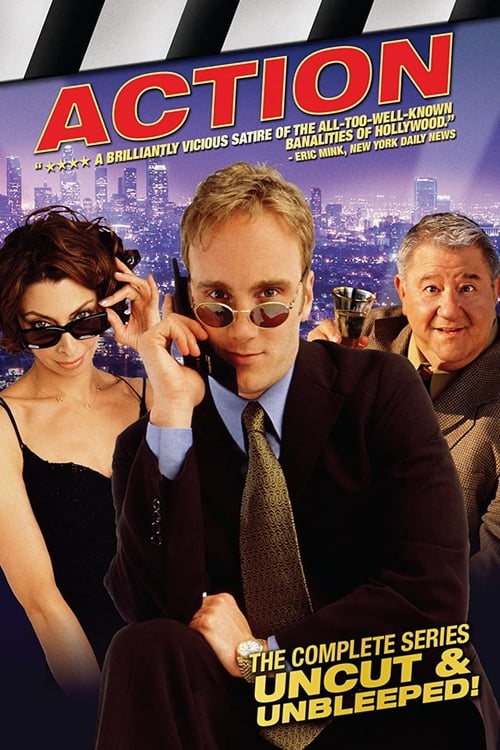
7. Action
Talk about biting the hand that feeds you. This short-lived series savaged Hollywood with a vicious, no-holds-barred satire. Jay Mohr played a truly reprehensible producer, and the show reveled in its cynicism and vulgarity. It was brilliantly dark, fearless, and utterly unconcerned with being likable. Too bold for its time, perhaps, but a clear sign that TV was getting sharper, meaner, and more self-aware.
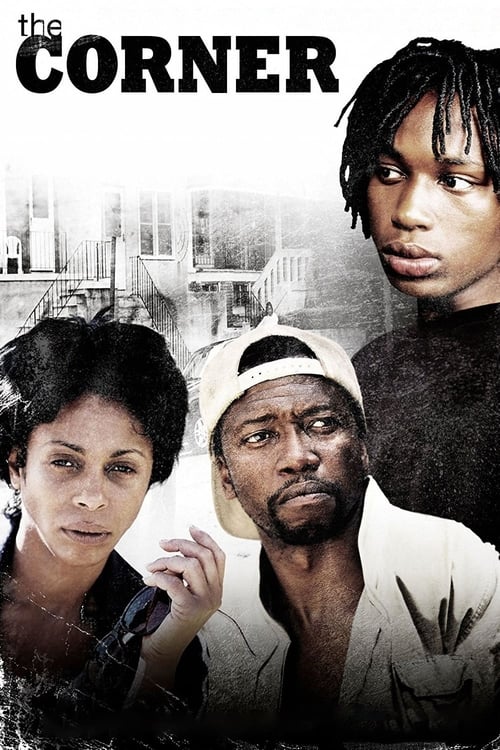
8. The Corner
This HBO miniseries was a gut punch, adapting David Simon and Ed Burns' non-fiction book about drug dealers and addicts in West Baltimore. It was stark, unflinching, and felt more like a documentary than a drama. The raw realism, the complex characterizations, and the deep dive into systemic issues laid crucial groundwork for *The Wire*, proving TV could tackle vital social commentary with devastating accuracy.
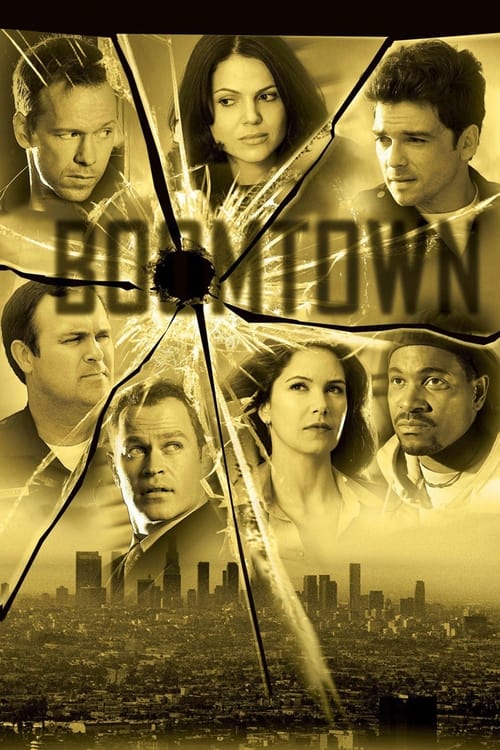
9. Boomtown
This show was a structural marvel, presenting a single crime from multiple perspectives – police, victim, suspect, prosecutor – each episode. It was ambitious, complex, and demanded attention, showcasing a daring approach to narrative storytelling that was rare for network TV. The ensemble cast was solid, making this a smart, often overlooked procedural that pushed the genre forward with its innovative format.
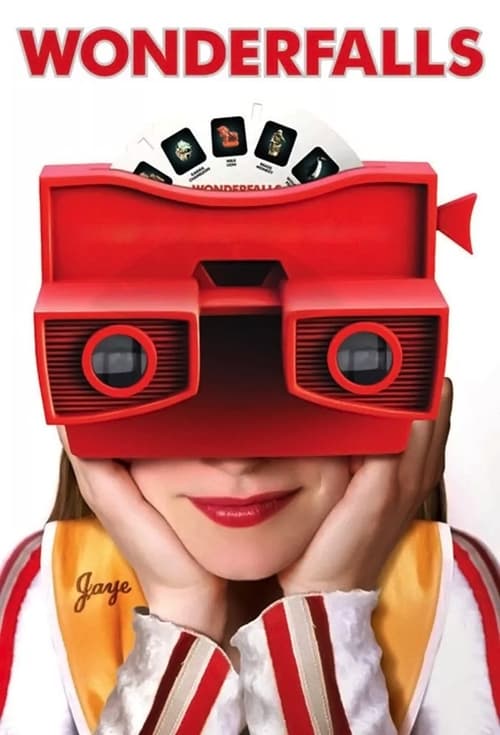
10. Wonderfalls
Bryan Fuller's quirky, brilliant show about a cynical gift shop employee who talks to inanimate objects was pure magic. It blended fantasy, comedy, and drama with a unique visual style and sharp dialogue. It was too weird, too smart for network television then, quickly canceled, but it was a clear precursor to the kind of imaginative, serialized storytelling that would thrive later on cable and streaming.
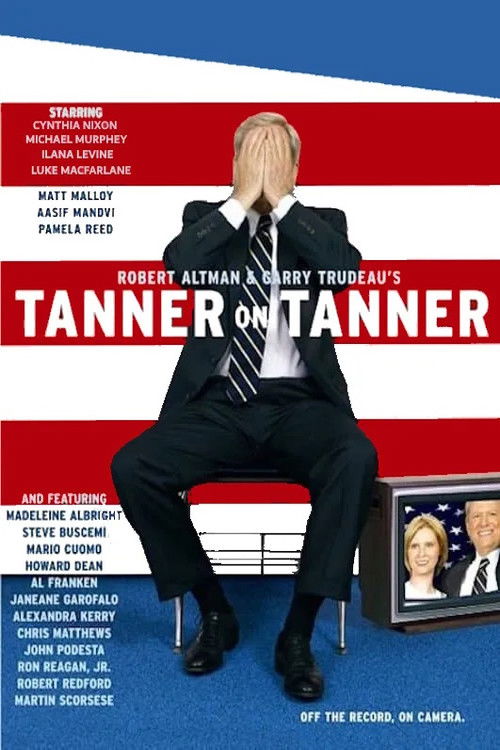
11. Tanner on Tanner
Robert Altman returned to his mockumentary character Jack Tanner, a fictional presidential candidate, almost two decades after the original. This miniseries, airing on Sundance Channel and available on demand, was a sharp, satirical look at politics and media. It was an early example of content created specifically for a niche cable channel and for on-demand platforms, hinting at TV's future distribution models.