1. Homicide: Life on the Street
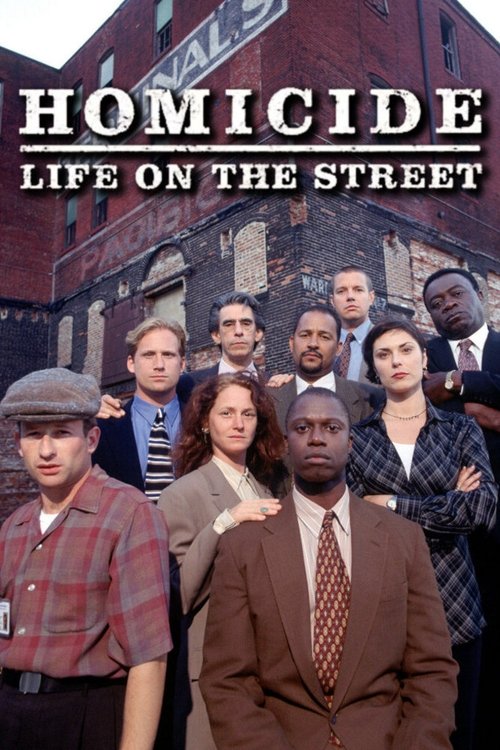
Before prestige was a buzzword, *Homicide* dropped us into a Baltimore precinct, ditching the neat procedural arcs for something messy and real. Barry Levinson's influence was clear, with handheld cameras and overlapping dialogue making it feel less like television and more like vérité filmmaking. It wasn't always easy viewing, but it demanded your attention, showing network TV could be more than just episodic comfort food. It laid groundwork for what was coming next.
2. Sports Night
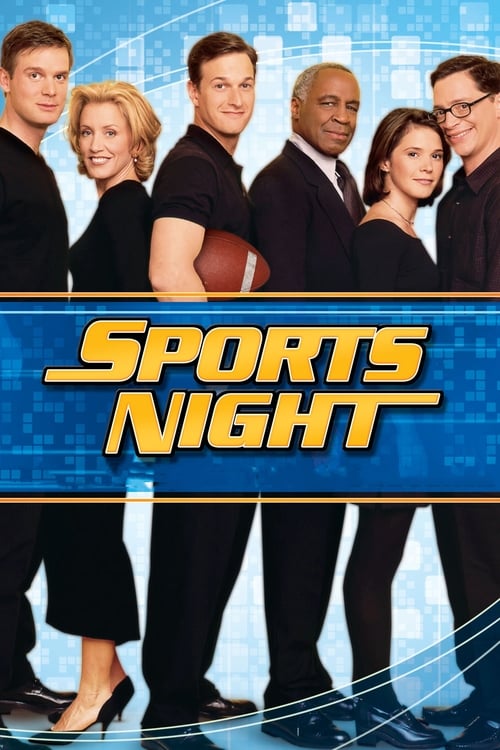
Aaron Sorkin’s debut, *Sports Night*, was a revelation. It played like a stage show, all rapid-fire banter and walk-and-talks, but set in a sports news studio. It was smart, funny, and surprisingly poignant, proving a half-hour format could carry deep character arcs and dramatic stakes alongside the laughs. You could feel the ambition, pushing beyond sitcom conventions, hinting at the smart, serialized workplace dramas that would follow.
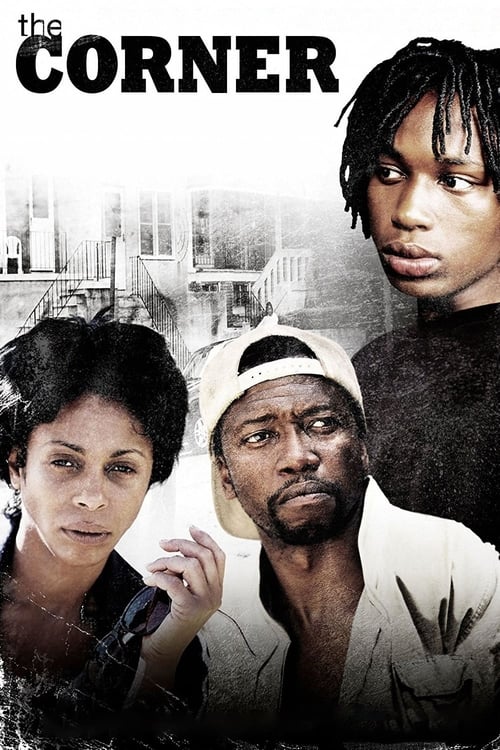
3. The Corner
Before *The Wire* blew minds, there was *The Corner*. This HBO miniseries was a stark, unflinching look at drug addiction and poverty in West Baltimore, presented with a documentary-like intensity. It wasn't entertainment in the traditional sense; it was immersion. The performances felt lived-in, the stories heartbreakingly real. This wasn't background noise; it was a gut punch, proving cable had the guts and the budget to tackle stories network TV wouldn't touch.
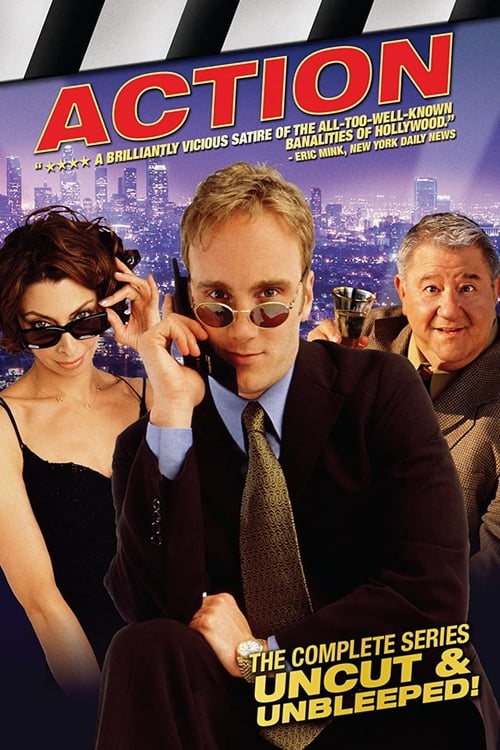
4. Action
*Action* was a foul-mouthed, cynical bombshell that felt ahead of its time. It lampooned Hollywood with a gleeful, mean-spirited abandon, starring a truly despicable producer. This was Fox pushing boundaries, testing how far they could go with a truly unlikeable protagonist and a brutal, dark sense of humor. It was short-lived, but it showed that TV could be nasty, subversive, and still incredibly sharp, paving the way for later anti-hero explorations.
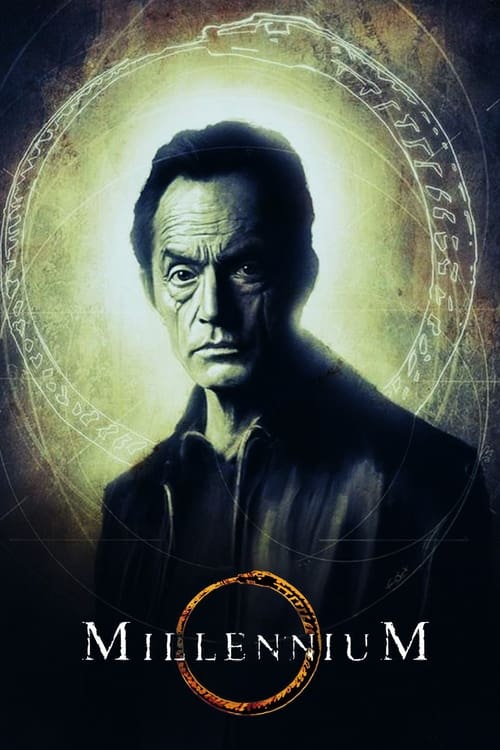
5. Millennium
From Chris Carter, *Millennium* plunged viewers into a world darker and more unsettling than *The X-Files*. Frank Black's ability to see through the eyes of killers made for genuinely disturbing, atmospheric viewing. It was serialized, often bleak, and pushed the boundaries of network television horror, grappling with existential dread and the nature of evil. It wasn't an easy watch, but it demonstrated network TV could commit to a sustained, grim tone.
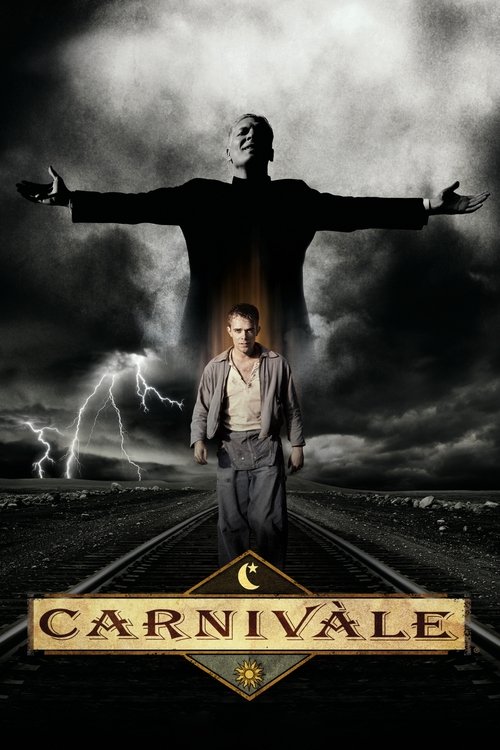
6. Carnivàle
*Carnivàle* was HBO throwing money at a mood. It was visually stunning, sprawling, and deeply weird, set against the dust-bowl backdrop of the 1930s. The dense mythology and slow-burn narrative demanded full attention, unfolding like a grand, dark novel. This was television as event, proving cable could craft intricate, almost cinematic sagas that were more about atmosphere and mystery than immediate answers. It was a commitment, but it paid off.
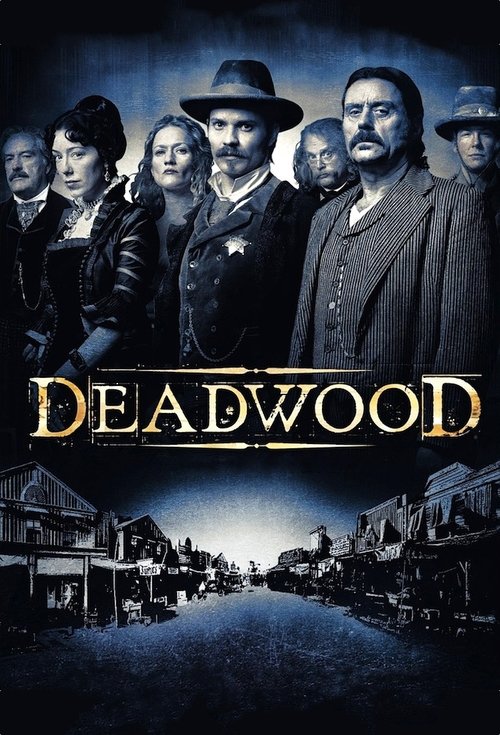
7. Deadwood
David Milch’s *Deadwood* redefined the Western. This wasn't your father's frontier; it was a brutal, poetic, foul-mouthed landscape. The dialogue was an art form in itself, dense and rich, demanding you lean in and listen. HBO let Milch craft a truly adult, character-driven epic, blending historical grit with Shakespearian gravitas. It proved cable wasn't just for shock value; it was for elevating storytelling to an entirely new, literary level.
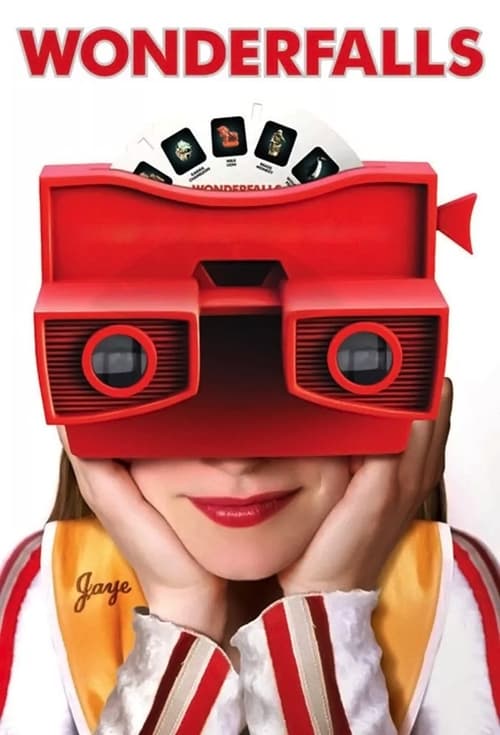
8. Wonderfalls
*Wonderfalls* was pure Bryan Fuller: whimsical, dark, and utterly unique. A cynical college dropout starts getting life advice from inanimate objects, leading to bizarre and often hilarious situations. It was quirky, smart, and had a distinctive visual style, pushing the boundaries of what a network comedy-drama could be. Though short-lived, it showed that even mainstream channels could flirt with surrealism and a truly original voice, building a loyal following.
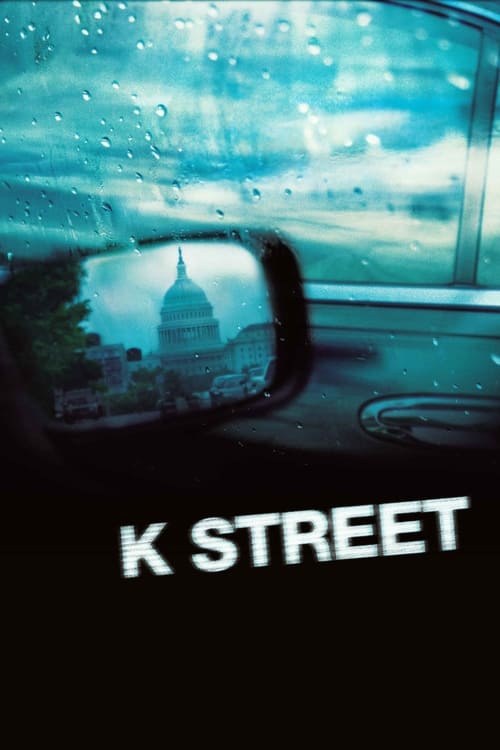
9. K Street
*K Street* was a wild experiment from Soderbergh and Clooney, blurring lines between fiction and reality. It filmed almost in real-time, with actors improvising alongside actual political figures, reacting to the week's news. It felt raw, immediate, and utterly unprecedented. This wasn't just a show; it was an experience, foreshadowing the kind of hybrid, reactive storytelling that streaming services would later chase. It pushed the boundaries of what "episodic" even meant.
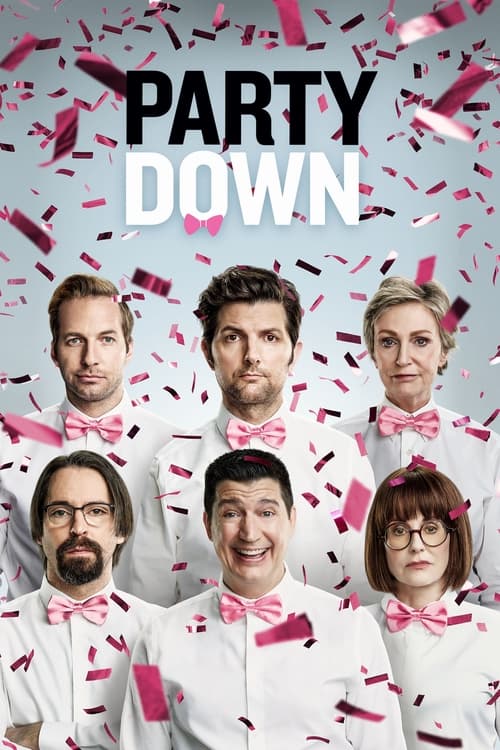
10. Party Down
*Party Down* was a gem, a brilliant, melancholy comedy about a crew of aspiring Hollywood types stuck catering parties. It was sharp, witty, and surprisingly poignant, finding humor in failed dreams and mundane struggles. The ensemble cast was perfect, and the mockumentary-lite style added to its grounded, awkward charm. It cemented the idea that a niche, character-driven comedy could thrive, building a cult following who understood its unique, bittersweet rhythm.
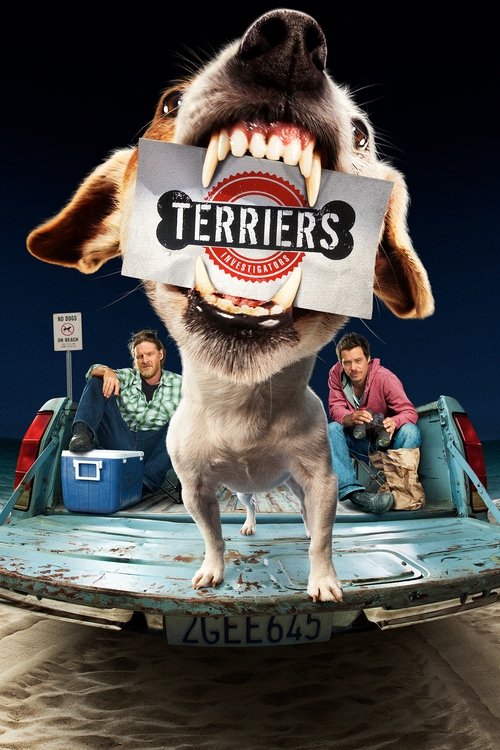
11. Terriers
*Terriers* was FX at its best: a character-driven, neo-noir gem about two unlicensed private investigators in San Diego. It had a rough charm, a perfectly imperfect duo, and a serialized mystery that slowly unraveled. It felt cinematic, lived-in, and authentic, with a tone that blended humor and melancholy seamlessly. An absolute crime it only got one season, but it proved that cable could deliver complex, compelling, and ultimately heartbreaking narratives.