1. Profit
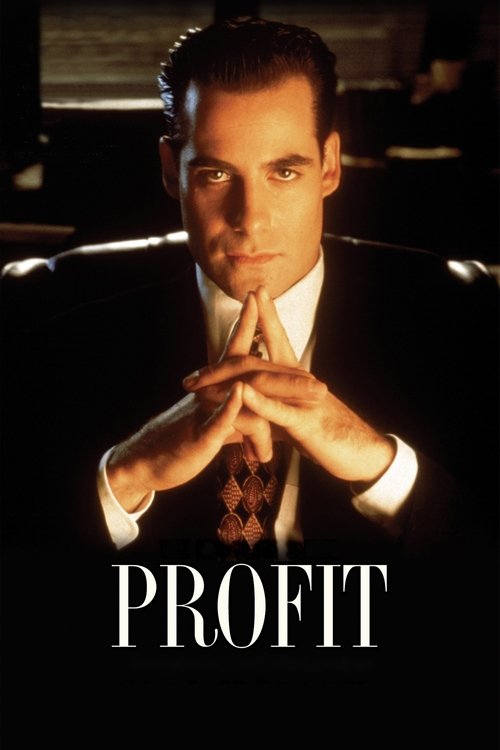
Before cable truly owned the anti-hero, there was *Profit*. John Profit wasn't just morally ambiguous; he was outright sociopathic, manipulating everyone around him with chilling precision. This Fox experiment proved network television *could* go dark, exploring corporate greed and ambition in a serialized way that felt genuinely dangerous. It was a glimpse into the kind of twisted, serialized character studies we'd later see thrive, but *Profit* got there first, almost too bold for its own good in '96.
2. Sports Night
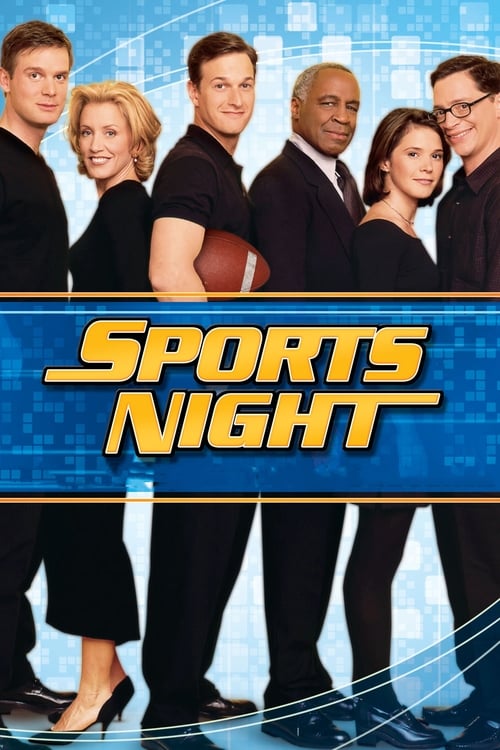
Aaron Sorkin’s debut, *Sports Night*, was a masterclass in dialogue and ensemble dynamics. It played like a stage play often, but its quick-witted, walk-and-talk style redefined how much information and emotion could be packed into a half-hour. This wasn't a laugh track sitcom; it was a dramedy before the term was commonplace, showing us that television could blend sharp humor with genuine pathos, offering a glimpse into the demanding, often absurd world behind the sports desk. It was smart, fast, and felt *real*.
3. Freaks and Geeks
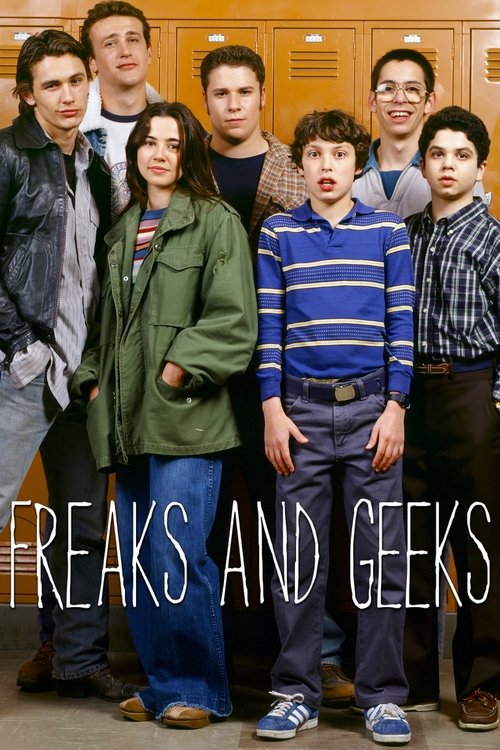
*Freaks and Geeks* wasn't just a high school show; it was an anthropological study. It stripped away the usual TV gloss, presenting adolescence with a brutal, hilarious honesty that was frankly unsettling for broadcast in '99. Every character, from the popular to the profoundly awkward, felt like someone you knew. It showed that serialized storytelling could tackle universal experiences with incredible nuance, proving that TV could be as deeply felt and character-driven as any indie film, even if it meant not getting a second season.
4. Firefly
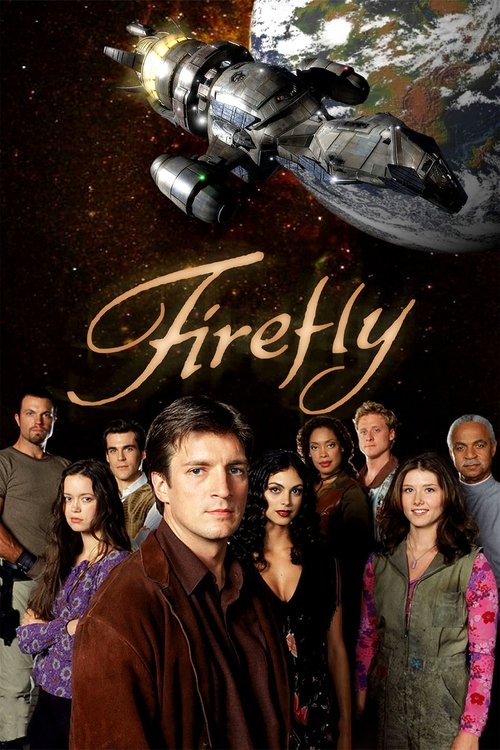
*Firefly* took the grit of the Old West and blasted it into space, proving that genre-bending could produce something truly unique. Its ensemble cast, navigating moral gray areas on the fringes of society, resonated deeply. This was serialized sci-fi with a cinematic scope, treating its characters and their journey with a seriousness often reserved for feature films. The passion of its fans, even after its premature cancellation, highlighted how deeply audiences were connecting with complex, serialized worlds, demanding more than episodic, predictable fare.
5. Boomtown
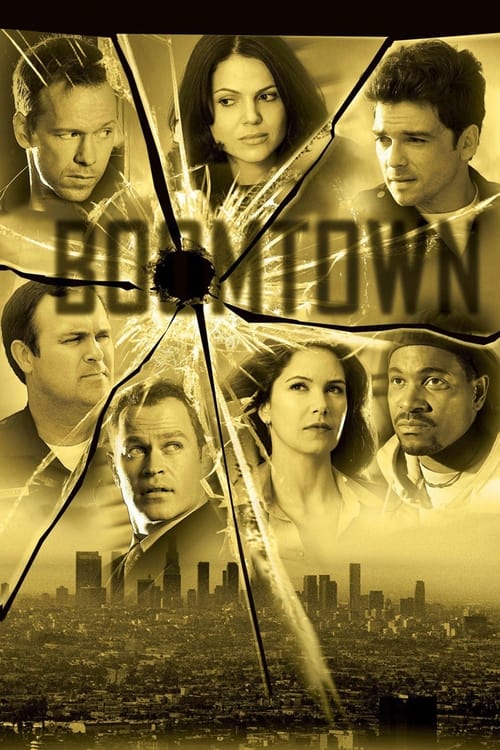
*Boomtown* was a procedural that dared to be avant-garde. Each episode revisited a single crime from multiple perspectives – police, perpetrator, victim – blurring the lines of heroes and villains. This non-linear, *Rashomon*-style approach was incredibly ambitious for network TV in '02, treating its audience with intelligence. It pushed the boundaries of what a crime drama could be, showing how a familiar genre could be reinvented through innovative storytelling, emphasizing character depth over simple case-of-the-week resolutions.
6. The Shield
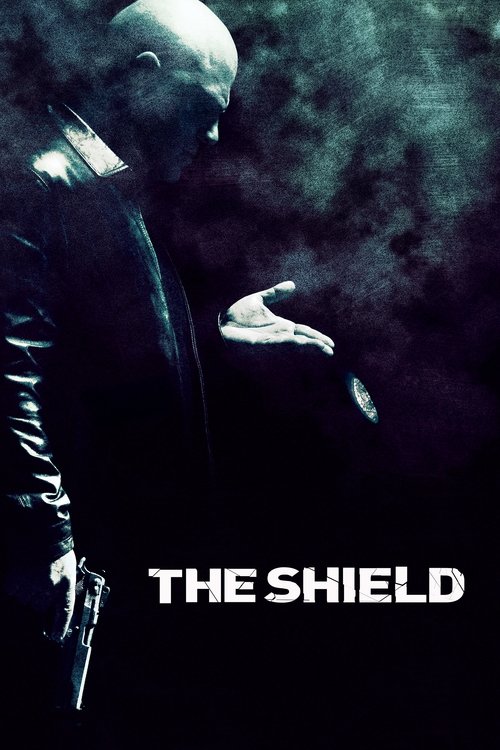
*The Shield* hit FX like a gut punch in '02, ripping open the idea of the "good cop." Vic Mackey wasn't just flawed; he was a brutal anti-hero, and the show dared you to root for him. This was cable risk-taking personified, exploring institutional corruption and moral compromise with unflinching honesty. Its serialized narrative allowed for deep, complex character development, proving that television could tackle profoundly dark themes and challenging protagonists, pushing beyond network constraints into truly adult storytelling.
7. Arrested Development
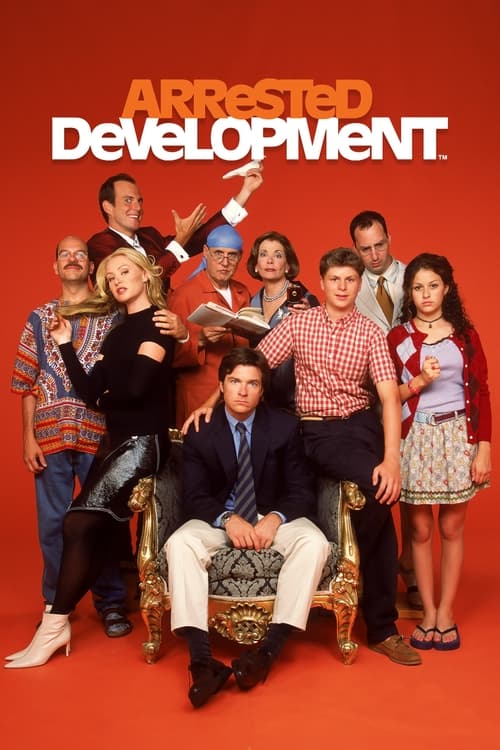
*Arrested Development* was a comedy operating on another level entirely. Its mockumentary style, dense layering of running gags, and commitment to serialized callbacks made it a show that rewarded rewatching. This wasn't your typical sitcom; it demanded your attention, trusting audiences to keep up with its intricate, often absurd narrative. It showed that comedy could be smart, innovative, and deeply character-driven, laying groundwork for future shows that broke from traditional laugh-track formats and found passionate, discerning audiences.
8. K Street
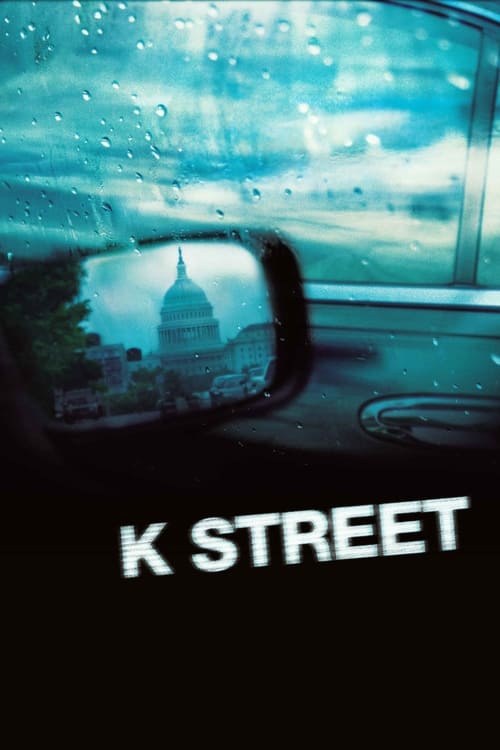
Steven Soderbergh's *K Street* was a fascinating, often baffling, experiment for HBO in '03. Blurring the lines between fiction and reality, it featured real political figures playing themselves, improvising storylines that mirrored current events. It was raw, immediate, and utterly unconventional, a precursor to the kind of "ripped from the headlines" immediacy we'd later chase with on-demand. While perhaps too niche for widespread appeal, it signaled cable's willingness to fund bold, auteur-driven projects that challenged traditional TV formats.
9. Wonderfalls
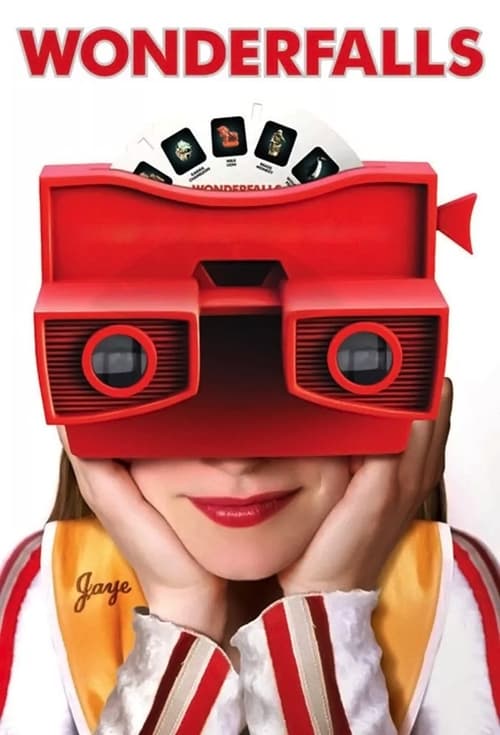
Bryan Fuller's *Wonderfalls* was a singular, quirky gem from '04, a magical realist dramedy about a cynic whose life gets upended by talking animal figurines. Its unique voice, blend of humor and pathos, and commitment to a serialized character journey felt fresh and innovative. It proved that network TV could host highly stylized, deeply imaginative narratives, even if only for a short run. It was distinct, proving that shows could be wonderfully weird and still emotionally resonant, finding its audience through passionate word-of-mouth.
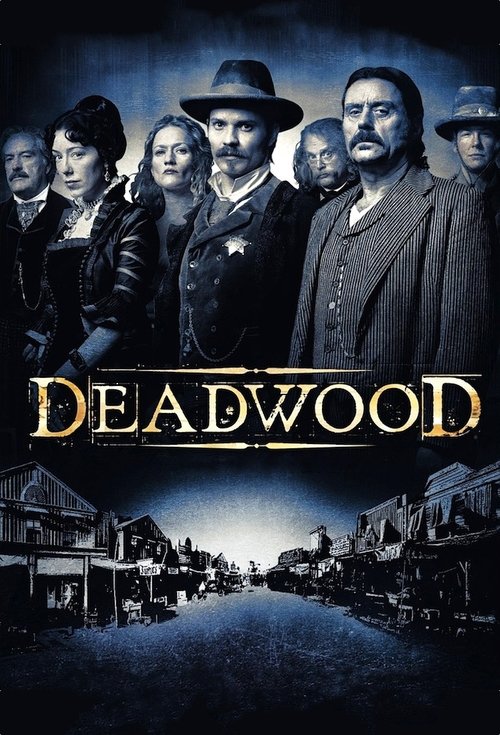
10. Deadwood
*Deadwood* wasn't just a Western; it was a Shakespearean epic set in the mud and grime of the Dakota Territory. Its dense, poetic dialogue and sprawling ensemble cast created a world that felt lived-in and brutally authentic. This HBO series from '04 was peak prestige television, proving that historical dramas could be incredibly complex, morally ambiguous, and cinematic in their scope. It showed television could elevate its language and storytelling, creating a truly immersive, serialized experience unlike anything seen before.
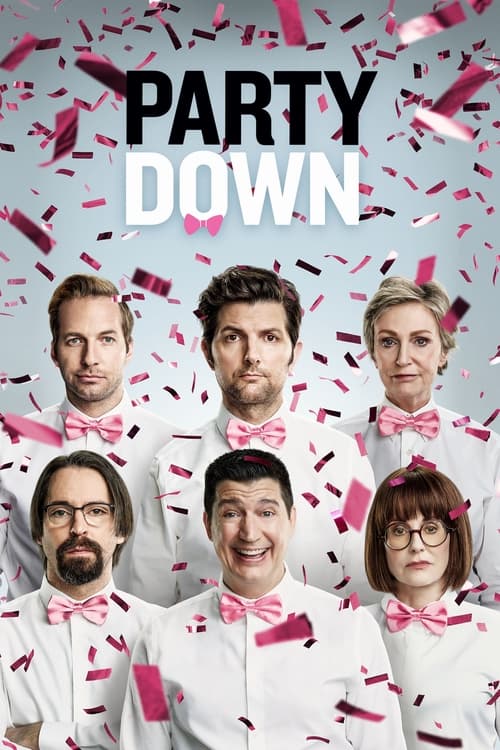
11. Party Down
*Party Down* was a brilliant, melancholic comedy from Starz in '09 about a group of aspiring Hollywood types stuck catering events. Its ensemble cast delivered razor-sharp wit and moments of genuine heartbreak, revealing the quiet desperation beneath the surface of their comedic performances. This was a cringe comedy masterclass with serialized emotional arcs, proving that even niche cable channels could produce incredibly smart, character-driven shows that resonated deeply, finding its true appreciation later as on-demand options made discovery easier.