


1. Gospel Train (Expanded Edition)
Before rock, before soul, there was this raw, unbridled force. This expanded edition serves as a stark reminder of gospel's deep spiritual urgency, its call-and-response blueprint shaping everything from blues to early R&B. It's a primal scream and a communal embrace, laying down the rhythmic and emotional foundation for entire genres to follow. This is where the fire started.

2. Esquerita!
If Little Richard was a wildman, Esquerita was a supernova. This cat pounded the piano like it owed him money, his voice a banshee wail, his stage presence pure, unadulterated mayhem. He took the blues stomp and the gospel shout, injected them with pure adrenaline, and birthed something so flamboyantly defiant, it made the nascent rock 'n' roll scene look tame. A true proto-punk visionary.

3. Rumble / The Swag
Link Wray didn't just play guitar; he attacked it. 'Rumble' wasn't just a song, it was a declaration, a guttural snarl of distortion that punched through the airwaves. This single tore up the clean-cut ethos of early rock, paving the way for every garage band, every punk rocker, and every metalhead who ever wanted to make their guitar sound dangerous. It’s primal, menacing, and utterly essential.

4. The Parable Of Arable Land - God Bless The Red Krayola And All Who Sail With It
This record arrived like a transmission from another dimension. The Red Krayola tore down the very idea of a song, replacing melody with jarring dissonance and structure with free-form chaos. It’s an intellectual, anti-commercial blast of psychedelic noise, a true avant-garde statement that challenged listeners to rethink music entirely. A blueprint for post-punk's angular explorations.
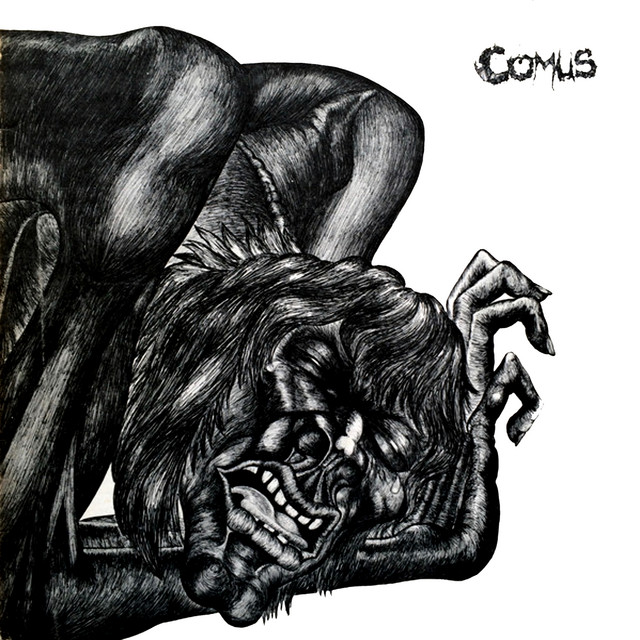
5. First Utterance
Comus crafted a sonic world that was as beautiful as it was unsettling. This isn't your campfire folk; it's pagan rituals in dense, shadowed woods. Their intricate acoustic arrangements and haunting, often disturbing lyrics carved out a unique space, blending folk's ancient roots with a chilling, progressive edge that few dared to tread. It's the sound of folk turning truly dark.
6. Faust IV (Deluxe Edition)
Faust, those krautrock wizards, didn't just break the rules; they melted them down into abstract shapes. This album is a sprawling, industrial-tinged journey, marrying mechanical rhythms with avant-garde experimentation and minimalist drone. It’s a testament to sound as texture, a blueprint for ambient and industrial music, proving that rock could be intellectual, challenging, and profoundly weird.
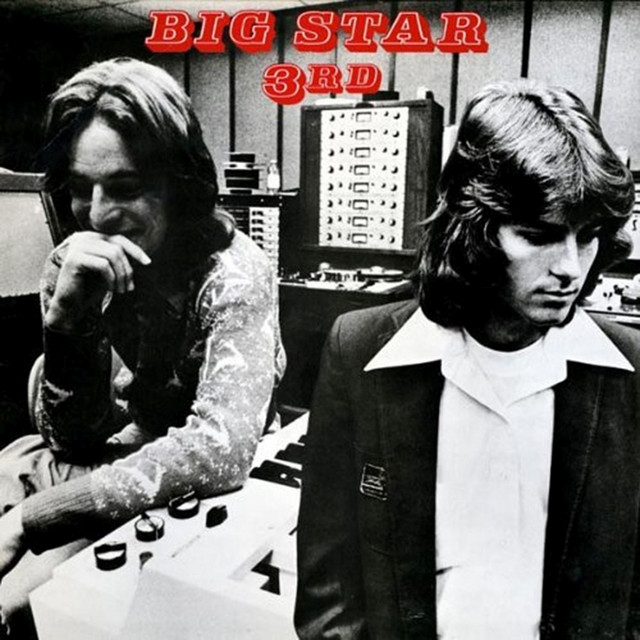
7. Third
Soft Machine's 'Third' isn't just an album; it's a four-side epic. They took jazz's improvisational spirit and fused it with the raw power of progressive rock, creating sprawling instrumental suites that defied easy categorization. It’s a testament to musical freedom, pushing the boundaries of what a rock band could be, deeply influencing the Canterbury scene and beyond. Pure sonic exploration.
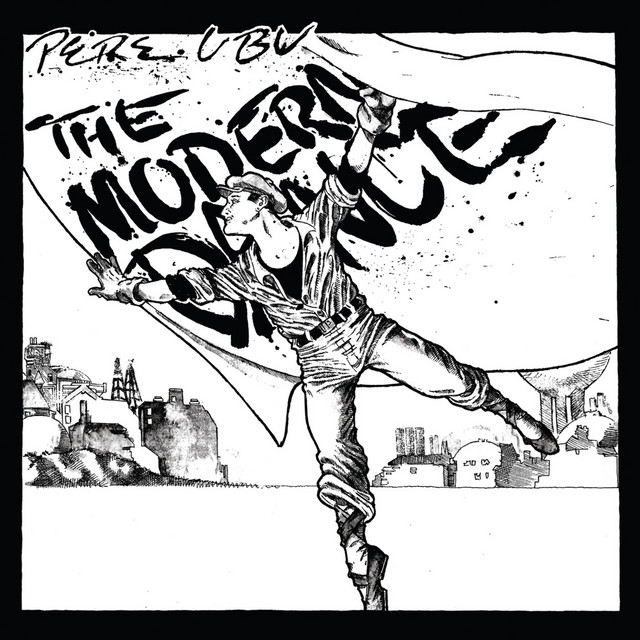
8. The Modern Dance
Pere Ubu’s debut was a jarring, angular assault on convention. David Thomas’s yelp, the industrial clang, the unpredictable rhythms—this wasn't punk's speed, but its intellectual, art-damaged cousin. It’s a bleak, yet strangely compelling snapshot of urban alienation, laying down the groundwork for countless post-punk bands who sought to make music that was as challenging as it was catchy.
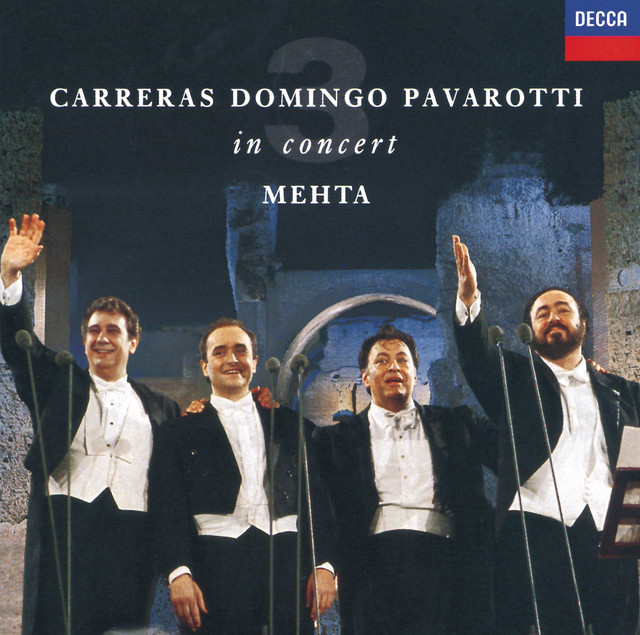
9. The Three Tenors - In Concert - Rome 1990
While not 'underground' by any measure, this concert undeniably threw out the rulebook for classical music's accessibility. Pavarotti, Domingo, and Carreras brought opera to the masses, a spectacle of vocal power and popular appeal that broke down barriers. It proved that 'high art' could be a stadium event, for better or worse, forever altering classical music's public perception.

10. Liquid Frequencies (Alpha Waves 76 - 84Hz)
This record strips music down to its elemental components. It’s not about melody or rhythm in the traditional sense, but about the profound effect of sustained tones and specific frequencies. This early electronic minimalism prefigured ambient music, drone, and even sound therapy, demonstrating how sound itself, devoid of conventional structure, could create deep, immersive states. Pure sonic architecture.
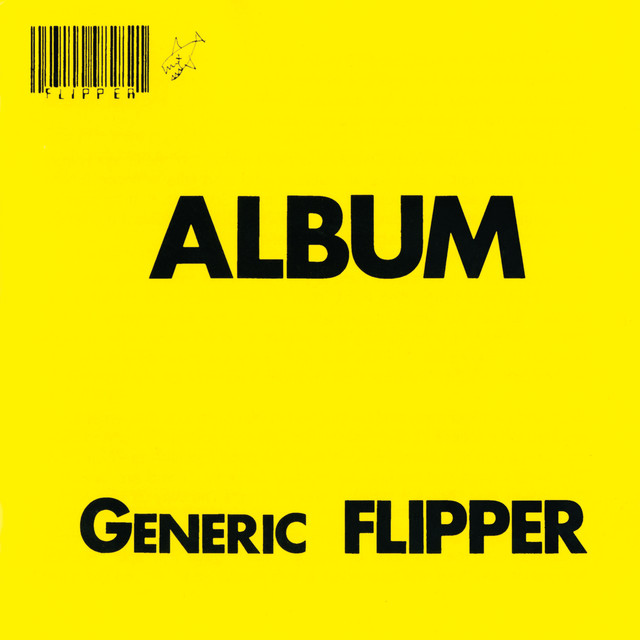
11. Album - Generic Flipper
Flipper's 'Generic Flipper' was a defiant middle finger to punk rock's perceived speed and aggression. They slowed everything down to a sludgy, almost painful crawl, their sound a thick, abrasive wall of noise. It was anti-melody, anti-virtuosity, and profoundly influential, laying the groundwork for noise rock and grunge by proving that music could be ugly, slow, and still intensely powerful.