
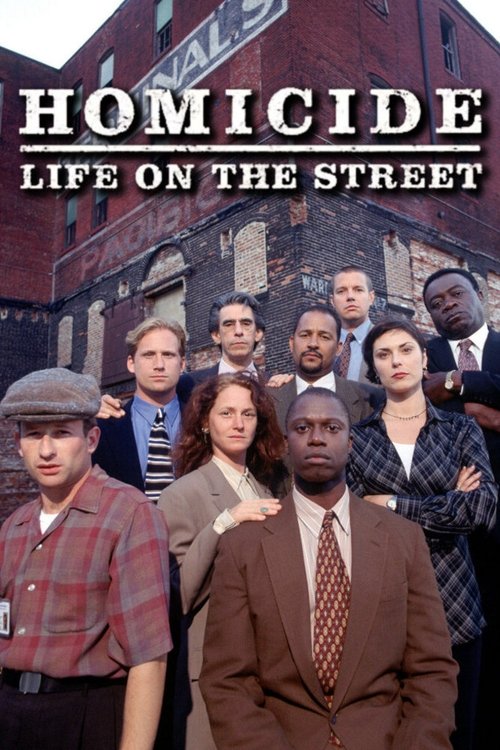
1. Homicide: Life on the Street
This wasn't your dad's cop show. Gritty, handheld cameras, overlapping dialogue – it felt like you were actually in that squad room. It dug deep into the psychological toll of the job, and the cases didn't always wrap up neat and tidy. You had to pay attention, follow character arcs over multiple episodes, and that was a new kind of commitment for network TV. It laid crucial groundwork for later, more acclaimed serial dramas, proving broadcast could be smart.
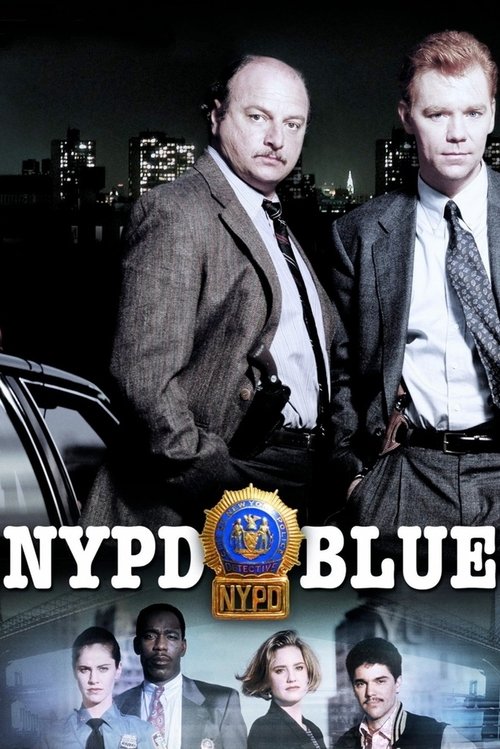
2. NYPD Blue
Steven Bochco really pushed the network envelope hard here. Swearing, partial nudity, darker themes – it felt more real and less sanitized than anything else on broadcast at the time. The characters were flawed, complex, and their personal lives intertwined directly with the cases. It was a serialized drama that demanded you tune in weekly, showing network TV could be just as compelling, and even edgier, than the big screen was offering.
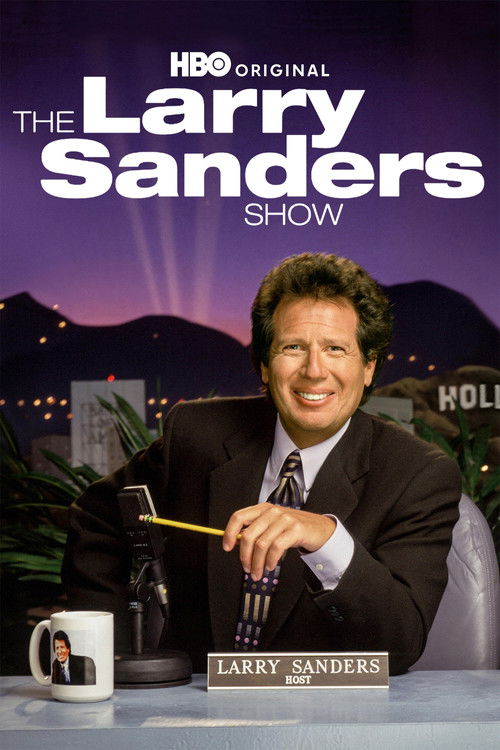
3. The Larry Sanders Show
Before everyone and their mother tried a mockumentary, there was Larry Sanders. It pulled back the curtain on late-night TV with brutal honesty and uncomfortable laughs. The ensemble cast was perfect, playing these deeply insecure, ego-driven characters. It was sharp, knew its world inside out, and showed how much mileage you could get from making fun of your own industry. This was smart comedy, setting a new standard for behind-the-scenes satire.
4. Six Feet Under
HBO really leaned into the prestige cable model with this one. A family running a funeral home? Dark premise, sure. But it was beautiful, exploring life, death, and human relationships with a unique blend of dark humor and profound emotional depth. The serialized nature meant you were deeply invested in these flawed characters, making it a cornerstone of that early 2000s era when TV started getting serious.
5. Carnivàle
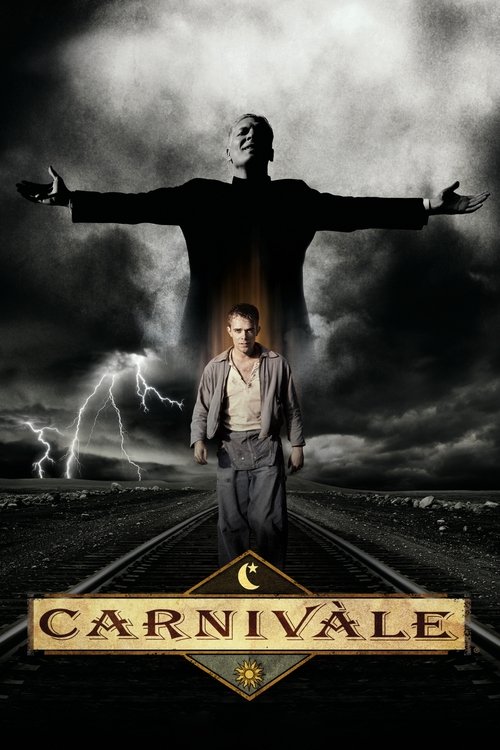
This was HBO swinging for the fences, a massive, atmospheric period piece set during the Depression with a potent supernatural twist. It was dense, complex, and demanded full immersion. The world-building was insane, every frame a painting. It showed how far cable could push narrative ambition and budget, crafting a serialized epic that felt like nothing else on television, even if it was a bit of a cult hit.
6. Boomtown
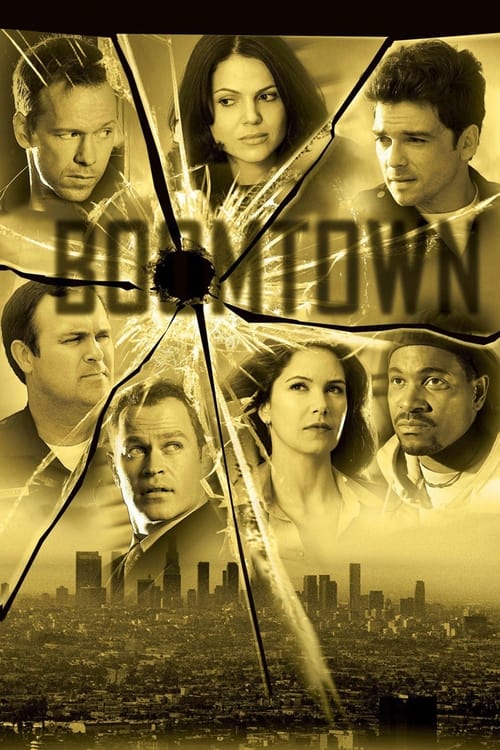
Talk about ambitious storytelling. *Boomtown* told its crime stories from multiple perspectives – cops, criminals, victims – jumping around in time. It wasn't always easy to follow, but it respected the viewer's intelligence, offering a genuinely fresh approach to the procedural. It was a network show trying to do cable-level complexity, showing how a traditional genre could break the mold. Maybe too smart for its own good.
7. Veronica Mars
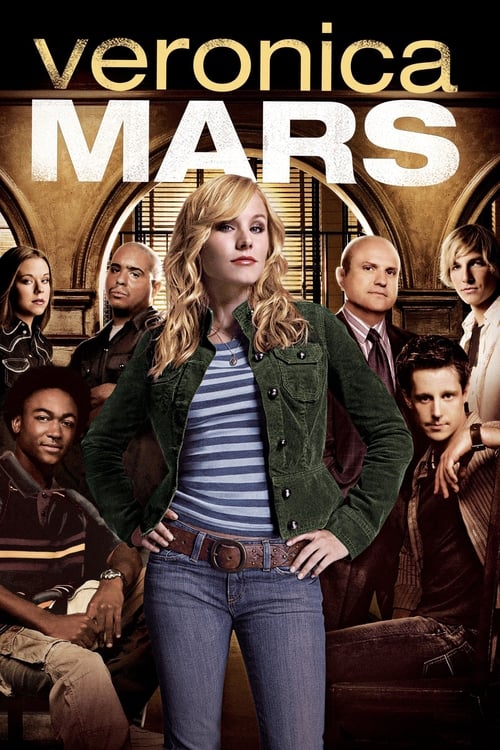
Don't let the high school setting fool you; this was sharp, serialized noir. A brilliant, sarcastic teen detective solving mysteries with real stakes and dark undertones. It blended procedural elements with overarching season-long mysteries, proving that smart, complex storytelling wasn't just for adults on premium cable. It had a cinematic feel and a strong voice, becoming an instant cult classic for a reason.
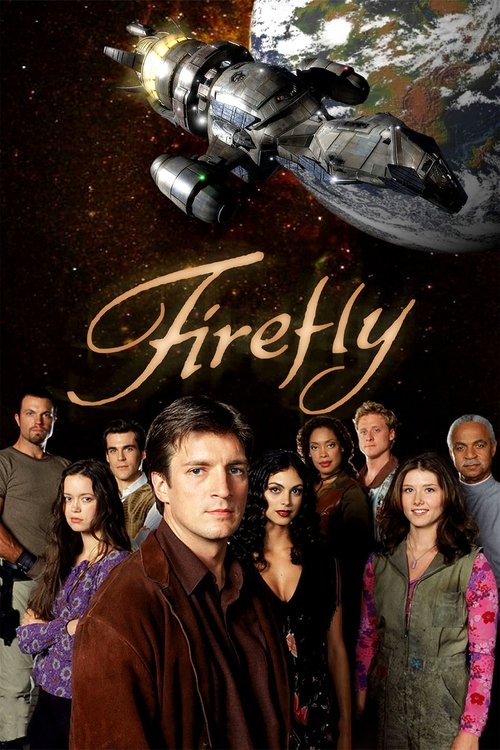
8. Firefly
Joss Whedon mixed sci-fi and westerns, creating a unique, lived-in universe with incredible characters. It was serialized, building a rich mythology and emotional connections that were tragically cut short. The cinematic scope and sharp dialogue showed network TV could do complex genre storytelling with real grit and humor, even if the suits didn't quite get it at the time. A true cult favorite, ahead of its time.
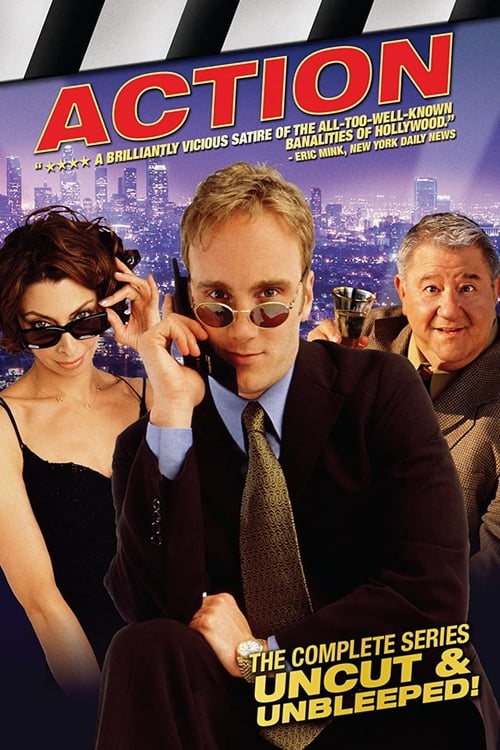
9. Action
This was a network show trying to be a cable show before cable really found its teeth. A brutal, cynical, and hilarious look at Hollywood's underbelly, it was mean-spirited in the best way. It pushed boundaries with its dark humor and unapologetic characters, showing broadcast could be just as edgy and provocative as anything emerging on HBO, even if it burned bright and fast.

10. The Comeback
Lisa Kudrow's Valerie Cherish was a masterclass in cringe comedy. This HBO mockumentary skewered reality TV and the desperation of faded celebrity with brutal honesty. It was deeply uncomfortable, painfully funny, and completely original. It showed how a character study, using the mockumentary format, could achieve both satire and genuine pathos, making you laugh and wince simultaneously, long before that became a trend.
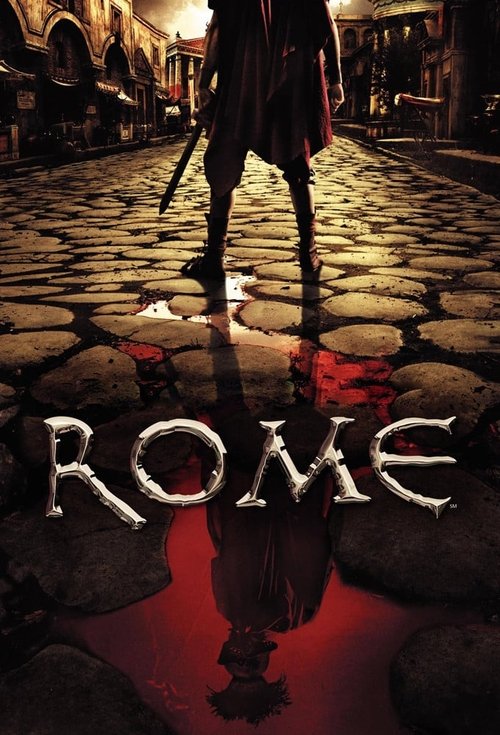
11. Rome
Before *Game of Thrones*, there was *Rome*. This was epic historical drama done on a scale rarely seen on TV, a joint venture that felt like a movie every week. It was brutal, opulent, and deeply human, focusing on the lives of ordinary soldiers amidst grand political machinations. It solidified HBO's reputation for serialized, adult-oriented spectacles that demanded your full attention and respect.