1 / 11
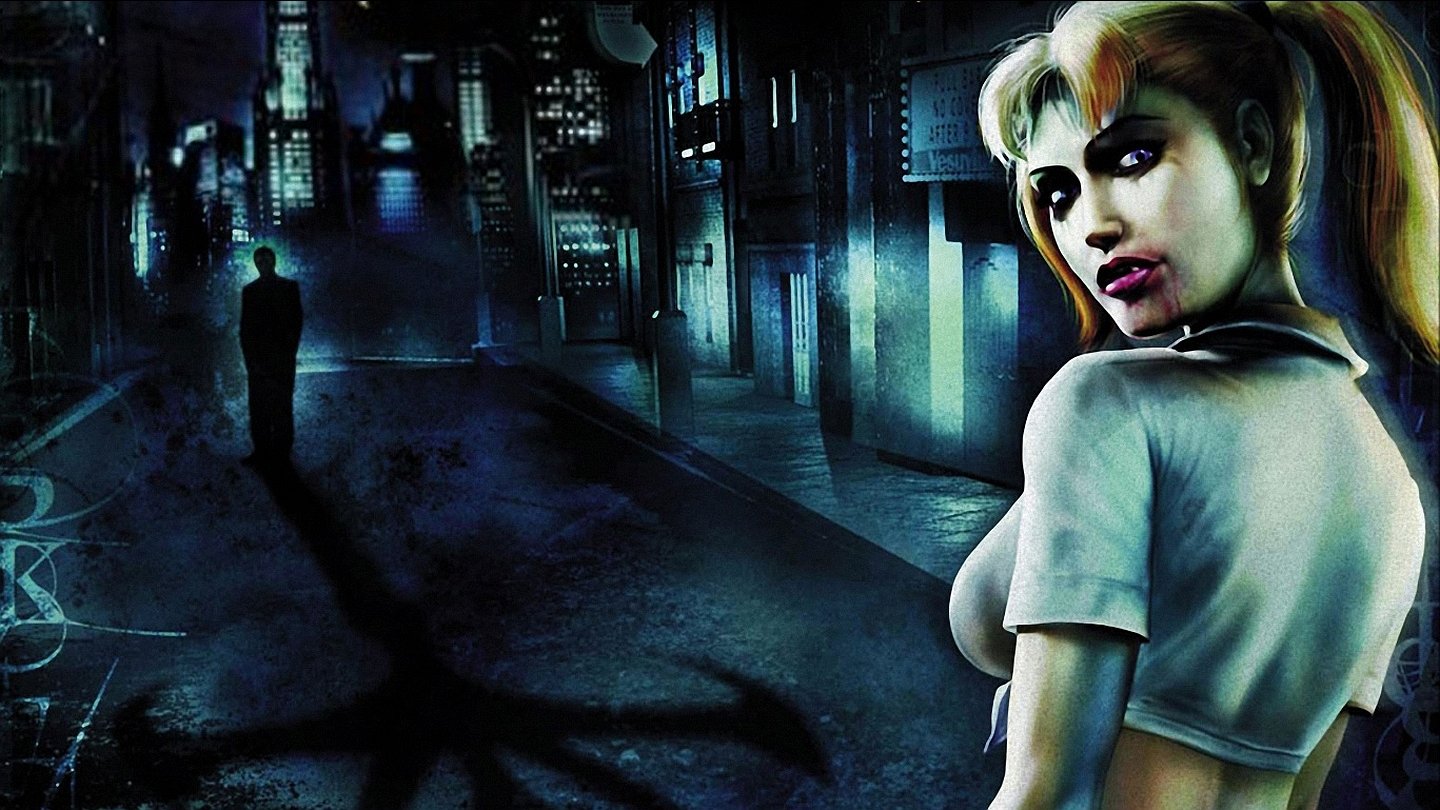
1. Vampire: The Masquerade - Bloodlines
Man, this game was a glorious, bug-riddled mess at launch, but its sheer ambition and world-building were undeniable. Troika crafted a gritty, choice-driven RPG experience in a setting few dared touch, delivering unparalleled atmosphere and dialogue. It's a miracle it even exists, a testament to what happens when creators prioritize vision over polish – a stark contrast to today's meticulously safe, focus-tested blockbusters.
2 / 11
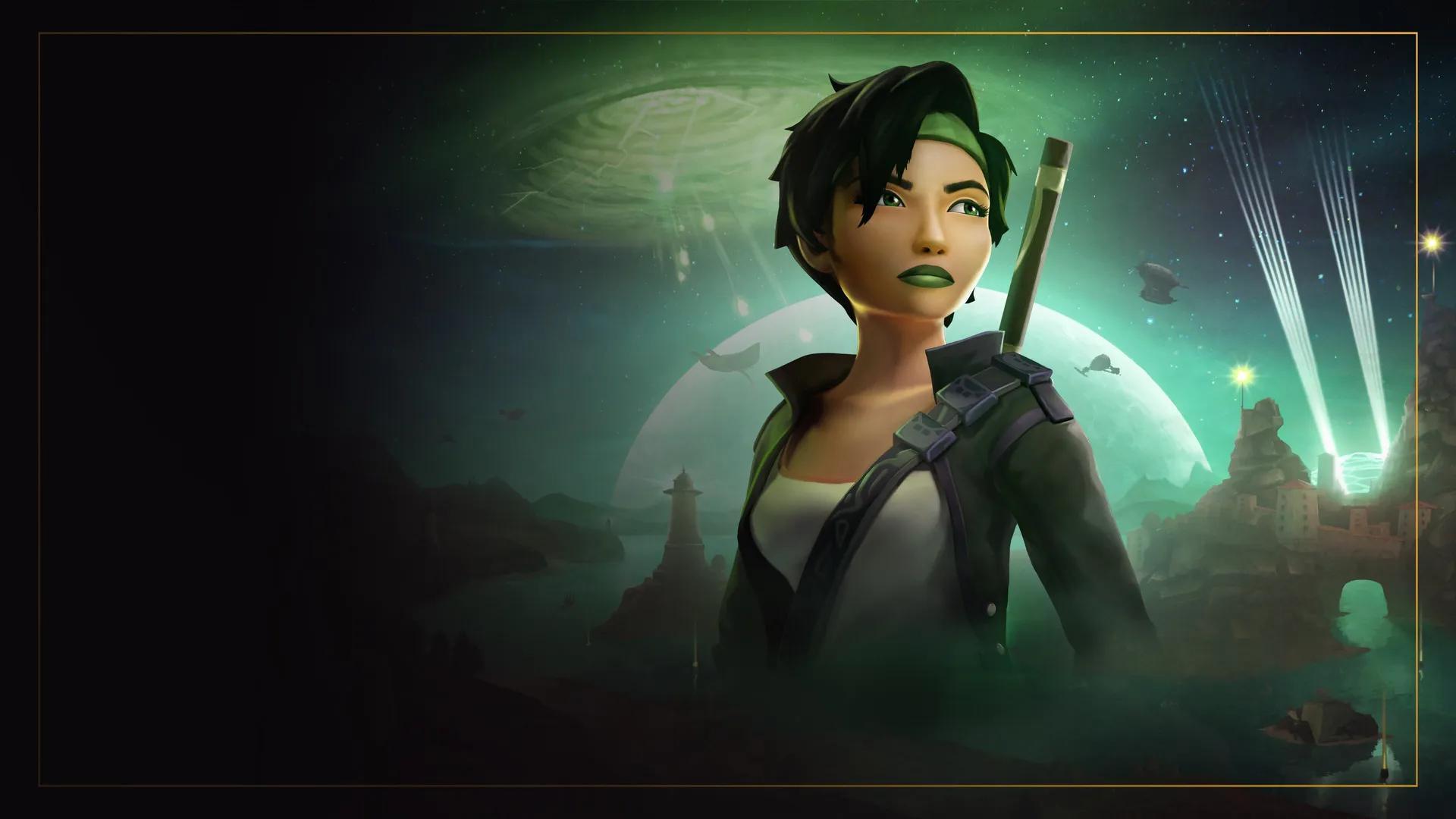
2. Beyond Good & Evil - 20th Anniversary Edition
The original was a cult classic, a genre-blending masterpiece that deserved far more love. Now, this anniversary edition rolls out, and it feels like a quiet nod to a past glory, still overshadowed by its vaporware sequel. It’s a bittersweet reminder of a game that dared to be different, and how the industry struggles to honor its unique gems without a marketing blitz or a live-service hook.
3 / 11
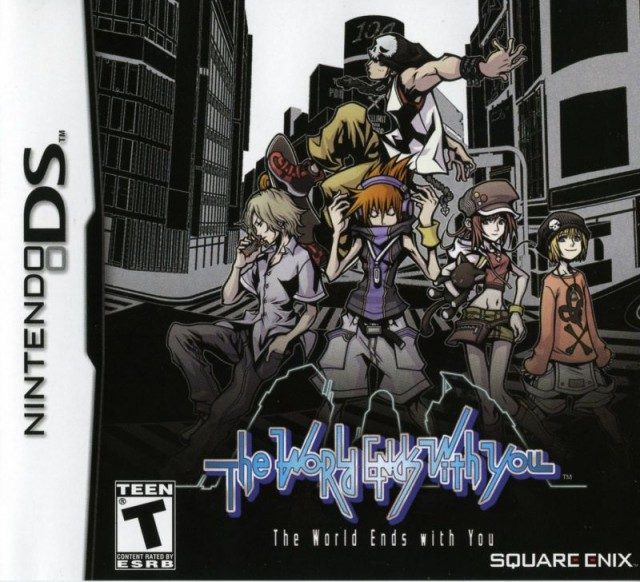
3. The World Ends With You DS
Talk about throwing out the rulebook! This DS gem was an absolute style icon, with a killer soundtrack and a combat system that demanded you use both screens simultaneously. It was bold, unapologetically unique, and a masterclass in handheld innovation. In an era of streamlined experiences, TWEWY screamed creativity, proving that risk and artistic vision could still create something unforgettable.
4 / 11
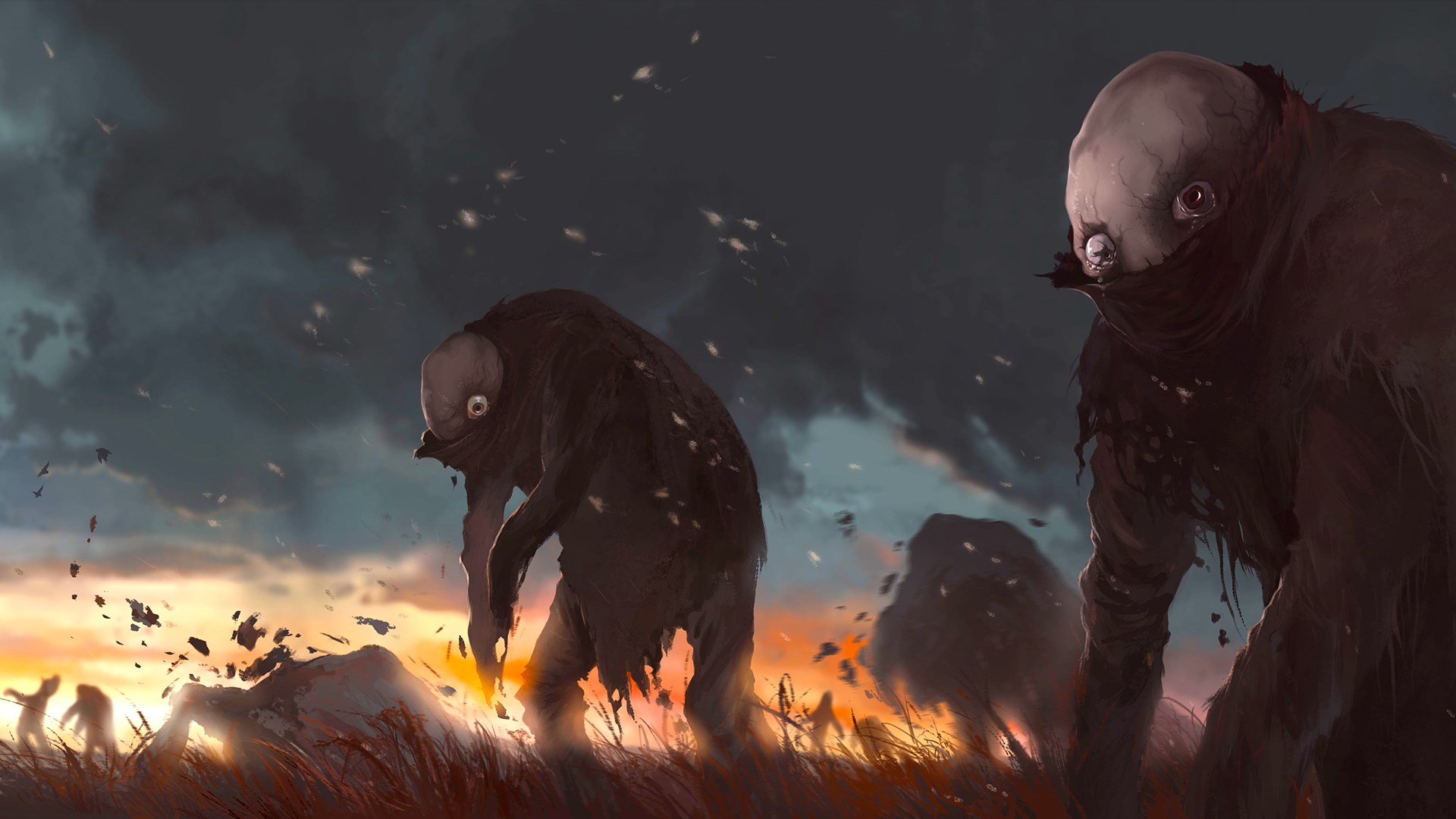
4. Pathologic 2
This game doesn't just ask you to survive; it demands you suffer, question everything, and often fail. Pathologic 2 is a brutal, philosophical experiment, a narrative-driven survival sim that actively works against your comfort. Most games spoon-feed success, but this one forces you into impossible choices, creating an experience so distinct it makes most modern 'challenging' games feel like tutorials.
5 / 11
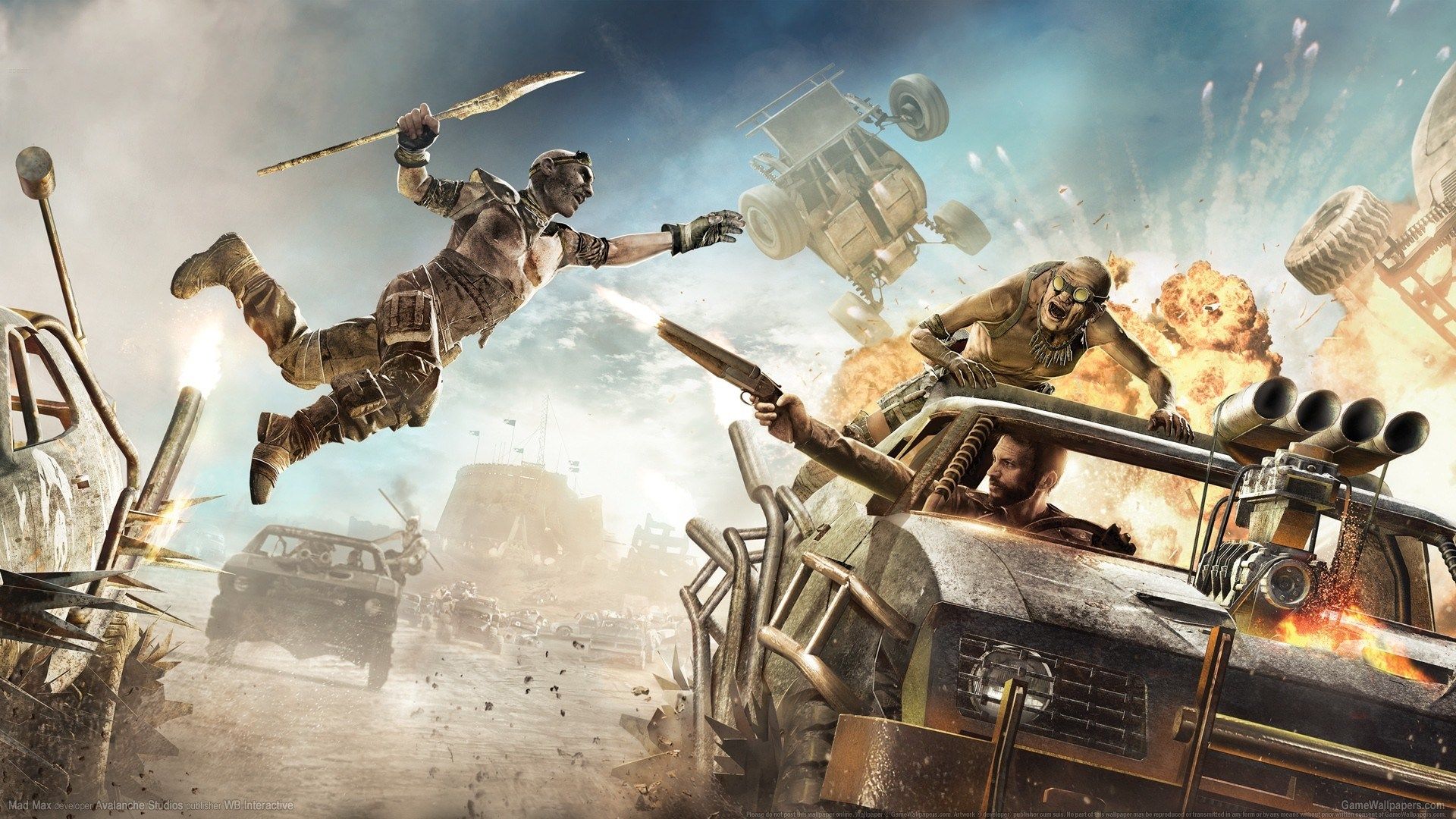
5. Mad Max
Released during the *Fury Road* hype, this game wasn't just a cash-in. Avalanche Studios delivered a surprisingly deep, desolate open-world experience with visceral vehicular combat that felt truly satisfying. It carved out its own niche in a crowded genre, proving that a strong sense of place and compelling mechanics could shine, even without the immediate brand recognition other open-world titles leveraged.
6 / 11
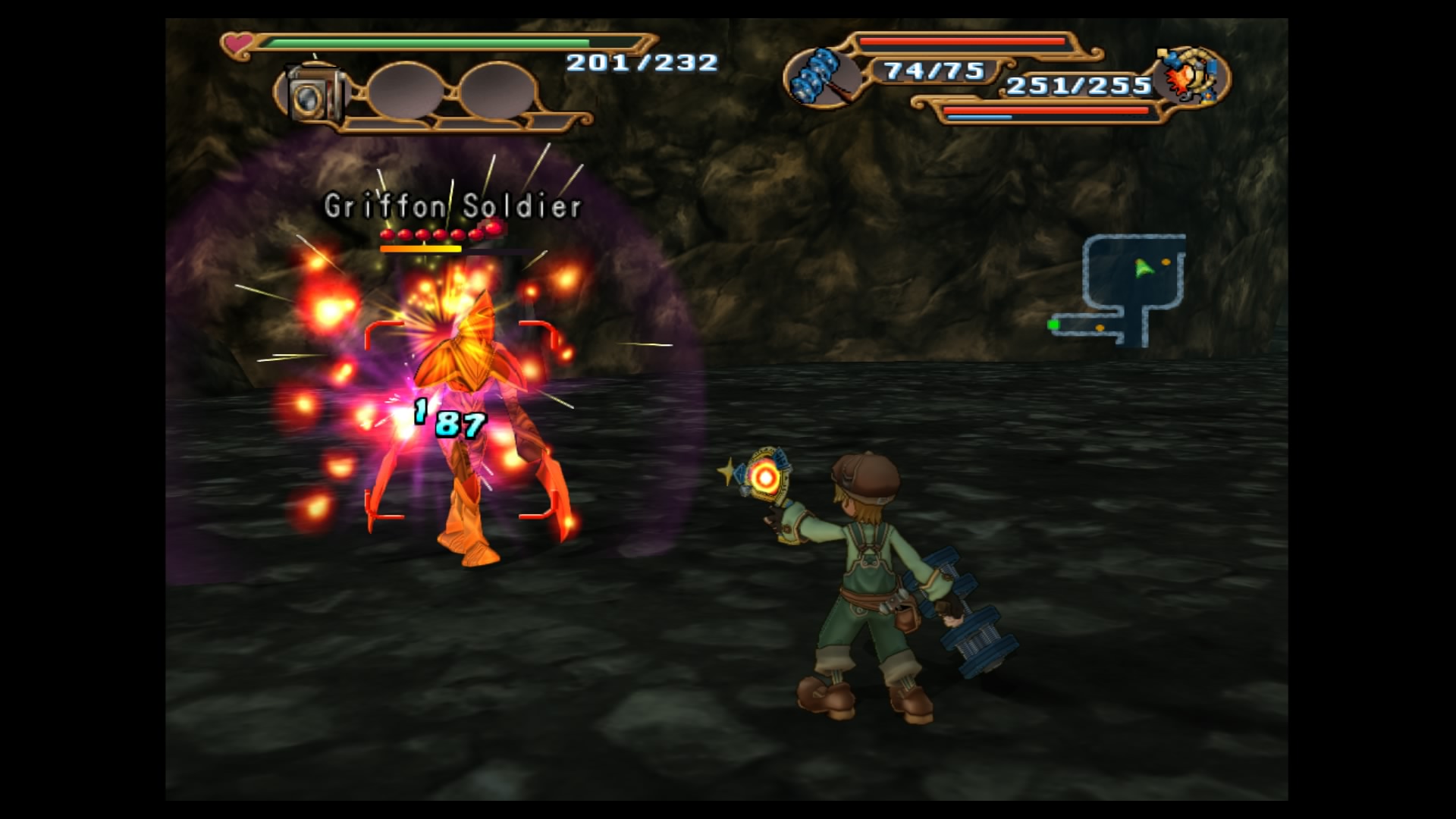
6. Dark Cloud 2
This PS2 action RPG was a marvel, blending hack-and-slash combat with an intricate 'Georama' town-building system that let you shape the future. It was charming, endlessly deep, and packed with content, demanding hundreds of hours to master. Few games today attempt such a delightful mix of systems without feeling like a bloated checklist, prioritizing player agency and creative investment over monetization.
7 / 11
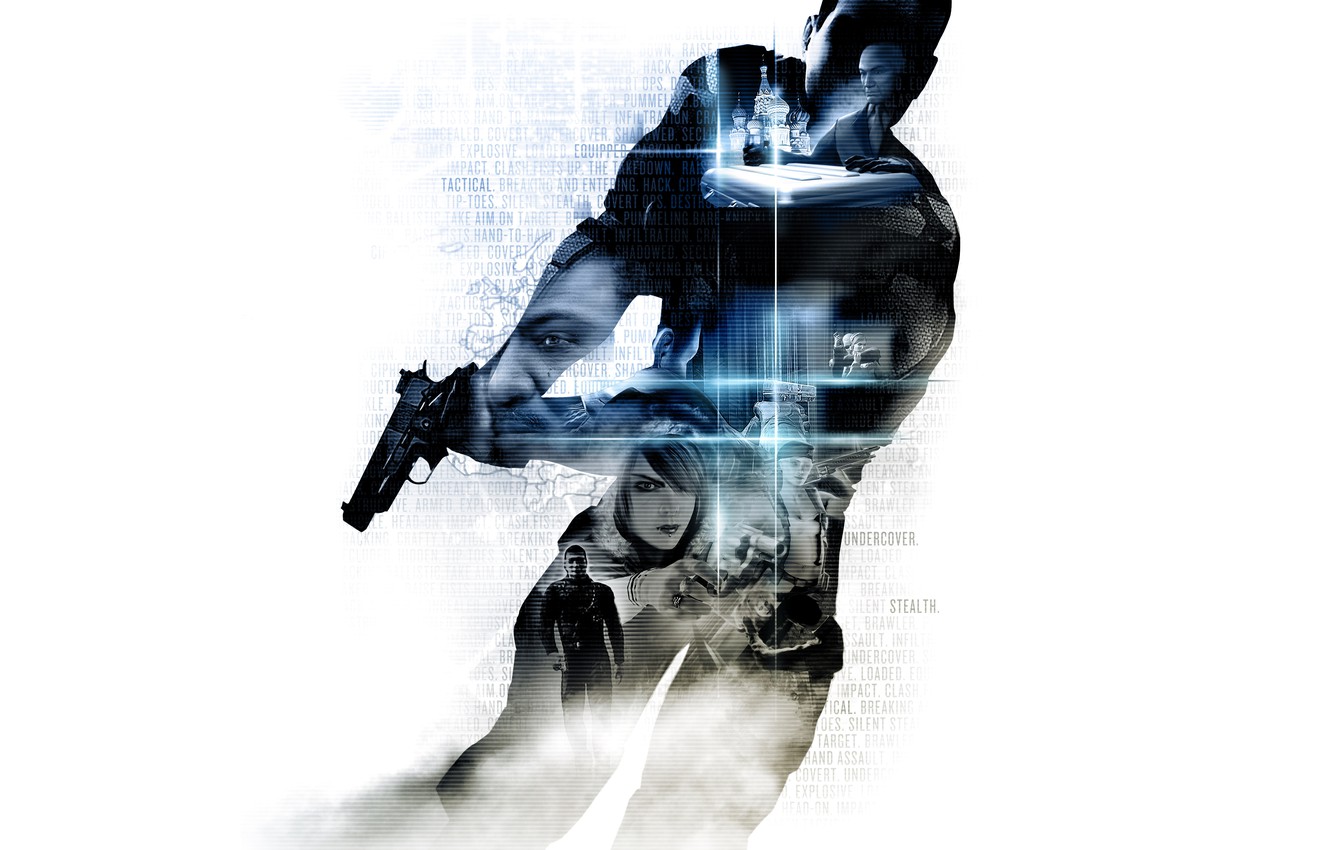
7. Alpha Protocol
Obsidian's spy RPG was a janky, unpolished mess, yet its branching narrative and consequence system were revolutionary. Choices *really* mattered, and characters remembered everything, leading to wildly different playthroughs. It was a stark reminder that sometimes ambition and narrative depth outweigh technical perfection, unlike modern titles that often polish shallow experiences to a mirror sheen without the same heart.
8 / 11
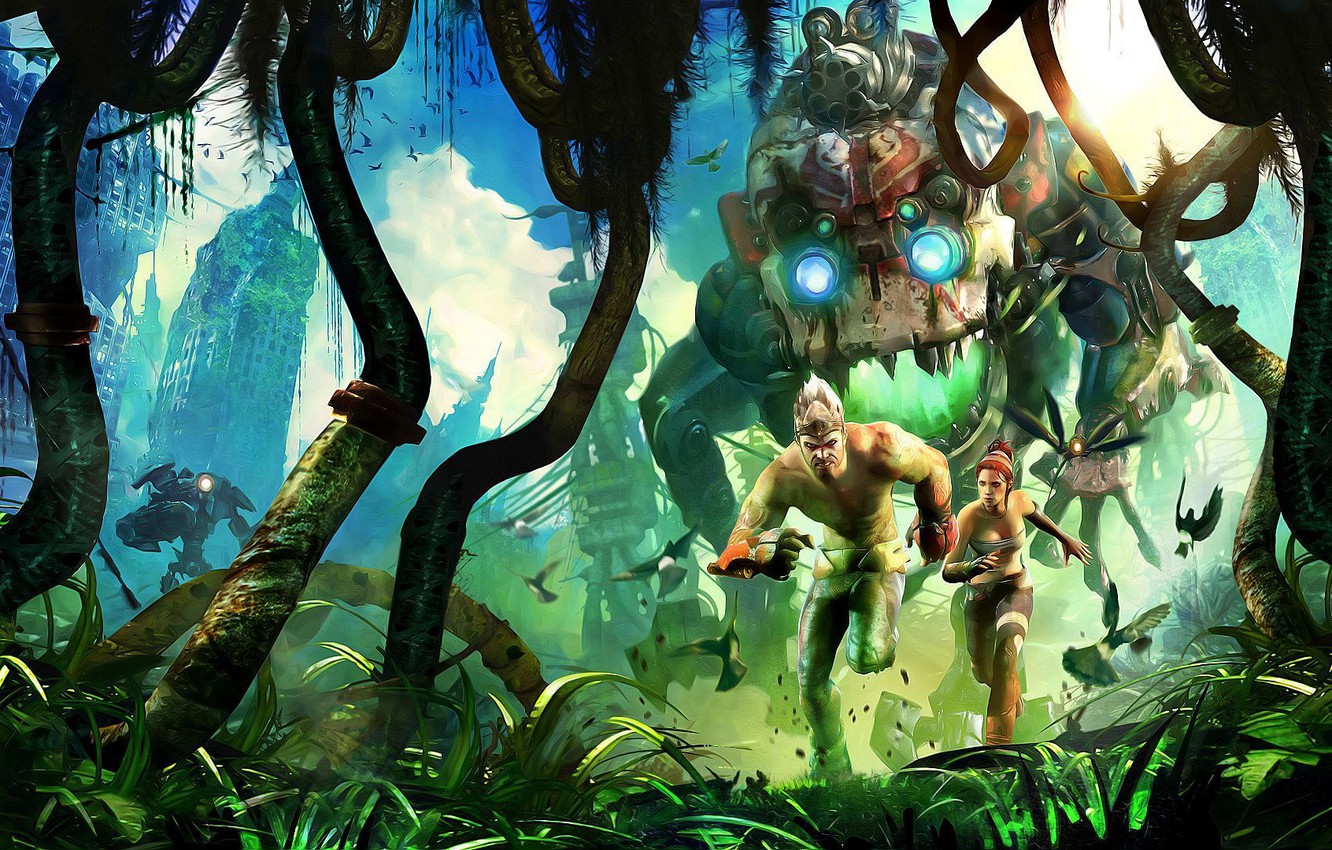
8. Enslaved: Odyssey to the West
Ninja Theory crafted a stunning, linear adventure that put narrative and character chemistry first. Monkey and Trip’s post-apocalyptic journey was visually breathtaking and emotionally resonant, proving that not every game needed an open world or endless side quests to be impactful. It’s a testament to focused storytelling in an era increasingly obsessed with scale and endless, often meaningless, content.
9 / 11
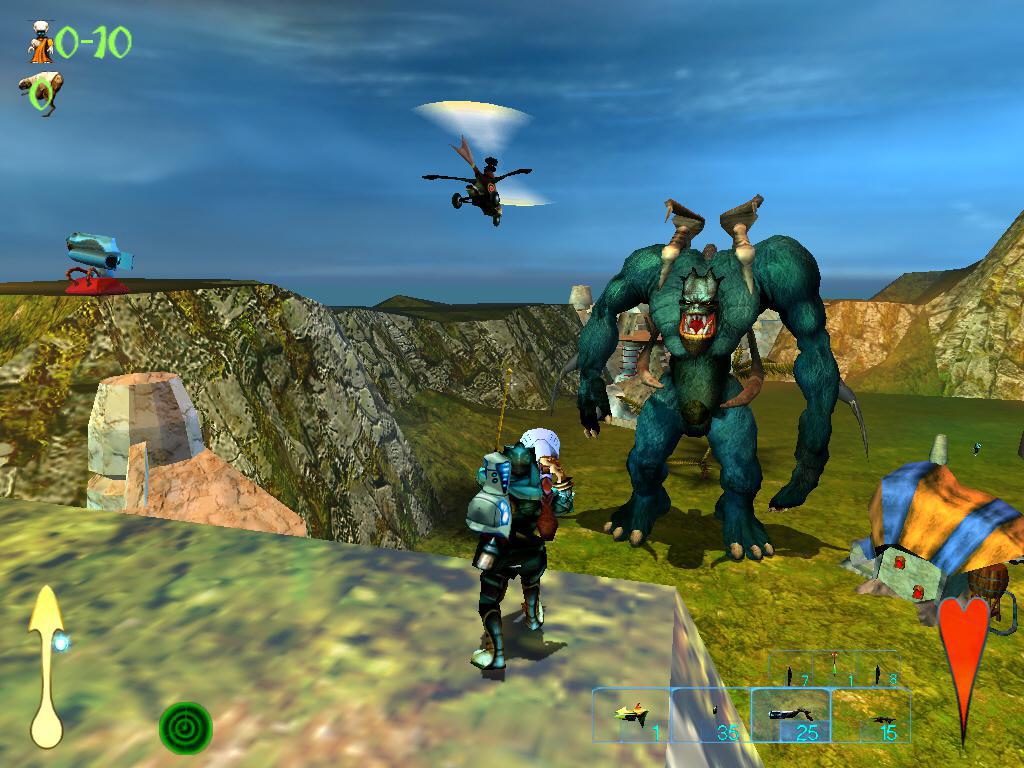
9. Giants: Citizen Kabuto
This game was pure, unadulterated chaos and genius. Three wildly different campaigns – a squad of jet-skiing commandos, a giant monster, and a magic-wielding mermaid – each with unique gameplay. It was audacious, hilarious, and refused to fit into a neat genre box, a bravery you rarely see in today's risk-averse industry that often prefers iterating on proven formulas rather than inventing new ones.
10 / 11
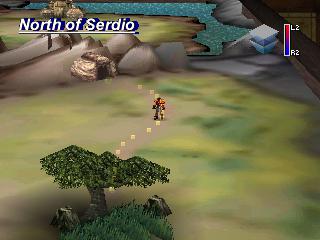
10. The Legend of Dragoon
A sprawling PS1 JRPG that dared to challenge Final Fantasy's dominance with its own epic scope and unique 'Additions' combat system, requiring precise button timing. It had a grand story, memorable characters, and felt like a true flagship IP for PlayStation. The industry rarely takes chances on such colossal, new, turn-based IPs anymore, preferring safer, established brands or action-oriented experiences.
11 / 11
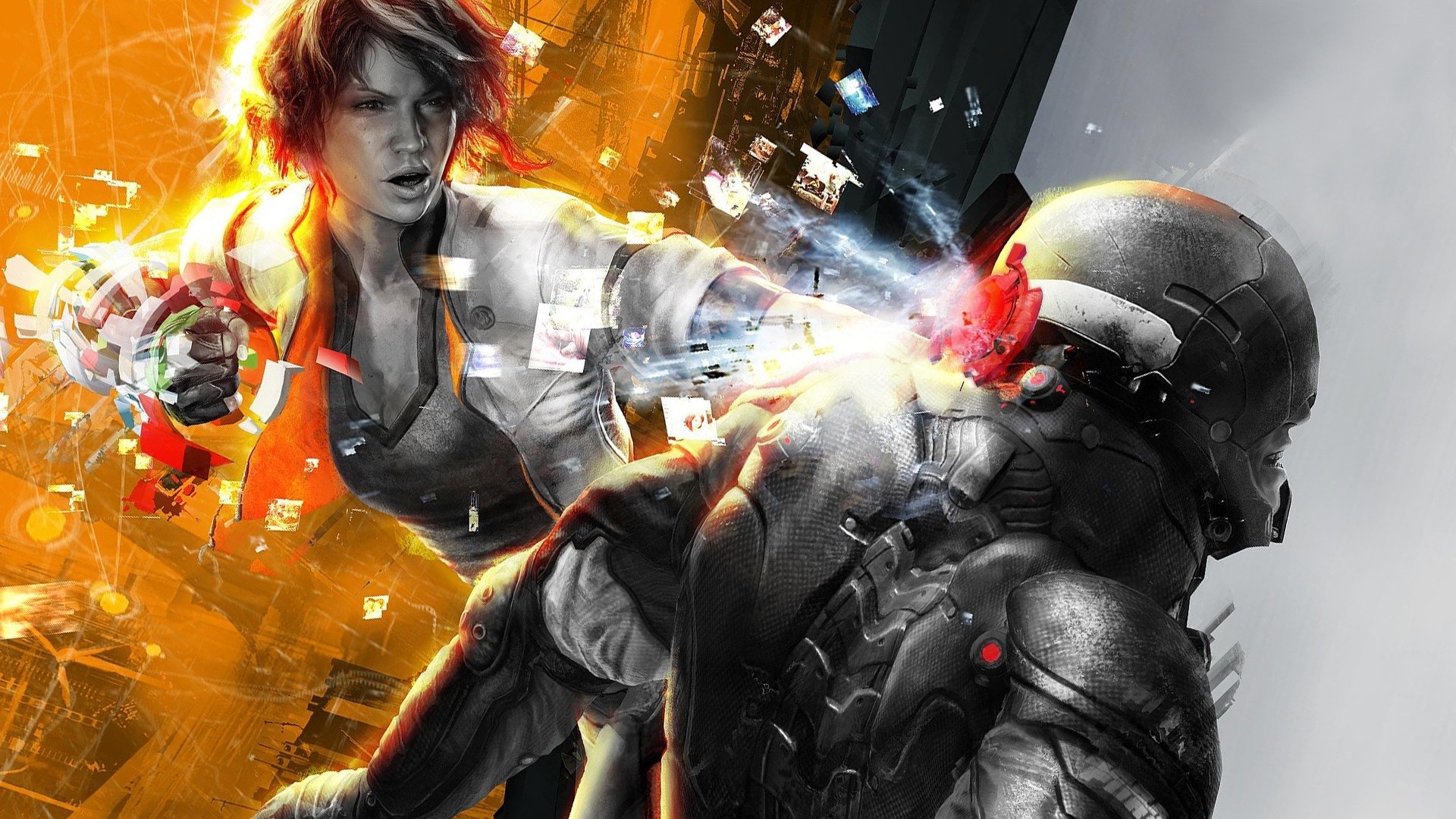
11. Remember Me
Dontnod's debut was a stylish, cyberpunk action-adventure with an innovative 'memory remixing' mechanic that felt truly fresh. While combat was a bit clunky, its world-building and narrative themes were incredibly strong and thought-provoking. It was a bold, original vision in an era increasingly dominated by sequels and safe bets, showcasing a distinct voice that refused to blend into the background.