
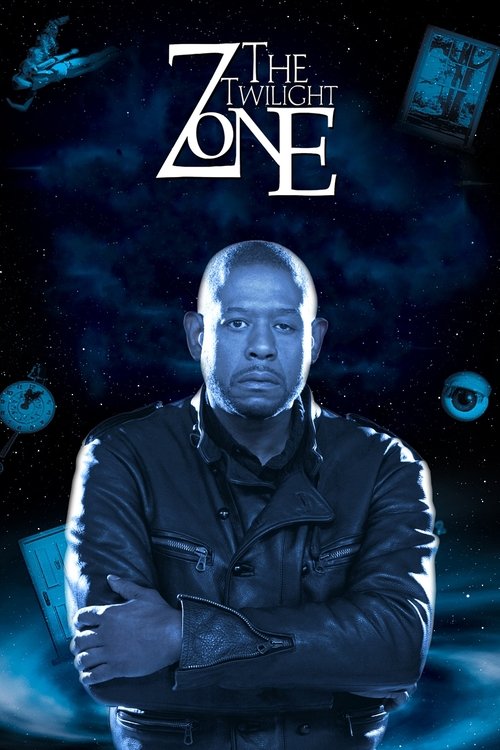
1. The Twilight Zone
Ah, Rod Serling. He understood the power of the small screen to deliver something more than just laughs. This wasn't just science fiction; it was a weekly morality play, often filmed with a stark, almost theatrical economy that perfectly suited its unsettling narratives. Each episode a complete story, a little black-and-white capsule of dread or wonder, proving that a good idea, simply told, could burrow deep into your mind. And it did, leaving you with that distinct chill.
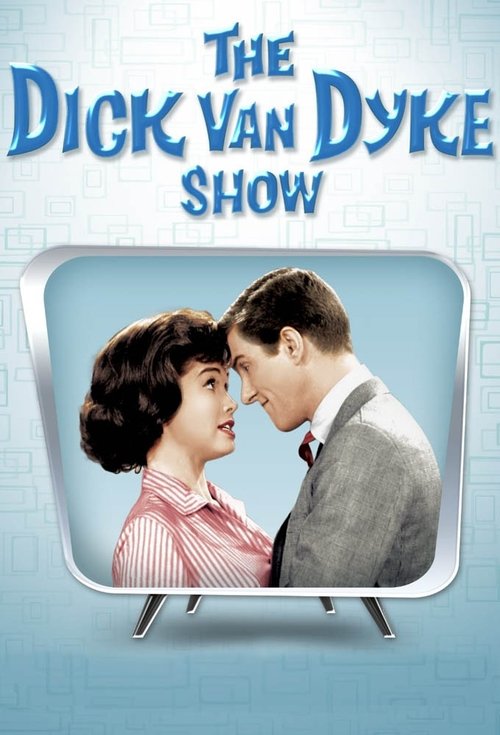
2. The Dick Van Dyke Show
Now, this was a sitcom with real snap. Mary Tyler Moore, Dick Van Dyke, and that whole writing room ensemble; it was a masterclass in domestic and workplace comedy. They took the simple premise of a TV writer's life and made it endlessly charming, sophisticated, and genuinely funny. The physical comedy was top-notch, never forced, and the characters felt like people you knew, even in that perfectly appointed living room. A true gem of the early prime-time schedule.
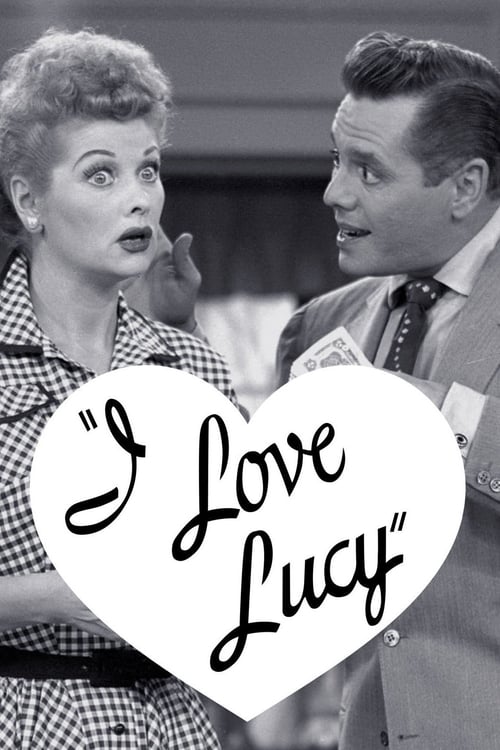
3. I Love Lucy
Well, you couldn't miss Lucy. This show practically invented how we make sitcoms today, filmed before a live studio audience, those three cameras capturing every pratfall. Lucille Ball was a force of nature, a comedic dynamo who understood timing and physical humor like no one else. And with Desi Arnaz, they built a television empire. It was loud, it was silly, and it was utterly groundbreaking, proving that domestic chaos could be universally adored. Pure television magic, that.
4. Bonanza
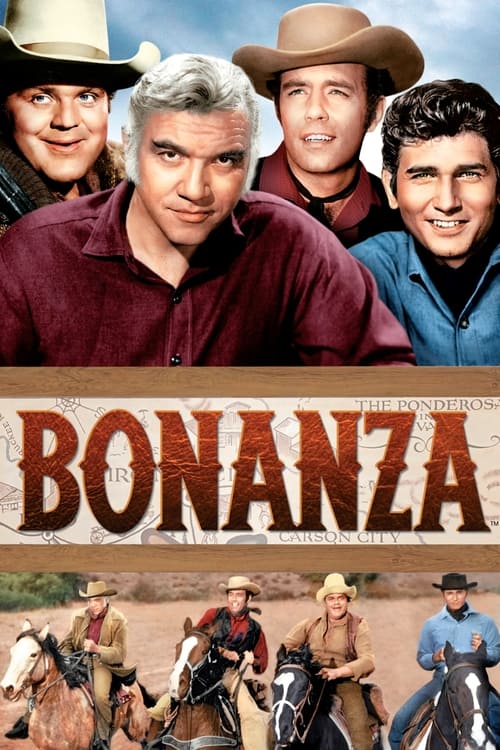
The Ponderosa, sprawling across your living room in glorious color. For a long stretch, Sunday nights belonged to the Cartwrights. This wasn't just another Western; it was a family drama, big and bold, with moral lessons woven into every dust-up and ranch crisis. They were men of principle, facing the changing frontier. And for those of us with black-and-white sets, the stories still held, but the sheer visual sweep truly marked a new era. A reliable, sturdy piece of programming.
5. Star Trek
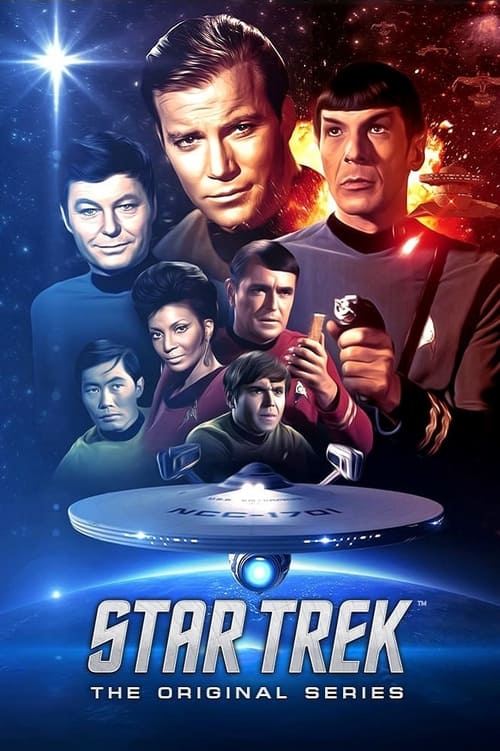
Gene Roddenberry gave us a universe, didn't he? A starship voyaging through space, yes, but really, it was about exploring humanity itself. Each week, Captain Kirk and his crew tackled social issues veiled in alien encounters, often with a surprisingly progressive outlook for its time. The sets were a bit wobbly, the effects sometimes charmingly primitive, but the ideas? They resonated. It asked big questions, and it captured the imagination like few shows before it. Enduring, absolutely.

6. The Ed Sullivan Show
Sunday nights were an institution because of Ed. He wasn't much of a showman himself, just stood there, but he brought *everyone* to your living room. The Beatles, Elvis, comedians, acrobats, opera singers, puppets – a truly bewildering array. It was live, often messy, and utterly essential viewing for what was happening in popular culture. A variety show that truly lived up to its name, a weekly snapshot of America's entertainment landscape. You just never knew what you'd see next.
7. Playhouse 90
Before the networks got too scared, there was "Playhouse 90." Ninety minutes of live, original drama, broadcast in black and white, often from a single set. It was raw, ambitious, and attracted serious talent, both in front of and behind the cameras. These weren't episodic series; they were stand-alone plays, grappling with complex themes. A true proving ground for actors and writers, and a testament to the early belief that television could be a powerful artistic medium. High stakes, high quality.

8. The Fugitive
This one grabbed you and didn't let go. Dr. Richard Kimble, always on the run, always just a step ahead of Lt. Gerard, searching for the one-armed man. It wasn't just a chase; it was a masterclass in serialized suspense, building week after week. The black-and-white cinematography added to the starkness of his desperate journey. And that finale! Everyone watched that finale. It showed television could tell a long, compelling story with a definitive, satisfying end. A real achievement.

9. All in the Family
Archie Bunker burst into our homes and started arguments, and that was the point. This wasn't polite sitcom humor; it was blunt, uncomfortable, and utterly groundbreaking. Addressing racism, sexism, and generational divides head-on, it provoked discussion like no show before it. You might not agree with Archie, but you couldn't ignore him. It proved that television could hold up a mirror to society, even if the reflection was sometimes unflattering. A true cultural earthquake.
10. M*A*S*H
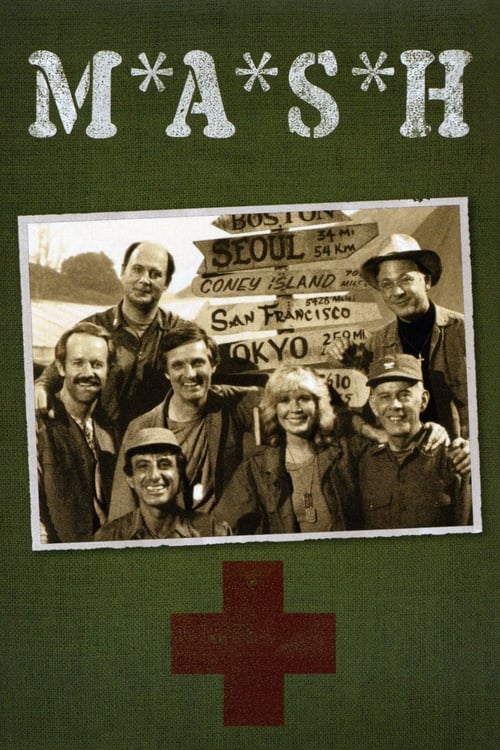
They started as a comedy about war, and then they became so much more. "M*A*S*H" blended humor with pathos, often in the same breath, showing the absurdity and tragedy of conflict through the eyes of those trying to patch up the wounded. The ensemble cast was brilliant, making us laugh one minute and tear up the next. And it ran for what seemed like forever, evolving, growing, and leaving an indelible mark on how television handled serious subject matter. Profound.
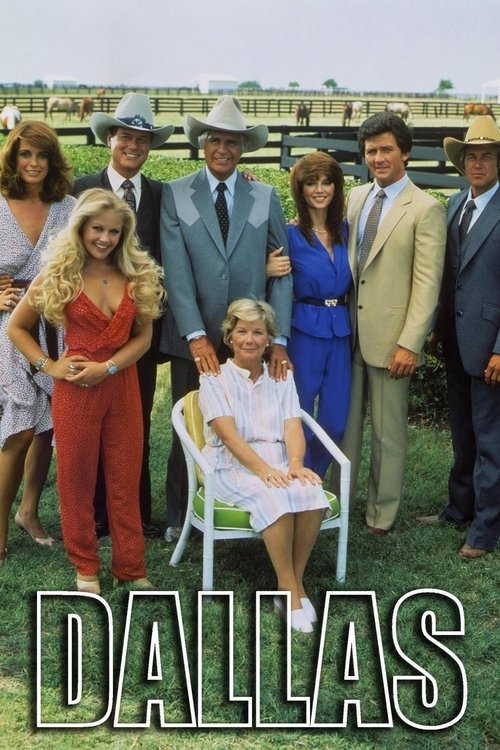
11. Dallas
Suddenly, nighttime was for big, sprawling dramas. "Dallas" was a phenomenon, bringing the soap opera format to prime time with a vengeance. Money, power, betrayal, and those famous cliffhangers – "Who shot J.R.?" practically stopped the nation. It was glamorous, often ridiculous, and utterly addictive. The Ewings became household names, their oil empire a backdrop for endless scheming. It proved that audiences craved long-form, continuous storytelling with a hefty dose of melodrama. Pure sensation.