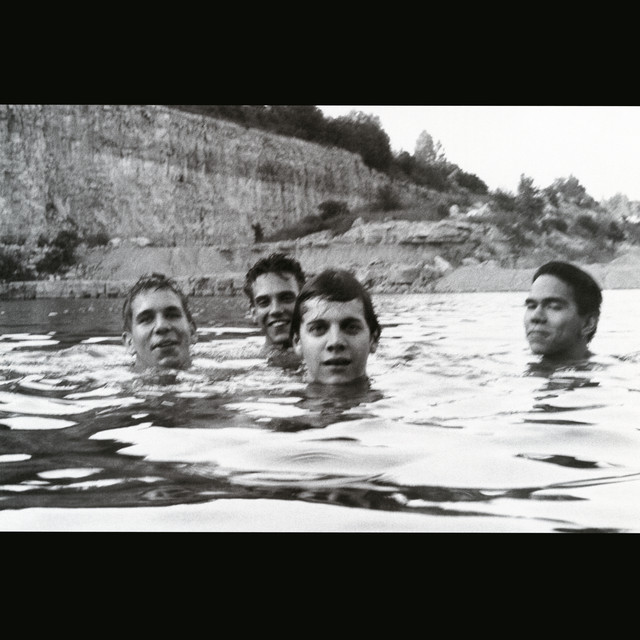
1. Spiderland
Slint's 1991 masterpiece feels like a blueprint for a hundred bands, yet remains utterly singular. Its stark, angular guitars and whispered-to-screamed vocals constructed narratives of unease and desolate beauty. This isn't just math rock; it's psychological architecture, a slow-burn intensity that builds, collapses, and rebuilds. It’s a digital-era precursor, showing how precision could amplify raw emotion, pushing guitar music into uncharted, often unsettling, territory.
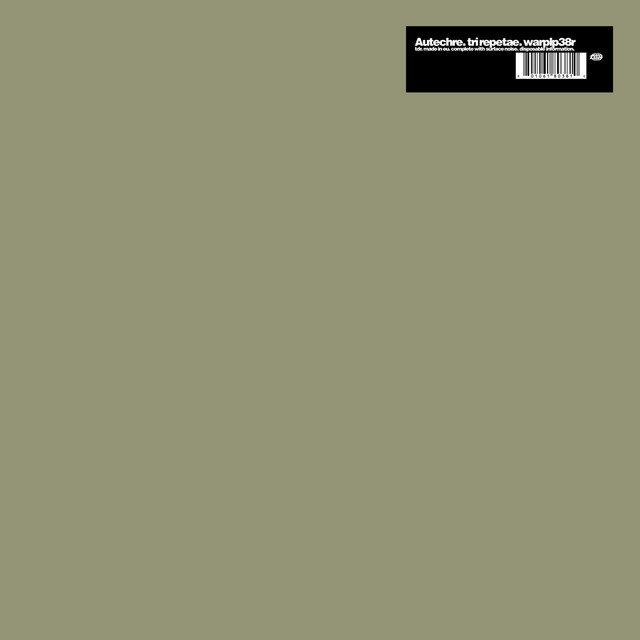
2. Tri Repetae
Autechre's 1995 double-disc was a deep dive into the algorithmic abyss. It wasn't about melodies you hummed; it was about textures and rhythms that rearranged your brain. Glitchy, abstract, and often starkly beautiful, *Tri Repetae* felt like the sound of machines thinking, building complex sonic structures out of digital noise. It pushed IDM’s boundaries, proving electronic music could be as intellectually demanding and emotionally resonant as any guitar-driven lament.
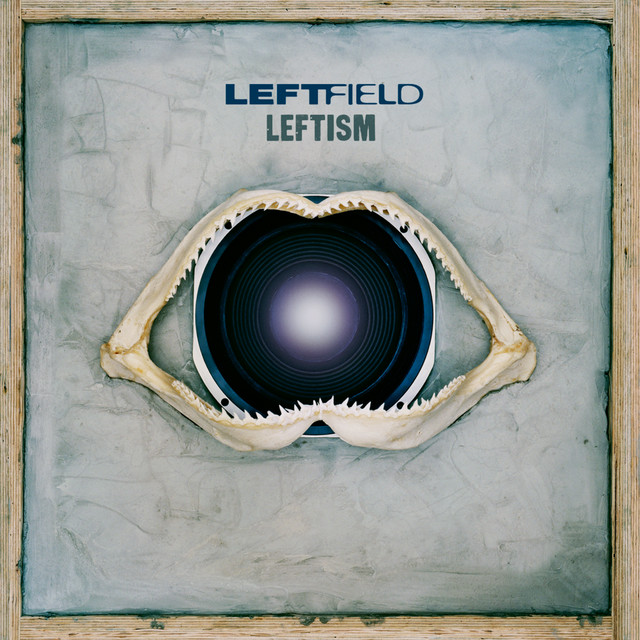
3. Leftism
Leftfield's 1995 debut was a sonic earthquake, a perfect storm of booming basslines, hypnotic techno rhythms, and guest vocalists that transcended rave culture. It fused progressive house with dub and reggae, creating a widescreen electronic soundscape that felt both deeply underground and universally anthemic. This wasn't just dance music; it was an immersive experience, a journey through dark, thumping corridors and euphoric, expansive peaks, defining an era's electronic ambition.
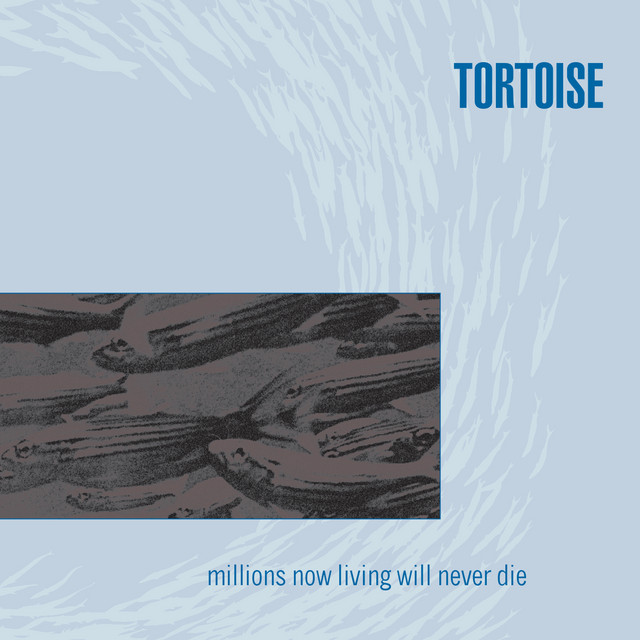
4. Millions Now Living Will Never Die
Tortoise, in 1996, showed us post-rock wasn't just about crescendo. This album was a masterclass in instrumental interplay, borrowing from jazz, dub, and Krautrock to craft intricate, evolving soundscapes. It’s less about a hook and more about the hypnotic groove, the subtle shifts in texture and rhythm. A patient listen reveals layers of carefully constructed sound, proving that rock music, devoid of vocals, could still tell a compelling, complex story.
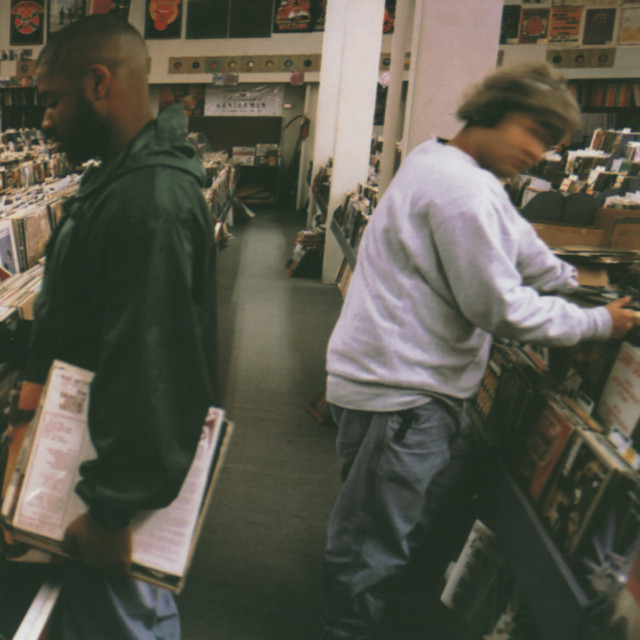
5. Endtroducing.....
DJ Shadow’s 1996 opus was a revelation, proving the sampler was as potent an instrument as any guitar. Constructed entirely from dusty vinyl breaks and forgotten vocal snippets, it created a cinematic, melancholic, and utterly original world. This wasn't just hip-hop; it was abstract art, a journey through urban twilight and introspective landscapes. *Endtroducing.....* defined instrumental trip-hop and showcased sampling as a legitimate, profound artistic statement.
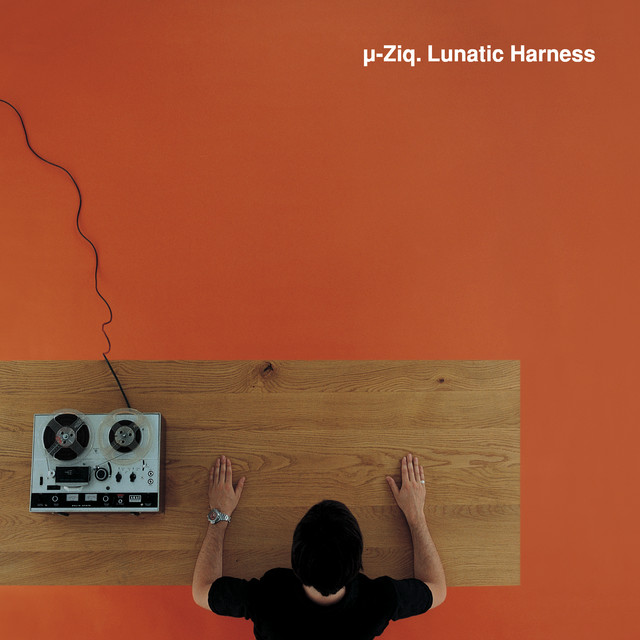
6. Lunatic Harness
µ-Ziq's 1997 record was a dizzying sprint through the outer limits of IDM and breakcore. It took the frantic energy of jungle and drum & bass, filtered it through a hyper-complex, almost mathematical lens, and spat out something exhilaratingly chaotic. This wasn't background music; it demanded attention, its intricate rhythms and shimmering synths forming a dense, exhilarating sonic tapestry. It felt like the sound of the internet accelerating, a digital frenzy made beautiful.
![Glory Box (In the Style of Portishead) [Karaoke Version] - Single](https://i.scdn.co/image/ab67616d0000b273d8d00f4caef6f53ef7a9a909)
7. Glory Box (In the Style of Portishead) [Karaoke Version] - Single
Okay, so it’s a karaoke version, but even this digital simulacrum points to the original's enduring power. Portishead’s "Glory Box" from 1994, with its haunting trip-hop beat and Beth Gibbons's melancholic delivery, defined a mood. This karaoke track, while stripped of its raw artistry, still echoes that digital-era longing and atmospheric tension. It’s a ghost of a classic, a testament to how deeply that sound imprinted itself.
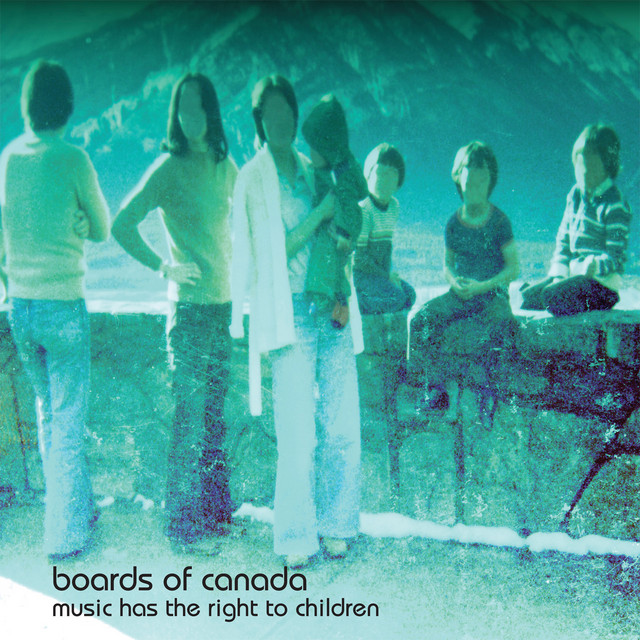
8. Music Has The Right To Children
Boards of Canada’s 1998 debut was an instant classic, a hazy, sun-drenched memory of childhood summers filtered through analogue synths and dusty tape loops. It wasn't just IDM; it was a deeply emotional experience, evoking nostalgia for places and feelings that might never have existed. Their sound, equal parts wistful and uncanny, felt like a secret broadcast from a parallel universe, defining an entire aesthetic of electronic melancholy.
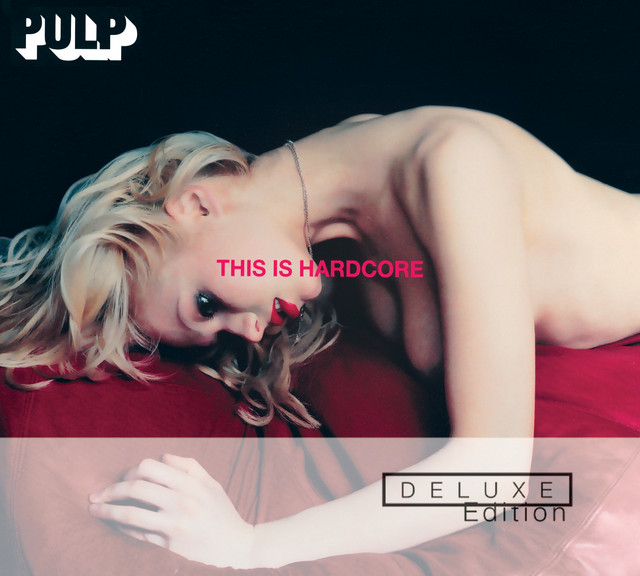
9. This Is Hardcore (Deluxe Edition)
Pulp's 1998 album, especially in its deluxe form, is a darker, more cynical beast than *Different Class*. Jarvis Cocker’s lyrical brilliance delves into the grim realities beneath glamour, exploring aging, regret, and the seedy underbelly of fame with cutting wit. It’s Britpop growing up, shedding its youthful exuberance for a more complex, theatrical melancholy. The deluxe edition just adds more layers to this compelling, often uncomfortable, narrative.

10. Come On Die Young
Mogwai's 1999 effort was a defiant push against their own post-rock blueprint. Slower, heavier, and more emotionally raw than their earlier work, it reveled in extended, atmospheric builds and devastating sonic explosions. This wasn't about quick thrills; it was a patient, often bleak, exploration of sound and silence. It felt like standing on a windswept Scottish moor, epic and desolate, proving that post-rock could be as much about mood as it was about dynamics.
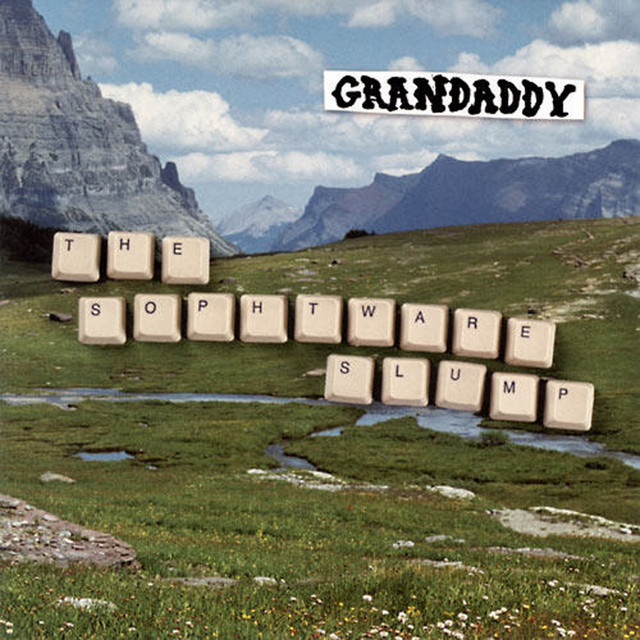
11. The Sophtware Slump
Grandaddy’s 2000 album felt like a bittersweet elegy for the analog world in a burgeoning digital age. Jason Lytle's distinctive vocals and melancholic lyrics painted pictures of lonely robots and existential dread, all wrapped in fuzzy, lo-fi indie rock with subtle electronic flourishes. It wasn’t flashy, but its understated genius captured the quiet anxieties of Y2K and beyond. A true digital-era gem, blending warmth with a pervasive, gentle sadness.