

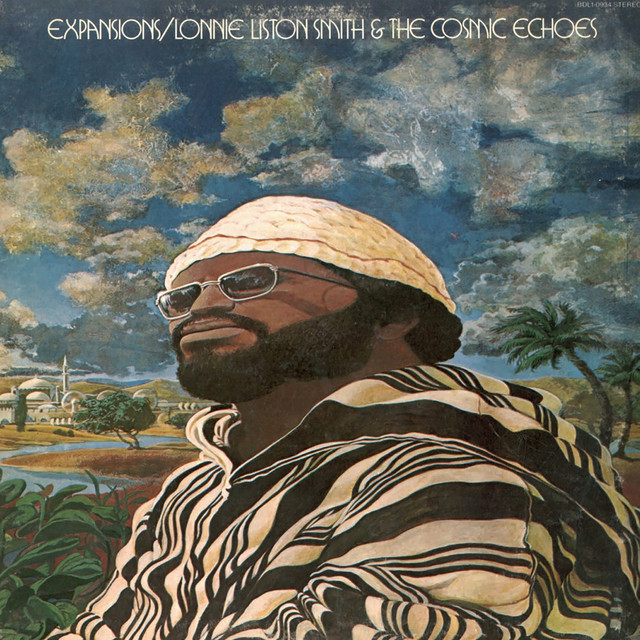
1. Expansions
Lonnie Liston Smith's 1975 classic 'Expansions' epitomized the spiritual jazz-funk movement, a sublime blend of earthy grooves and cosmic aspirations. The album’s warmth, captured meticulously on analog tape, allowed the electric piano, bass, and percussion to breathe, creating an immersive, almost meditative soundscape. This wasn't just fusion; it was an exploration of inner and outer space, where every sustained chord and syncopated rhythm resonated with a pre-digital purity, laying groundwork for future ambient and electronic explorations with its profound atmospheric depth.

2. Christmas Collection
Even commercial endeavors like a 'Christmas Collection' in the analog era could reveal surprising depths. Imagine the meticulous layering of vintage synths, warm brass, and shimmering tape echoes, crafting a seasonal soundscape far from today’s sterile digital sheen. It wasn't about novelty; it was about leveraging every console channel and microphone placement to evoke a specific, often nostalgic, warmth, proving that even holiday records could carry a distinct, innovative sonic signature from the studio floor, a testament to analog engineering's versatility.

3. Tin Drum
Japan's 'Tin Drum' (1981) was a masterclass in austere elegance, a meticulous dissection of synth-pop and art-rock. The album's sparse, almost minimalist production, heavily reliant on early Fairlight CMI samples and precise engineering, created a cold yet alluring sonic tapestry. It was a conscious move away from conventional pop, blending Asian influences with European post-punk sensibilities. Every carefully placed sound, every shimmering texture, felt deliberate, showcasing the power of restraint and innovative synthesis in a pre-digital landscape, truly unique.
4. Sextet
A true 'Sextet' in the '70s or '80s jazz-fusion landscape was a masterclass in dynamic interplay, captured live and raw. The distinct voices of each instrument – whether electric piano, searing guitar, or polyrhythmic drums – were meticulously balanced on tape, preserving every nuance of improvisation. This wasn't about overdubbing; it was about capturing collective genius in a single, unvarnished take. The analog warmth lent an undeniable presence to each player’s contribution, a truly human innovation in ensemble recording, emphasizing real-time interaction.

5. License To Dream
Kleeer's 'License to Dream' (1981) personified the slick, sophisticated sound of post-disco boogie, a genre that expertly navigated the transition from live instrumentation to nascent machine grooves. The album's crisp LinnDrum patterns, fat synthesized basslines, and shimmering guitar chords were perfectly balanced, showcasing an impeccable analog production. It offered a streamlined, yet incredibly funky, sound that was both dancefloor-ready and sonically complex. This was the sound of the future, delivered with an undeniable, warm, analog punch.

6. vs.
The enigmatic 'vs.' in an analog context often signified a collision of forces, a sonic dialogue captured with raw immediacy. Think of early industrial tapes pitting machine against human, or nascent hip-hop battles recorded on rudimentary gear, where the tension was palpable. This wasn't polished digital antagonism; it was grit and texture, two distinct entities struggling for dominance within the confines of tape saturation, revealing an unrefined, powerful innovation in sound clash. The imperfections added character, a true artifact of confrontation.
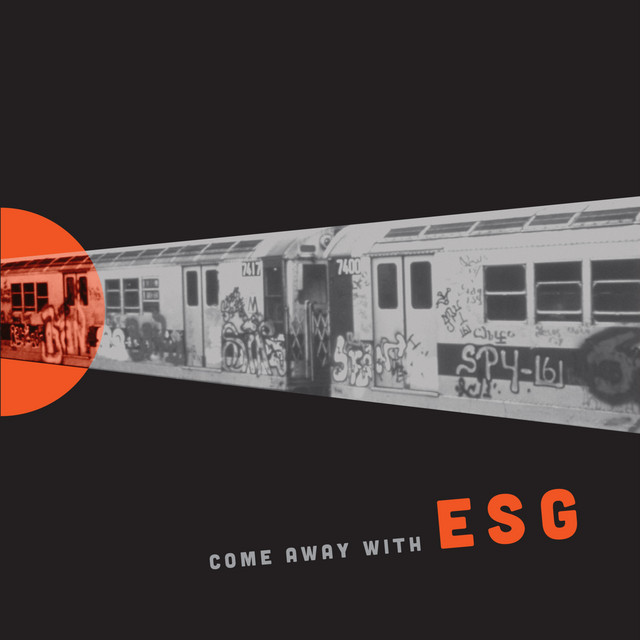
7. Come Away with ESG
ESG's 'Come Away with ESG' (1983) was a primal, minimalist funk masterpiece, a cornerstone of post-punk and early hip-hop. Its raw, dry production and sparse instrumentation—emphasizing bass, drums, and a distinctive guitar chime—created an irresistible, skeletal groove. The analog recording captured the immediacy and energy of their live sound, making every beat and riff reverberate with an undeniable potency. This wasn't about studio wizardry; it was about capturing raw rhythmic innovation that influenced generations of dance music.
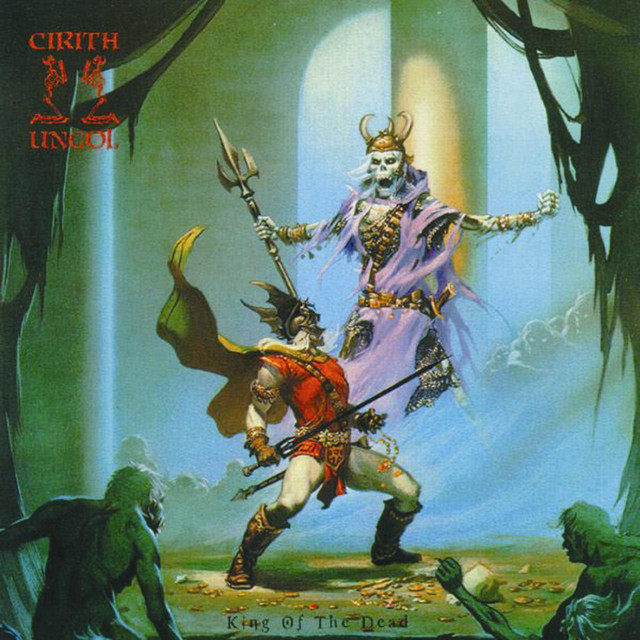
8. King of the Dead
Death SS's 1988 'King of the Dead' stands as a stark, primitive artifact of early extreme metal. This wasn't about polished production; it was about capturing a raw, visceral energy that defined nascent black and doom metal. The lo-fi analog recording lent an unholy grit to the guttural vocals, churning riffs, and cavernous drums, creating an oppressive, occult atmosphere. It's a testament to how limitations of early studio technology could enhance, rather than hinder, the dark, innovative spirit of a burgeoning subgenre.

9. Eternal
The concept of 'Eternal' in the analog era often manifested in sustained sonic environments, whether through early ambient washes or deep, atmospheric darkwave. Artists explored endless loops, tape delays, and cavernous reverbs, crafting immersive soundscapes without the precision of digital recall. This wasn't about transient moments; it was about creating a sense of timelessness, a palpable, enveloping presence achieved through the organic decay and warmth inherent in analog synthesis and multitrack manipulation, a truly enduring sound.

10. The Invitation
The Crusaders' 1979 album 'The Invitation' represented the pinnacle of sophisticated jazz-funk, a seamless blend of intricate musicianship and undeniable groove. The analog production was warm, punchy, and crystal clear, allowing each instrument—from Joe Sample's electric piano to Wilton Felder's saxophone—to shine with clarity and presence. This wasn't just fusion; it was a masterclass in tight arrangements and soulful interplay, demonstrating how analog recording could perfectly capture the nuanced dynamics of a seasoned, innovative ensemble at its peak.

11. Planet Rock
Afrika Bambaataa & The Soulsonic Force's 'Planet Rock' (1982) was a sonic earthquake, a revolutionary fusion of Kraftwerk's machine aesthetic with burgeoning hip-hop rhythms. The groundbreaking use of the Roland TR-808 drum machine and Fairlight CMI samples created a raw, futuristic sound that redefined dance music. Its analog production, despite its electronic nature, retained a powerful, physical punch that was palpable through club speakers. This track single-handedly birthed electro and laid essential groundwork for techno and modern rap.