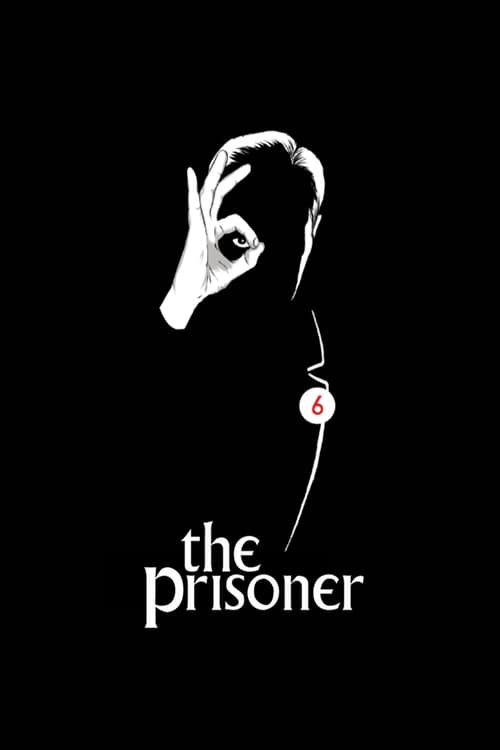
1. The Prisoner
A truly peculiar program, wasn't it? Patrick McGoohan, after his 'Danger Man' success, just upped and created this surreal little number. Kinescope looks don't quite capture the vibrant, unsettling imagery of The Village, but the mystery, the sheer audacity of its premise, still holds up. And that ending! It left many a viewer scratching their heads, convinced the network had pulled a fast one. A real mind-bender for the era.

2. Dark Shadows
Now, this was daytime drama unlike anything else. Started as a rather conventional gothic tale, then Barnabas Collins shambled in and changed everything. Suddenly, vampires and ghosts were popping up between commercials for laundry soap. Sure, the sets wobbled and the acting was often... enthusiastic, but the sheer serialized audacity, the long-form continuity on a daily basis, captivated millions. A delightful, spooky, black-and-white melodrama.
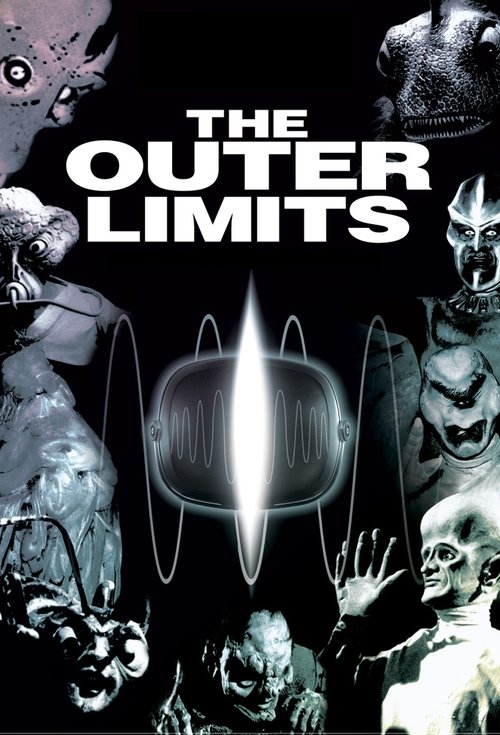
3. The Outer Limits
Ah, the show that always promised "there is nothing wrong with your television set." A darker, often more intelligent cousin to 'Twilight Zone.' The monster-of-the-week formula was strong here, but the writing often delved into truly unsettling societal anxieties. And those creature designs! Often bizarre, sometimes chilling, always memorable. The black-and-white photography lent an extra layer of stark menace to its science fiction tales. A true anthology standout.
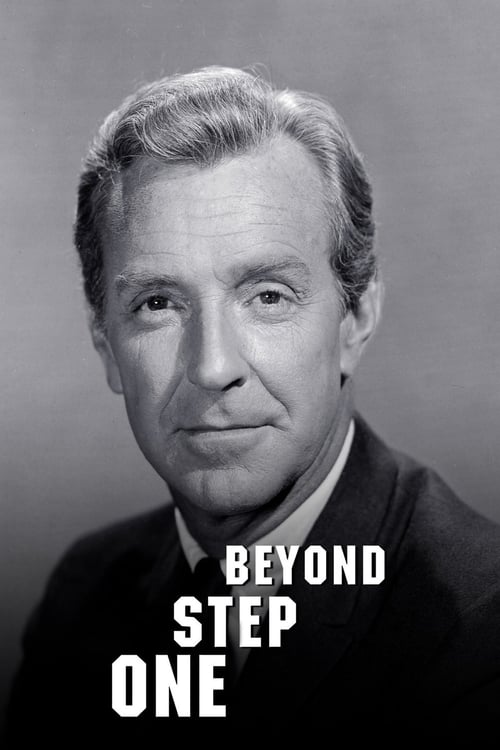
4. One Step Beyond
Before 'Twilight Zone' cornered the market on the uncanny, there was John Newland, always there to introduce another true tale of the supernatural. It was all very serious, you see, presented as fact. Black and white, of course, which only added to the eerie, almost documentary feel. No monsters, just peculiar occurrences, often ending with a shiver. A quiet, unsettling precursor to television's fascination with unexplained phenomena. Really made you think.

5. Naked City
"There are eight million stories in the Naked City. This has been one of them." A groundbreaking crime procedural, filmed on location in New York, which was a novelty then. It gave a gritty, realistic feel to its police work and character studies, a far cry from the studio-bound dramas. You really felt like you were seeing the city, not just a set. Black and white, naturally, enhancing that tough, urban aesthetic. A raw, powerful watch.
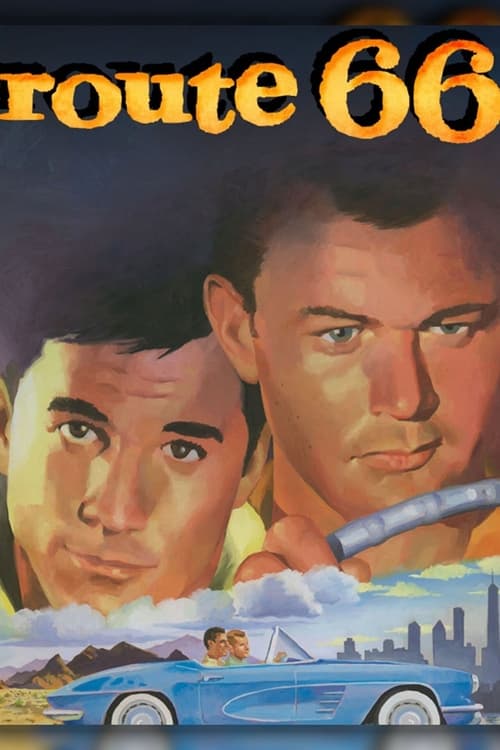
6. Route 66
Two young men, Buz and Tod, driving around America in a Corvette, finding adventure and trouble in every new town. It was an episodic travelogue, a character study, and a social commentary all rolled into one. The early '60s landscape, the jazz score, and the earnest performances made it quite compelling. You got a real sense of the era, the changing country. And they actually filmed on location, which was always impressive for its time.
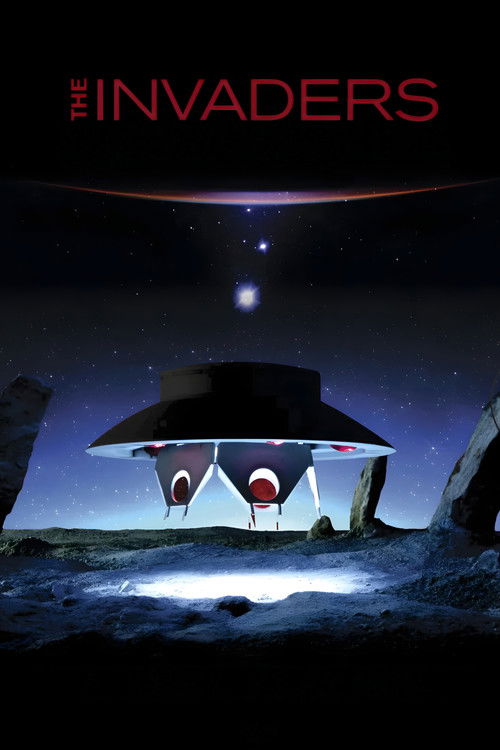
7. The Invaders
David Vincent, a man who saw flying saucers and knew they were real. And he spent his days trying to convince everyone else. This was a classic 'lone man against impossible odds' scenario, with a distinct paranoiac edge. Those aliens, with their stiff pinky fingers, were genuinely creepy. And the constant chase, the struggle to expose a hidden threat, built a real tension. A classic one-man conspiracy thriller, pure '60s sci-fi.
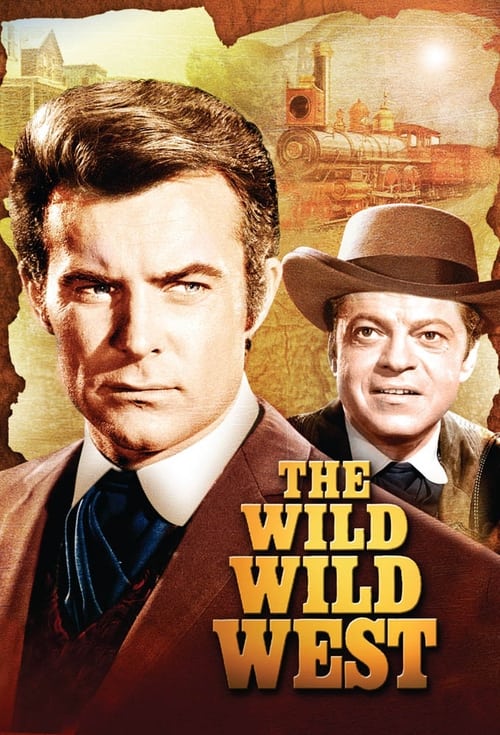
8. The Wild Wild West
A truly imaginative blend of Western and spy fiction, wasn't it? Robert Conrad as James West, Artie as Artemus Gordon, with their gadgets and disguises, facing off against ludicrous villains. It was pure escapism, a rollicking adventure every week. The fight choreography, the often outlandish sets and props, all contributed to its unique charm. And the opening animation was always a treat. Just good, clean, inventive fun.
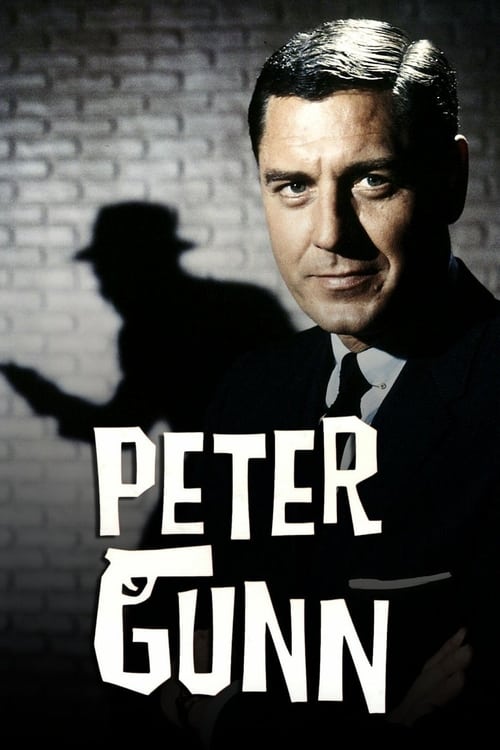
9. Peter Gunn
Blake Edwards' stylish detective series, famous for its iconic Henry Mancini jazz score. It was sleek, sophisticated, and just a little bit cool for its time. Gunn, with his trench coat and sardonic wit, moved through a shadowy, smoky world. The black-and-white cinematography was absolutely essential to its film noir aesthetic, giving it that hard-boiled, metropolitan edge. A true trendsetter in both sound and vision. Still sounds good today.
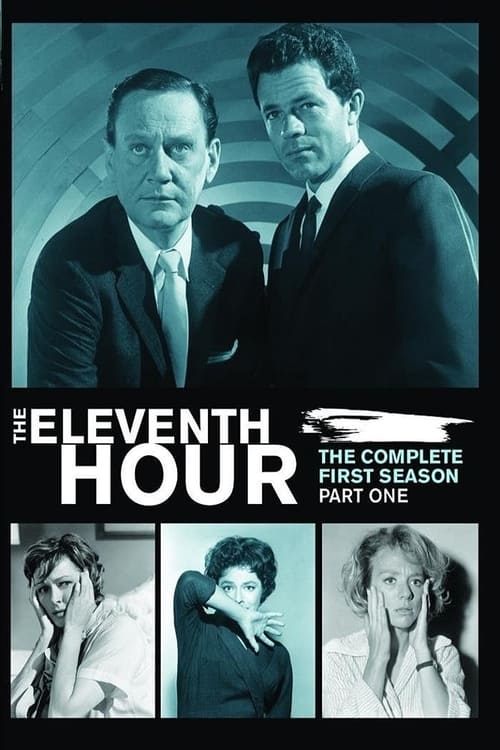
10. The Eleventh Hour
This medical drama tackled psychiatric issues with a surprising amount of depth for its era. Wendell Corey and Jack Ging played the doctor duo, wrestling with complex cases that often touched on societal anxieties. It wasn't always easy viewing, but it certainly aimed for something more serious than your average episodic fare. A precursor to the more nuanced medical shows that would follow, exploring the mind rather than just the body. Quite thoughtful.
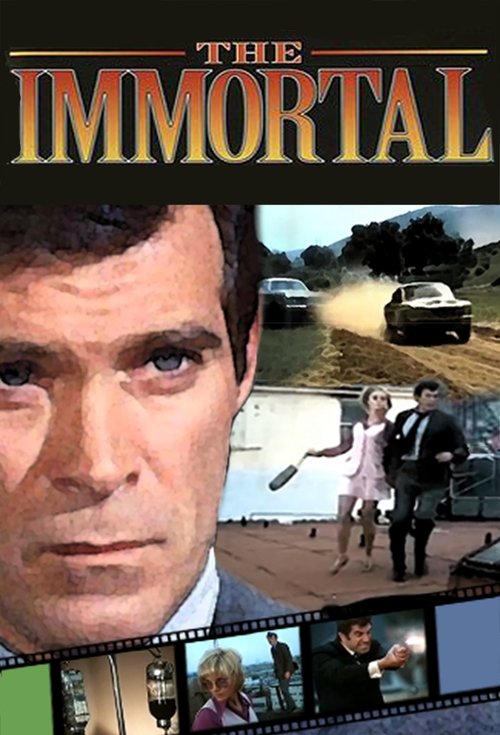
11. The Immortal
A man who simply couldn't die, pursued by a rich industrialist who wanted his blood for immortality. Christopher George as Ben Richards, always on the run. This was a direct product of the late '60s and early '70s, embracing that "fugitive on the lam" trope, but with a sci-fi twist. A short-lived series, perhaps, but its premise was compelling, offering a blend of adventure and existential dread. A unique, if fleeting, experiment in continuity.