1. The Prisoner
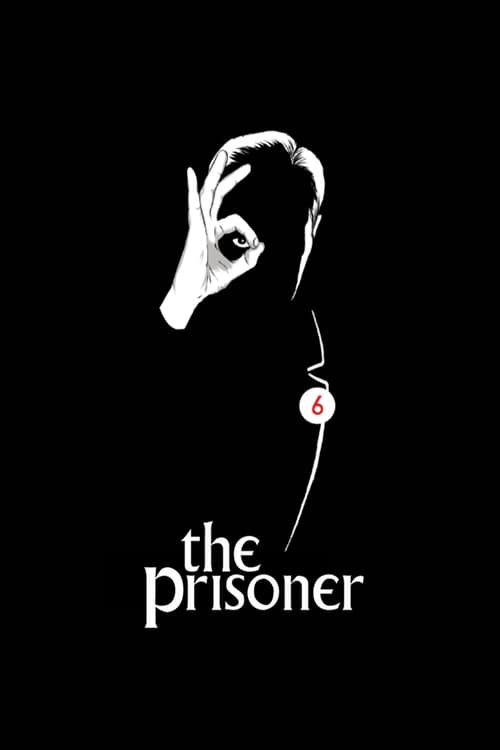
Oh, now *this* was a mind-bender. McGoohan, after his *Danger Man* run, gave us something truly unique. A man, a village, and questions. Every episode felt like a chapter in a strange novel, not a standalone. And the imagery! Those colors, that Penny Farthing. It challenged what you thought television could even *do*, pushing boundaries beyond your standard hour-long drama. Quite the commitment for a viewer, but it sure paid off in conversations the next day.
2. Thriller
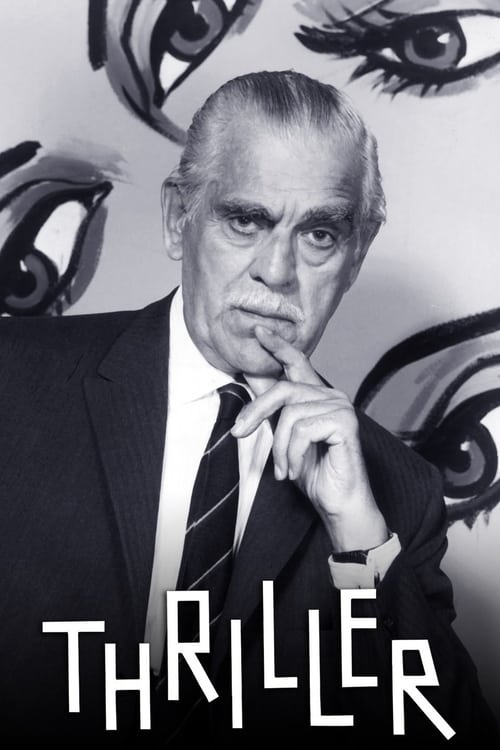
Before *The Twilight Zone* got all the glory for scares, there was *Thriller*. And it lived up to its name. Boris Karloff, a genuine horror icon, would introduce these chilling tales. Black and white, of course, which only added to the dread. You’d get a real sense of unease, a good old-fashioned fright without all the blood and gore they show these days. It was true suspense, built slowly, right there in your living room.
3. One Step Beyond
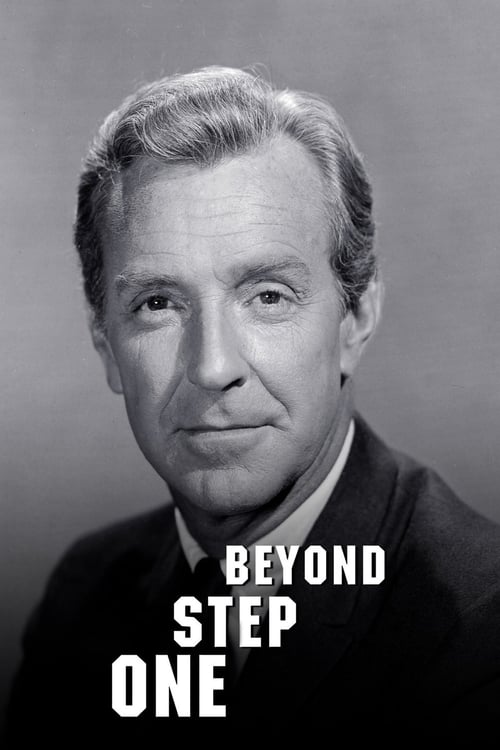
John Newland, always with that serious look, telling us tales of the unexplained. This show was *different*. While others went for science fiction, *One Step Beyond* claimed to delve into actual documented accounts of psychic phenomena. You'd sit there, in the glow of the tube, wondering if these things truly happened. It was a bit spooky, a bit mysterious, and it certainly got folks talking around the water cooler. A real pioneer in the "true story" format, even if you took it with a pinch of salt.

4. Naked City
"There are eight million stories in the Naked City. This has been one of them." What a line! This show felt *real*. Shot right on the streets of New York, not some backlot. You saw the grime, the grit, the everyday struggles. It was a police procedural, sure, but it dove into the human element, the drama behind the headlines. Black and white just intensified that feeling of raw authenticity. It certainly wasn't your lighthearted family fare, but it was compelling.
5. Car 54, Where Are You?
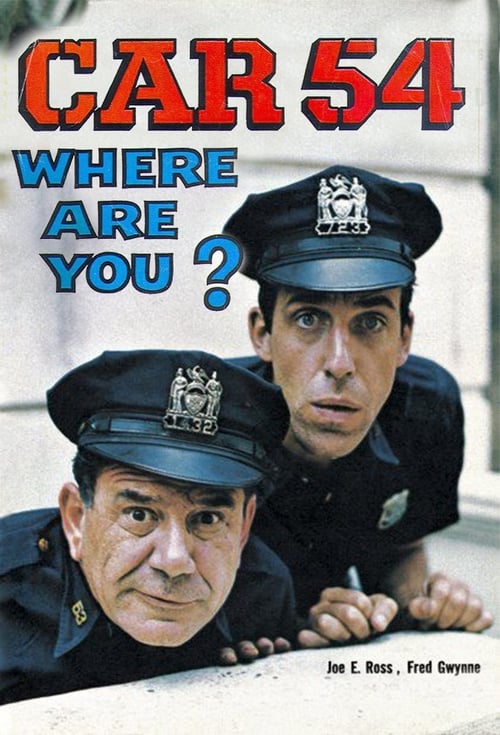
Oh, the laughs we had with Gunther Toody and Francis Muldoon! This was a classic early sitcom, all about two bumbling cops in the Bronx. Fred Gwynne and Joe E. Ross had such great chemistry. It was pure, unadulterated physical comedy and sharp writing. Not a laugh track, mind you, but a studio audience. You could hear them roaring. Just good, clean fun, the kind of show you could watch with the whole family after dinner. A true television staple.
6. Playhouse 90
Now *this* was television. Live, ninety minutes, and every week a new, original drama. The "Golden Age," they called it, and *Playhouse 90* was its crown jewel. Top writers, big stars, all performing live. You felt the electricity, the tension of a stage play unfolding in your living room. It was serious storytelling, exploring complex themes. They don’t make 'em like that anymore, with that level of daring and raw, unedited performance. A true artistic endeavor.
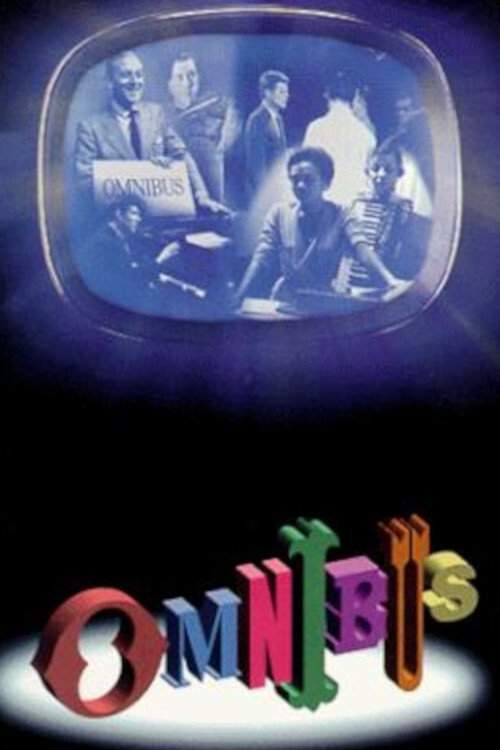
7. Omnibus
Before there was any thought of "edutainment," there was *Omnibus*. Alistair Cooke, ever the gentleman, hosted this incredible cultural smorgasbord. From classical music to Shakespeare, science, and history, it covered everything. It wasn't just a show; it was an experience. It truly believed in educating and elevating the audience, not just entertaining them. A very ambitious program for early television, showing what the medium could truly achieve beyond just game shows.
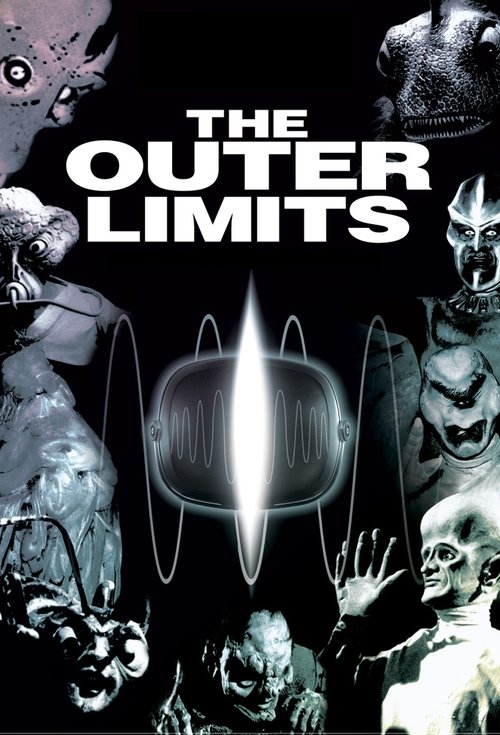
8. The Outer Limits
"We control the horizontal. We control the vertical." What an opening! *The Outer Limits* took science fiction seriously. It wasn't just bug-eyed monsters, though it had plenty of those fantastic creatures. Each episode explored a deep moral or philosophical question. Black and white made those alien designs even more striking, more unsettling. It was often dark, thought-provoking, and definitely gave you something to chew on after the credits rolled. A benchmark for intelligent sci-fi.
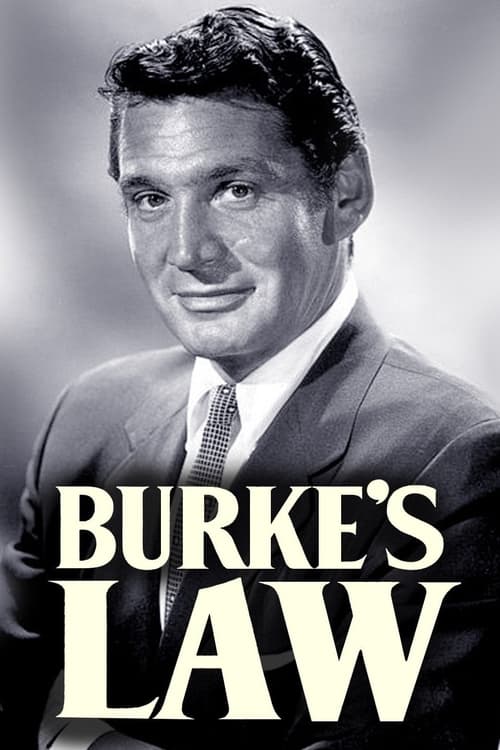
9. Burke's Law
Well, here was a show with style! Gene Barry as millionaire detective Amos Burke, solving crimes while living the high life. Every week, a parade of Hollywood guest stars—the kind you’d rarely see on TV. It was light, it was glamorous, and the mysteries were always clever. Not gritty realism, but pure escapism. You tuned in as much for the famous faces and Burke's opulent lifestyle as for the whodunit. A fun, frothy romp of a show.
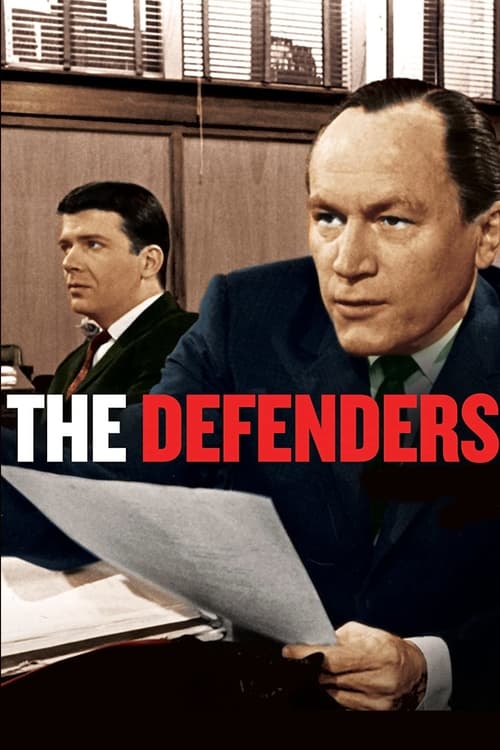
10. The Defenders
*The Defenders* was television unafraid to tackle the tough stuff. A father-son legal team, played by E.G. Marshall and Robert Reed, taking on cases that grappled with real social issues of the day—abortion, euthanasia, civil rights. This wasn't just courtroom theatrics; it was serious, thought-provoking drama. It pushed boundaries and sparked conversations. And it showed that television could be more than just entertainment; it could be a platform for important discussions.
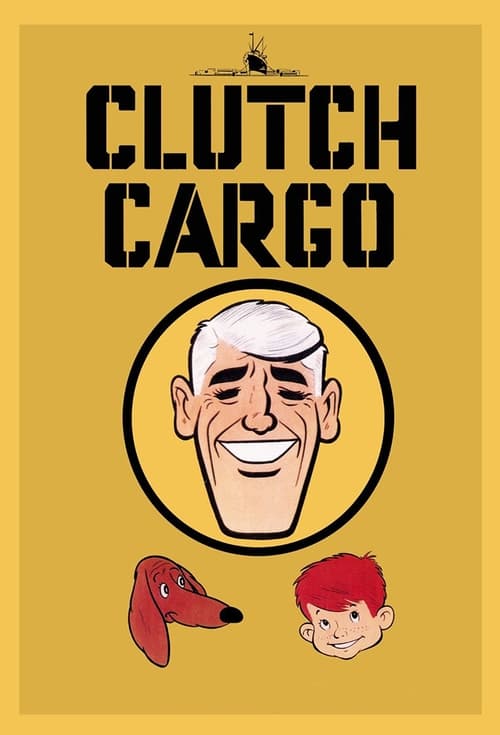
11. Clutch Cargo
Oh, *Clutch Cargo*. Now, that was... something. You remember Syncro-Vox, right? Where they’d superimpose actual human mouths onto cartoon characters? It was a wild experiment in animation, born out of necessity, I suppose. The stories were simple adventure yarns, but those talking mouths, they were unforgettable. It looked absolutely wild, a true product of its time when they were figuring out how to make cartoons for the small screen on a shoestring budget. A real oddity.