1. Oz
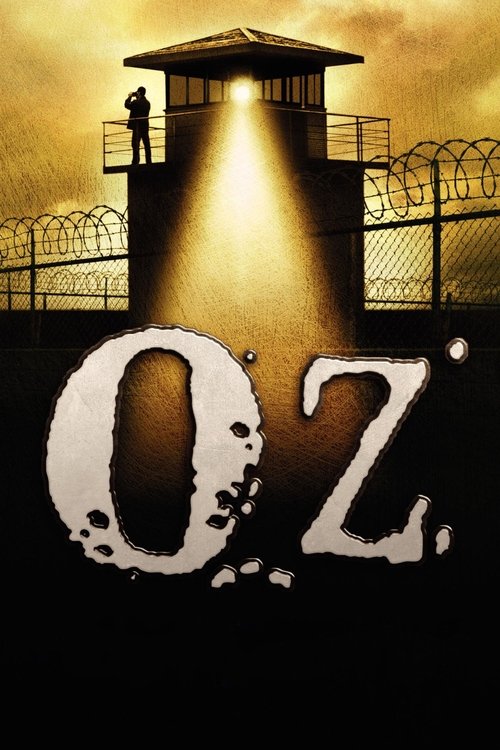
Before HBO became the "it" network, there was Oz. This show didn't just push boundaries; it bulldozed them. Raw, visceral, and utterly uncompromising, it threw viewers into the deep end of prison life, forcing them to confront complex moral dilemmas week after week. It showed how powerful, serialized drama could be when freed from network constraints, establishing the blueprint for HBO's gritty, character-driven storytelling. A true pioneer in making TV uncomfortable, and therefore, essential.
2. Homicide: Life on the Street
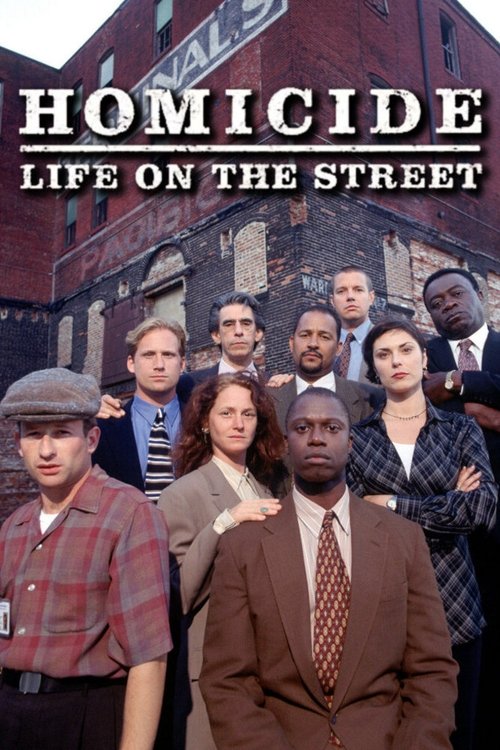
Homicide was a revelation on network TV, a gritty, handheld aesthetic that felt more like cinema vérité than typical cop procedural. It wasn't just about catching the killer; it was about the grind, the psychological toll, and the deeply flawed characters trying to make sense of it all. Its ensemble cast was top-notch, and the narrative threads often carried over, building a world that felt lived-in and real. It dared to be different, paving the way for more nuanced, serialized storytelling on broadcast.
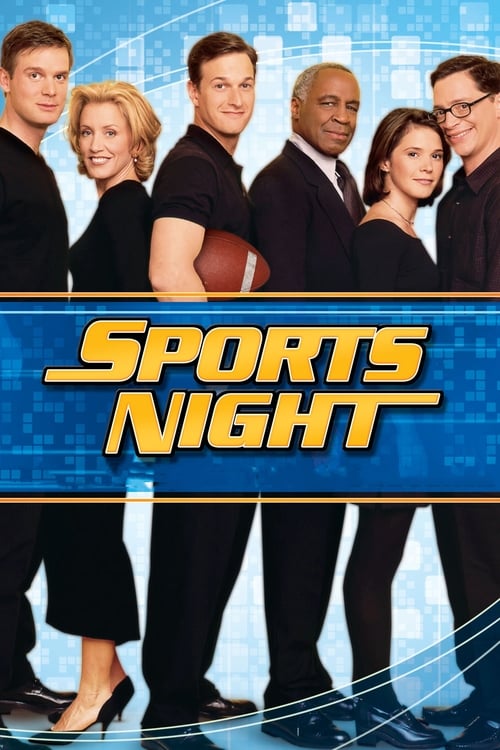
3. Sports Night
Aaron Sorkin's early foray into television, *Sports Night*, was a masterclass in dialogue and character. It looked like a sitcom, but beneath the rapid-fire banter and workplace humor was a genuine, serialized drama about ambition, ethics, and relationships. It pioneered a sophisticated, single-camera style for comedy-drama, treating its audience with respect and trusting them to keep up. While perhaps ahead of its time for network TV, it laid crucial groundwork for the intelligent, character-driven ensembles that would soon dominate cable.
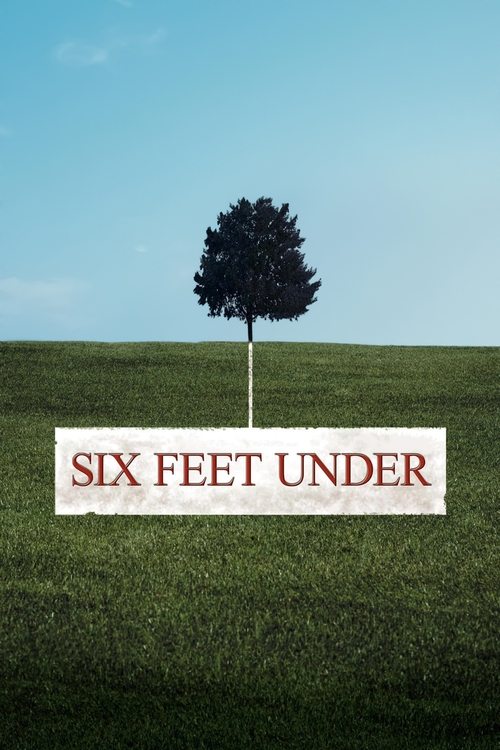
4. Six Feet Under
Six Feet Under dug deep into the human condition, using a funeral home as its morbidly compelling backdrop. This HBO gem was less about plot and more about profound character exploration, tackling grief, family dysfunction, and the existential dread of mortality with a darkly humorous, deeply empathetic lens. Its serialized nature allowed for incredible character arcs, demonstrating how television could be as emotionally rich and artistically ambitious as any feature film. It truly redefined what a family drama could be.
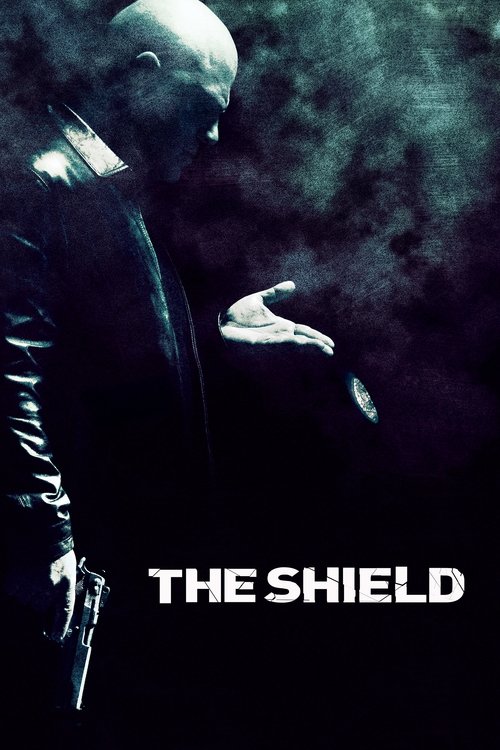
5. The Shield
The Shield hit like a gut punch, introducing Vic Mackey, TV's original anti-hero you loved to hate, or just plain hated. FX wasn't playing it safe; this was raw, aggressive storytelling, unflinching in its portrayal of corrupt cops navigating a morally gray world. Its serialized narrative chronicled the slow, agonizing descent of its characters, proving that audiences were ready for complex, deeply flawed protagonists and stories with real consequences. It cemented the idea that cable was where the truly daring drama lived.
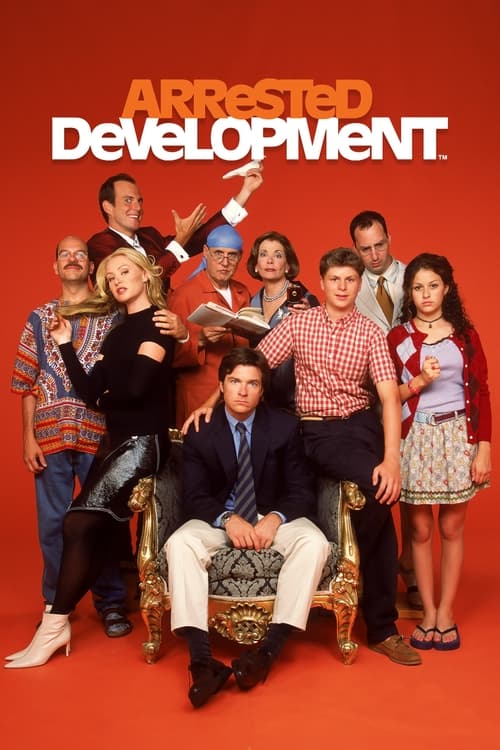
6. Arrested Development
Arrested Development arrived like a comedic alien, a mockumentary style so dense with running gags, callbacks, and meta-humor it demanded active viewing. It deconstructed the sitcom format, relying heavily on a serialized narrative where every episode built on the last, rewarding dedicated fans. Its unique blend of quick-witted writing, unreliable narration, and dysfunctional family dynamics showed how innovative and intelligent comedy could be. It might have been too smart for network prime-time, but its influence is undeniable.
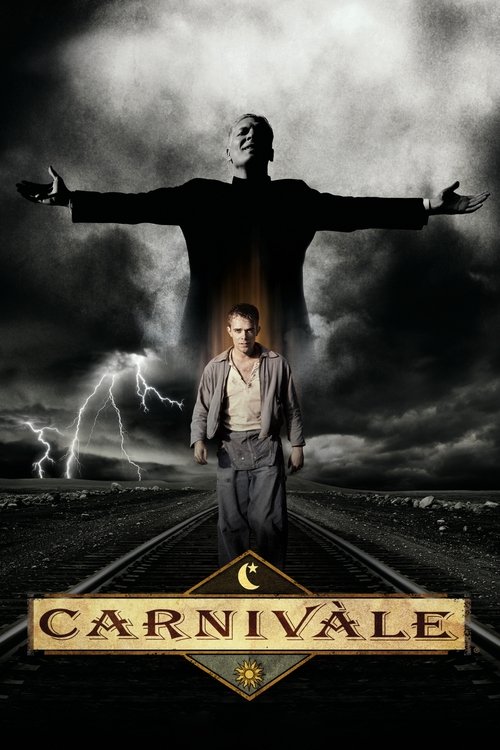
7. Carnivàle
Carnivàle was HBO's ambitious, atmospheric gamble, a Depression-era saga steeped in mysticism and allegory. Its slow-burn, deeply serialized narrative unfolded with cinematic grandeur, creating an immersive, almost dreamlike world that defied easy categorization. While its dense mythology and deliberate pacing might have alienated some, it was a bold statement about television's capacity for epic, art-house storytelling. It proved cable could invest in visually stunning, long-form narratives that prioritize mood and mystery over instant gratification.
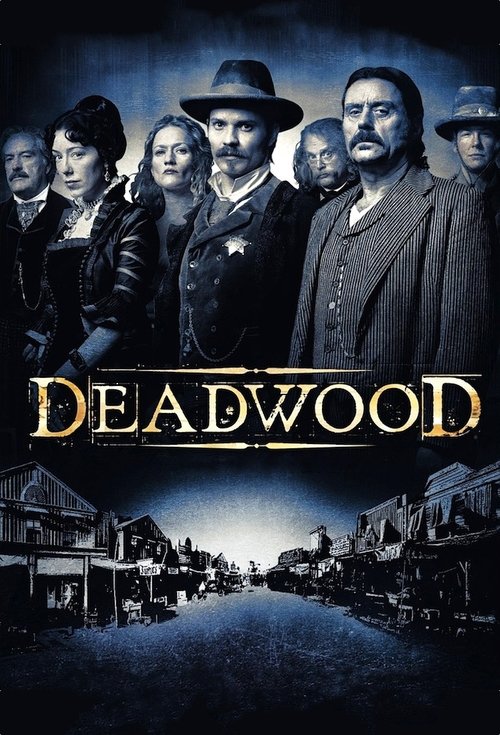
8. Deadwood
Deadwood brought the Old West to life with an authenticity and vulgarity that was utterly groundbreaking. David Milch’s poetic, often profane dialogue was a character in itself, creating a rich tapestry of language unlike anything on television. This wasn't a clean, romanticized Western; it was a gritty, serialized examination of civilization's messy birth, driven by an incredible ensemble cast. It blended historical detail with Shakespearean drama, cementing HBO's reputation for audacious, artistically fearless storytelling.
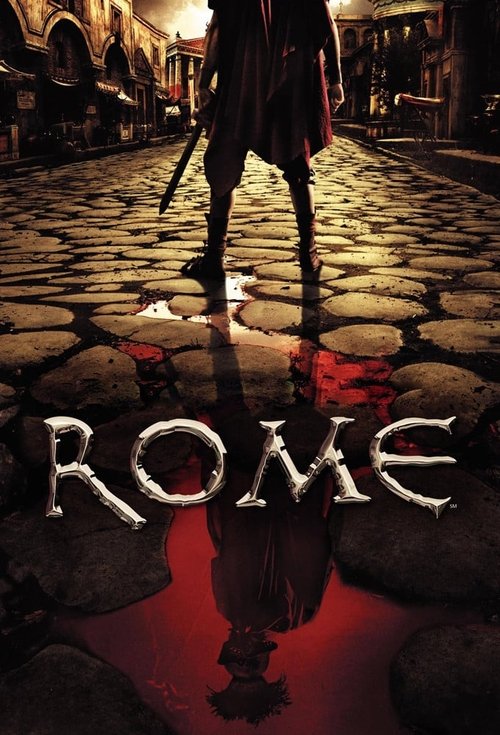
9. Rome
Rome was a colossal undertaking, an early example of television truly competing with film on an epic scale. Its massive sets, intricate costumes, and sprawling historical narrative depicting the fall of the Roman Republic were breathtaking. This HBO-BBC co-production showcased how serialized drama could handle grand historical events through the eyes of both the powerful and the common man, proving that television budgets and ambition could match Hollywood's, paving the way for future historical epics.
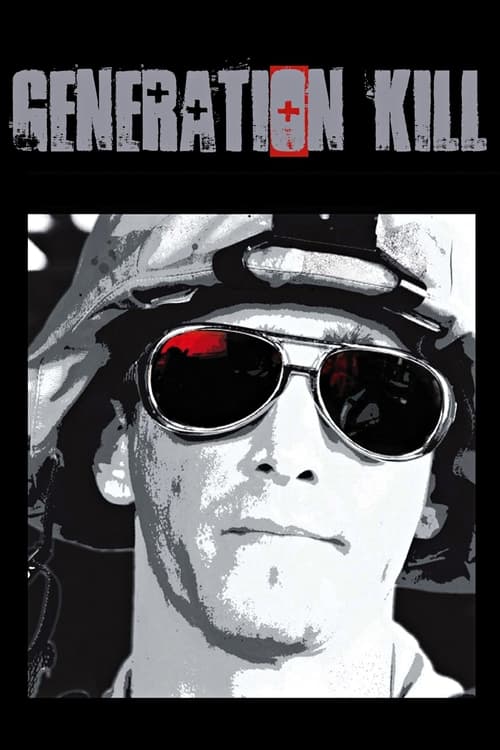
10. Generation Kill
Generation Kill redefined the war genre for television. Stripping away heroics, it offered a brutally honest, almost documentary-style look at the early days of the Iraq War through the eyes of a Marine reconnaissance unit. This HBO miniseries used a tight, ensemble cast and dialogue-driven realism to portray the mundane, the chaotic, and the darkly humorous aspects of modern combat. It was serialized storytelling at its most unflinching, demonstrating TV’s capacity for raw, unvarnished truth.
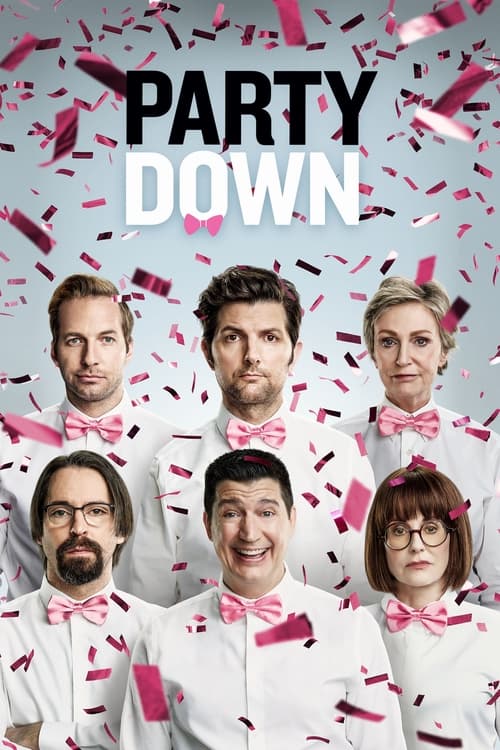
11. Party Down
Party Down was a brilliant, understated comedy that found its cult following long after its initial run. It followed a catering crew in Los Angeles, using a "mockumentary-lite" style to expose the mundane absurdities and dashed dreams of its struggling, often cynical ensemble. Its blend of sharp dialogue, character-driven humor, and melancholic undertones was unique, proving that a serialized comedy didn't need big ratings to be critically adored and influential. It was a masterclass in cringe and charm.