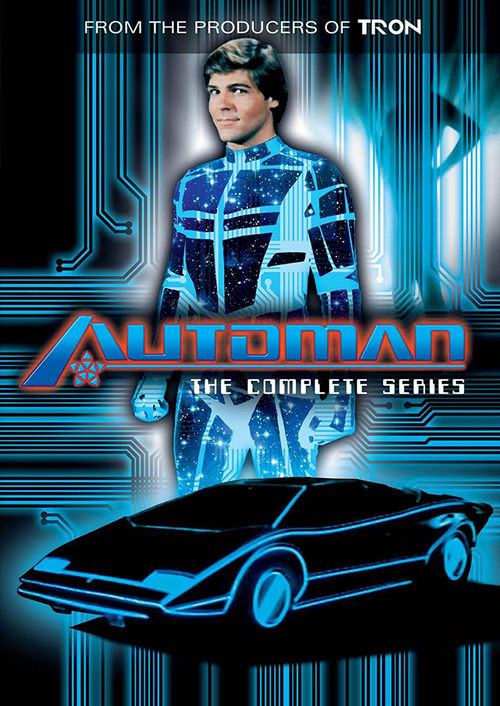
1. Automan
Look, it was a glitchy, glowing fantasy from the moment Automan materialized from the mainframe. This show was pure 80s neon sci-fi, where a computer program could drive a light cycle out of a screen and fight crime. The "CGI" was hilariously primitive, yet completely groundbreaking for its time, giving it this wonderfully clunky, experimental vibe. It’s got that proto-cyberpunk aesthetic, a hero made of light fighting analog evil. Maximum cathode ray tube maximalism.

2. Tales from the Darkside
Before cable got truly weird, this syndicated gem brought the creepy right into your living room. Each episode was a self-contained nightmare, often with a twist that stuck to your ribs like cheap pizza. It leaned into the practical effects, the shadows, and a certain low-budget grittiness that made the horror feel more intimate, more unsettling. It proved you didn’t need a massive budget to mess with people’s heads. Pure analog dread.
3. Beauty and the Beast
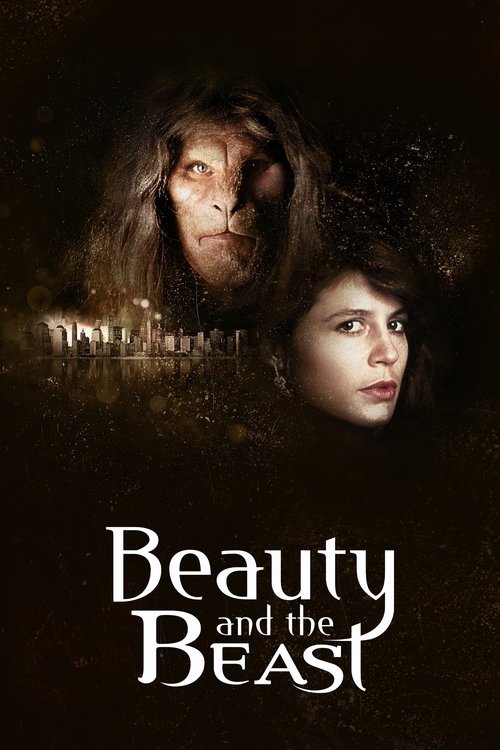
This wasn't your Disney version. Vincent, the beast, lived in the shadowy tunnels beneath New York, a poetic, lion-faced protector of Linda Hamilton's Catherine. It was a gothic romance wrapped in a crime procedural, dripping with operatic angst and a palpable sense of urban decay. The practical makeup on Vincent was incredible, giving him a tragic, soulful quality that made the forbidden love story feel genuinely intense, almost intoxicating. Peak soap-operatic maximalism.
4. War of the Worlds
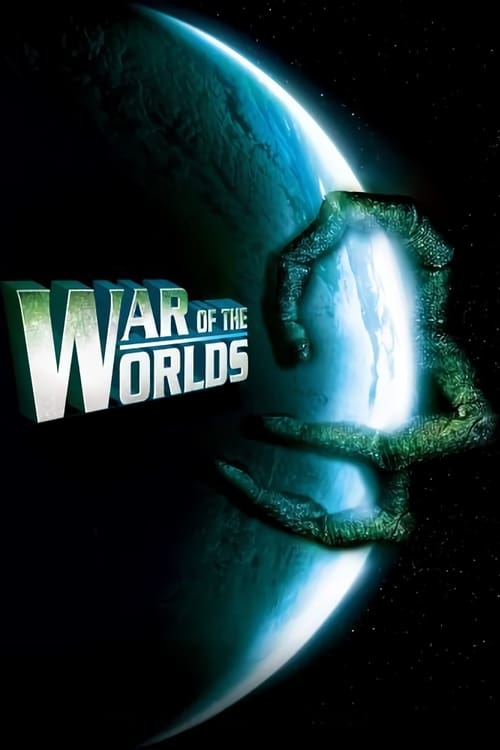
Forget Spielberg’s slick take; this was the proper, gritty follow-up to the 1953 film. The aliens were back, possessing human bodies and causing all sorts of practical effects nightmares. It had a dark, conspiratorial edge, with humanity barely holding on against a truly malevolent, parasitic force. The body horror was often unsettling for network TV, and the overall vibe was one of desperate, hopeless struggle. This was raw, analog sci-fi horror.
5. Eerie, Indiana
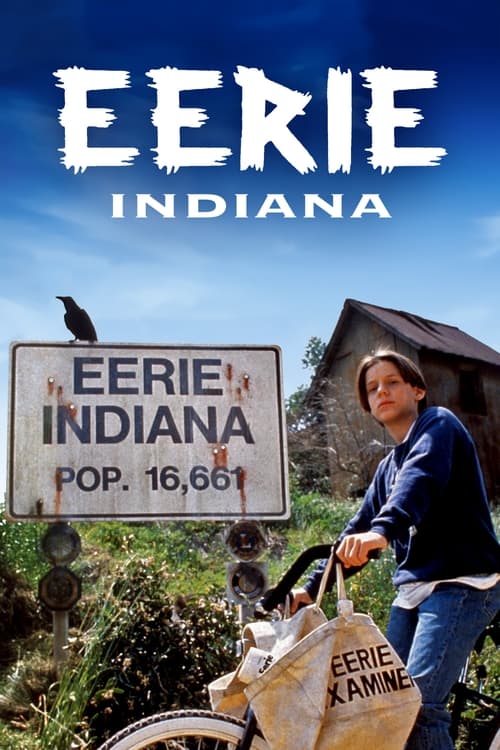
Okay, this show was just *weird*. A kid named Marshall moves to Eerie, Indiana, the center of all things bizarre and unexplained. It mixed adolescent angst with genuinely surreal, almost Lynchian small-town oddities. From Elvis living next door to a guy who kept his family in Tupperware, it was a masterclass in making the mundane utterly unsettling. It was quirky, darkly comedic, and played with the limits of what a "kids' show" could be.

6. Forever Knight
Nick Knight, a centuries-old vampire, works as a detective in modern-day Toronto, forever tormented by his past and yearning for redemption. This was syndicated TV gold – moody, atmospheric, and full of that classic vampire angst before it got sparkly. The show leaned hard into the gothic romance of it all, with plenty of flashbacks to his dark history and his human partner trying to understand him. Proto-urban fantasy done right.
7. The Adventures of Brisco County, Jr.
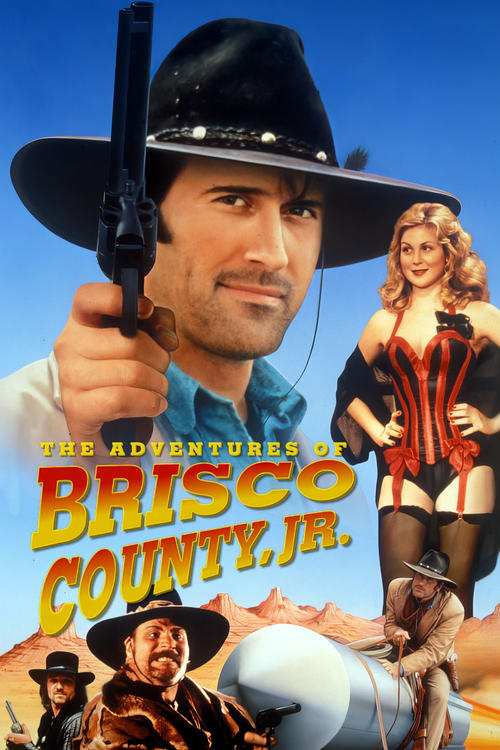
Bruce Campbell as a Harvard-educated bounty hunter in the Old West, chasing a futuristic orb? Yeah, this was peak proto-genre hybrid. It was a Western with sci-fi gadgets, quirky humor, and a genuinely unique premise. The show was ahead of its time, mixing adventure with a knowing wink, and the practical effects for the orb and other gadgets felt perfectly anachronistic. It was too good, too strange, for its own era.
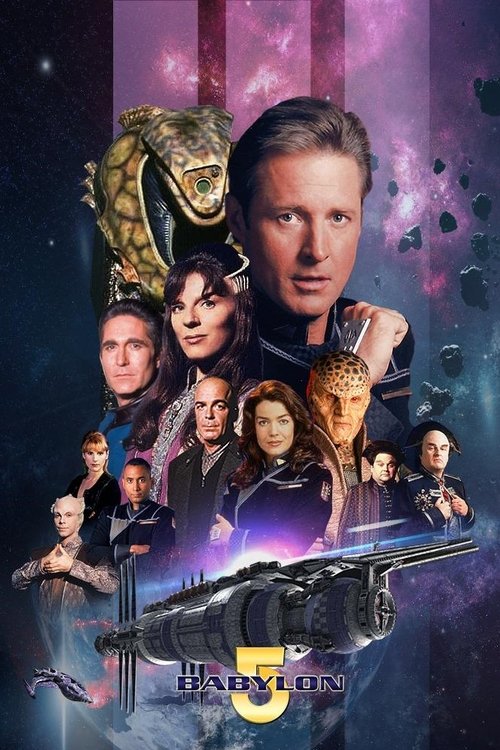
8. Babylon 5
When everyone else was doing episodic space adventures, Babylon 5 dared to tell one long, intricate story. It was a dense, political space opera with complex characters, moral ambiguities, and storylines that paid off seasons later. The practical model effects were stunning for the era, giving the ships and stations a tangible, lived-in feel that CGI was still striving for. It was visionary, groundbreaking, and totally unafraid to be brainy.

9. VR.5
This show was a fever dream. A computer hacker discovers she can access a virtual reality plane, VR.5, that taps into people's subconscious minds. It was pure 90s cyberpunk paranoia, drenched in trippy, experimental analog effects that tried to visualize cyberspace before "The Matrix." The plots were often convoluted, but the visual aesthetic and the sheer audacity of its concept made it a cult classic. Totally mind-bending.
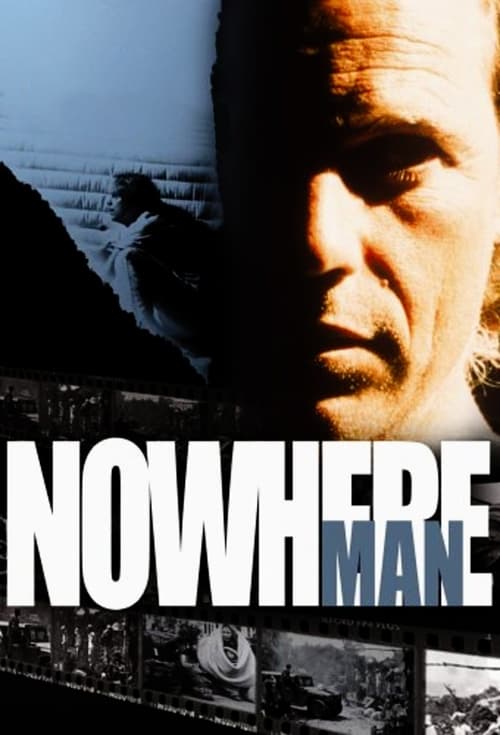
10. Nowhere Man
Imagine waking up and your entire life has been erased, your identity stolen, and everyone denies you ever existed. This was a masterclass in psychological paranoia, a truly unsettling look at a man fighting against an unseen, all-powerful conspiracy. It tapped into the deep-seated fear of losing everything, amplified by the unsettling, almost clinical direction and grimy analog visuals. It was bleak, relentless, and left you feeling deeply unnerved.
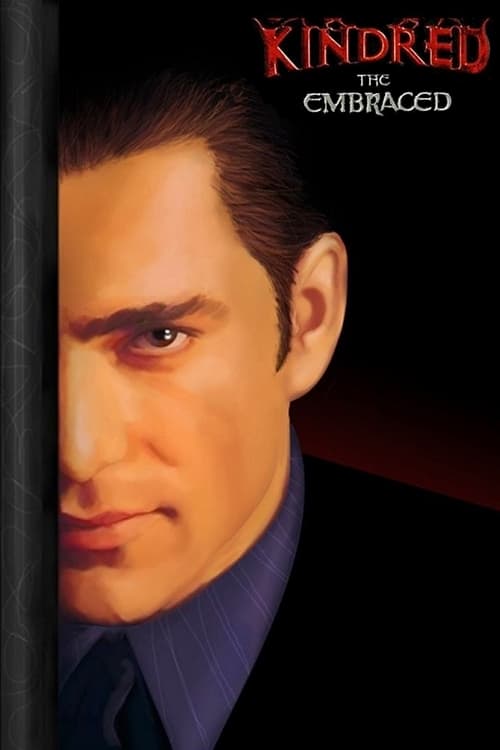
11. Kindred: The Embraced
Before True Blood, there was this short-lived but intense vampiric soap opera based on the "Vampire: The Masquerade" RPG. It explored the intricate politics and feuds between different vampire clans in modern-day San Francisco. It was dark, melodramatic, and full of that angsty, gothic romance that fans of the game adored. The practical effects for the vampire transformations were great, giving it a tangible, gritty feel.