

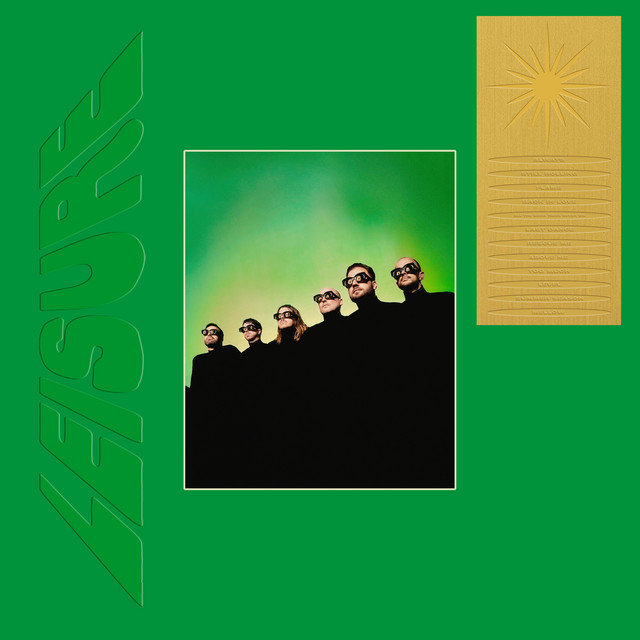
1. Leisurevision
This record, while perhaps a lesser-known artifact, perfectly encapsulates a certain detachment inherent in early '80s synth-pop and coldwave. The programmed rhythms, often stark and unyielding, lay a foundation for icy, almost clinical melodies. Its analog synthesizers hum with a restrained melancholy, creating a soundscape that feels both futuristic and oddly nostalgic, a snapshot of technology shaping emotion before digital sterility took hold. It’s the sound of lonely urban nights.

2. Ege Bamyasi (Remastered Version)
Can's 'Ege Bamyasi' always felt like a living organism, its grooves evolving with a subtle, hypnotic menace. This 'Remastered Version' attempts to polish the raw, tape-saturated edges that defined its genius. While the clarity is undeniable, some of the original's psychedelic dust and analog warmth, that unique studio alchemy, feels slightly diluted. Still, the motorik pulse and Damo Suzuki’s improvisational genius cut through, reminding us of Krautrock's enduring, rhythmic innovation.

3. Deceit
This Heat always seemed to build their compositions from a pile of meticulously salvaged industrial debris, and 'Deceit' is their most potent statement. The rhythmic complexity, often jarring and off-kilter, combined with angular guitar work and bleak vocal delivery, creates an unsettling sonic landscape. It’s post-punk pushed to its most extreme, utilizing the studio not just for recording, but as an instrument of sonic deconstruction. A masterclass in tension and controlled chaos.
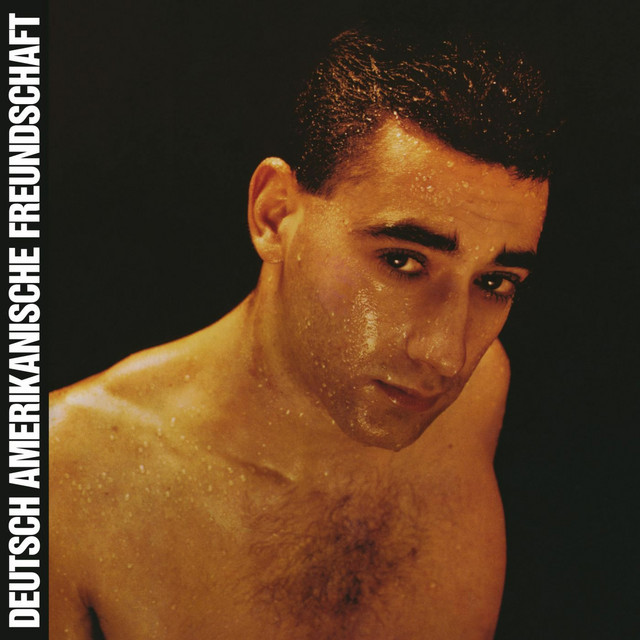
4. Alles Ist Gut
D.A.F.'s 'Alles Ist Gut' is a relentless, visceral assault of machine rhythms and impassioned German vocals. This isn't subtle; it's a stark, almost martial, declaration. The interplay of Gabi Delgado's commanding voice and Robert Görl's minimal, yet devastatingly effective, percussive synth lines defined early EBM. It's raw, uncompromising, and absolutely foundational—a blueprint for rhythmic industrial power that still feels aggressive and vital, largely due to its analog punch.

5. Deadly Weapons
For those who appreciated the slicker side of '80s electro-funk, 'Deadly Weapons' delivered. It was all about that bassline—propulsive, often rubbery—and the intricate drum machine programming that gave it an almost robotic swagger. Before sampling became ubiquitous, these tracks showcased an impressive command of analog synthesis and rhythmic syncopation. It’s a prime example of boogie's infectious energy, designed for the dance floor, yet with an understated coolness in its execution.

6. Melissa
Mercyful Fate's 'Melissa' arrived like a storm, fusing NWOBHM's melodic sensibilities with a darker, more theatrical edge. King Diamond's unparalleled vocal range, from piercing falsetto to guttural growls, provided a dramatic focal point. The guitar work, intricate and often surprisingly progressive, was captured with a raw, analog power that gave the riffs a tangible weight. This wasn't just metal; it was an operatic, occult-tinged journey, heavy in every sense.
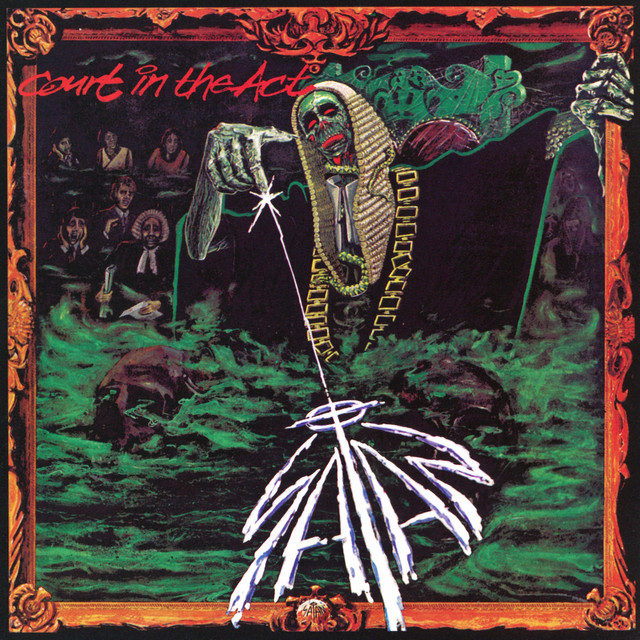
7. Court In The Act
Satan's 'Court In The Act' stands as a pivotal moment in the NWOBHM lineage, arguably laying much of the groundwork for what would become thrash metal. The twin guitar attack is relentless, intricate, and supremely melodic, yet imbued with a speed and aggression that felt ahead of its time. The production, typical of the era, is raw and punchy, capturing the band's frenetic energy without over-polishing. It’s a testament to analog power and riff mastery.
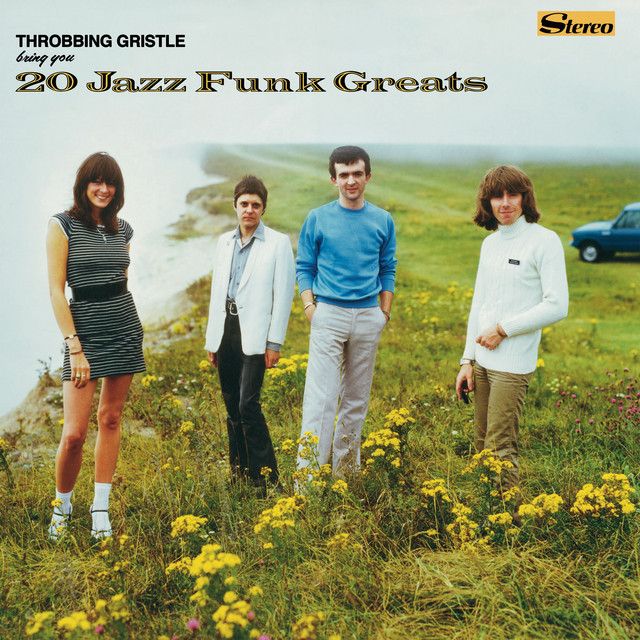
8. 20 Jazz Funk Greats (Remastered)
Throbbing Gristle's '20 Jazz Funk Greats' was never about jazz or funk; it was a deliberate, confrontational subversion of expectation. This 'Remastered' version, while perhaps clarifying some of its murky depths, still can't diminish the inherent discomfort. It's a foundational text for industrial music, utilizing tape loops, disturbing vocalizations, and harsh electronics to dismantle conventional song structures. The analog grit, even when cleaned, remains unsettlingly potent and utterly compelling.
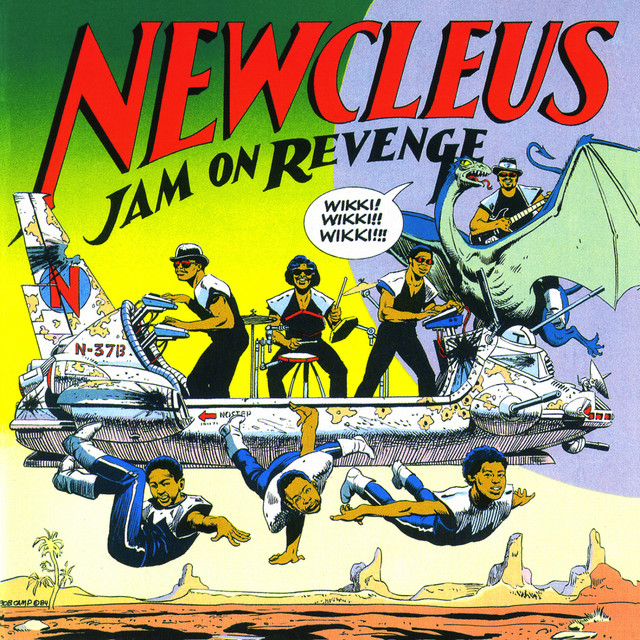
9. Jam On Revenge
Newcleus’s 'Jam On Revenge' is a cornerstone of early electro and hip-hop, a vibrant, playful explosion of street-level innovation. From the iconic vocoder work to the foundational beatboxing, it captures the raw energy of block parties and emerging urban sounds. The drum machine programming was revolutionary, providing infectious, often syncopated, rhythms that still sound fresh. This was formative rap, before the digital sheen, full of analog warmth and undeniable groove.

10. vs.
Front 242’s 'vs.' was a defining statement in the evolution of Electronic Body Music. The aggression wasn't just in the martial beats; it was woven into the very fabric of the synthesized textures and cold, commanding vocals. The use of carefully selected samples, integrated with a relentless, driving rhythmic backbone, created a sound that was both danceable and intellectually imposing. It’s a testament to analog synthesis pushed to its limits for maximum impact.
11. The Album
Public Image Ltd.'s 'Album' (or 'Compact Disc' or 'Cassette,' depending on your format) showcased a compelling evolution, moving from post-punk angularity to a more metallic, almost industrial sheen. Lydon’s distinctive vocals retained their caustic wit, but the instrumentation felt heavier, more propulsive. The studio trickery and rhythmic precision were top-notch, demonstrating a band fully in command of their sound, embracing a harder edge without sacrificing their experimental spirit. It was a bold, powerful statement.