

1 / 11
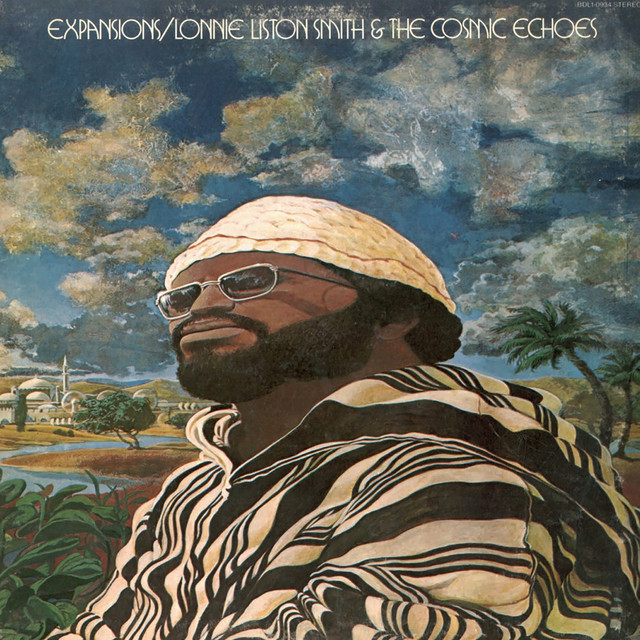
1. Expansions
Lonnie Liston Smith's 'Expansions' was a cornerstone. It seamlessly blended spiritual jazz with a nascent funk sensibility, all while maintaining that unmistakably warm, expansive analog soundstage. The Fender Rhodes shimmered, the bassline was a living, breathing entity, and the percussion felt intrinsically linked to the air in the studio. This wasn't just fusion; it was an atmospheric journey, a testament to what skilled musicians and engineers could achieve before the cold precision of digital took hold. Pure groove, pure soul.
2 / 11
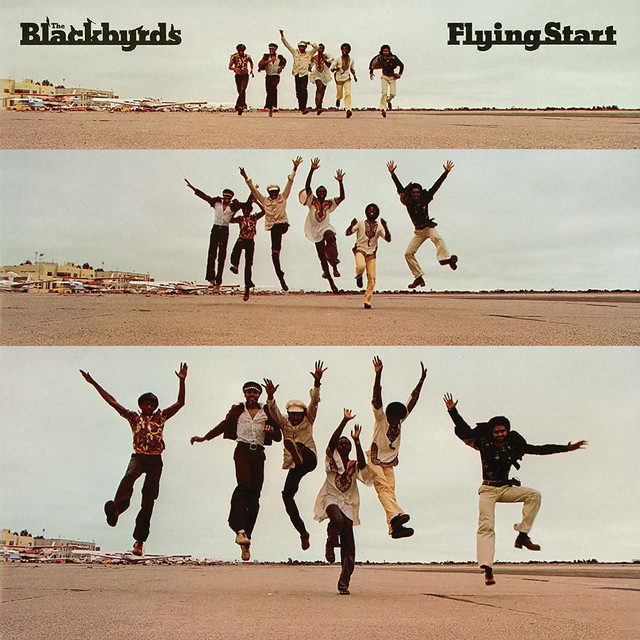
2. Flying Start
Before the Commodores became synonymous with ballads, 'Flying Start' showcased their raw, unadulterated funk prowess. This album is a masterclass in tight arrangements and infectious rhythms, with Lionel Richie's vocals still steeped in a grittier R&B tradition. The horn section was punchy, the basslines were undeniable, and every drum hit resonated with a live, organic energy that tape captured so beautifully. It's a vibrant, pre-disco funk explosion, a reminder of their foundational, groove-centric brilliance.
3 / 11

3. Ege Bamyasi (Remastered Version)
Can's 'Ege Bamyasi' always felt like peering into a sonic kaleidoscope. Even in a remastered iteration, the original's raw, often improvisational genius shines through. The hypnotic rhythms, Holger Czukay's almost subliminal bass, and Damo Suzuki's unique vocalizations still retain that original, otherworldly texture. This wasn't about studio polish; it was about capturing a moment, a vibe, with instruments and tape that allowed for such organic, sprawling psychedelia. It's a foundational text for anyone seeking true sonic exploration.
4 / 11
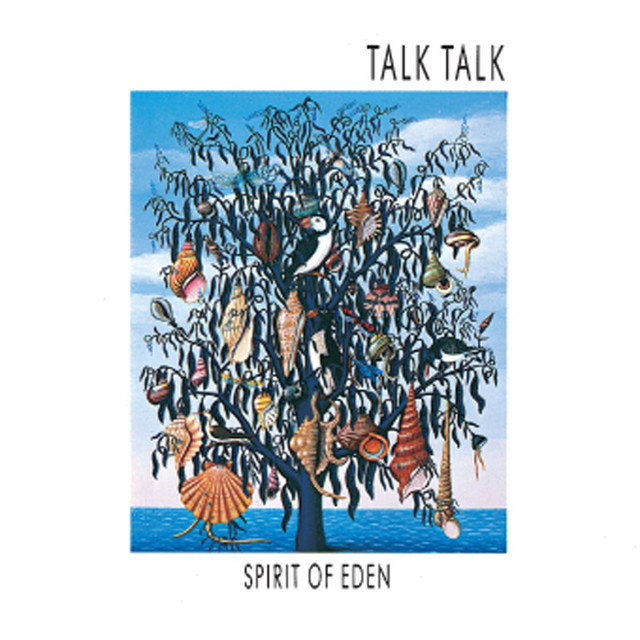
4. Spirit of Eden
Talk Talk's 'Spirit of Eden' arrived like a whispered revelation. This wasn't pop; it was a deeply introspective, almost ambient art-rock experience. The painstaking analog recording process allowed every subtle dynamic shift, every breath, every fragile instrumental nuance to speak volumes. It's a record built on tension and release, where silence is as crucial as sound. The organic instrumentation, layered with meticulous care, created an atmosphere so profound and melancholic, it felt less like music and more like a fully formed, emotional landscape.
5 / 11
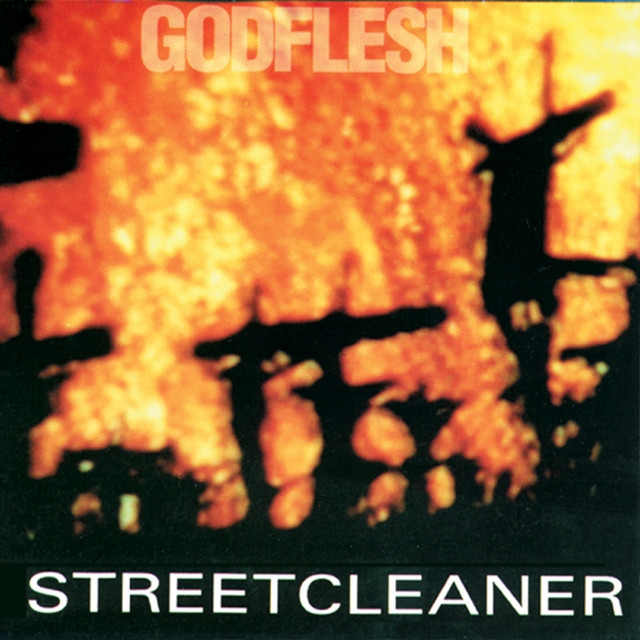
5. Streetcleaner
Godflesh's 'Streetcleaner' was a brutal, monolithic slab of industrial metal. The sheer weight of those guitar tones, processed through analog distortion, combined with the relentless, machine-like drum programming, created an oppressive sonic landscape. It was the sound of urban decay and existential dread made flesh, recorded with a raw, uncompromising fidelity that digital often struggles to replicate. This wasn't clean; it was intentionally abrasive, a testament to the power of analog grit in expressing pure, unadulterated aggression.
6 / 11
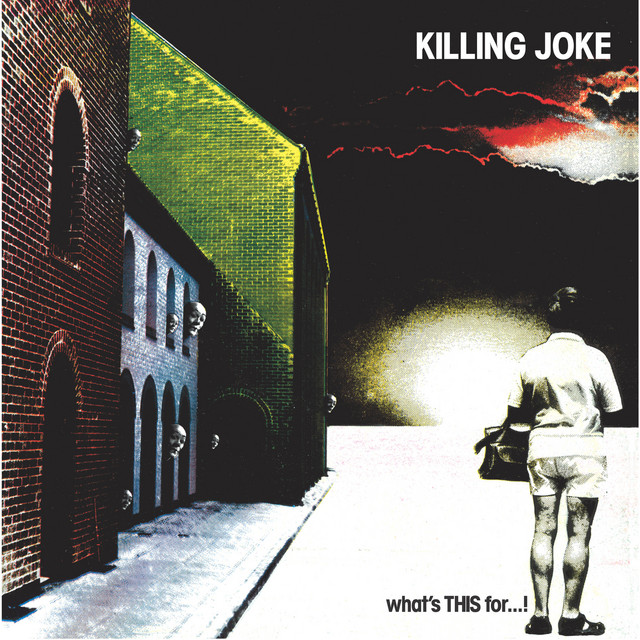
6. What's This For . . . !
Killing Joke's 'What's This For . . . !' deepened their already formidable post-punk assault. The tribal drumming was more pronounced, the basslines more menacing, and Jaz Coleman's vocals delivered with an almost shamanistic intensity. This album solidified their unique brand of rhythmic, industrial-tinged rock. The analog recording captured the raw power and percussive drive, making every track feel like an impending ritual. It was dark, propulsive, and uncompromising, a true embodiment of their primal force.
7 / 11

7. Tin Drum
Japan's 'Tin Drum' was a revelation in sophisticated synth-pop, pushing boundaries with its Eastern-influenced textures and artful arrangements. David Sylvian's enigmatic vocals drifted over precise, almost minimalist instrumentation, all recorded with a clarity that highlighted every carefully chosen sound. The analog synthesizers, treated with meticulous care, offered warmth and depth that felt miles away from the more sterile electronic sounds emerging concurrently. It’s an elegant, atmospheric journey, a testament to precise, pre-digital craftsmanship.
8 / 11
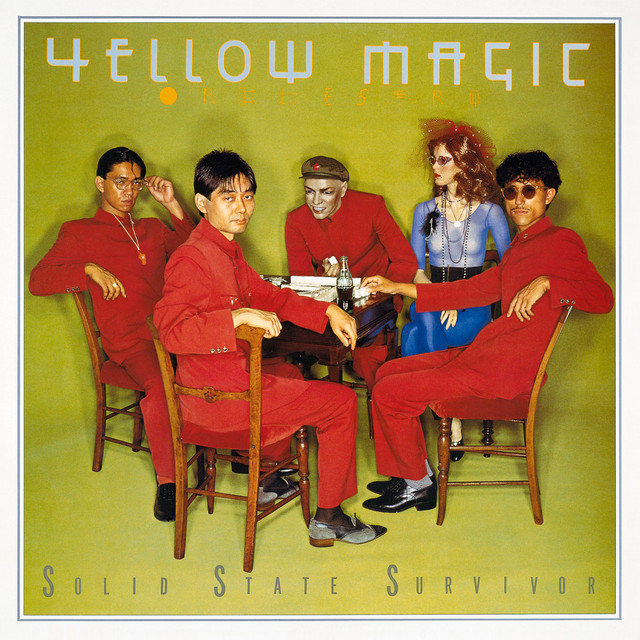
8. Solid State Survivor
Yellow Magic Orchestra's 'Solid State Survivor' was a pivotal moment for electronic music. This album showcased their innovative use of synthesizers and drum machines, crafting infectious melodies and groundbreaking rhythmic patterns. The analog warmth of their chosen instruments, coupled with their keen pop sensibility, created a sound that was both futuristic and immediately accessible. It wasn't just techno-pop; it was a blueprint for countless artists, demonstrating how electronic instruments could create fully realized, vibrant sonic worlds before digital dominance.
9 / 11
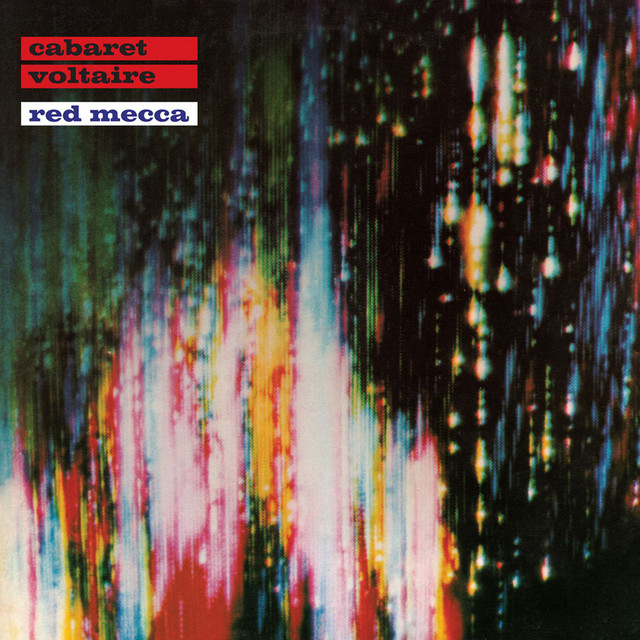
9. Red Mecca
Cabaret Voltaire's 'Red Mecca' was a dive into the grittier, more confrontational side of industrial music. Utilizing tape loops, found sounds, and raw electronic textures, they crafted a bleak, unsettling soundscape that was deeply influential. The album's analog production accentuated its abrasive, almost claustrophobic atmosphere. It wasn't pretty, but it was profoundly effective, demonstrating how sonic experimentation and rhythmic repetition could create a truly unique, disturbing, and ultimately compelling artistic statement from the fringes.
10 / 11
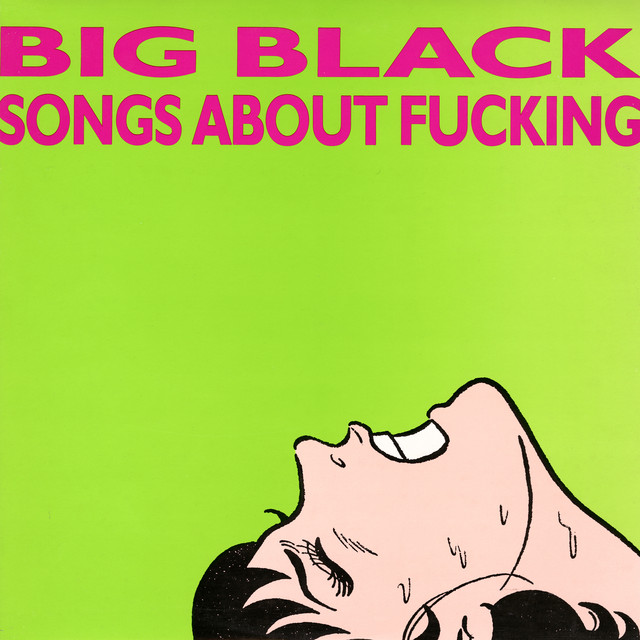
10. Songs About Fucking (Remastered)
Big Black's 'Songs About Fucking' was a relentless, abrasive masterpiece of post-hardcore. Even in a remastered form, the original's caustic guitar attack and the unforgiving, programmed drum machine (the notorious Roland TR-606) remain undiluted. Steve Albini's signature engineering captured a raw, visceral energy that few could replicate. It was a confrontational, noisy, and utterly essential document of late 80s aggression, proving that analog instruments and a stark production approach could deliver maximum impact.
11 / 11
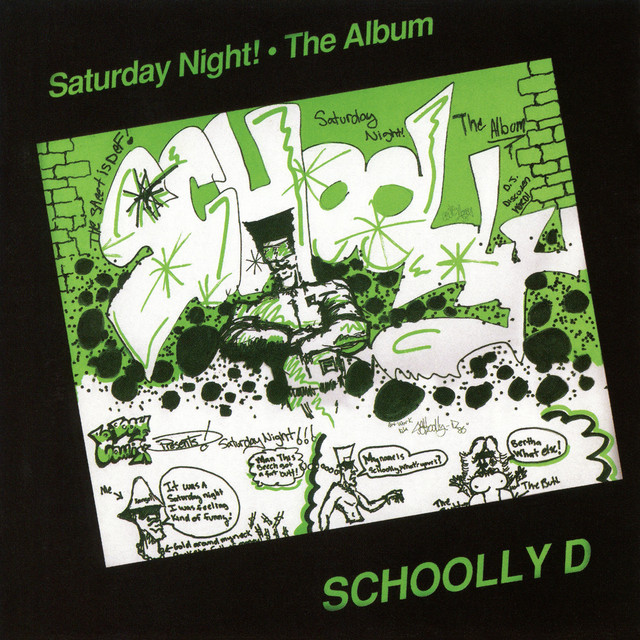
11. Saturday Night! The Album (Expanded Edition)
The Salsoul Orchestra's 'Saturday Night! The Album' was a quintessential disco behemoth, and the expanded edition simply offered more of its opulent glory. This was disco at its most sophisticated, with lush orchestral arrangements, tight rhythm sections, and a palpable sense of joy. The analog recording captured every soaring string section, every thumping bassline, and every shimmering cymbal crash with an incredible, undeniable warmth. It's a vibrant, expansive sound that defined an era of sophisticated dance music.