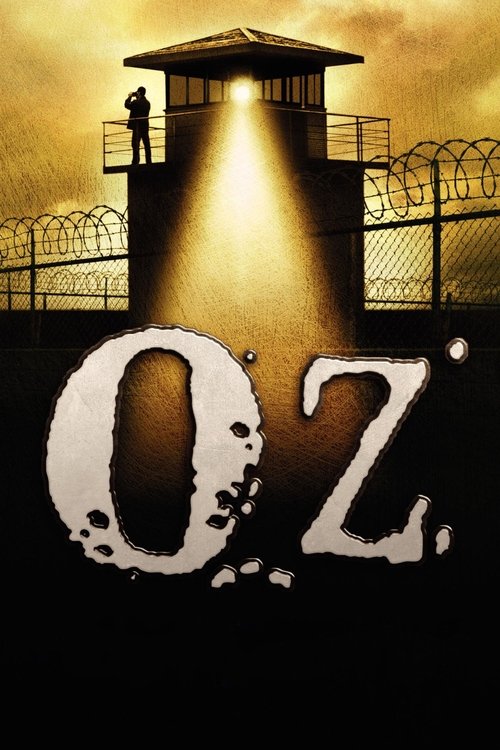
1. Oz
This was HBO flexing, plain and simple. No broadcast network would touch this raw, ensemble-driven drama set in a maximum-security prison experimental unit. It didn't just push boundaries; it bulldozed them with violence, sexuality, and complex morality. Oz showed what serial storytelling could really do on cable, crafting long-form narratives with characters you loved, hated, and couldn't stop watching. It set a new bar for gritty realism.
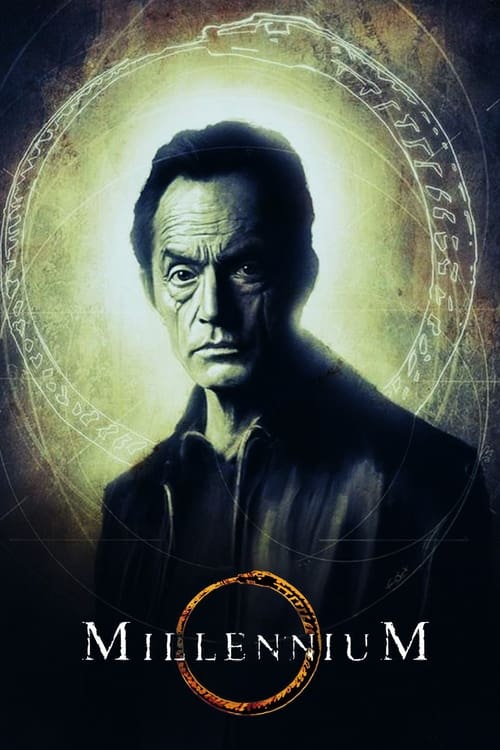
2. Millennium
Chris Carter's follow-up to *The X-Files* was way too dark for its time, maybe even for network TV. It traded aliens for serial killers and psychological horror, digging into the bleakest corners of humanity. Lance Henriksen carried that show with a quiet intensity. It tried to be serialized, but network interference often hobbled it. Still, it had a mood, a look, and a willingness to go places few shows dared, a true cable show trapped on broadcast.
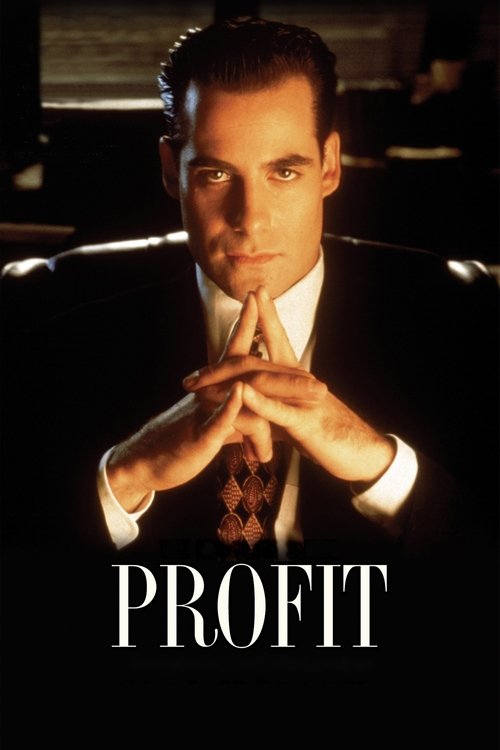
3. Profit
This one-season wonder on Fox was just *nasty*. Jim Profit was a corporate sociopath, a ruthless anti-hero before anti-heroes were cool. It was slick, cynical, and dared you to root for a truly awful guy. The show was ahead of its time, a cable-style character study dropped onto network television, and predictably, it scared off advertisers. But if you saw it, you never forgot that black mirror it held up to ambition.
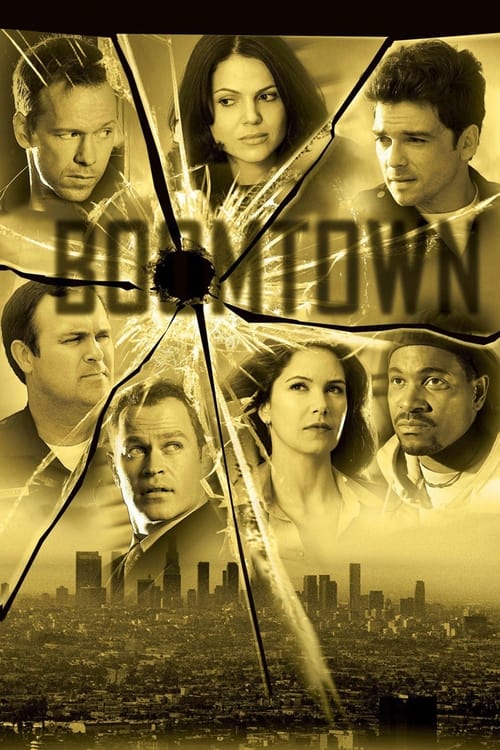
4. Boomtown
This cop drama was a masterclass in non-linear storytelling. Each episode told a single crime from multiple perspectives – the cops, the perp, the victim. It was ambitious, challenging, and demanded attention, playing with time and perspective in ways TV rarely did. The ensemble cast was phenomenal, and the writing was sharp. It felt cinematic, a real sign of TV growing up and trying new structures. A shame it didn't last.
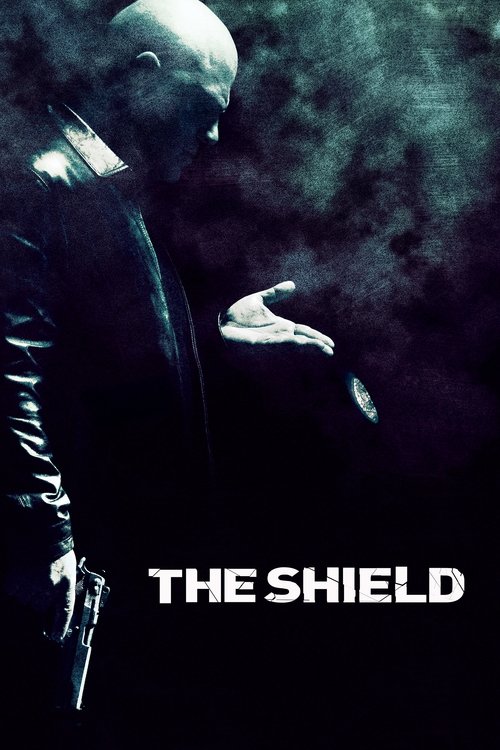
5. The Shield
*The Shield* hit FX like a punch to the gut. Vic Mackey and the Strike Team weren't heroes; they were brutal, corrupt, and terrifyingly effective. This was cable pushing network boundaries, showing that anti-heroes could anchor a long-running, serialized narrative. It was gritty, morally ambiguous, and never flinched. You watched because you had to see how far they'd go, and it opened the door for so much that came after.
6. Titus
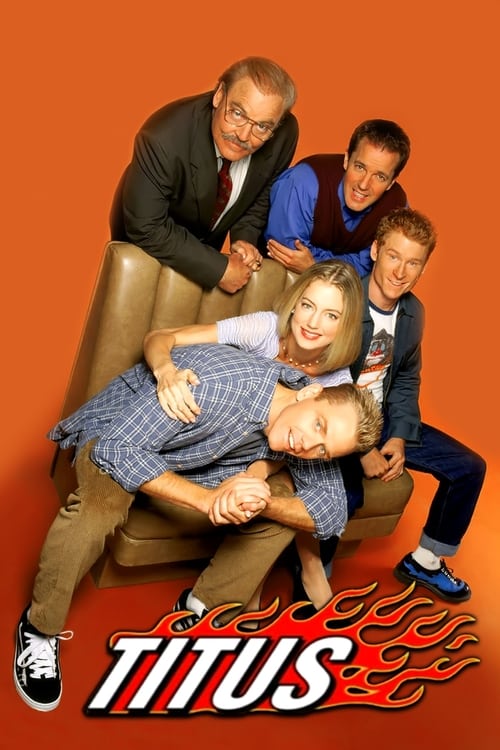
Christopher Titus brought his stand-up's dark, confessional humor to Fox in this sitcom. It was a multi-cam, but it broke the mold with direct address, flashbacks, and a willingness to tackle genuinely heavy subjects with a comedic edge. It was about trauma and family dysfunction, often brutally honest. For a network sitcom, it took risks, playing with form and tone in a way that felt fresh and deeply personal.
7. Frank Herbert's Dune
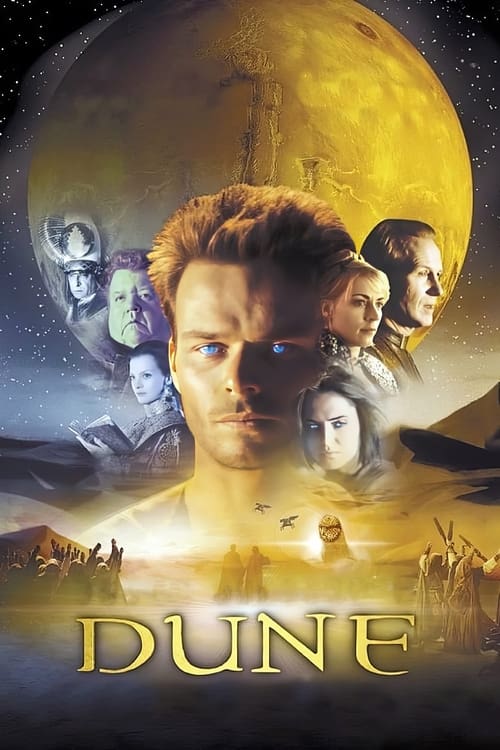
Before the big-budget movies, the Sci-Fi Channel took a swing at *Dune*. This miniseries was a revelation for fans, proving that complex, world-building sci-fi could work on TV, even on basic cable. It wasn't flashy by today's standards, but it nailed the novel's political intrigue and philosophical depth. It was serialized, ambitious, and showed that niche cable channels could deliver prestige adaptations.
8. Party Down
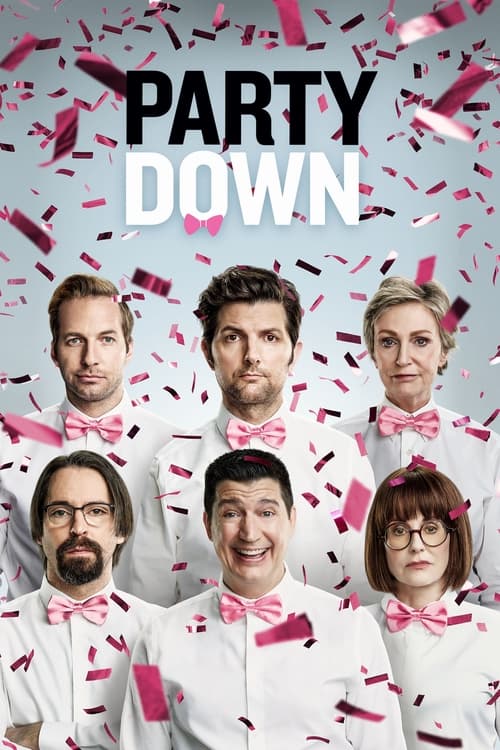
This Starz comedy was a masterclass in cringe and underachievement, a hilarious look at Hollywood's overlooked. Its mockumentary style wasn't groundbreaking by '09, but the sharp writing and incredible ensemble made it sing. Each episode was a self-contained disaster, yet the characters’ serialized struggles for relevance resonated. It was a gem that viewers slowly discovered, hinting at that early on-demand appeal.
9. Terriers
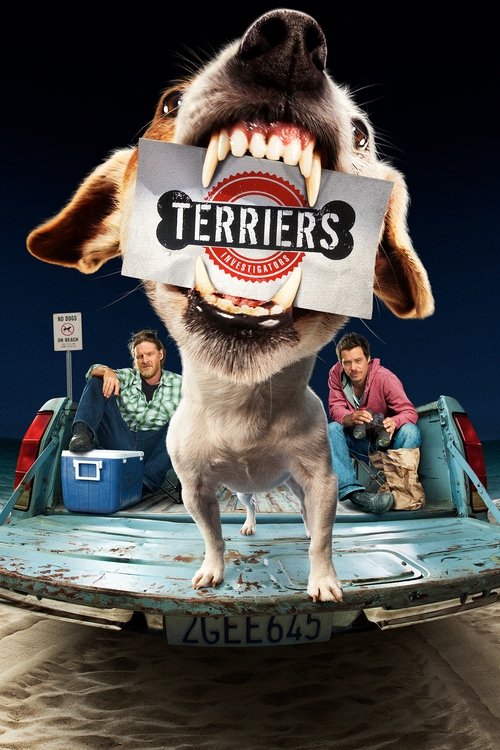
FX again, with a show that was too good for its own good. This P.I. drama had a distinct, sun-drenched, melancholic vibe. It was a character study wrapped in a procedural, driven by two flawed, lovable leads. The season-long arc was beautifully crafted, a slow burn that felt more like a novel than TV. It was the kind of sophisticated, serialized storytelling that cable was doing best, a true cult classic.
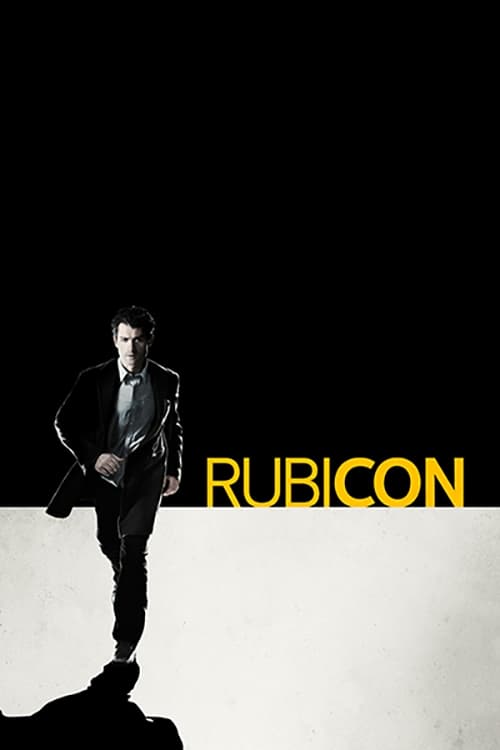
10. Rubicon
AMC, fresh off *Mad Men* and *Breaking Bad*, tried something completely different with *Rubicon*. This was a slow-burn, atmospheric conspiracy thriller, demanding patience and attention. It was subtle, intellectual, and focused on mood and character more than action. It felt like a movie stretched over 13 hours, a bold experiment in serialized, prestige TV that perhaps asked too much of its audience at the time.