

1 / 10
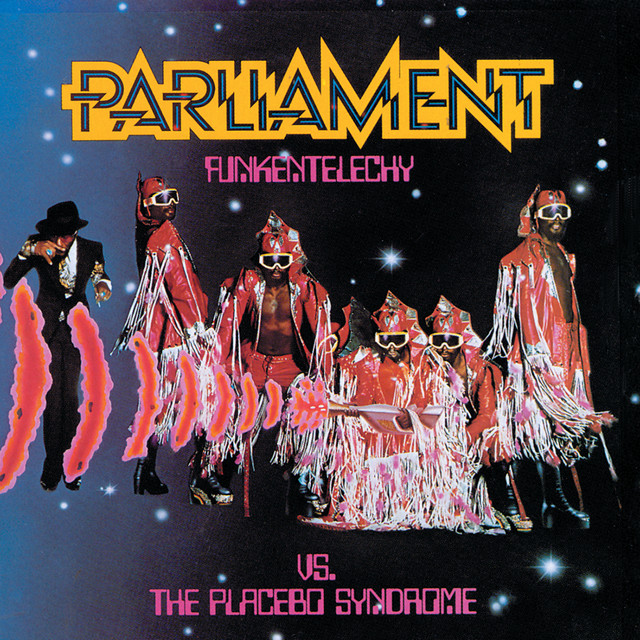
1. Funkentelechy Vs. The Placebo Syndrome
This 1978 Parliament opus, a cornerstone of cosmic funk, truly exemplifies George Clinton's genius. Its sprawling narrative, underpinned by Bootsy's bass and Bernie Worrell's synths, showcases intricate pre-digital studio layering. The production, a masterclass in analogue warmth, creates a universe where P-Funk's theatricality and tight grooves coalesce. It’s an auditory assault of syncopated rhythms and socio-political satire, defining a vibrant era.
2 / 10
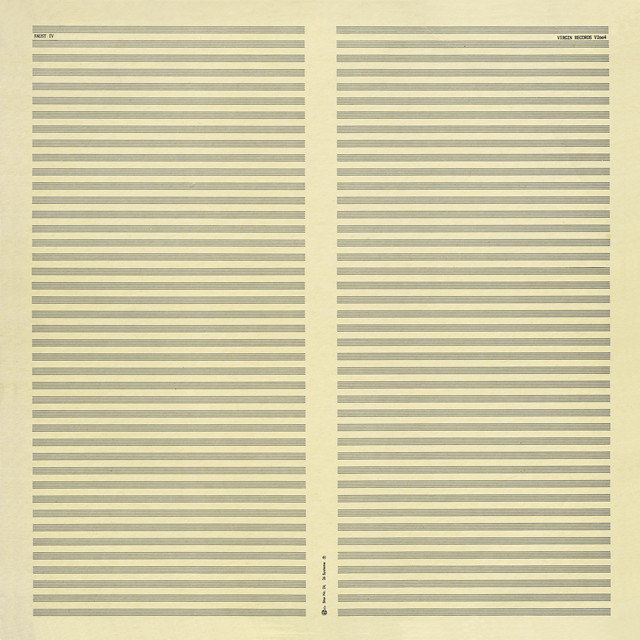
2. Faust IV (Deluxe Edition)
Faust's 1973 work, presented here in a deluxe iteration, remains a quintessential krautrock statement. Its experimental bent, employing tape loops, drones, and unconventional instrumentation, demonstrates a fearless approach to sound. Even through a modern remaster, the raw, exploratory nature of their analogue studio techniques shines, revealing a band less concerned with traditional song structure and more with sonic texture and atmosphere.
3 / 10
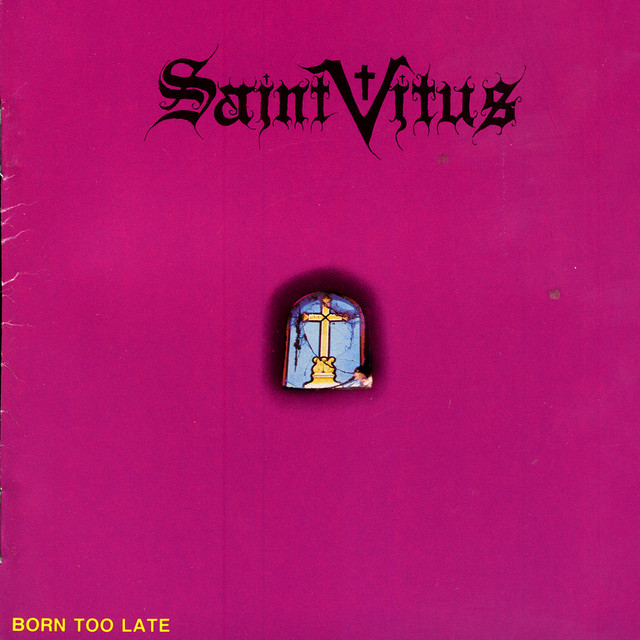
3. Born Too Late
Saint Vitus's 1986 offering is an undeniable monument to pure doom. While many chased speed, Vitus embraced the crawl, crafting monolithic riffs that felt ancient even then. The raw, almost primitive production captures a crushing weight, each deliberate chord strike resonating with a palpable sense of despair. It's an unyielding, slow-motion assault, showcasing metal's heavy, pre-digital heart.
4 / 10

4. The Affectionate Punch
The Associates' 1980 debut is a sharp, sophisticated slice of post-punk. Billy Mackenzie's extraordinary vocal acrobatics soar over intricate arrangements, driven by basslines that twist and turn. The production, typical of early 80s art-rock, balances clarity with a certain angularity, capturing a band pushing melodic and rhythmic boundaries without relying on digital sheen. A truly distinctive and influential recording.
5 / 10
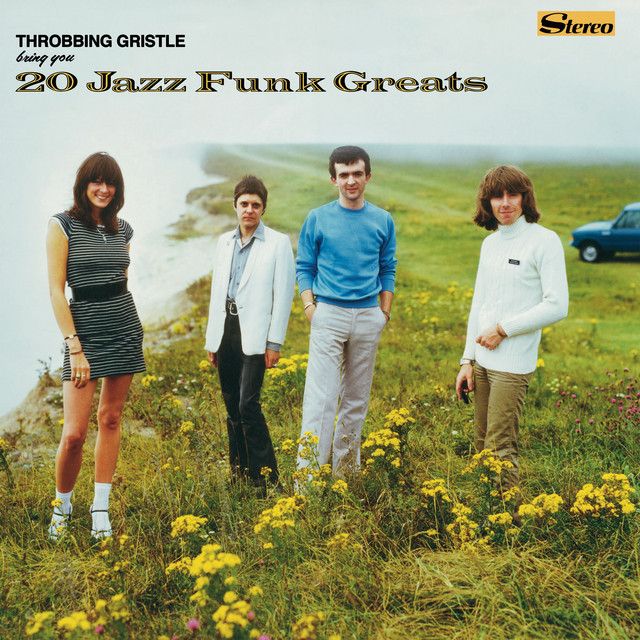
5. 20 Jazz Funk Greats (Remastered)
Throbbing Gristle's 1979 industrial landmark, even in its remastered form, retains its unsettling power. It's a calculated affront to conventional music, employing tape manipulation, harsh electronics, and found sounds to create a deeply disquieting atmosphere. The original analogue recordings, deliberately abrasive, laid the groundwork for industrial music's embrace of noise and anti-aesthetic, challenging listeners profoundly.
6 / 10
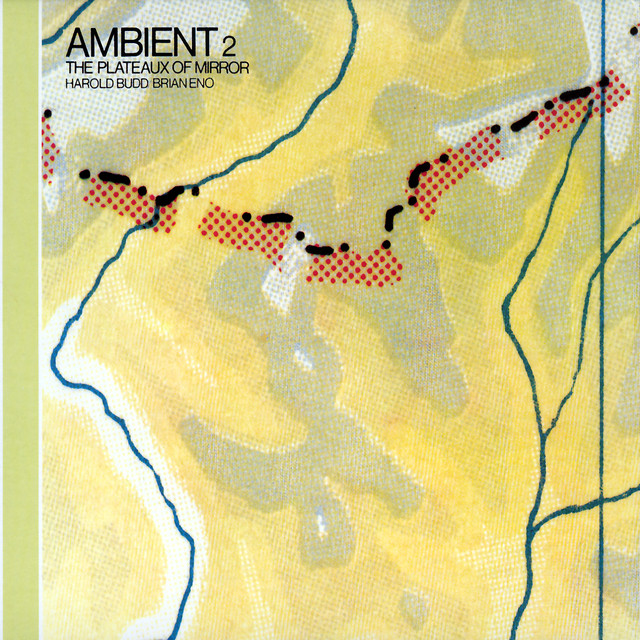
6. Ambient 2: The Plateaux Of Mirror (Remastered 2004)
Eno and Budd's 1980 collaboration, remastered in 2004, remains a benchmark for atmospheric soundscapes. Budd's melancholic piano, treated by Eno's signature studio wizardry (tape delays, reverbs), creates vast, reflective spaces. The analogue origins ensure a depth and warmth often lost in later digital ambient, proving that careful acoustic and electronic interplay could evoke profound emotional states.
7 / 10
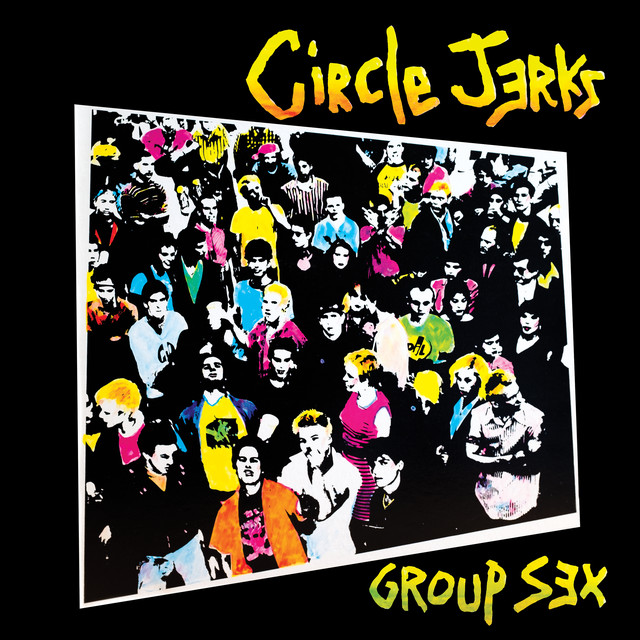
7. Group Sex
The Circle Jerks' 1980 debut is a furious, concise blast of hardcore punk. Clocking in under 15 minutes, its 16 tracks are raw, unapologetic, and delivered with relentless energy. The production, deliberately unpolished, perfectly captures the urgent, visceral nature of early hardcore – a stark, unadorned sonic punch that left no room for studio trickery. It's pure, unadulterated aggression.
8 / 10
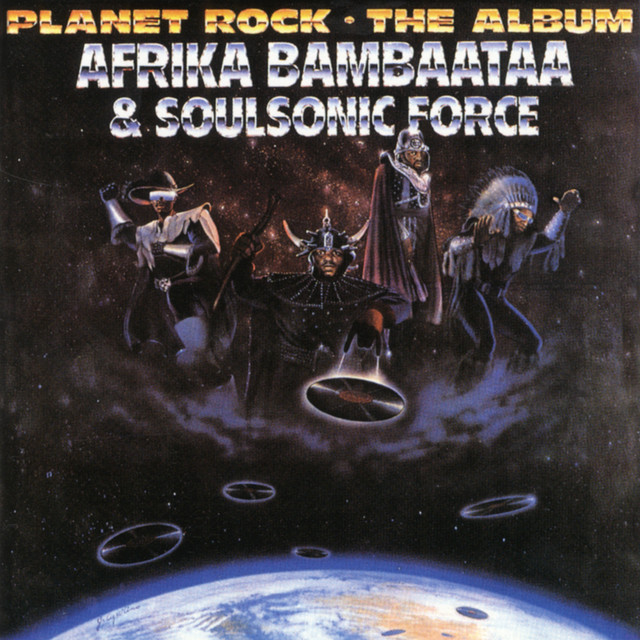
8. Planet Rock: The Album
Afrika Bambaataa & The Soulsonic Force's 1986 album cemented the electro-funk blueprint. Built around the iconic 808 drum machine and shimmering synthesizers, it's a masterclass in early electronic rhythm. The pre-digital sequencing and sampled sounds, revolutionary at the time, carved out hip-hop's futuristic trajectory, proving that machines could generate irresistible, innovative grooves and defining a new era of urban sound.
9 / 10
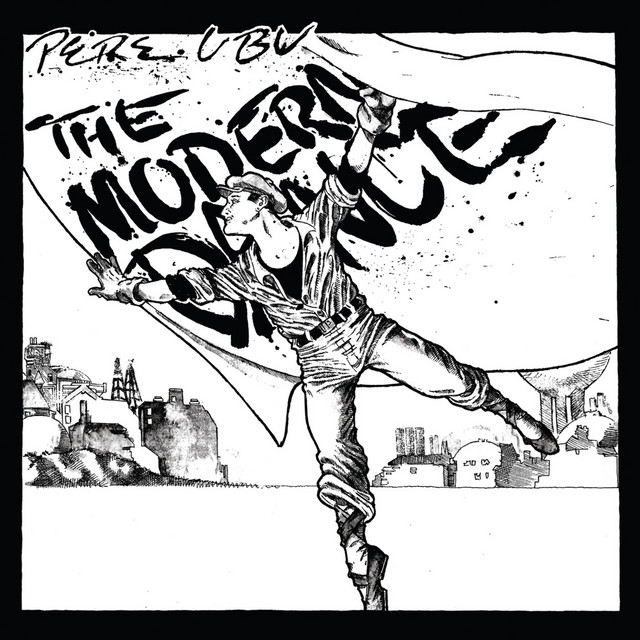
9. The Modern Dance
Pere Ubu's 1978 debut is a marvel of avant-garde rock. David Thomas's unique vocal delivery, combined with angular guitars, synthesizers, and unconventional percussion, creates a sound both unsettling and compelling. Recorded with a raw, immediate quality, the album showcases a band fiercely independent of trends, utilizing analogue studio techniques to craft a uniquely jagged and influential sonic identity.
10 / 10
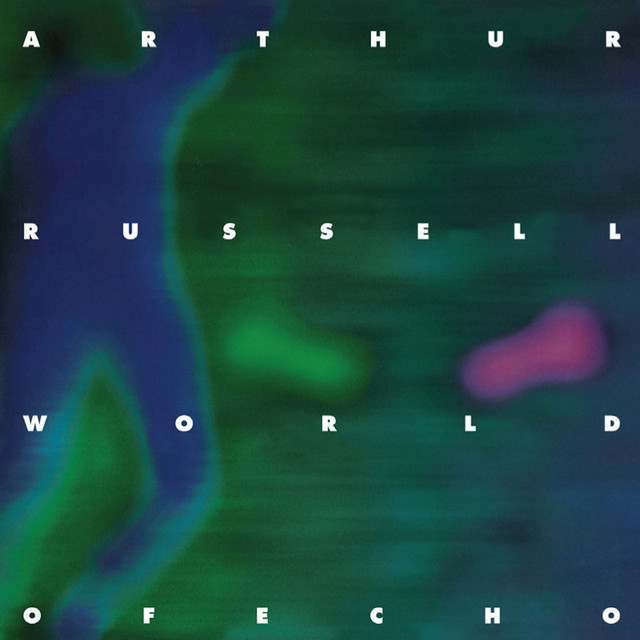
10. World Of Echo
Arthur Russell's 1986 masterpiece is a haunting, singular work. Predominantly just cello, voice, and reverb, it creates immense emotional resonance through stark minimalism. The analogue recording captures the intimacy and vulnerability of his performance, the subtle nuances of his bowing and vocal inflections amplified by careful, spacious production. It’s an unparalleled exploration of sonic solitude and profound introspection.