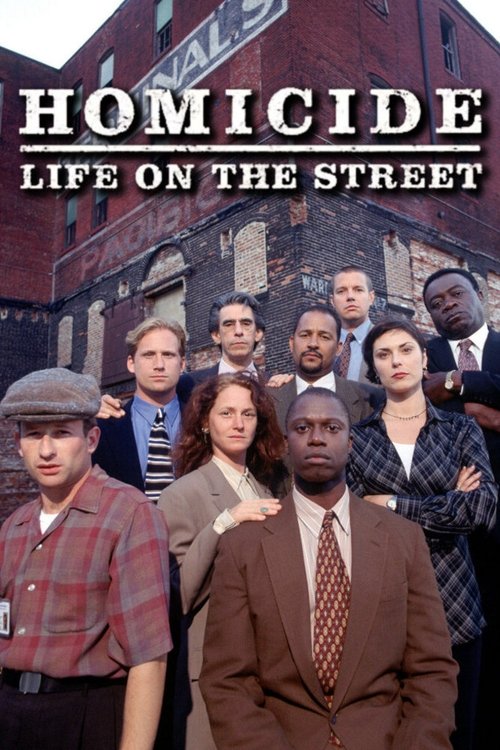
1. Homicide: Life on the Street
Before *The Shield* or *The Wire* made grit a household word, there was *Homicide*. Barry Levinson and Tom Fontana delivered a police procedural that felt less like TV and more like a documentary you stumbled into. Handheld cameras, overlapping dialogue, and a refusal to wrap everything up neatly each week set a new bar for realism. It was messy, human, and foundational for serialized drama, showing network television could get complex.
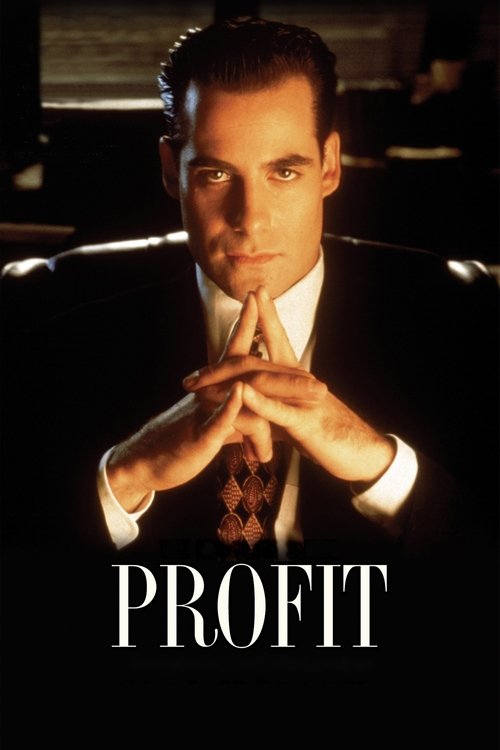
2. Profit
This one was a jolt. John Gaver, the ruthless corporate anti-hero, predated the cable anti-hero craze by years. Fox aired it, but it was too dark, too cynical, too smart for the times. It explored corporate greed and power plays with a chilling, almost gleeful amorality that would feel right at home on premium cable a decade later. A cult classic, no doubt, but a clear sign of where TV was headed.
3. Millennium
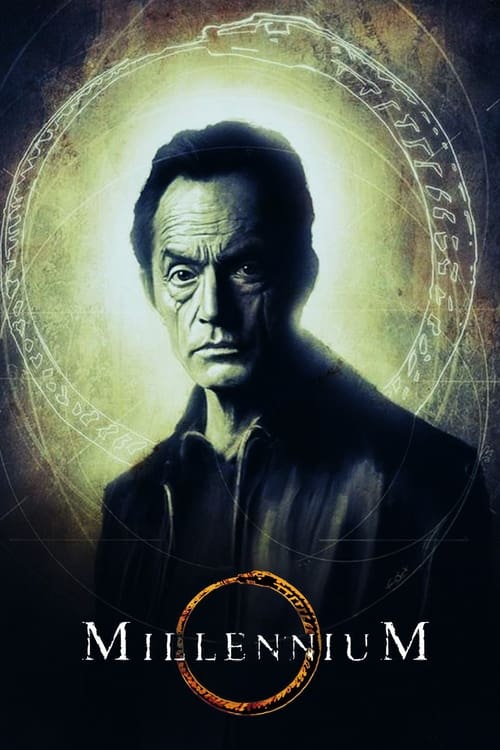
Chris Carter’s follow-up to *The X-Files* dove headfirst into the darkness of the human psyche. Frank Black's ability to see through the eyes of killers made for genuinely unsettling, serialized psychological horror. It pushed boundaries with its bleak themes and disturbing imagery, creating an atmospheric, almost cinematic experience that felt far more ambitious than typical network fare. It showed that "horror" could be prestige.
4. Oz
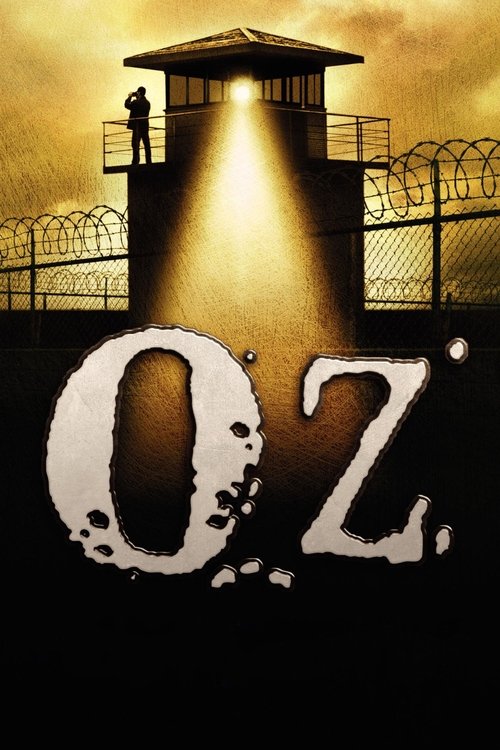
This was HBO truly planting its flag. *Oz* wasn't just a prison drama; it was a visceral, brutal, and unapologetic exploration of human nature under extreme duress. Tom Fontana, again, crafted an ensemble piece where no one was safe, pushing the limits of sex, violence, and moral ambiguity on television. It solidified HBO's reputation for taking risks and delivering challenging, serialized storytelling that network wouldn't touch.
5. Sports Night
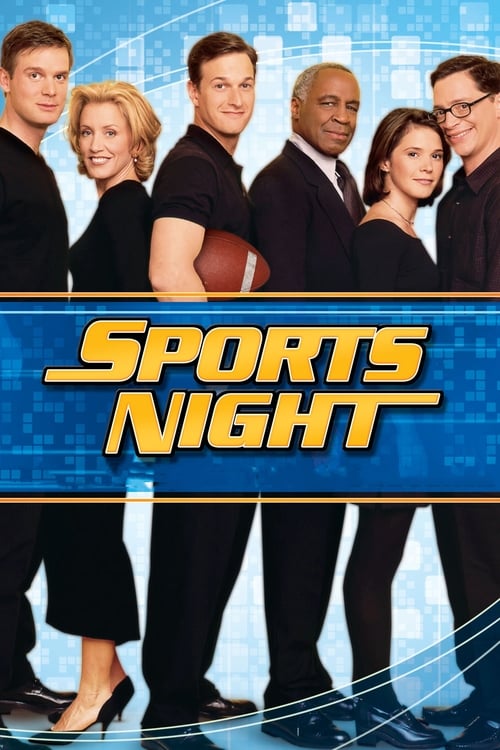
Before *The West Wing*, Aaron Sorkin perfected his signature dialogue and walk-and-talk style here. It was a comedy, sure, but a lot of it was drama, exploring the inner workings and personal lives of a sports news show crew. The rapid-fire banter and emotional depth of the ensemble cast were groundbreaking, proving that a "sitcom" could be much more intelligent and serialized than any expected, almost like a play.

6. Six Feet Under
Another HBO home run, *Six Feet Under* started every episode with a death, then explored how a family running a funeral home dealt with life. Alan Ball crafted a darkly comedic and deeply emotional serialized drama, with character arcs that felt incredibly real. Its blend of the mundane and the surreal, coupled with its unflinching look at grief and family dysfunction, was revolutionary for prestige television.
7. The Shield
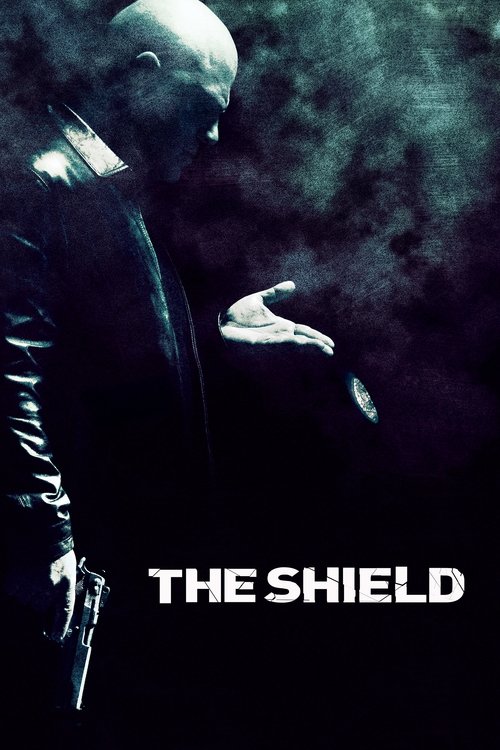
FX entered the prestige game with a bang. Vic Mackey wasn't just an anti-hero; he was a full-blown villain you couldn't stop watching. This show redefined the police procedural with its brutal realism, complex moral dilemmas, and cinematic, often handheld, style. It proved that basic cable could deliver serialized, character-driven drama every bit as potent and risky as HBO, pushing boundaries with its intensity.
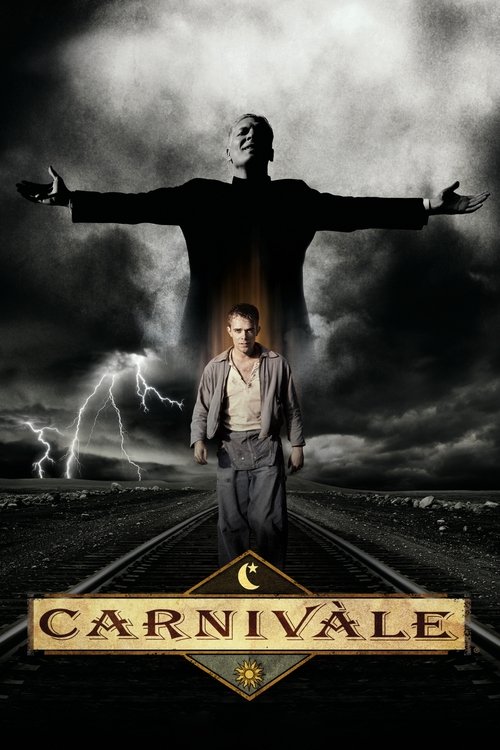
8. Carnivàle
*Carnivàle* was like nothing else on TV. HBO poured money into this Depression-era fantasy epic, creating a visually stunning, deeply atmospheric, and incredibly ambitious serialized narrative. Its dense mythology and slow burn might have been a hard sell weekly, but it was a clear precursor to the kind of complex, high-production-value world-building that would thrive in the streaming age, demanding binge-watching.
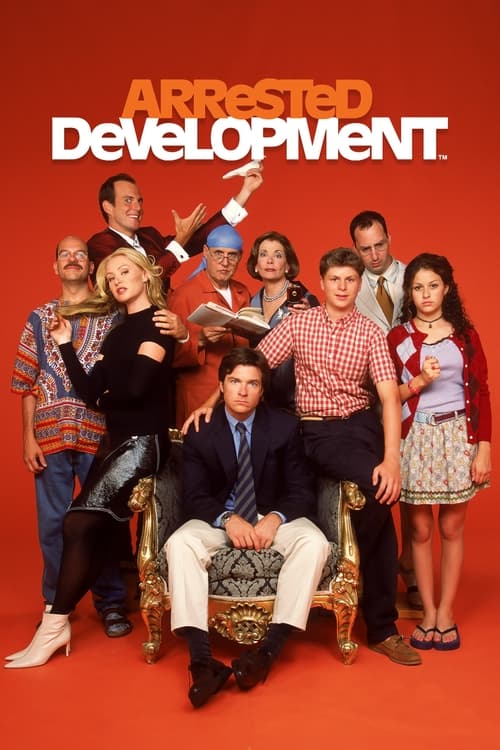
9. Arrested Development
This wasn't just a sitcom; it was a masterclass in comedic serialization. *Arrested Development* packed every frame with callbacks, running gags, and layers of self-referential humor, demanding repeat viewings to catch everything. Its mockumentary style felt fresh, and its intricate plotting rewarded dedication, showing how comedy could be as narratively complex as any drama, perfect for the emerging on-demand viewer.

10. The Comeback
Lisa Kudrow's Valerie Cherish was a truly uncomfortable, yet brilliant, creation. This HBO mockumentary skewered the emerging reality TV landscape and the desperate pursuit of fame with an unflinching, cringe-inducing honesty. It was meta before meta was cool, a serialized character study wrapped in a comedic format that felt painfully real, pushing the boundaries of what a "comedy" could explore.