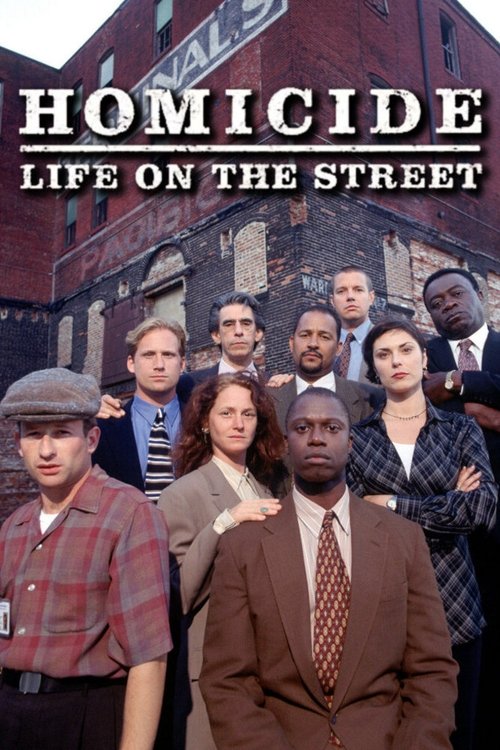
1. Homicide: Life on the Street
This show, arriving right when network procedurals were getting stale, ripped open the genre. It wasn’t about catching the bad guy quickly; it was about the grind, the psychological toll, the "unsolveds." That ensemble cast, the overlapping dialogue, and that gritty, almost cinéma vérité style – it felt like a documentary crashing into a drama. It laid crucial groundwork for how we’d accept serialized, character-driven crime stories on TV, proving you could be smart and still pull an audience.
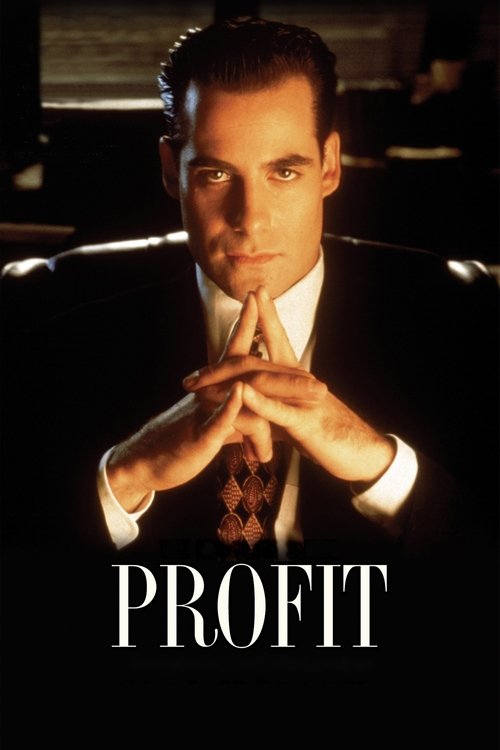
2. Profit
Fox, in a rare moment of sheer audacity, gave us Jim Profit. This wasn't your typical network villain; he was a pure, unadulterated capitalist sociopath, breaking the fourth wall to confide his schemes. It was dark, cynical, and utterly chilling, a proto-anti-hero before Tony Soprano even hit therapy. Too challenging for '96 audiences, maybe, but it signaled that television could go places movies wouldn’t dare, pushing boundaries with a bleak, almost prescient look at corporate ruthlessness.
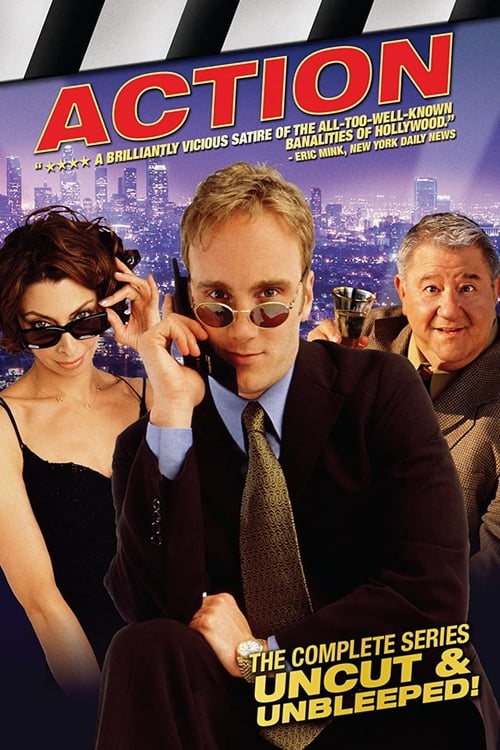
3. Action
Before the internet broke Hollywood for real, "Action" skewered it with brutal, hilarious honesty. Jay Mohr as the sleazy studio exec, talking directly to the audience, was pure genius. It was sharp, profane, and utterly unapologetic, a network show that felt like it belonged on HBO. This thing was a middle finger to network censors, a precursor to the kind of no-holds-barred satire we’d later see thrive on cable. It was crude, sure, but also incredibly smart about the industry's ugly underbelly.
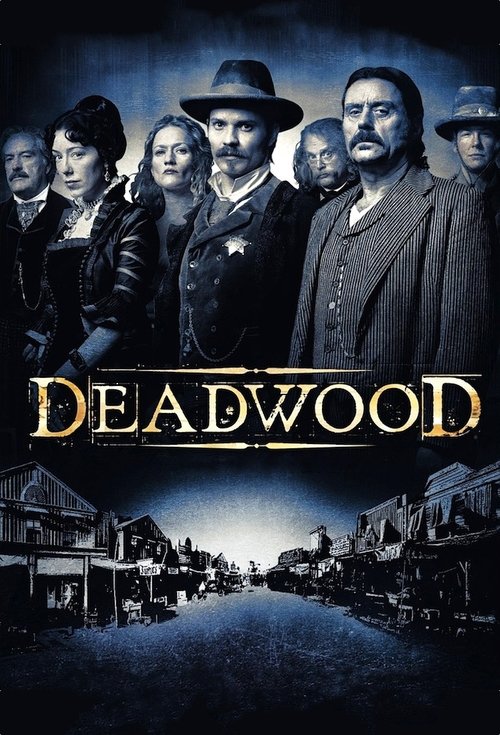
4. Deadwood
HBO took us to the mud-soaked, profane frontier, not with a sanitized Western, but with a living, breathing, foul-mouthed poem. The language was theatrical, the characters deeply flawed, and the entire series a masterclass in ensemble storytelling and world-building. It treated its audience like adults, demanding attention to its intricate power struggles and moral ambiguities. This wasn't just a period piece; it was a layered novel brought to life, proving television could be as literary and cinematic as anything on the big screen.
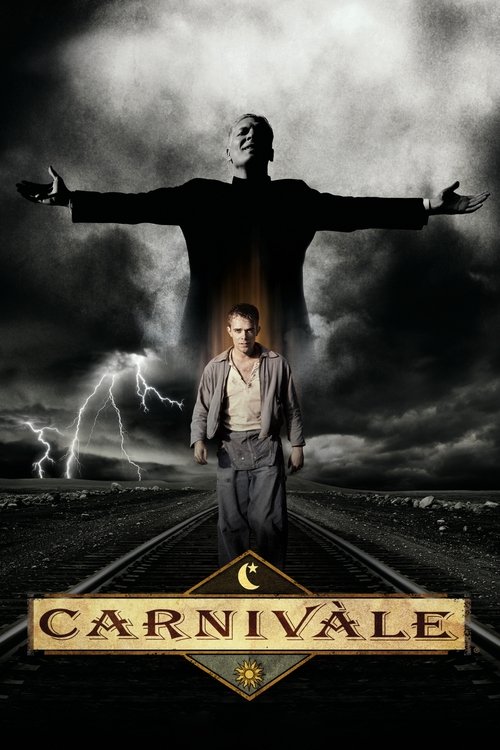
5. Carnivàle
This was HBO swinging for the fences, delivering an intoxicating, baffling, and utterly unique vision. Set against the dust bowl, it blended fantasy, biblical allegory, and a dark, dreamlike aesthetic. Its slow pace and cryptic narrative weren’t for everyone, but for those who succumbed, it was mesmerizing. It showed television could be genuinely art-house, unafraid to let mysteries linger and atmosphere dominate. A bold, ambitious experiment that dared you to look away, and few could.

6. The Comeback
Lisa Kudrow's Valerie Cherish was a cringe masterpiece, a mockumentary that hurt to watch but was impossible to ignore. It peeled back the veneer of reality TV and celebrity culture with excruciating precision, showing the desperate lengths people go to stay relevant. This wasn't just comedy; it was a scathing, uncomfortable social commentary, a pioneer in the "sadcom" genre. It proved that deeply uncomfortable humor, combined with sharp writing and a brave performance, could be profoundly insightful.
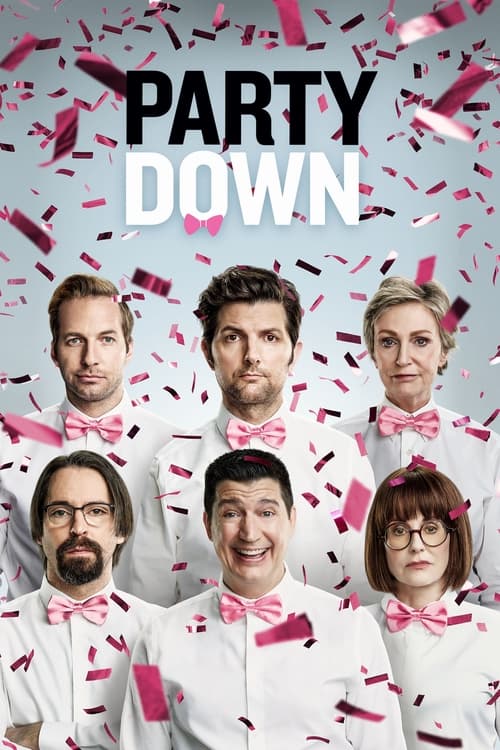
7. Party Down
This Starz gem was a brilliant ensemble comedy, chronicling the existential dread of Hollywood dreamers stuck catering parties. Each episode was a self-contained microcosm of ambition and failure, perfectly blending sharp wit with genuine pathos. The mockumentary style, though subtle, enhanced the raw, unvarnished feel of these struggling artists. It was the kind of smart, character-driven show that defined early cable excellence, proving you didn't need huge budgets to deliver insightful, hilarious television.
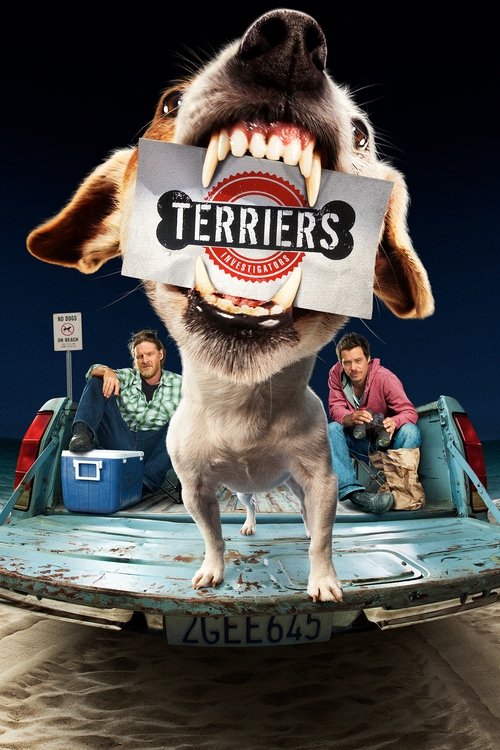
8. Terriers
FX pulled off something special here: a sun-drenched, melancholic neo-noir that felt both familiar and utterly fresh. Donal Logue and Michael Raymond-James had crackling chemistry as two down-on-their-luck PIs. It was a serialized character study wrapped in a compelling mystery, showcasing the kind of nuanced, adult storytelling that was becoming FX's hallmark. Critically acclaimed but underwatched, it’s a prime example of cable’s willingness to embrace complex, imperfect protagonists and let a story breathe.
9. Rubicon
AMC, riding high on "Mad Men" and "Breaking Bad," gave us "Rubicon," a quiet, cerebral conspiracy thriller. It was deliberately slow, demanding patience as it meticulously built its web of secrets within a think tank. This wasn't about explosions; it was about hushed conversations, subtle paranoia, and intellectual chess. It pushed the envelope on what prestige TV could be, proving that a show could be dense, challenging, and profoundly rewarding for an audience willing to lean in.

10. Treme
David Simon’s post-Katrina New Orleans epic was a sprawling, atmospheric masterpiece. It wasn't about a single plot; it was about a community’s resilience, culture, and the everyday struggle for survival. The ensemble cast, the rich music, and the authentic depiction of a city fighting to reclaim itself were unparalleled. It embodied the best of HBO’s serialized, character-driven storytelling, proving that television could be a powerful, intimate window into a specific time and place, far beyond simple entertainment.