1. Utopia
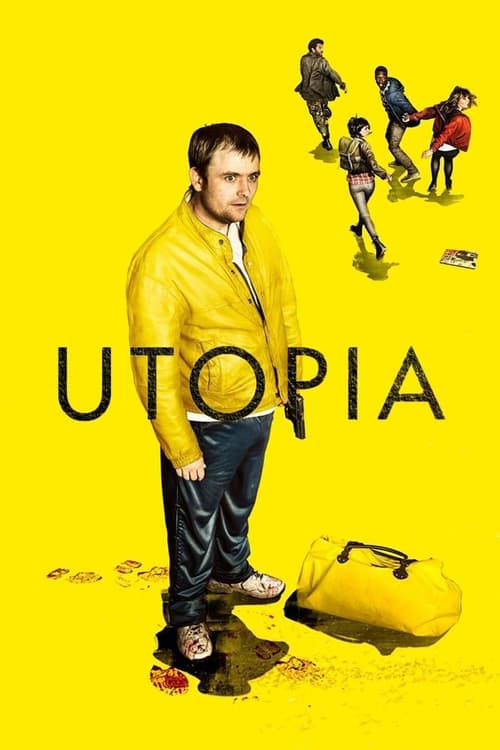
Utopia (2013) was pure visual adrenaline, a conspiracy thriller that looked like a graphic novel come to life. Its unique color palette and unsettling score were a whole vibe. Linear TV probably saw the violence and complex, often bleak, narrative and just noped out. But for streaming, this was gold. It found its audience, who totally got its dark, experimental energy. A masterpiece fumbled by traditional broadcasters.
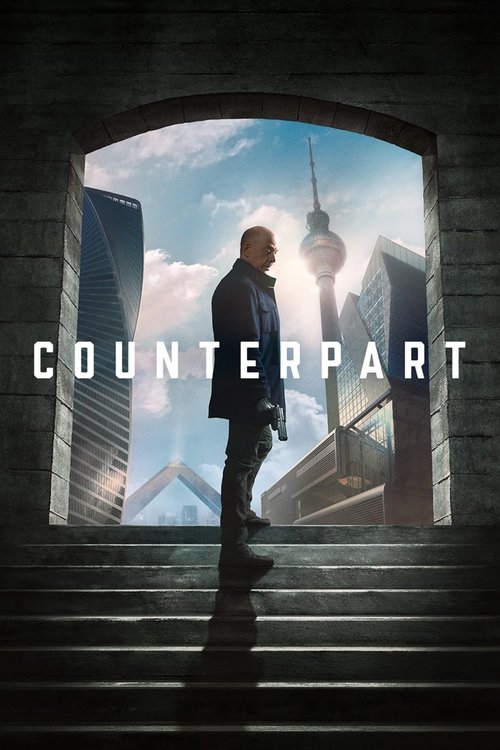
2. Counterpart
Counterpart (2017) was a masterclass in sci-fi espionage, with J.K. Simmons playing two versions of himself across parallel dimensions. Its methodical pacing and deep world-building were too much for linear TV’s need for instant gratification. But streaming let its intricate plot unfold naturally, allowing viewers to really soak in the atmospheric tension and the nuanced performances. It deserved that space to breathe.
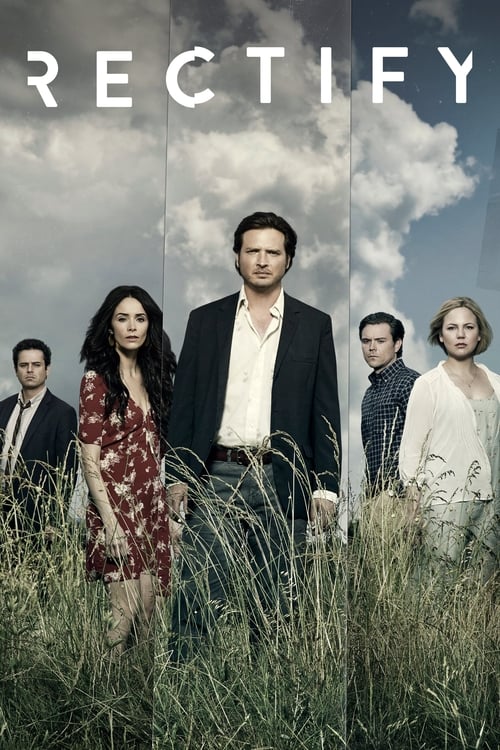
3. Rectify
Rectify (2013) was pure, unadulterated character study, following a man released from death row after 19 years. Its profound, contemplative pace and focus on internal conflict wouldn't have survived the ad breaks or ratings pressure of network TV. Streaming gave it the quiet space it needed for its emotional depth to truly resonate. It's an intensely human story, beautifully told, that linear just couldn't handle.
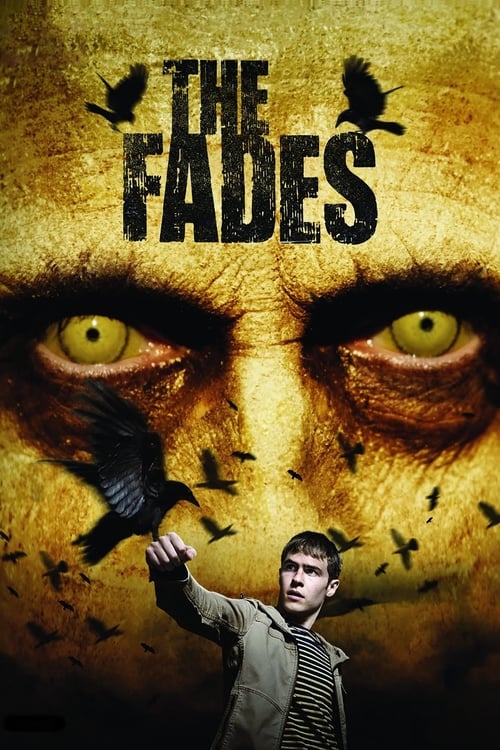
4. The Fades
The Fades (2011) was this amazing, gritty supernatural horror from the BBC. It had genuine scares, a killer premise about a teenager who sees the dead, and a real emotional core. Linear TV, even BBC Three, probably didn't know how to market something so genre-bending and darkly comedic to a broad audience. Streaming would've let it build a rabid fanbase and probably renewed it for more than one season. So frustrating.
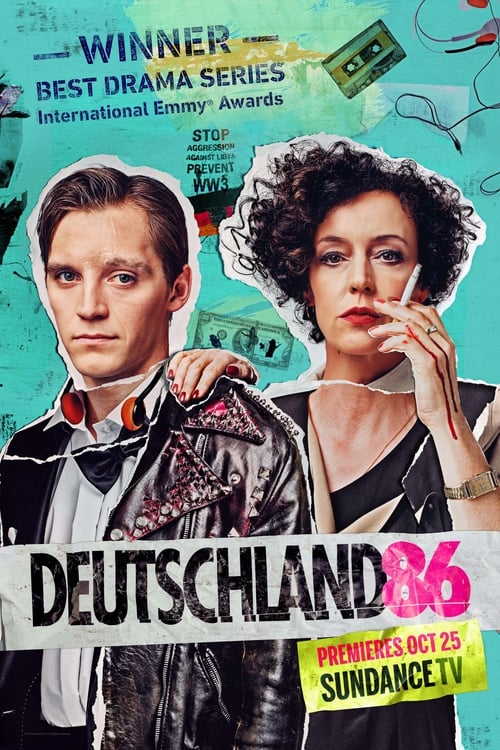
5. Deutschland
The Deutschland series, starting with Deutschland 83 (2015), was a slick, stylish Cold War spy drama with an awesome 80s soundtrack. Its heavily serialized, multi-language format and intricate political plots were a tough sell for traditional American networks. But streaming platforms embraced its global appeal and allowed viewers to binge its twisty narrative, making it a breakout international hit. It totally nailed the period detail.
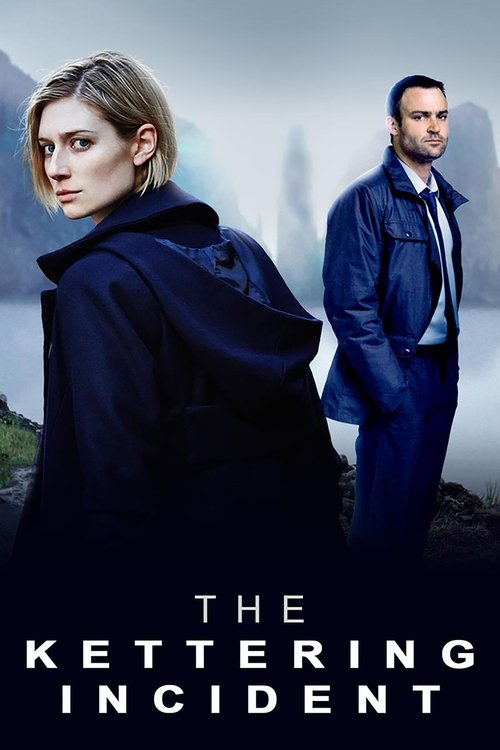
6. The Kettering Incident
The Kettering Incident (2016) came out of Australia and was this incredibly atmospheric, dark mystery with a supernatural edge. Its slow-burn storytelling and reliance on mood and unresolved tension would've been chopped up or cancelled by linear TV execs looking for quick answers. But streaming let its eerie, almost dreamlike quality wash over you, pulling you into its Tasmanian gothic world at its own pace. So good.
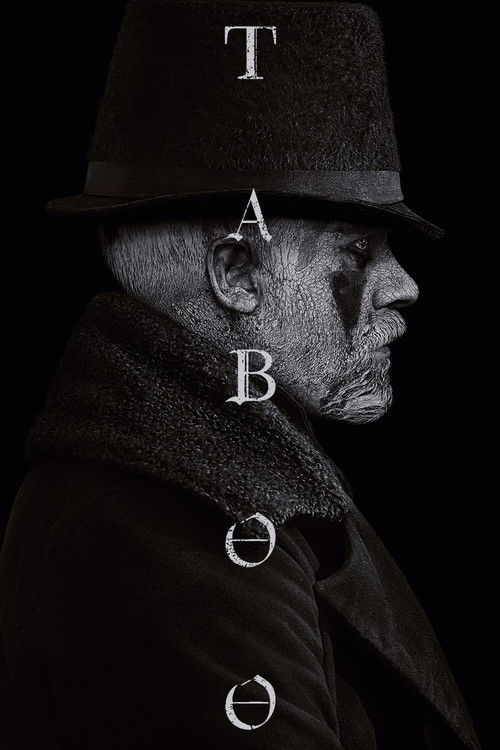
7. Taboo
Taboo (2017) was Tom Hardy at his most intense, a brutal, atmospheric period drama set in 1814 London. Its extremely dark themes, slow-burn mystery, and often unsettling visuals were never going to be a prime-time network hit. Streaming platforms, especially FX's partnership, understood its niche appeal and allowed its grim, hypnotic world and Hardy's captivating performance to truly shine. It's a cult classic for a reason.
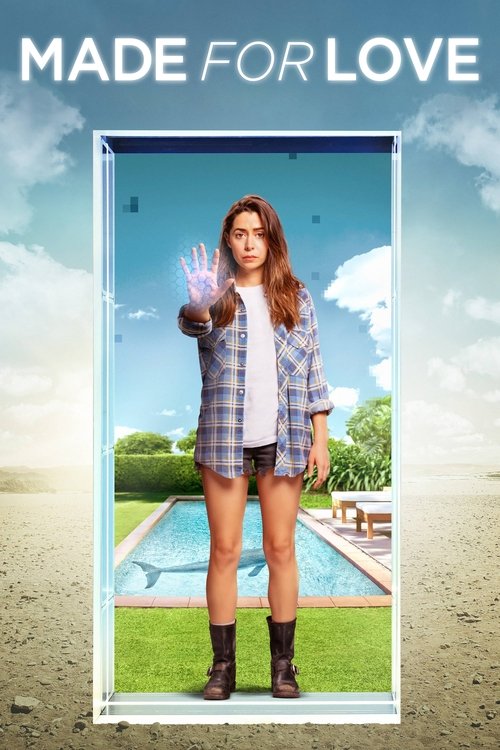
8. Made for Love
Made for Love (2021) was an absolute gem, a dark sci-fi comedy about a woman escaping her tech billionaire husband who implanted a tracking chip in her brain. Its weird, specific humor and off-kilter premise would have been a hard sell for linear TV trying to appeal to everyone. But HBO Max let its quirky brilliance and satiric edge thrive, building a loyal fanbase for its unique, provocative story.
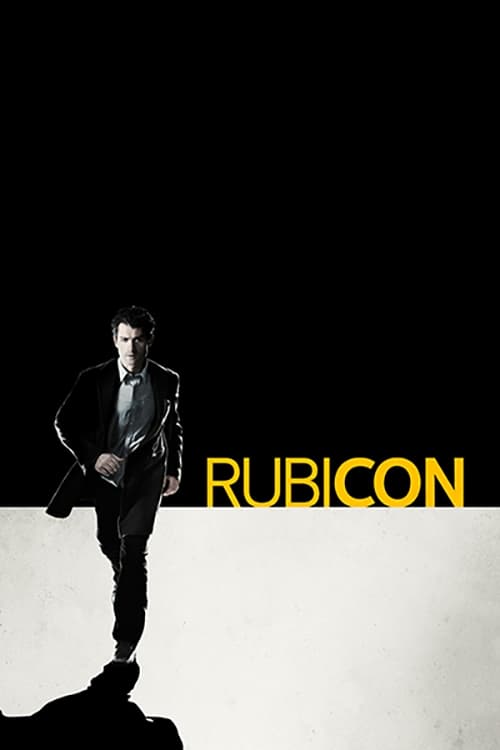
9. Rubicon
Rubicon (2010) was AMC’s attempt at an intellectual, slow-burn conspiracy thriller, focused on intelligence analysts. It was incredibly dense, demanding full attention to its intricate plot and subtle character beats. Linear TV, even prestige cable like AMC at the time, just couldn’t sustain its deliberate pace and niche appeal against immediate ratings pressure. Streaming audiences would’ve binged its complexity, appreciating its detailed world-building.
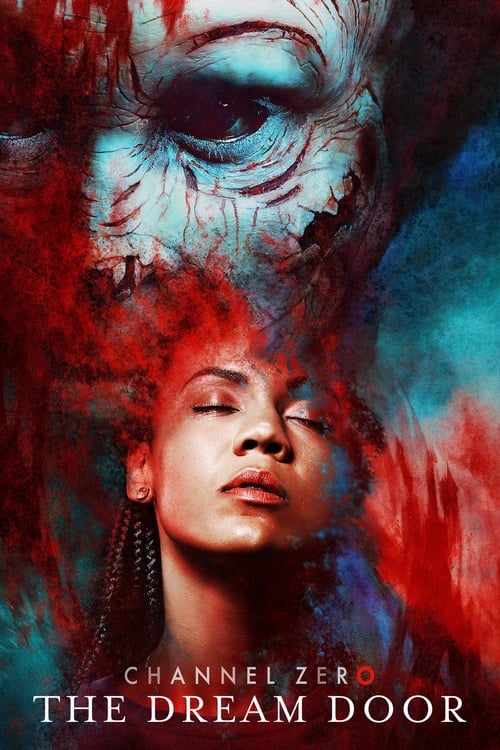
10. Channel Zero
Channel Zero (2016) was a wild, experimental horror anthology from Syfy, adapting creepypastas into genuinely terrifying, surreal seasons. Its commitment to artistic horror, disturbing imagery, and unconventional storytelling was probably too niche and boundary-pushing for traditional cable’s broader audience. Streaming platforms would have given it the freedom to fully embrace its unique vision, attracting horror fans who crave something truly different and unsettling.