
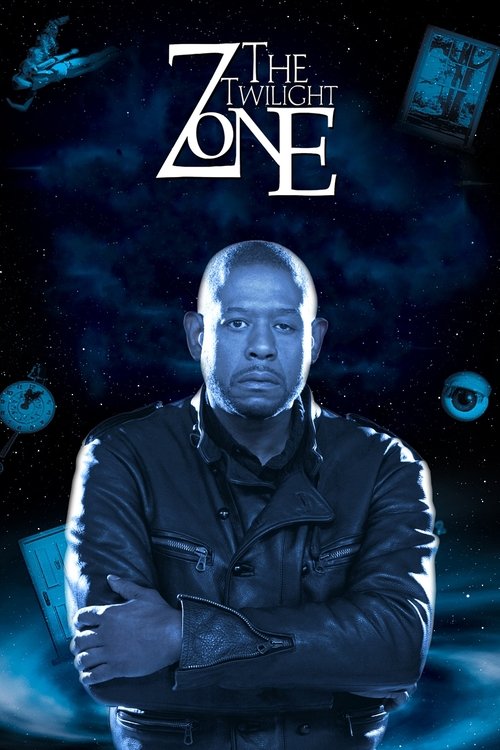
1. The Twilight Zone
And then there was *I Love Lucy*. What a program! Lucille Ball, a force of nature, and Desi Arnaz, a real showman. Their chemistry was electric, and the way they did it, with that live studio audience, it just crackled through the screen. You felt like you were right there in that apartment. It set the standard for sitcoms, really, showing you could build a comedy empire on good writing and a fantastic cast.
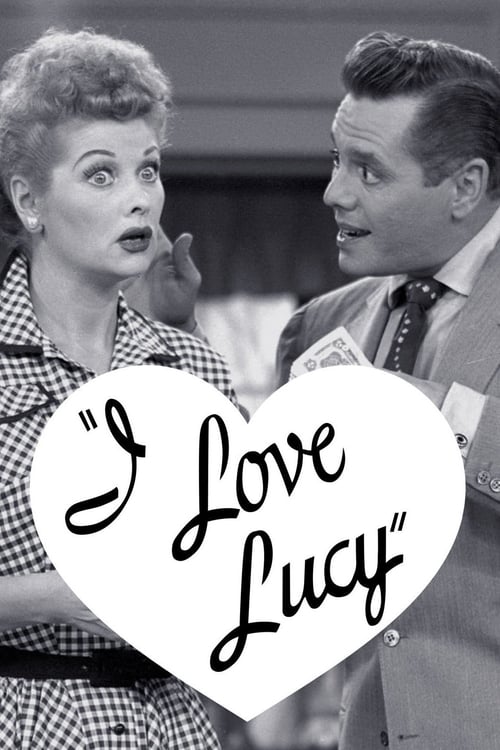
2. I Love Lucy
Ed Sullivan. Sunday nights, he was *the* man. You never knew what you’d get, really. A plate spinner, a rock and roll group, a Broadway star – he had them all. It was live, often a little rough around the edges, but that was part of its charm. It brought the world right into your living room, proving television could be a cultural town square, a place for everyone to gather and see something new.

3. The Ed Sullivan Show
*Bonanza*, now that was something. Big, sweeping, in color when not everyone even had a color set! The Cartwrights, up on the Ponderosa, tackling everything from outlaws to family squabbles. It wasn't just a western; it was a weekly dose of family drama, with enough action to keep you glued. It showed how a long-running, serialized story could capture the nation's heart, week after week.
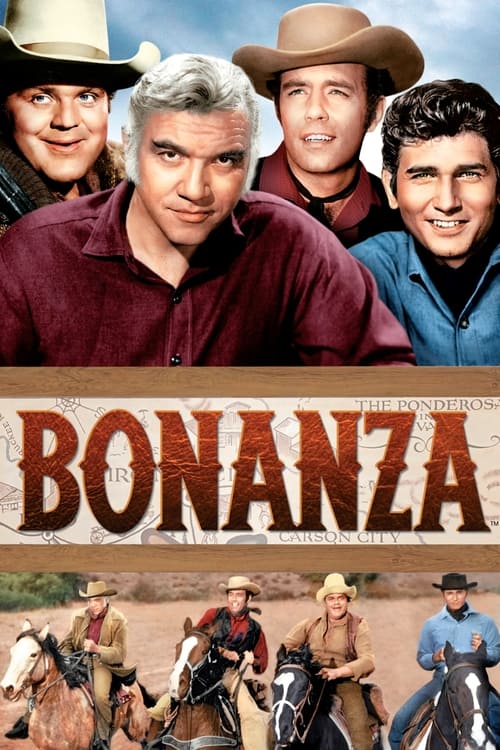
4. Bonanza
*Playhouse 90* was ambitious, plain and simple. Imagine, a live ninety-minute drama, every single week! They did feature-film quality stories, sometimes with the sets still wet from the paint shop. It was raw, immediate, and utterly captivating. It proved that television could be a serious artistic medium, tackling complex themes with a level of depth that many thought only cinema could achieve. Real theater, right there.

5. Playhouse 90
Marshal Matt Dillon. *Gunsmoke* started in black-and-white, a half-hour, then stretched to an hour, always delivering a quiet intensity. It wasn't just about the shootouts; it was about the people of Dodge City, their struggles, their small victories. It built a believable world over decades, showing you could tell continuous, character-driven stories that kept an audience invested, proving television's staying power year after year.
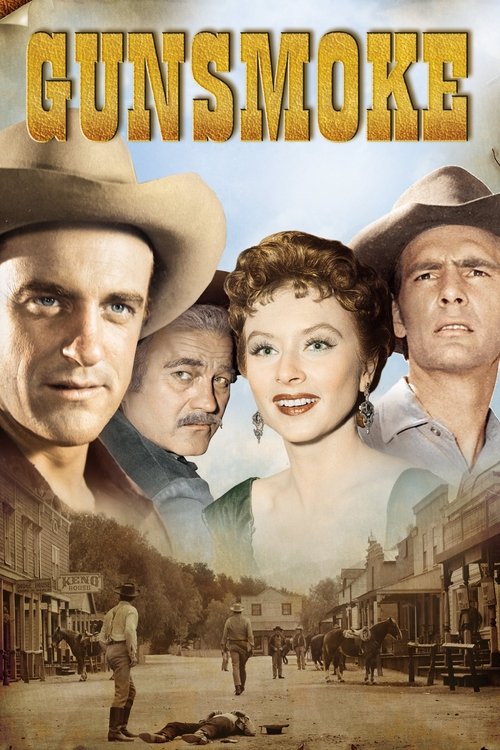
6. Gunsmoke
Archie Bunker, what a character! *All in the Family* burst onto the scene and, well, it certainly got people talking. It wasn't afraid to tackle the touchy subjects, you see, and it did it with humor but also a surprising amount of heart. It changed what a sitcom could be, moving past simple setups to explore society's growing pains, showing television could be a mirror, not just an escape.

7. All in the Family
*M*A*S*H*. It started as a comedy, but it grew into something far more profound. Set during the Korean War, it blended the laughs with the heartbreak, often in the same breath. The ensemble cast was brilliant, and the way they developed those characters over the years, it was a masterclass in long-form storytelling. It proved that a television series could evolve, mature, and leave a lasting impact.
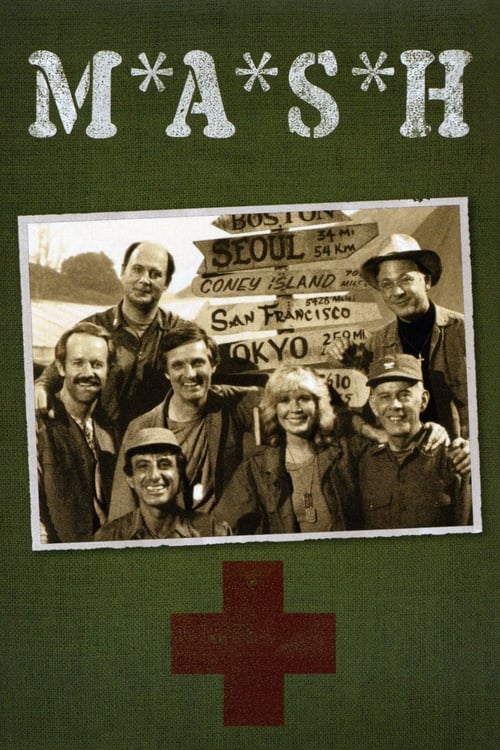
8. M*A*S*H
Ah, *Dallas*. Now there was a show that really grabbed you and wouldn't let go. The Ewings, their oil empire, all that backstabbing and glamour. But it was the continuity, the cliffhangers like 'Who shot J.R.?', that truly hooked the nation. It showed how television could create a sprawling, serialized melodrama that captivated millions, making Friday nights appointment viewing, year after year.
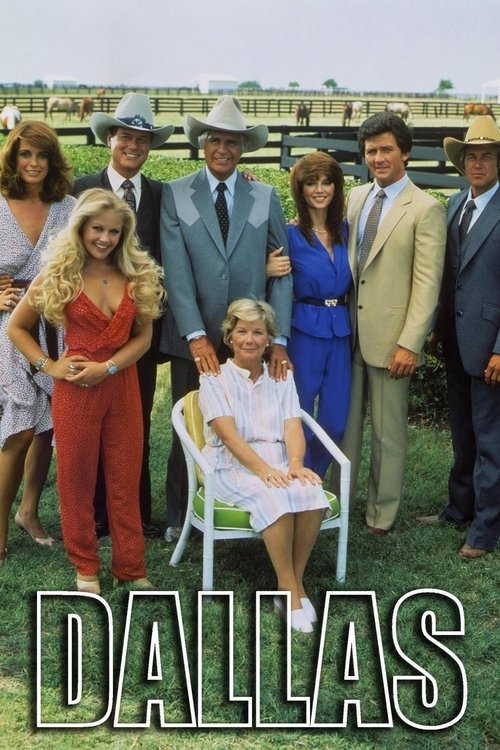
9. Dallas
*Star Trek* was ahead of its time, no doubt about it. A diverse crew, exploring strange new worlds, tackling big ideas about society and humanity. It was science fiction, yes, but it was also a thoughtful anthology of moral tales, wrapped in a continuous journey. It proved that even with a short initial run, a show could build a passionate following and leave an indelible mark on culture.