1. Omikron: The Nomad Soul
This early Quantic Dream venture, released in 1999, was an audacious blend of genres, featuring David Bowie's likeness and music. Its ambition often outstripped its technical capabilities, leading to a sprawling but sometimes clunky experience. Yet, its unique cyberpunk-meets-fantasy setting and narrative depth offered a glimpse into David Cage's evolving vision. It certainly left an impression on those who navigated its peculiar world, a fascinating historical artifact in gaming's evolution.
2. Eternal Darkness: Sanity's Requiem
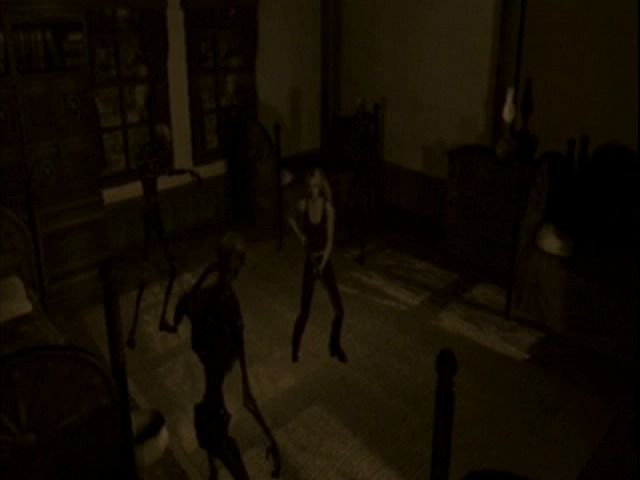
A true GameCube standout from 2002, Eternal Darkness masterfully leveraged its sanity meter to mess with players' perceptions, breaking the fourth wall in unsettling ways. It was more than just jump scares; the psychological horror was deeply integrated into its Lovecraftian narrative. Its intricate story, spanning centuries and characters, created a genuinely unique and memorable experience, a testament to clever design over sheer graphical power.
3. Freedom Fighters
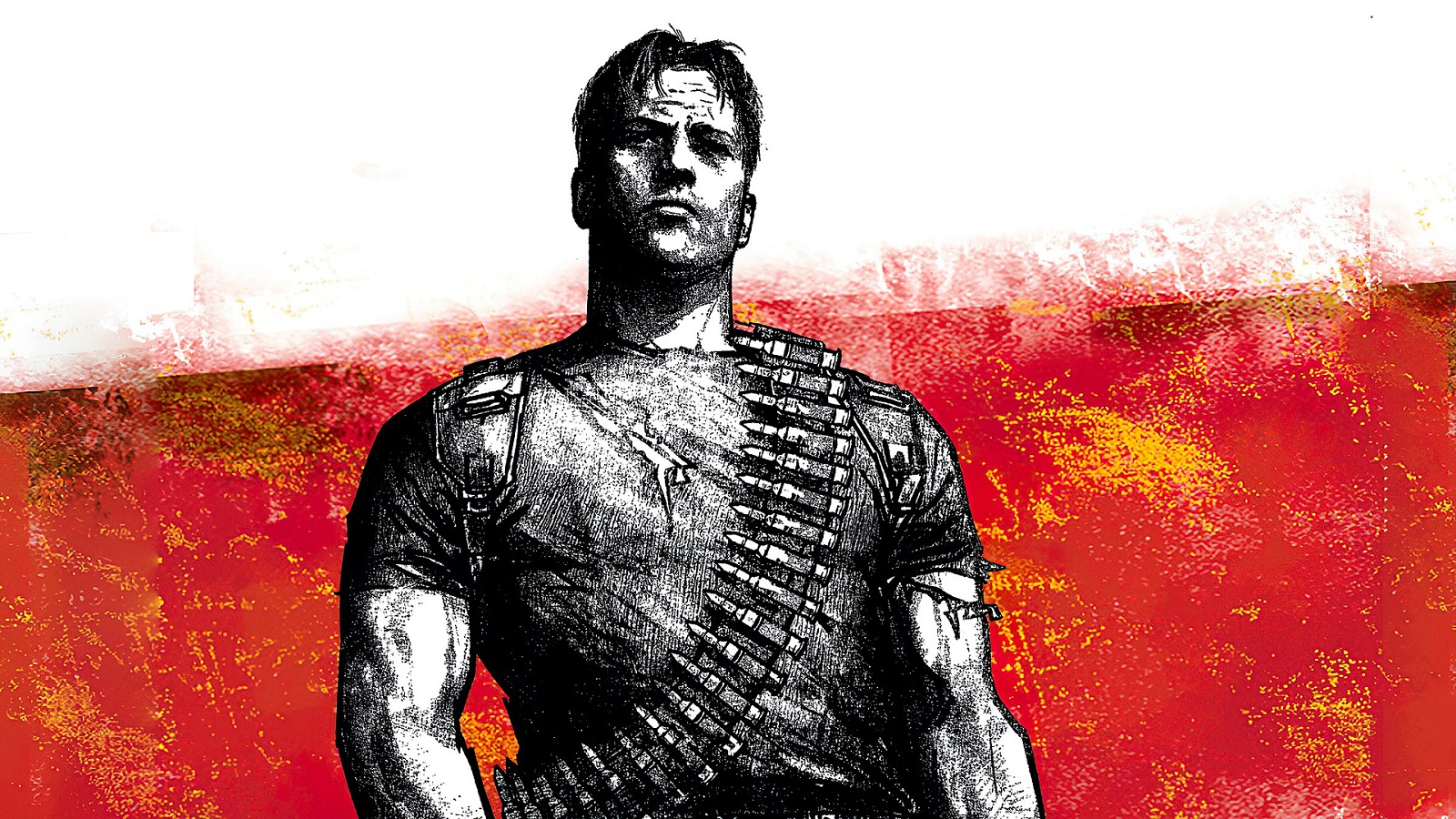
IO Interactive, known for Hitman, delivered this underrated gem in 2003. Set in an alternate history where the Soviets invaded New York, it offered a compelling third-person shooter experience focused on squad-based tactics. The mechanics of recruiting and commanding a small resistance cell felt genuinely impactful. It possessed a raw, gritty charm and a surprisingly mature narrative for its time, making it a cult classic for many.
4. Vampire: The Masquerade - Bloodlines
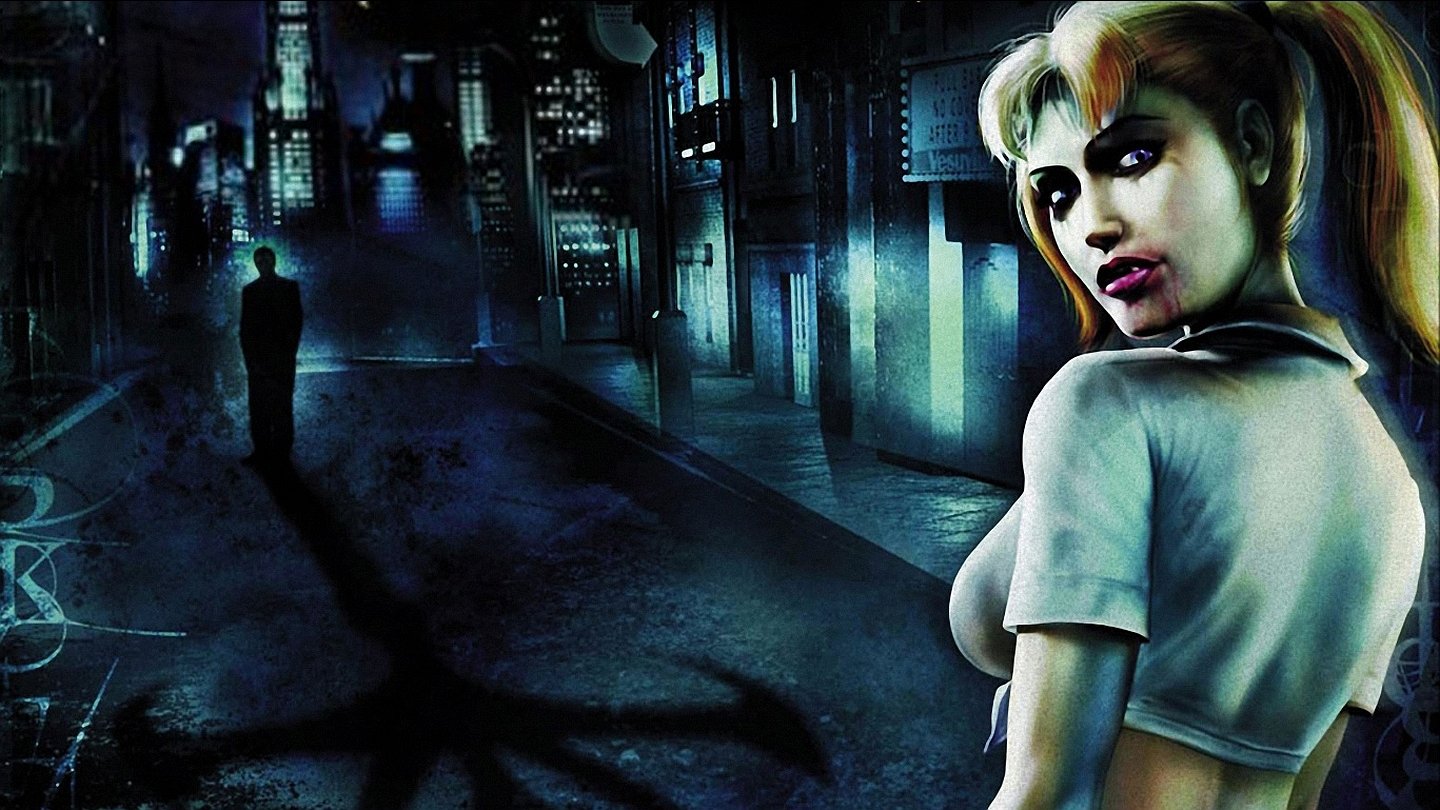
Released in 2004, this RPG from Troika Games was famously buggy at launch but quickly garnered a devoted following for its unparalleled atmosphere and writing. Its portrayal of a dark, clandestine Los Angeles vampire underworld, coupled with deep character choices and branching narratives, felt revolutionary. Despite its technical flaws, its sharp dialogue, memorable characters, and sheer ambition cemented its legacy as a flawed masterpiece.
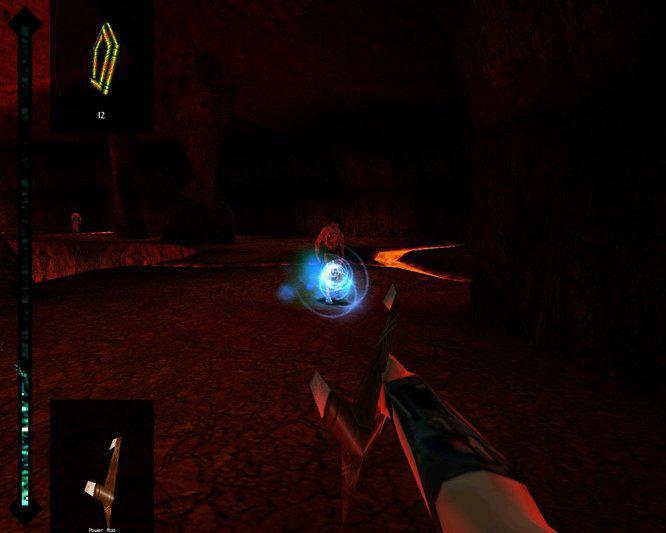
5. Psi-Ops: The Mindgate Conspiracy
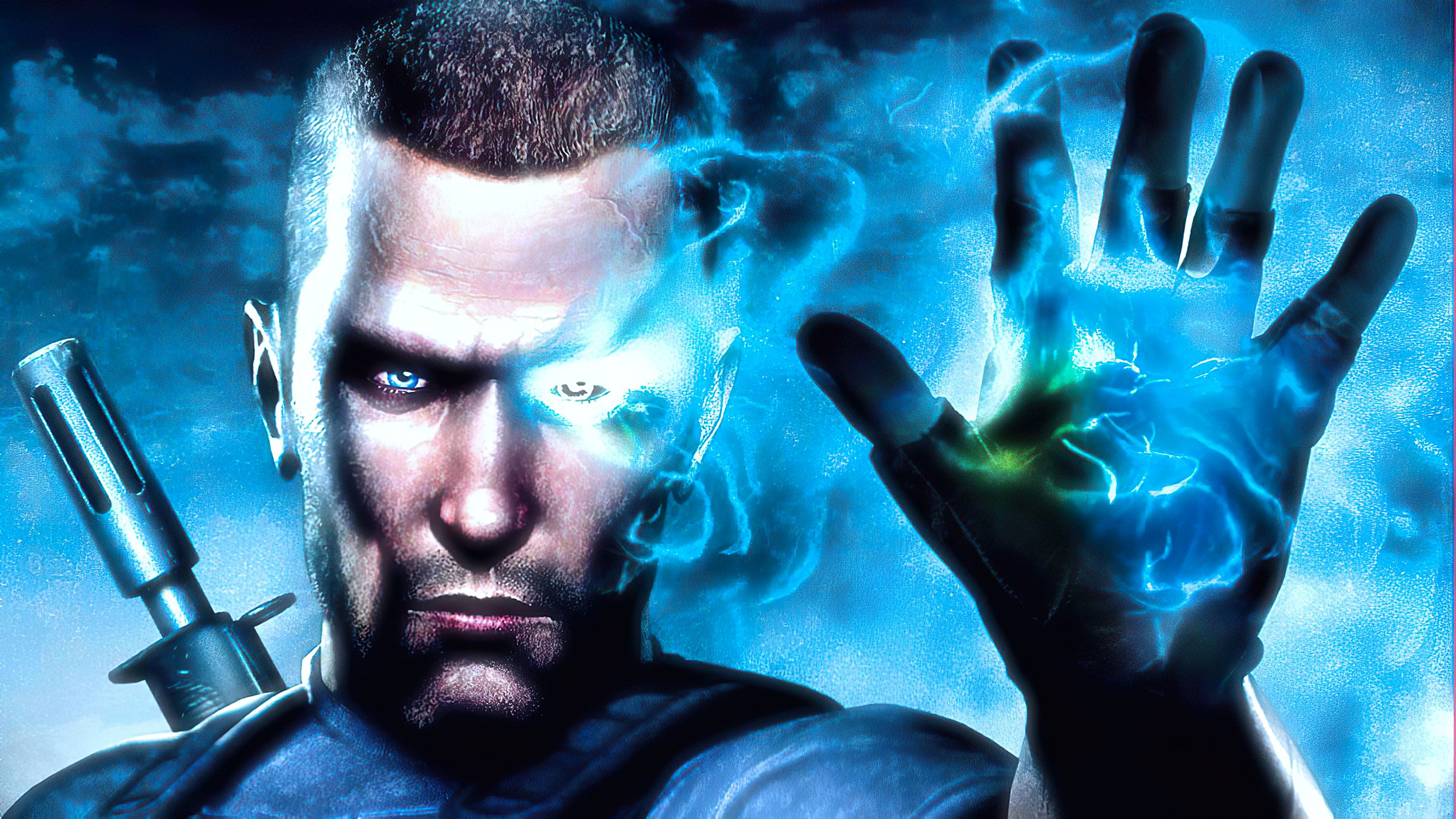
Midway's 2004 title offered a distinct take on third-person action, granting players an array of telekinetic powers. Throwing enemies, levitating objects, and using mind control became core to its innovative combat. The game fully embraced its premise, creating scenarios where physics manipulation was key to success. It was a stylish, inventive shooter that, regrettably, never received the sequel its unique gameplay deserved.
6. Jade Empire
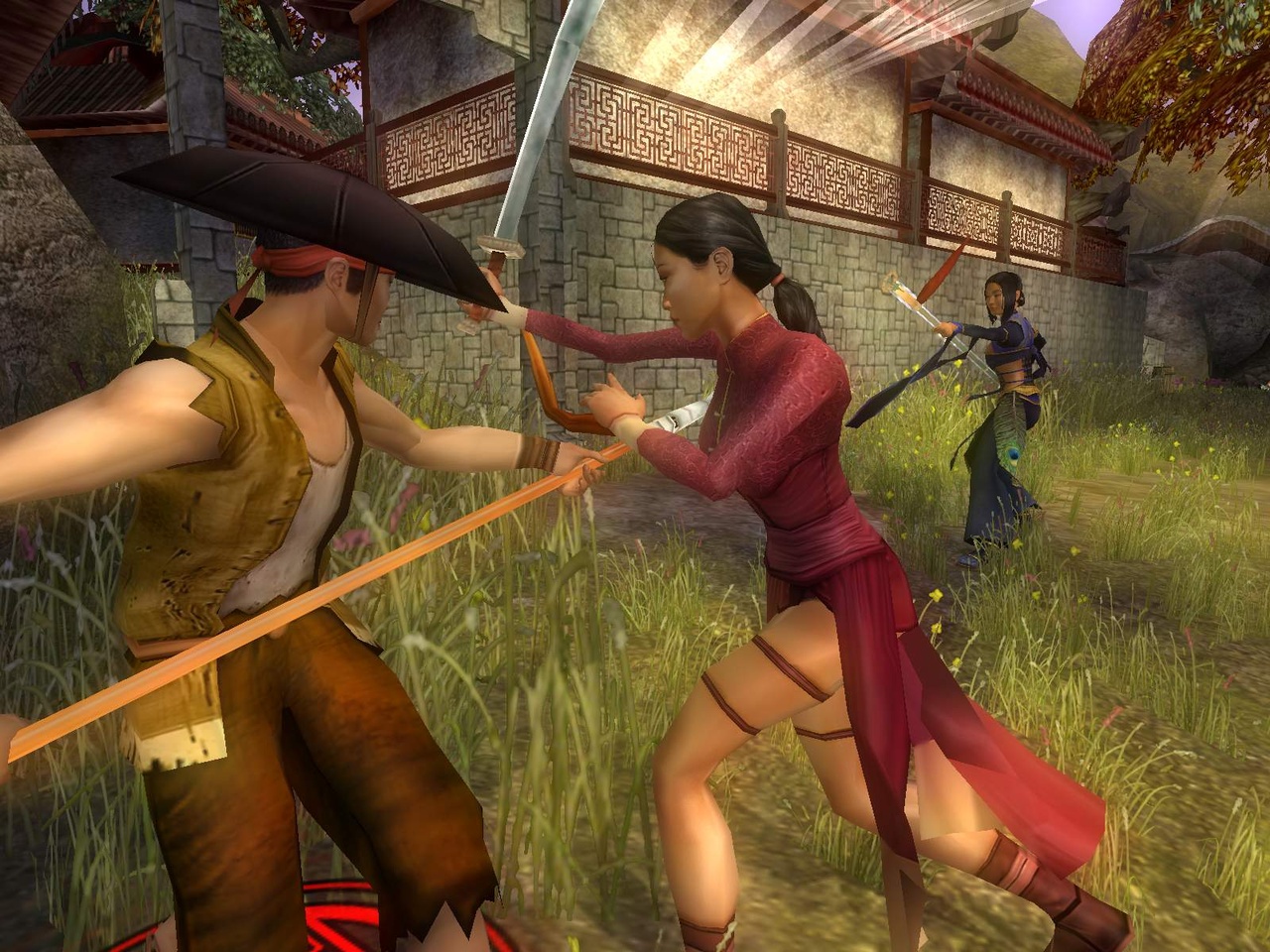
BioWare's 2005 original intellectual property transported players to a beautiful, mythic China, blending martial arts combat with their signature RPG storytelling. It presented a compelling "Open Palm/Closed Fist" morality system and a cast of memorable companions. While perhaps overshadowed by their other franchises, Jade Empire offered a vibrant world and engaging narrative, proving BioWare could craft rich new universes beyond their established sci-fi and fantasy settings.
7. The Saboteur
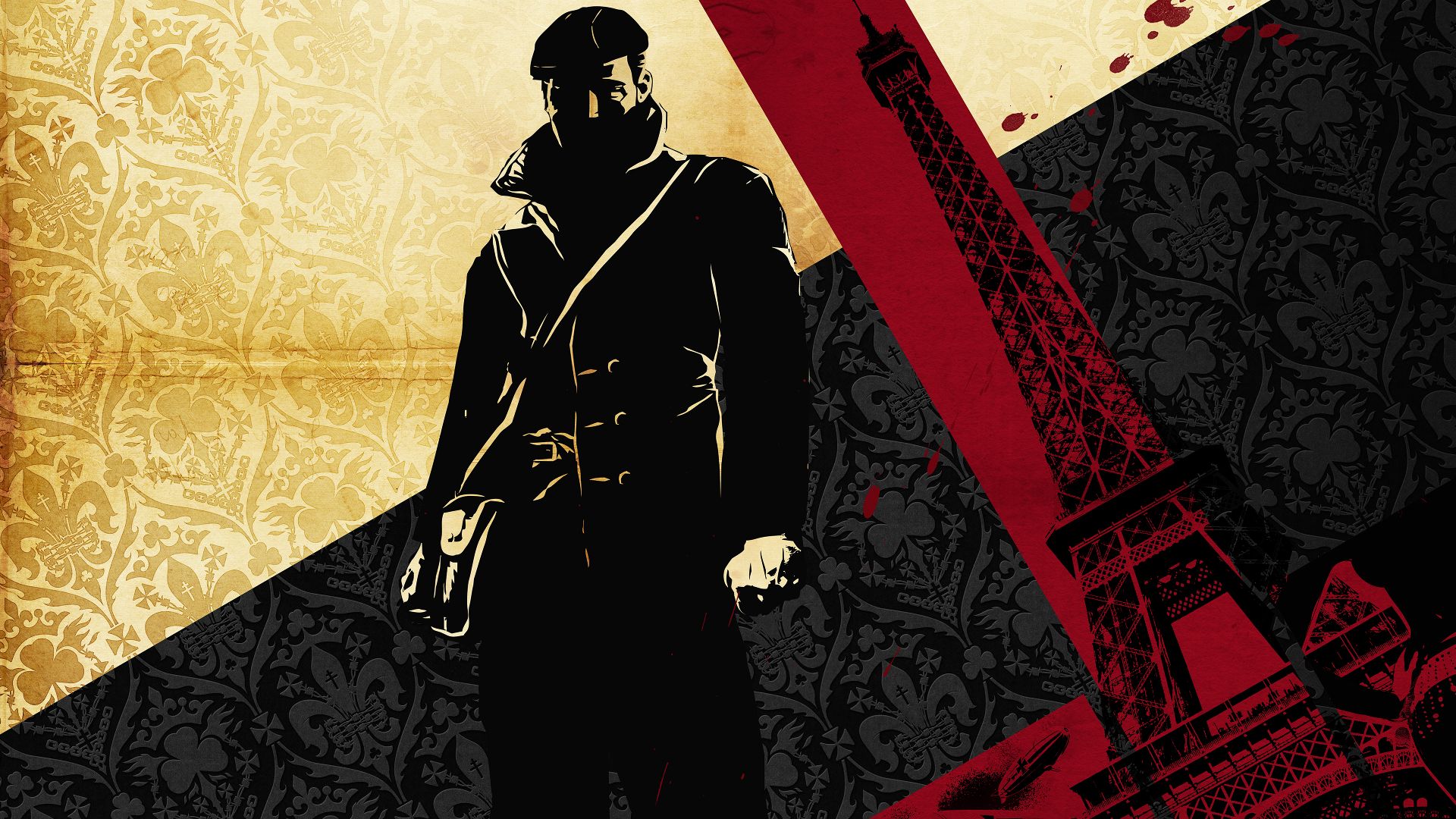
Pandemic Studios' final game, released in 2009, was a stylish open-world action title set in Nazi-occupied Paris. Its unique visual mechanic, where oppressed areas were desaturated black-and-white until liberated, was visually striking and thematically powerful. It blended stealth, explosive action, and climbing mechanics with a genuinely compelling narrative about resistance and revenge. A vibrant, noir-infused send-off for a talented studio.
8. Singularity
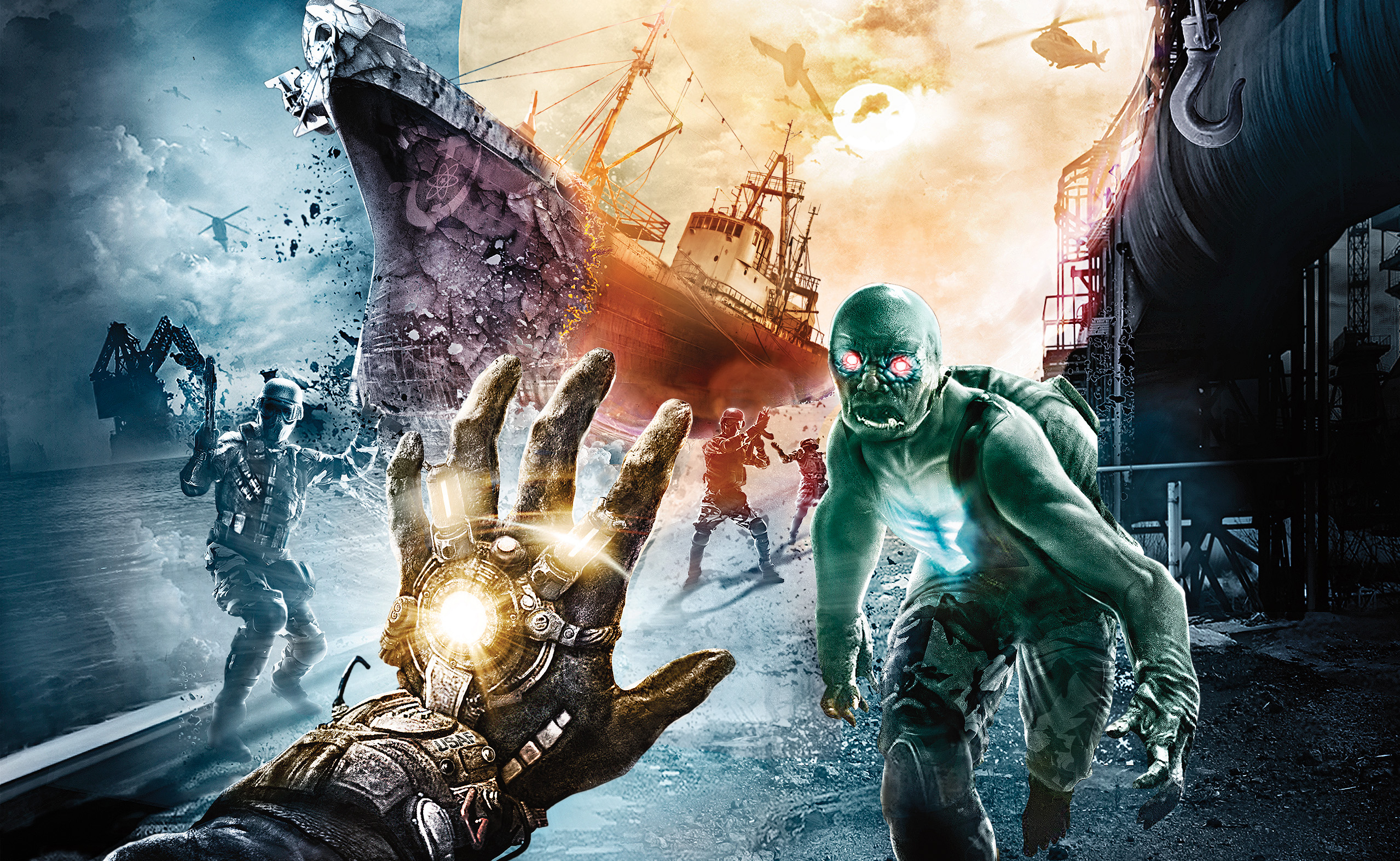
Raven Software's 2010 first-person shooter was a solid entry that sadly flew under the radar. It blended conventional FPS combat with inventive time-manipulation mechanics, allowing players to age or de-age objects and enemies. The game had a distinct B-movie sci-fi charm, drawing inspiration from Cold War-era aesthetic and pulp fiction. It offered tight gunplay and clever puzzles, deserving more recognition than it received.
9. Enslaved: Odyssey to the West
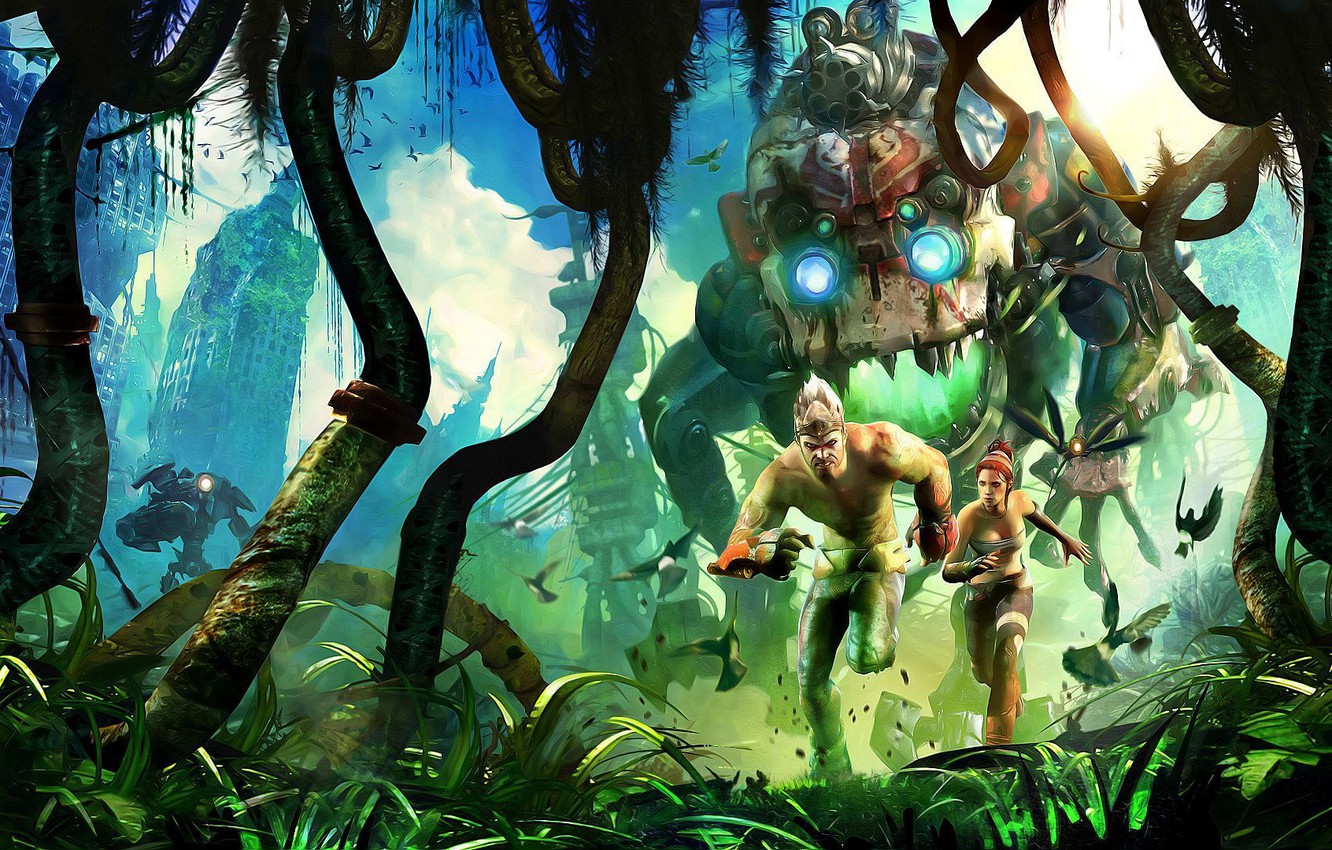
Ninja Theory's 2010 action-adventure reimagining of "Journey to the West" presented a visually stunning post-apocalyptic world. Its strength lay in the dynamic, evolving relationship between its two protagonists, Monkey and Trip. While combat was solid, the platforming and environmental puzzles felt fresh. It was a beautiful, character-driven narrative experience that highlighted the studio's knack for compelling storytelling and design.
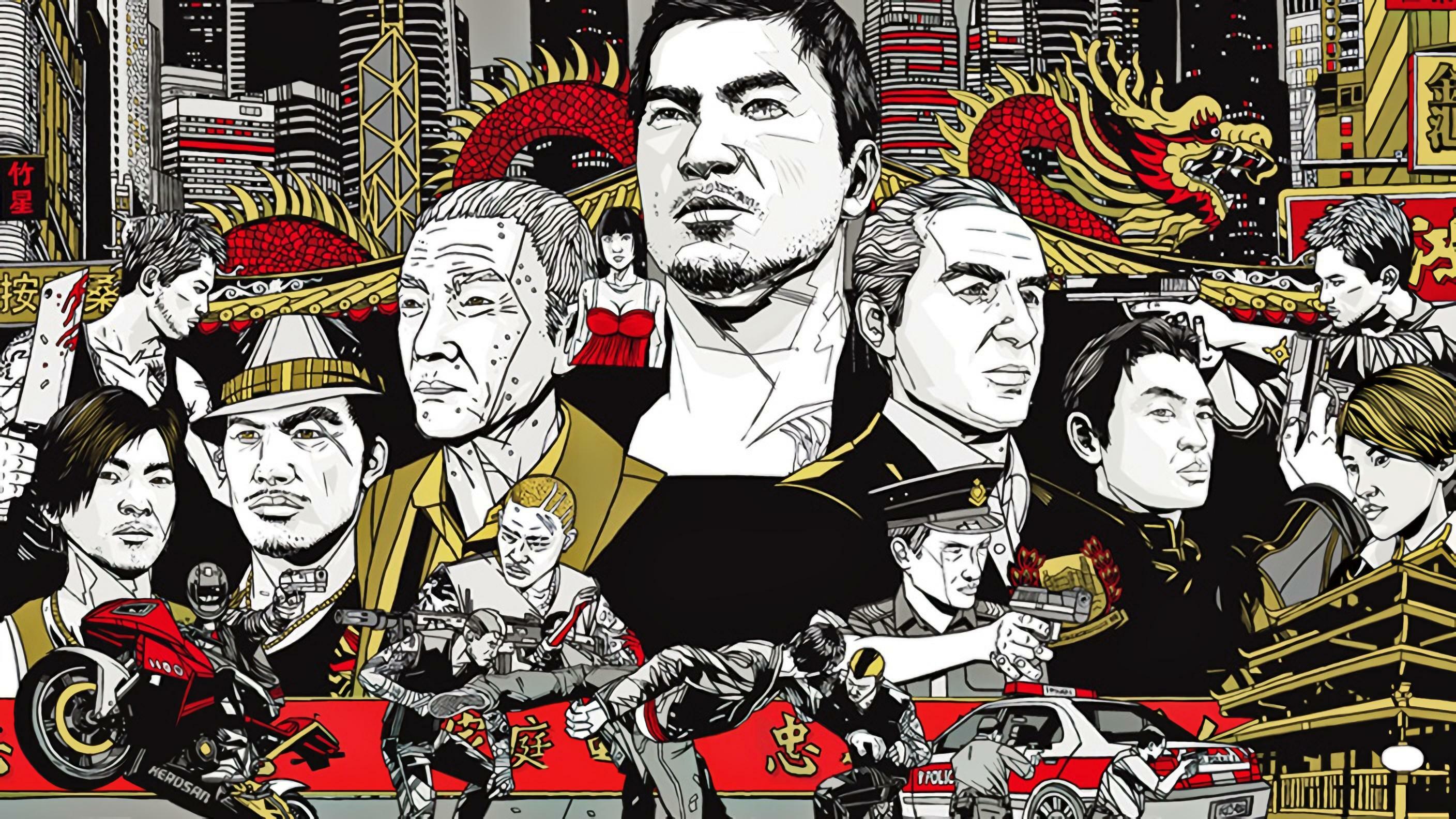
10. Sleeping Dogs
Originally conceived as a new True Crime installment, United Front Games' 2012 open-world title carved its own identity by immersing players in a vibrant, gritty Hong Kong. Its fluid martial arts combat, satisfying driving, and compelling undercover police narrative stood out. It captured the essence of Hong Kong action cinema, offering a truly distinct urban playground that remains a benchmark for East Asian-inspired settings.