
1 / 10
1. Vanquish
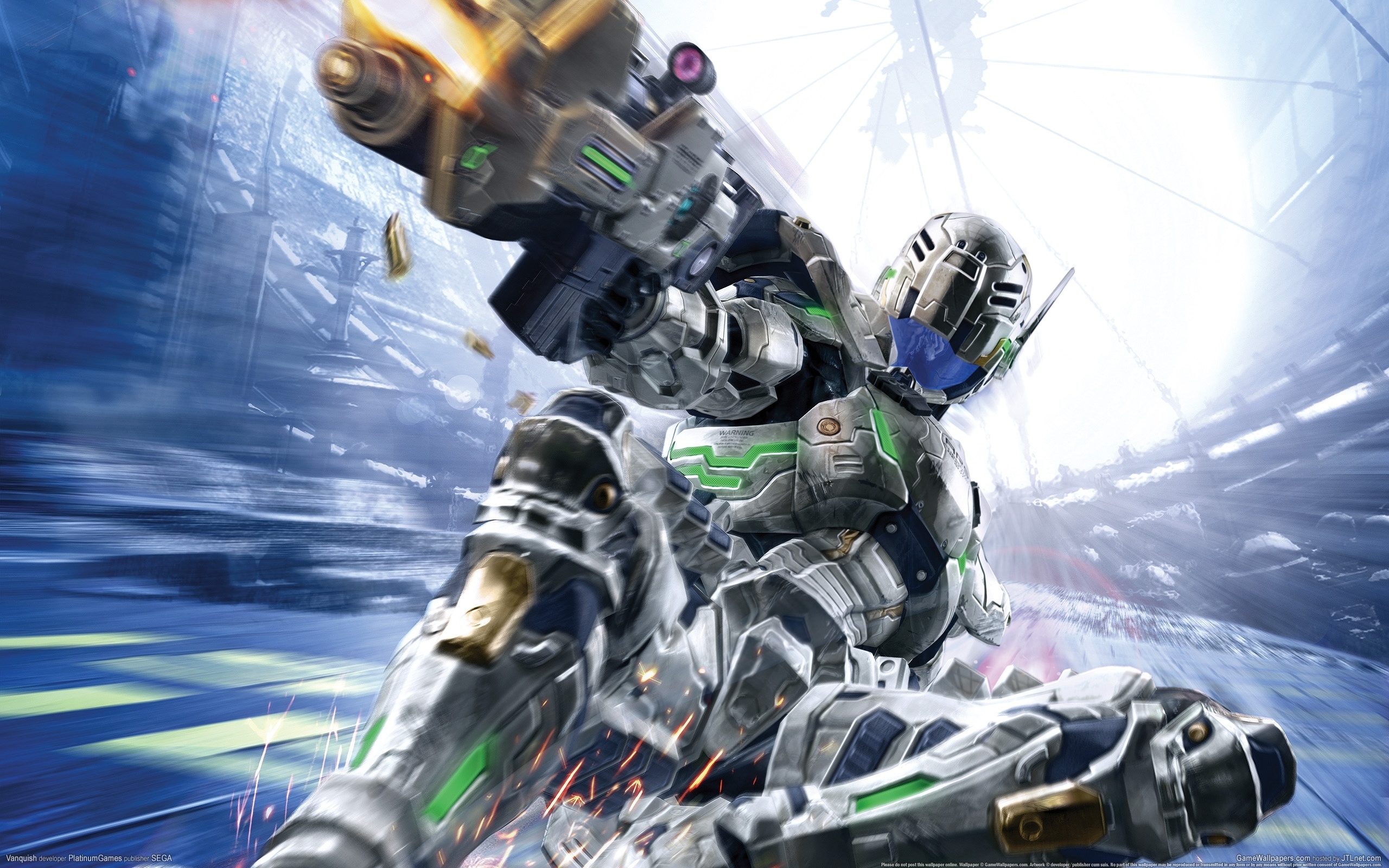
PlatinumGames, man, they just *get* action. Vanquish was a hyper-stylized third-person shooter that felt like a playable anime, with its protagonist literally boosting on his knees across battlefields. It had this incredible, fluid combat system that let you slow time, rocket slide, and pull off insane maneuvers no other shooter dared. But it launched in a busy period, and its sheer, unadulterated arcade brilliance just didn't click with the broader audience. A crime, really, considering how many modern games still can't touch its mechanical depth.
2 / 10
2. Okami
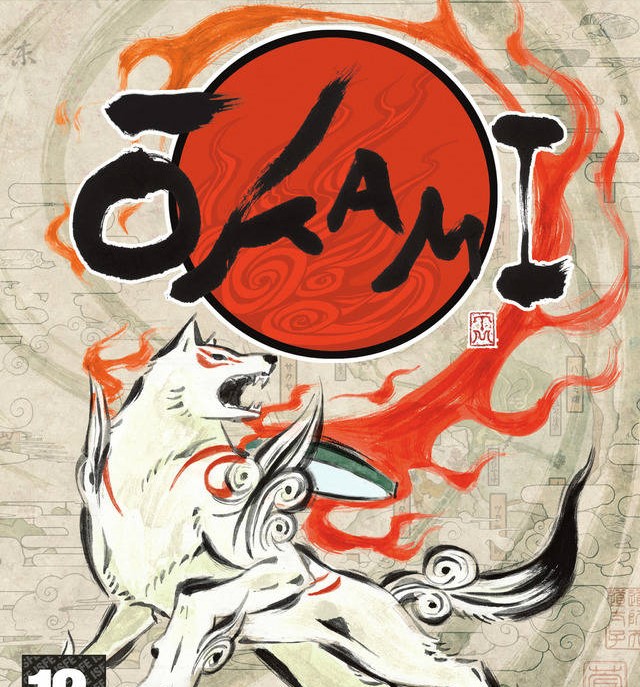
Okami is an absolute masterpiece, a true work of art that got shafted by Capcom's release strategy and its own unique charm. Its sumi-e ink wash art style is timeless, and the Celestial Brush mechanics were revolutionary, making combat and puzzles feel genuinely creative. It was a love letter to Japanese mythology and felt like a spiritual successor to Zelda, but its PlayStation 2 launch near the end of the console's life, and then a Wii port that didn't fully translate, meant it never found the audience it deserved.
3 / 10
3. Brutal Legend
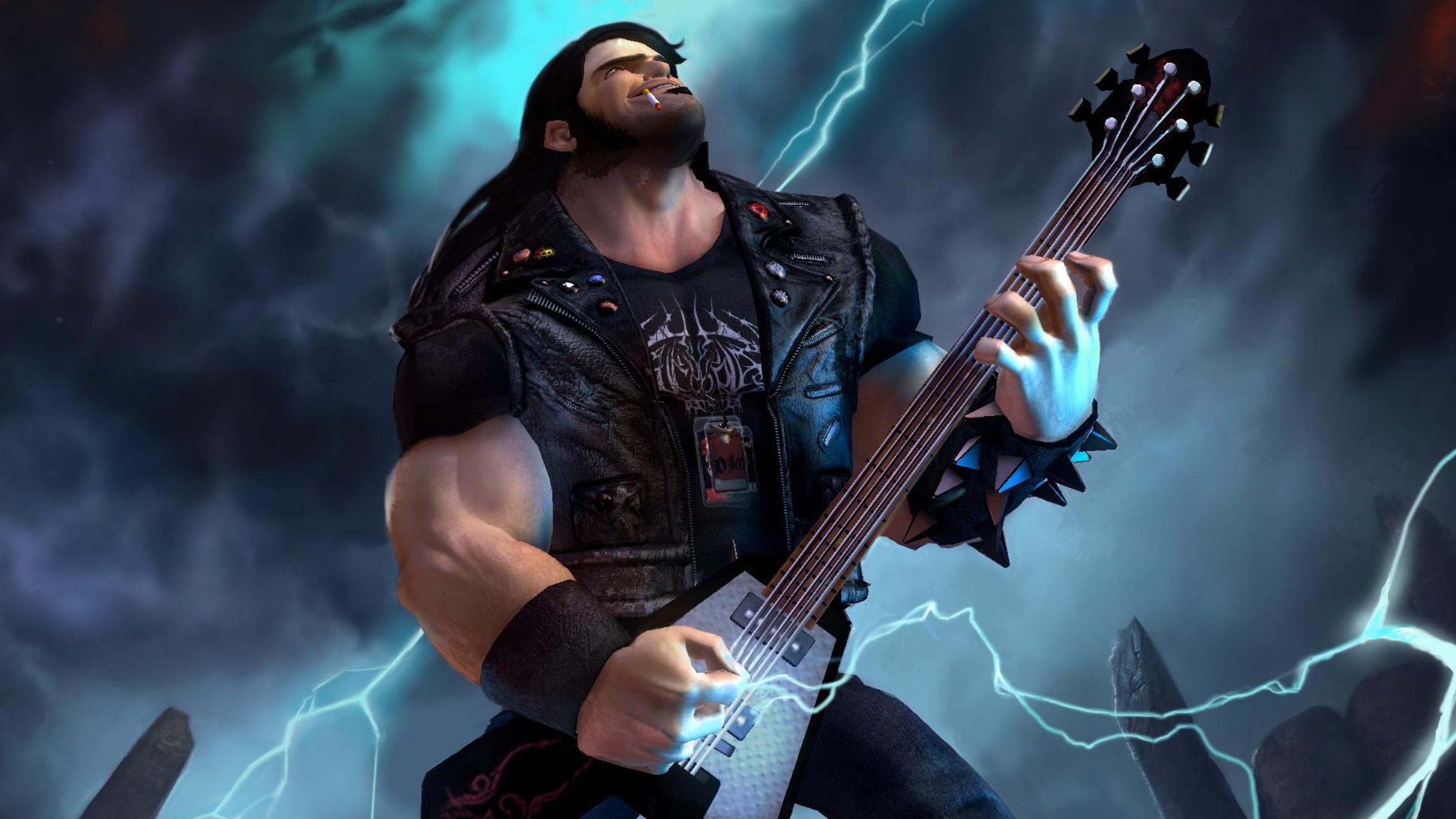
Tim Schafer's love letter to heavy metal, Brutal Legend, was a bizarre, glorious mishmash of action-adventure and real-time strategy. Jack Black voiced the roadie, Eddie Riggs, in a world crafted from album covers and guitar riffs. It was funny, heartfelt, and utterly unique, but its genre-bending nature confused marketing and players alike. People expected a pure action game, got an RTS hybrid, and it just didn't stick. A damn shame, because its soundtrack and world-building are legendary.
4 / 10
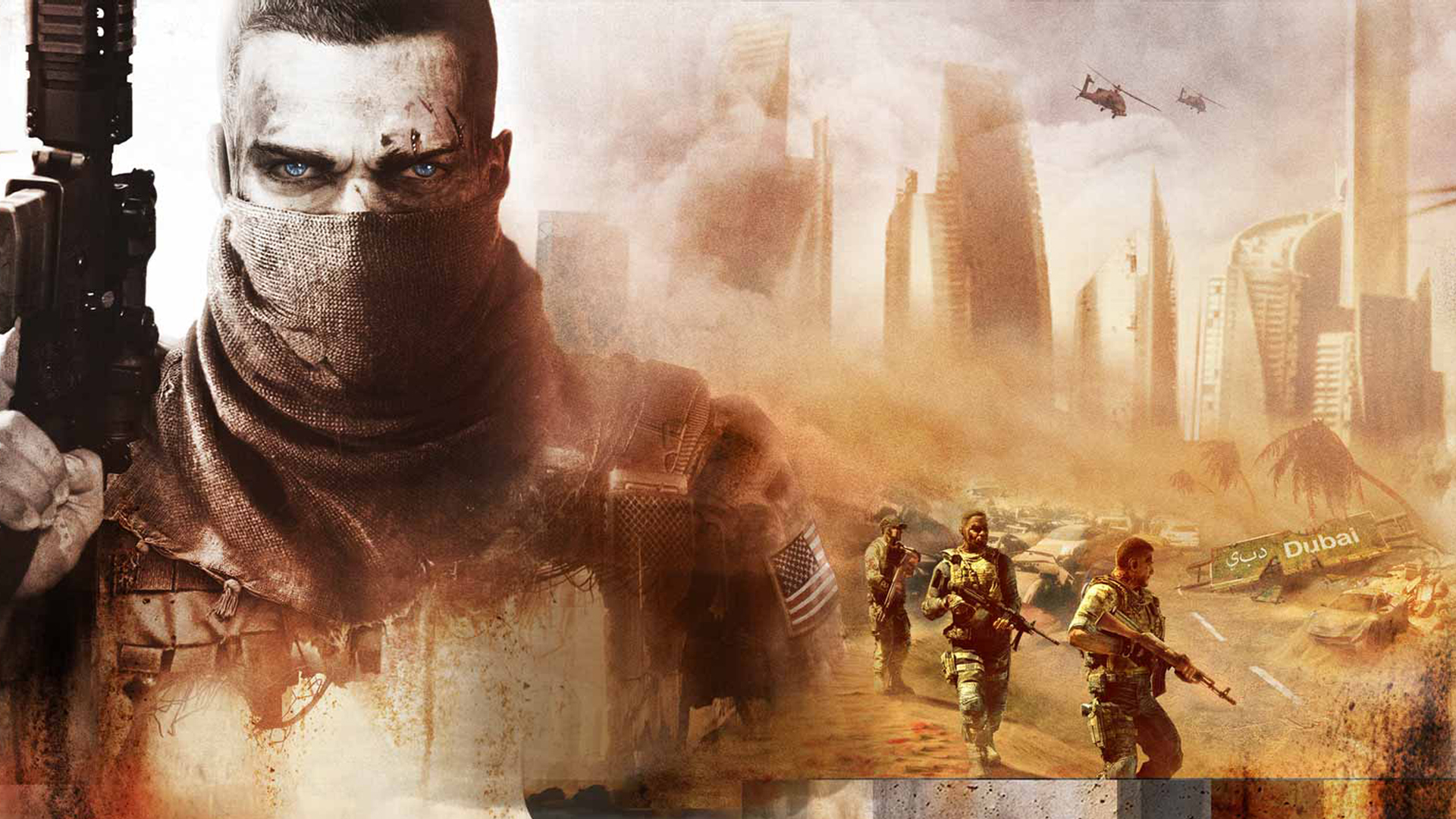
4. Spec Ops: The Line
On the surface, Spec Ops: The Line looked like another generic military shooter, destined for the bargain bin. But oh, how wrong that surface impression was. It's a brutal, unflinching deconstruction of the genre, dragging players through a moral quagmire that forces you to confront the true horror and psychological toll of war. Its narrative twists and character development are masterful, making you question your own actions. It was too dark and too smart for the mass market, and the industry never really learned from its brilliance.
5 / 10
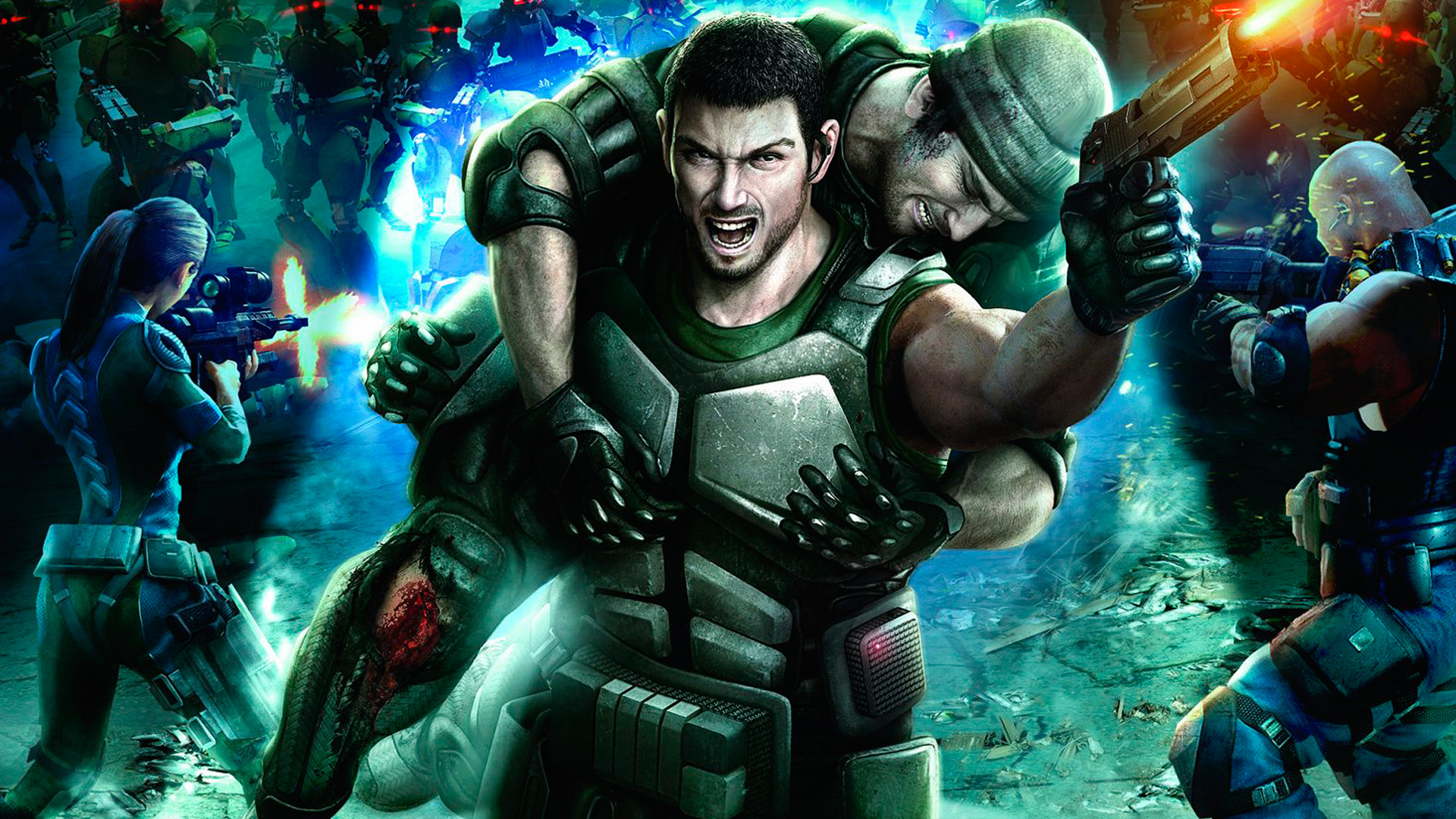
5. Binary Domain
From the Yakuza Studio, Binary Domain was a surprisingly heartfelt third-person shooter about a future where humanity battles sentient robots. It had this innovative "consequence system" where your squadmates' trust affected gameplay, actually making you care about them. The boss battles were epic, the shooting felt solid, and its story tackled themes of artificial intelligence and humanity with more nuance than most blockbusters. It just landed without much fanfare, a solid B-tier game that deserved way more A-list attention.
6 / 10
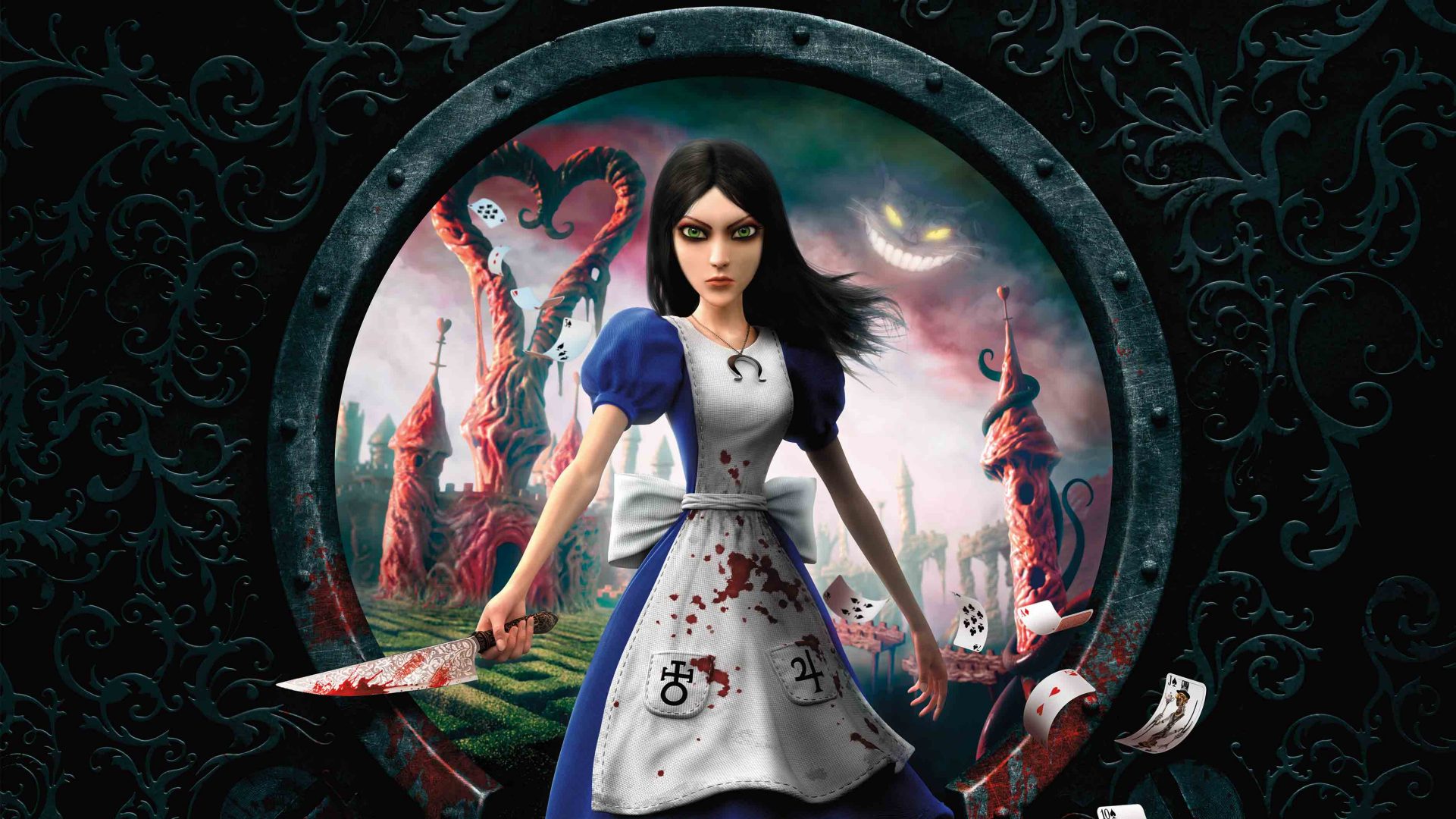
6. Alice: Madness Returns
American McGee’s Alice: Madness Returns was a visually stunning, psychologically twisted platformer that doubled down on the dark, grotesque beauty of its predecessor. Exploring Alice’s shattered mind within a decaying Wonderland was an artistic triumph, offering incredible level design and imaginative enemy encounters. It suffered from some repetitive combat and EA's notorious lack of marketing for anything not FIFA or Battlefield. A true cult classic, its disturbing aesthetic and compelling narrative deserved a much larger spotlight.
7 / 10
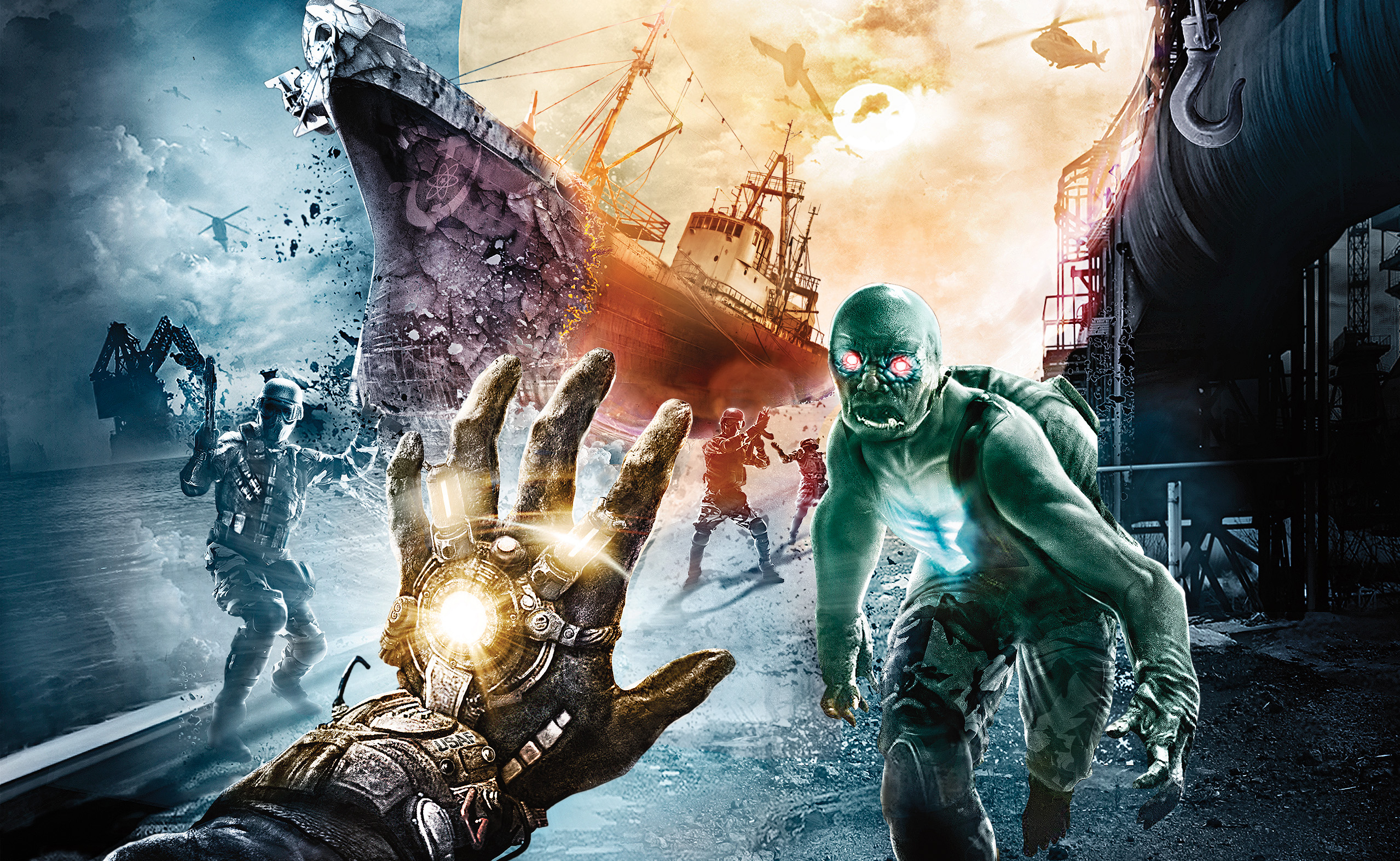
7. Singularity
Singularity was a fascinating first-person shooter that blended time manipulation mechanics with sci-fi horror, feeling like a spiritual cousin to BioShock or Half-Life. Its setting, the abandoned Soviet island of Katorga-12, oozed atmosphere, and using the TMD device to age or de-age objects and enemies was incredibly satisfying. But it dropped in a crowded year and felt like a relic from an older era of shooters, despite its clever mechanics. A shame, because it was genuinely good, pulpy fun.
8 / 10
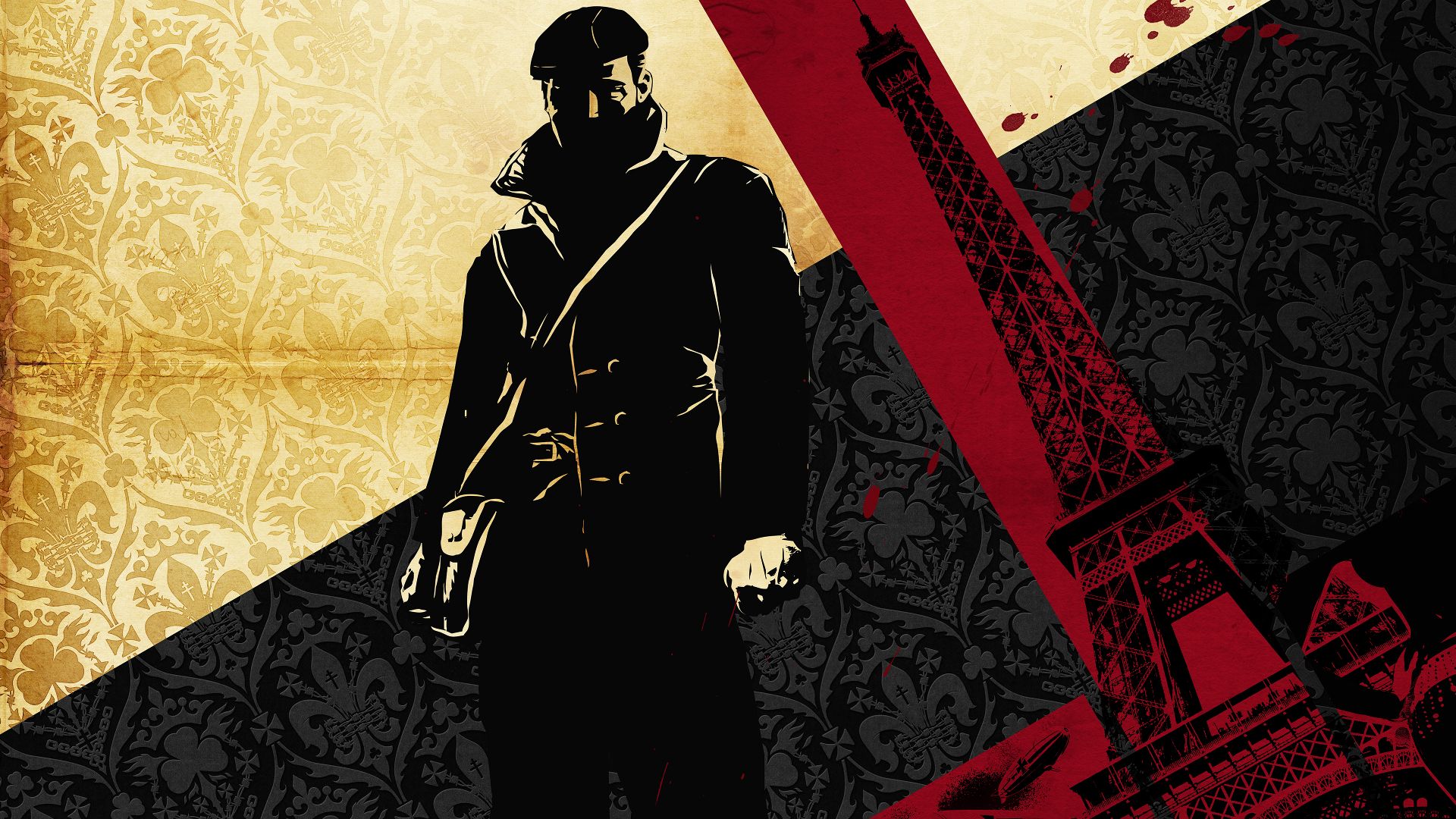
8. The Saboteur
The Saboteur was Pandemic Studios' swansong, and what a way to go out. It blended GTA-style open-world action with a unique black-and-white art style that burst into color as you liberated districts from Nazi control. Playing as an Irish mechanic in occupied Paris, sabotaging and fighting back, felt incredibly stylish and satisfying. It had its jank, sure, but its distinct aesthetic and earnest spirit made it stand out. A true gem that got buried by studio closure and release timing.
9 / 10
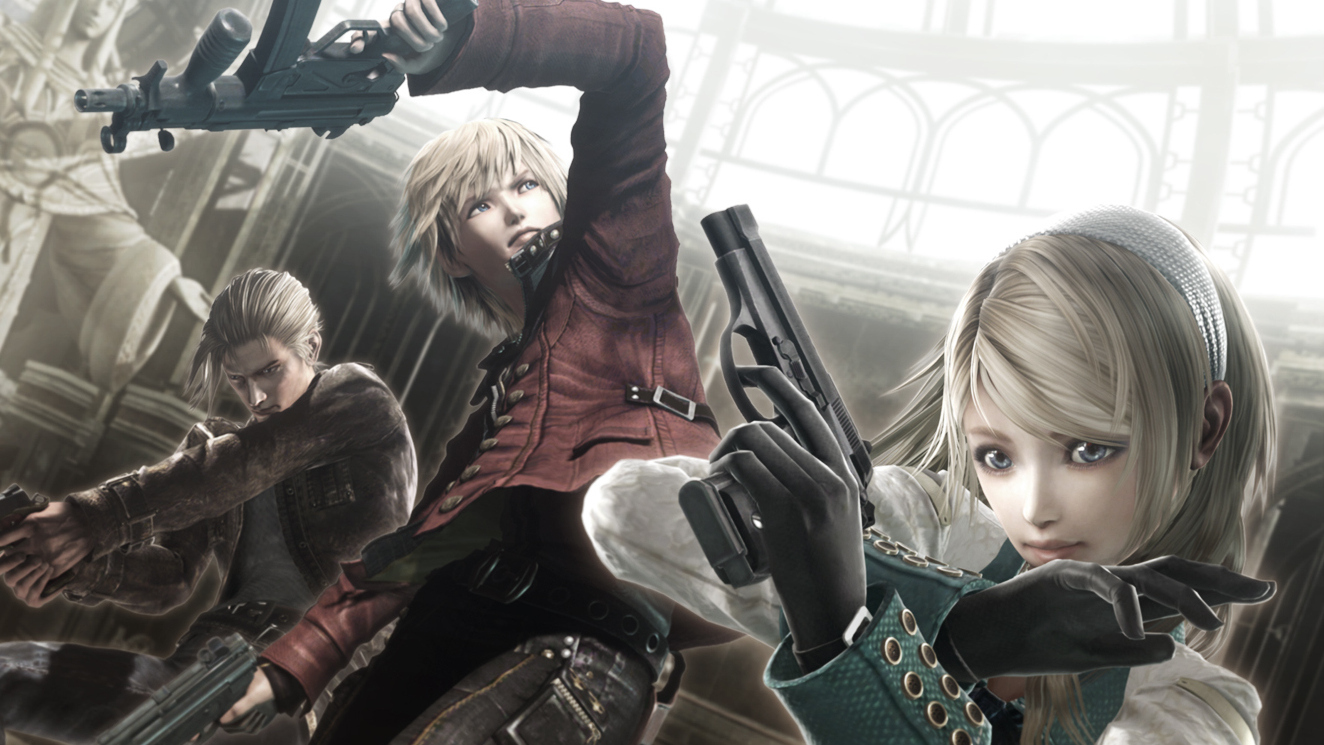
9. Resonance of Fate
Resonance of Fate, or End of Eternity in Japan, was a JRPG that defied convention with its incredibly complex, balletic gun-fu combat system. You had to chain together "hero actions" and "scratch damage" in a steampunk world, which was both bewildering and incredibly rewarding once mastered. It was a hard sell, requiring patience and strategy rather than typical JRPG grinding. Consequently, it remained a niche favorite, appreciated by those who craved something truly different, but utterly baffling to most.
10 / 10
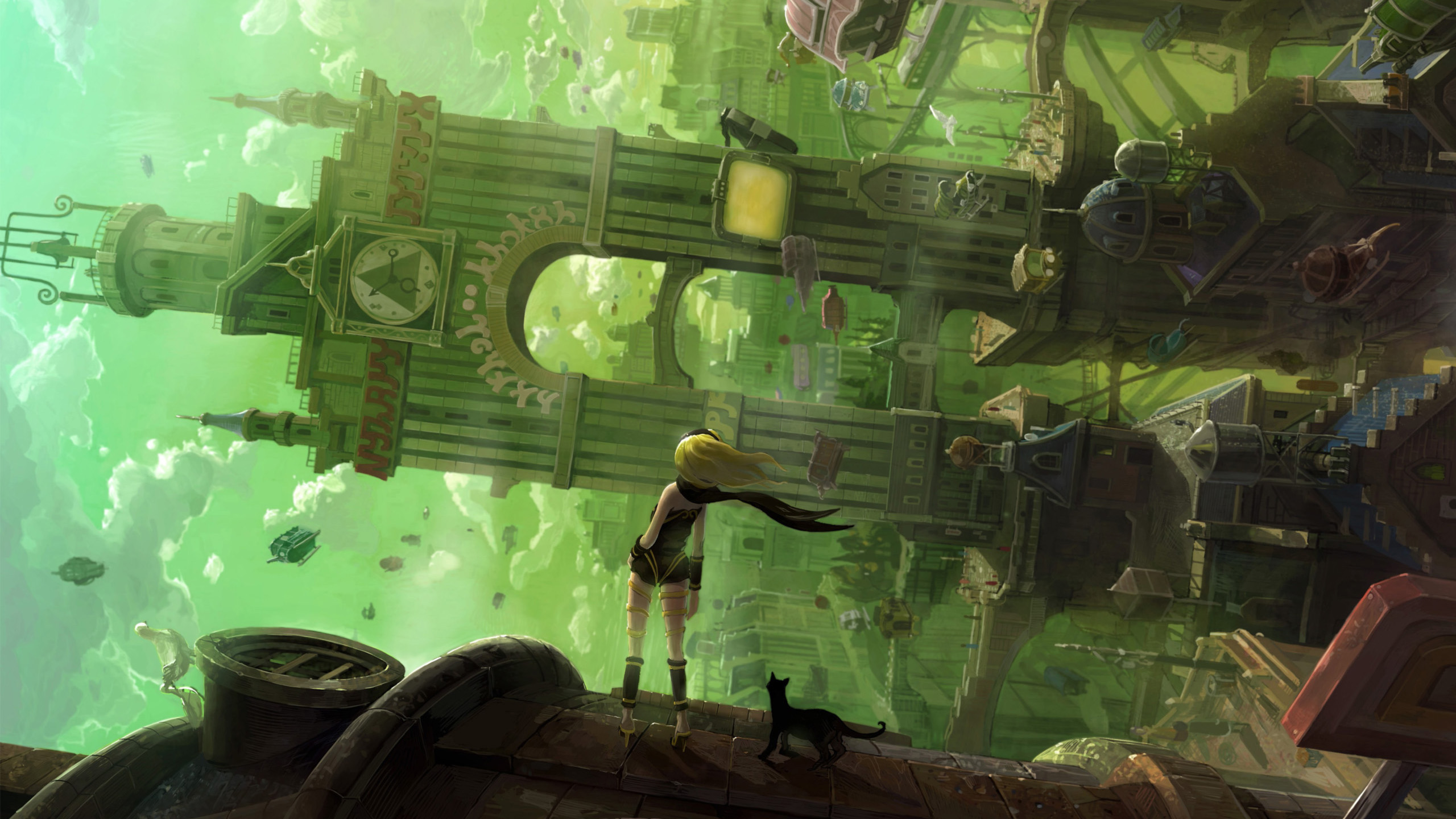
10. Gravity Rush
Gravity Rush, originally a PlayStation Vita gem, then beautifully remastered for PS4, was a genuinely inventive open-world action game. Playing as Kat, a girl who could manipulate gravity, allowed for exhilarating traversal and combat that felt utterly unique. Its gorgeous cel-shaded art style and charming narrative were pure Japan Studio magic. But it was shackled to the Vita's limited audience initially, and even its PS4 re-release struggled to break out, proving that sometimes, even genius isn't enough to cut through the noise.