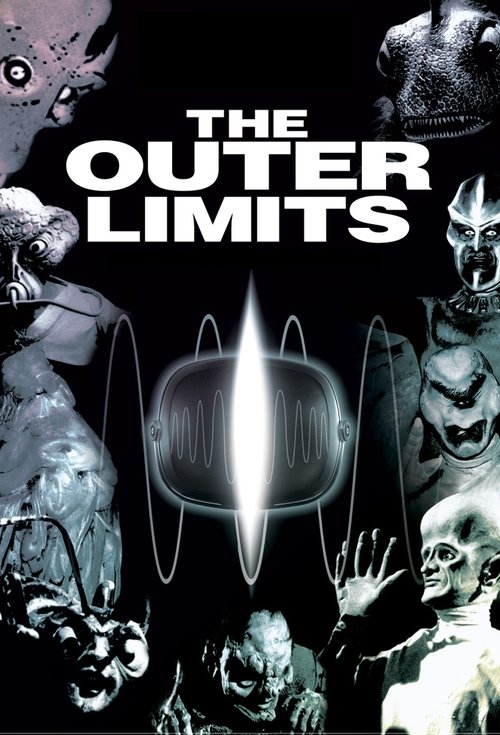
1. The Outer Limits
Oh, this one had teeth! None of that predictable alien nonsense, mind you. Each week, a new creature, a new idea, often quite unsettling, all shot in stark black-and-white that made every shadow loom. It wasn't just monsters; it was about fear, about humanity's place in the universe. And the opening narration, well, it still gives you a shiver. A true intellectual exercise, not just cheap thrills.
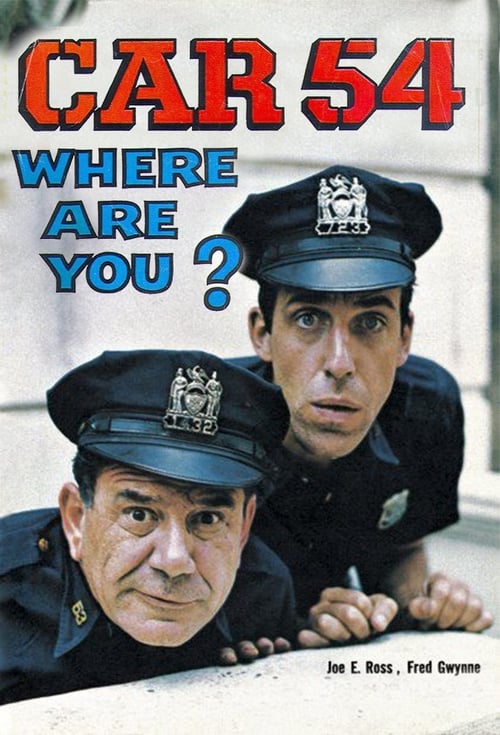
2. Car 54, Where Are You?
And here was television comedy before it became so self-aware. Two patrolmen, Gunther Toody and Francis Muldoon, bumbling their way through the Bronx. It was a simple premise, really, but the characters, the neighborhood feel, and the understated gags made it warm and genuinely funny. Not every show needs a laugh track to be charming, and this one proved it, in glorious black-and-white.
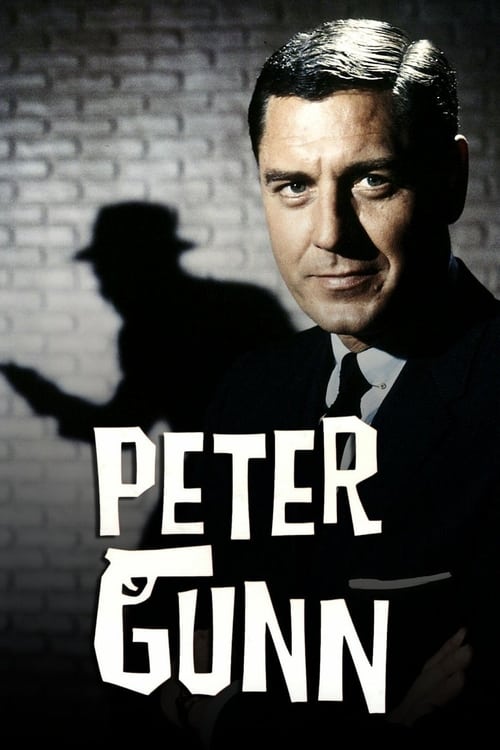
3. Peter Gunn
Blake Edwards gave us style before we even knew what it was. Peter Gunn, a private eye with a cool jazz score by Mancini that just seeped into your bones. It was all about the atmosphere, the smoky clubs, the sharp suits, the dames. Every shot was a painting, every line delivered with a knowing smirk. This was a detective show that understood mood, making black-and-white look richer than any color.
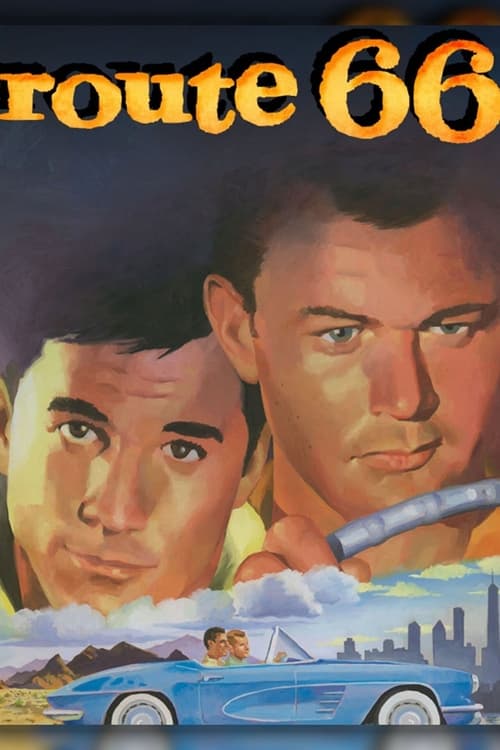
4. Route 66
Now, this was an adventure. Two young fellows, Tod and Buz, driving a Corvette across America, seeking meaning and trouble. Each town, a new story, a fresh challenge. It showcased the country, certainly, but also the human condition, with stories that often had a bit of grit, a touch of drama. It was a road show before that was even a concept, and it felt truly expansive on the small screen.
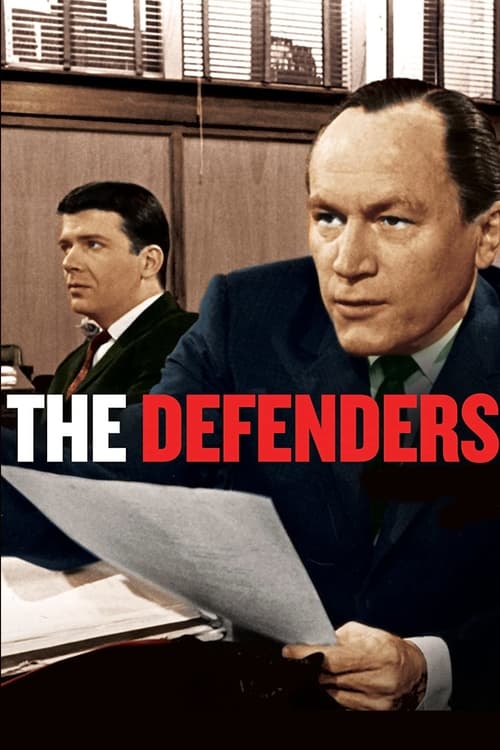
5. The Defenders
Before television shied away from real issues, there was *The Defenders*. A father-son legal team taking on cases that made you think, not just entertain. Capital punishment, civil rights, McCarthyism – they didn't flinch. It was serious drama, expertly written, with performances that anchored the weighty subjects. Television could be more than just escapism, and this show proved it, week after week.
6. Playhouse 90
Ah, *Playhouse 90*. This was live television, mind you, with all the nerves and raw energy that entailed. A new play every week, often from top writers and starring big names. It was theater for the masses, sometimes grand, sometimes intimate, but always striving for quality. You felt the immediacy, the risk. It pushed boundaries, proving what the medium could truly achieve before recorded shows took over.
7. Kolchak: The Night Stalker
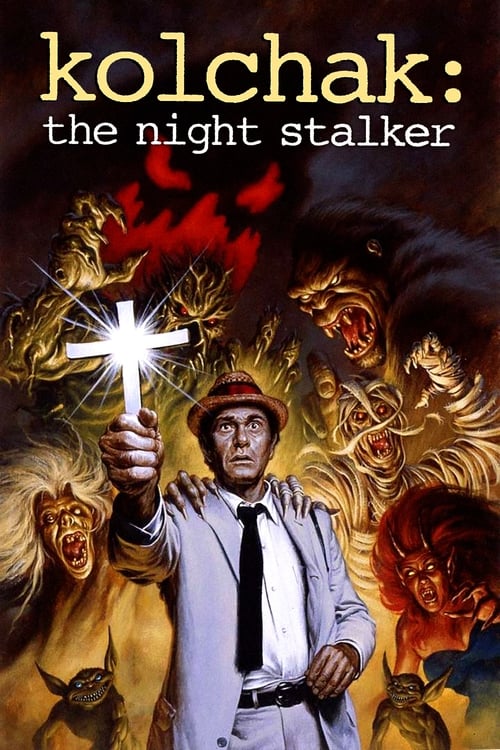
Darren McGavin as Carl Kolchak, chasing vampires and monsters through the Chicago night. A rumpled reporter, always just a bit too late to prove what he saw. It was spooky, often funny, and had a charm that's simply missing now. The show understood atmosphere, using the shadows of the city to great effect. And that music, it stuck with you, hinting at horrors just out of sight.

8. Soap
Now, *Soap* was a wild one. A sitcom, yes, but it took the melodrama of daytime serials and cranked it to eleven. Incest, kidnapping, aliens – it had it all, played for laughs but with surprisingly complex, serialized storylines. It pushed buttons, certainly, but it was inventive and genuinely hilarious. And it showed that even a comedy could build a long, continuing narrative, if daring enough.
9. Police Squad!
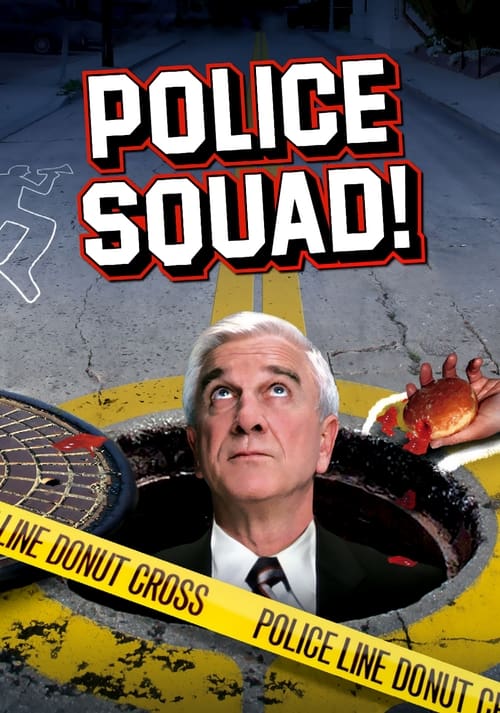
Oh, this was a gem, gone too soon! From the minds behind *Airplane!*, *Police Squad!* took every police procedural cliché and twisted it into pure absurdity. Leslie Nielsen's deadpan delivery was legendary, and the blink-and-you'll-miss-it background gags were genius. It was too smart for its time, they said. But it laid the groundwork for years of brilliant, rapid-fire, visual comedy. A true shame it was canceled.
10. Tales of the Gold Monkey
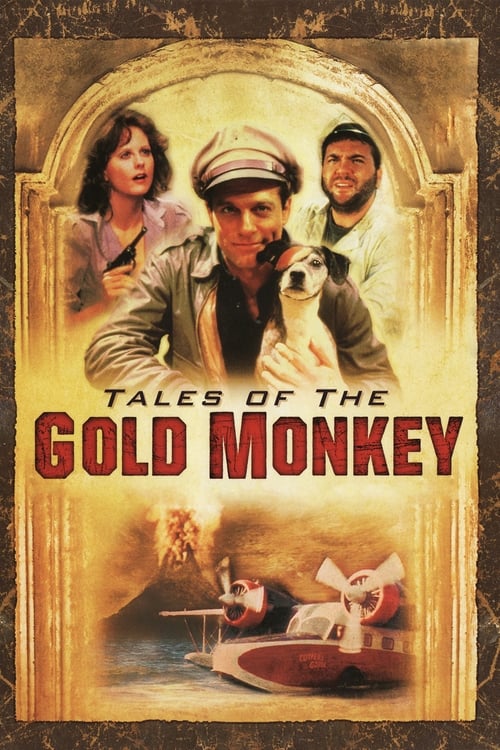
This one was pure adventure, a throwback to the old movie serials. Stephen Collins as Jake Cutter, a pilot in the South Pacific, always tangled in intrigue, Nazis, and beautiful women. It had a wonderful sense of escapism, with exotic locales and daring escapades. And that two-legged dog, Jack, was a fine companion. It captured a certain romanticized spirit of adventure, the kind you don't see anymore.