
1 / 10
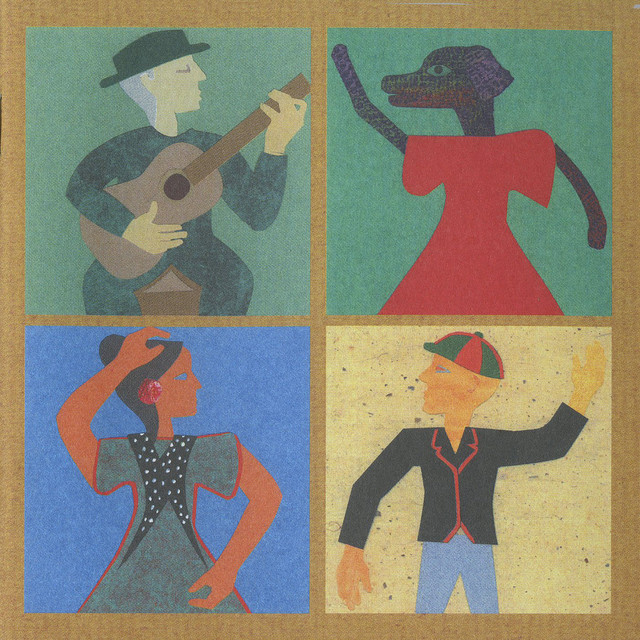
1. Spanish Dance Troupe
Ganger’s *Spanish Dance Troupe* hit differently in '98. It was this intricate, almost mathematical tangle of guitars and rhythm that felt both precise and utterly unhinged. They weren't chasing hooks; they were building these sprawling sonic structures, full of sudden shifts and unexpected turns. You could hear the post-rock influence, sure, but it was filtered through a distinctly British, angular indie lens. This record wasn't background music; it demanded you lean in and really listen to its challenging, rewarding chaos.
2 / 10

2. Leaves Turn Inside You
Unwound's final statement, *Leaves Turn Inside You*, was an absolute beast in 2004. It wasn't just another post-hardcore record; it was a sprawling, melancholic epic, drenched in a palpable sense of dread and beauty. The dual guitars wove these dense, almost suffocating tapestries, while the rhythm section pushed and pulled with incredible tension. It felt like the perfect, albeit heartbreaking, culmination of their sound – raw, intelligent, and deeply, deeply emotional. An essential, if often overlooked, 2000s gem.
3 / 10
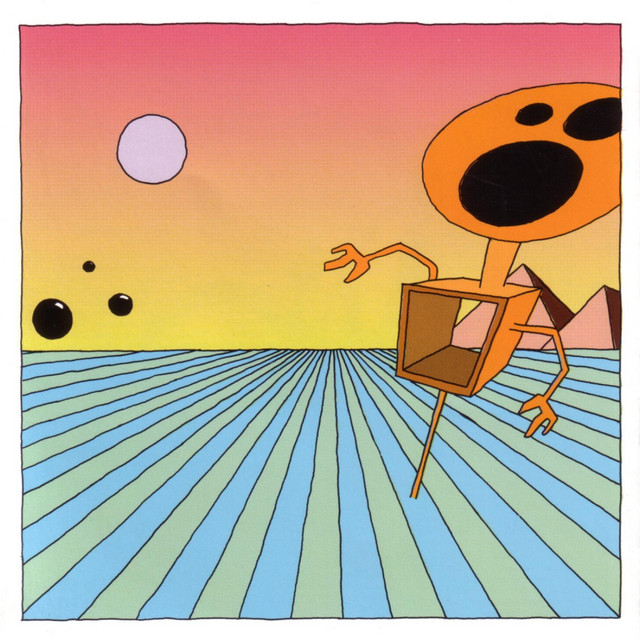
3. Emergency & I
*Emergency & I*, from '99, caught me by surprise. The Dismemberment Plan had this quirky, brainy energy that felt so fresh, a true antidote to the radio rock of the era. It was indie rock with a danceable pulse, full of smart, anxious lyrics delivered with a charismatic urgency. Their sound was tight, angular, and never sat still, blending post-punk jitters with genuine pop sensibility. This album was a masterclass in making complex emotions feel utterly relatable and undeniably catchy.
4 / 10
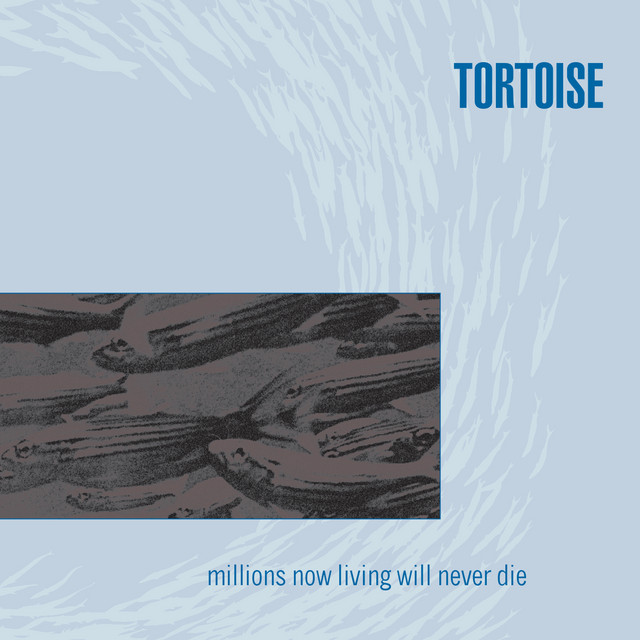
4. Millions Now Living Will Never Die
In '96, Tortoise dropped *Millions Now Living Will Never Die*, and it fundamentally reshaped how many of us thought about instrumental music. This wasn't just background noise; it was an architectural marvel of sound. Blending krautrock repetition with jazz fluidity and a distinct electronic pulse, they crafted these hypnotic, evolving soundscapes. Each track felt like a journey, intricate and layered, proving that guitars didn't need vocals to tell a profound story. It laid a crucial stone in the post-rock foundation.
5 / 10
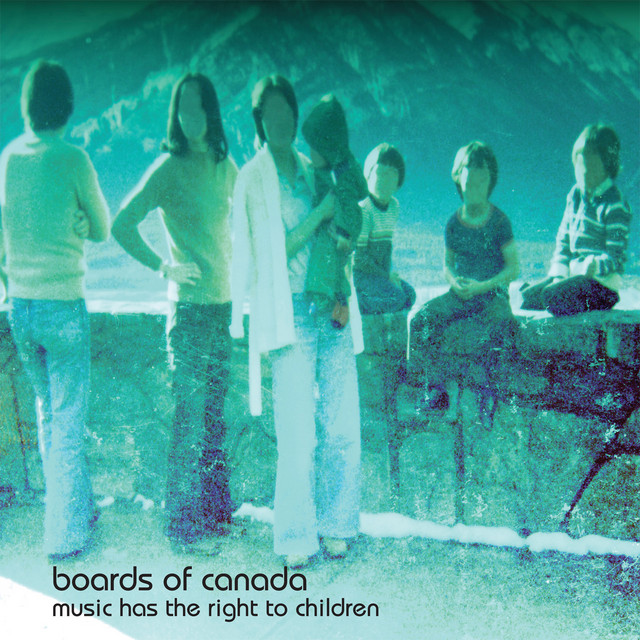
5. Music Has The Right To Children
Boards of Canada’s *Music Has The Right To Children*, released in '98, was more than just an IDM record; it was a portal to a hazy, half-remembered past. Their signature analog warmth, those dusty samples, and the subtly shifting melodies created an atmosphere of profound, almost unsettling nostalgia. It felt like uncovering old VHS tapes of childhood memories, warped and beautiful. This album carved out its own unique space, proving electronic music could be deeply emotive and exquisitely human.
6 / 10
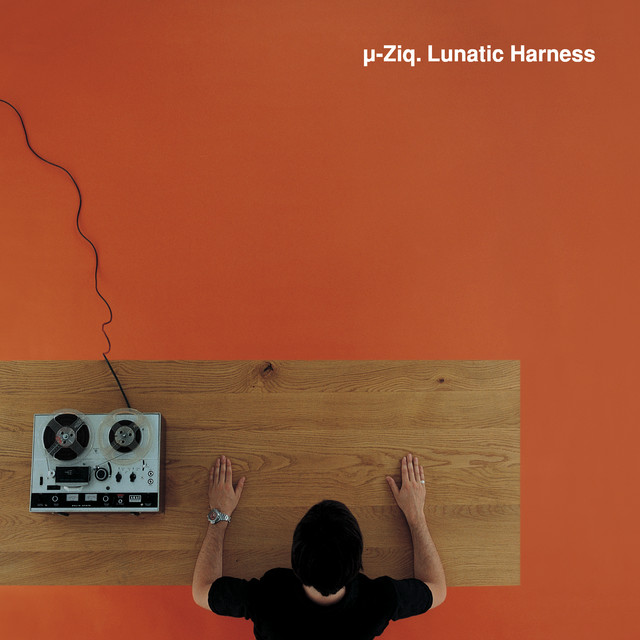
6. Lunatic Harness
When *Lunatic Harness* hit in '97, it was a pure shot of adrenaline straight into the electronic scene. µ-Ziq, Mike Paradinas, just went for it, blending the intricate chaos of IDM with the relentless energy of drum & bass and jungle. The breakbeats were ridiculously complex, often feeling like they were about to collapse, yet held together by this underlying, almost melodic, madness. It was a dizzying, exhilarating ride that pushed the boundaries of what electronic music could be.
7 / 10

7. Internal Wrangler
Clinic’s *Internal Wrangler*, from 2000, just oozed this dark, lo-fi charm. They wore surgical masks on stage, and their sound felt similarly stripped-down and slightly menacing. It was a raw, hypnotic blend of garage rock, post-punk, and something uniquely Liverpudlian. The repetitive, almost primal grooves, paired with those deadpan vocals and distorted organs, created an atmosphere that was both strangely alluring and deeply unsettling. An uncompromising, truly original debut.
8 / 10
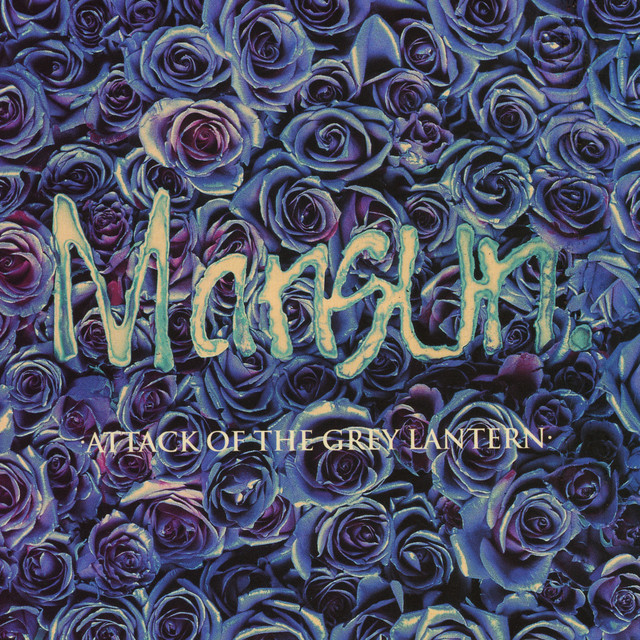
8. Attack of the Grey Lantern
Mansun’s *Attack of the Grey Lantern* in '97 was a theatrical, ambitious beast of a debut. While Britpop was peaking, Mansun delivered something stranger – part glam-rock opera, part progressive indie, with Paul Draper's enigmatic lyrics and soaring melodies. It was epic, a little absurd, and completely captivating. This album felt like a secret society's soundtrack, full of grandeur and peculiar charm, proving that the UK guitar scene still had plenty of surprises up its sleeve.
9 / 10
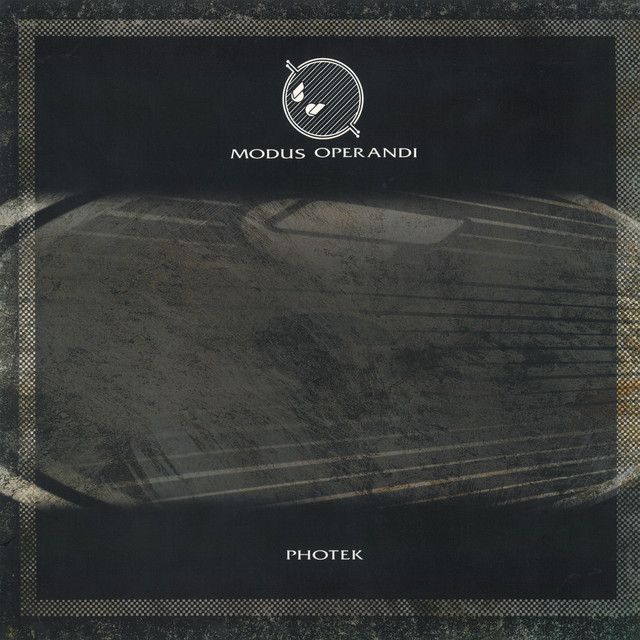
9. Modus Operandi
Photek's *Modus Operandi* in '97 was an absolute masterclass in intelligent drum & bass. While others were chasing rave anthems, Rupert Parkes crafted something incredibly precise, almost minimalist in its intricate complexity. The sparse arrangements, the deep basslines, and those surgical breakbeats created an atmosphere of tense, almost cinematic suspense. It wasn't about immediate gratification; it was about building a deep, immersive groove that pulled you into its meticulously constructed world.
10 / 10

10. The White Birch
Codeine’s *The White Birch*, released in '94, was the epitome of slowcore, an album that embraced glacial pacing and raw, exposed emotion. It wasn't about grand gestures; it was about the profound weight of every note, every sparse vocal delivery. The guitars were often just simple, ringing chords, given immense power by the quietude around them. This record was a deep, melancholic dive, proving that volume wasn't necessary for intensity, just crushing atmosphere and vulnerability.