
1 / 10
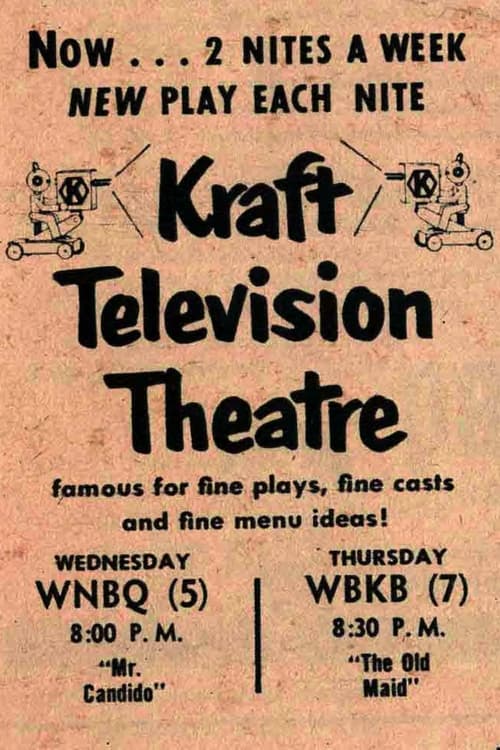
1. Kraft Television Theatre
This was live, mind you, every single week. A true theatrical experience piped right into your living room, complete with stage fright and flubbed lines you wouldn't get away with today. They’d do anything from Shakespeare to brand new dramas, all on rudimentary sets under unforgiving lights. You saw the actors *act*, their faces practically leaping off the tiny black-and-white screen. It was raw, immediate, and utterly captivating, building the very language of TV drama as we watched.
2 / 10
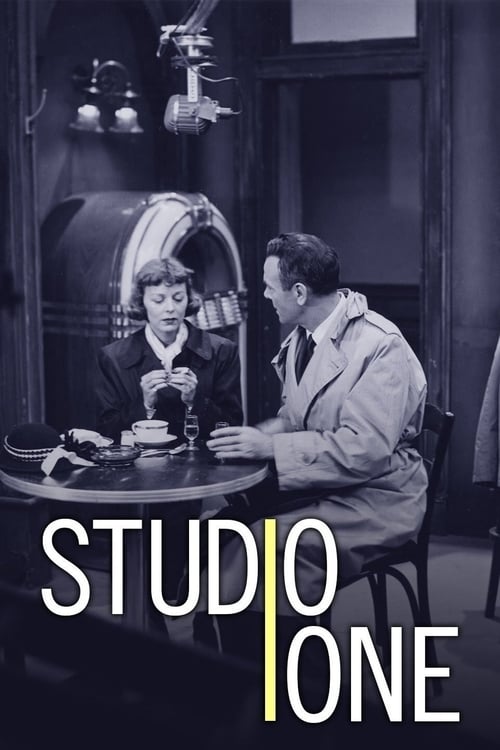
2. Studio One
Oh, *Studio One* was something else. A serious contender, often putting on some of the most ambitious teleplays of the golden age. Think high-minded drama, often adapted from literature, with an intensity that the live format just amplified. The camera work was often inventive for its time, trying to break free from the stage-play feel, even if it sometimes meant a shaky shot. It really showed what television could aspire to be, challenging audiences with complex stories before commercial breaks.
3 / 10
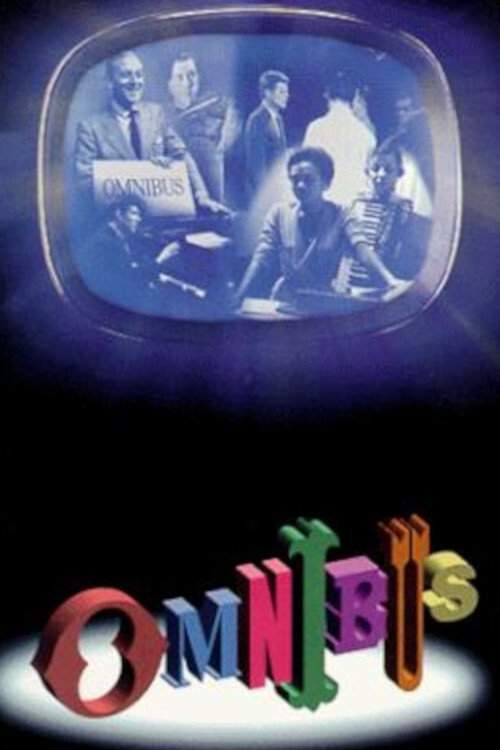
3. Omnibus
Now, *Omnibus* was your Sunday afternoon intellectual feast. Alistair Cooke, sharp as a tack, would guide you through everything from ballet to science, history to opera. It wasn't just entertainment; it was edification, presented with a sophistication rarely seen since. They’d tackle complex subjects, often with innovative visuals, making high culture accessible. This was television treating its audience with respect, assuming a curiosity beyond mere diversion. A real trailblazer for thoughtful programming.
4 / 10
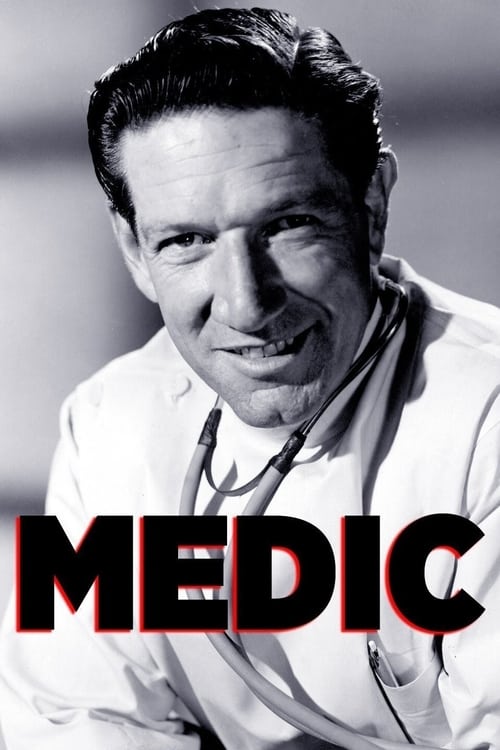
4. Medic
Before all the glossy hospital dramas, there was *Medic*. This wasn't about heroic surgeons; it was about the raw, often grim realities of medicine, presented with almost documentary-like precision. Richard Boone, bless his heart, played Dr. Konrad Styner, often narrating the cases based on actual hospital records. It was stark, sometimes uncomfortable viewing in black and white, showing illness and recovery without much sugar-coating. You felt the real stakes, the quiet courage of both patients and doctors.
5 / 10
5. Playhouse 90
Ninety minutes of live drama! That was a marathon for its time, allowing for truly epic, novel-length storytelling. No wonder so many legendary teleplays came out of *Playhouse 90*. They took huge risks, tackling themes that were often ahead of their time, and the sheer scale of the productions was staggering, especially when you remember it was all happening live. This was where television truly started to flex its narrative muscles, proving it could do more than just short skits.
6 / 10

6. Naked City
"There are eight million stories in the Naked City. This has been one of them." What an opening! Shot on the gritty streets of New York, this wasn't some Hollywood backlot. It brought a raw, documentary feel to the police procedural, showing the city itself as a character. The black-and-white cinematography added to the stark realism, making you feel like you were right there, witnessing the everyday struggles and crimes. A true urban classic, decades ahead of its time for authenticity.
7 / 10
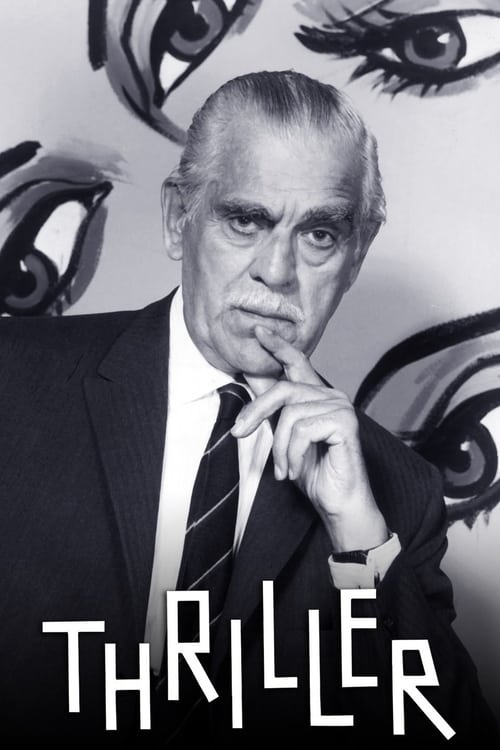
7. Thriller
Boris Karloff introducing tales of the macabre? Yes, please. This wasn't just fright for fright's sake; *Thriller* brought a touch of gothic elegance and psychological suspense to the horror anthology. Often, the menace was more atmospheric, less about jump scares, building a creeping sense of dread. The episodes were like mini-movies, often with surprising twists, and Karloff's presence just elevated the whole affair, making it a must-watch for anyone who liked a good shiver.
8 / 10
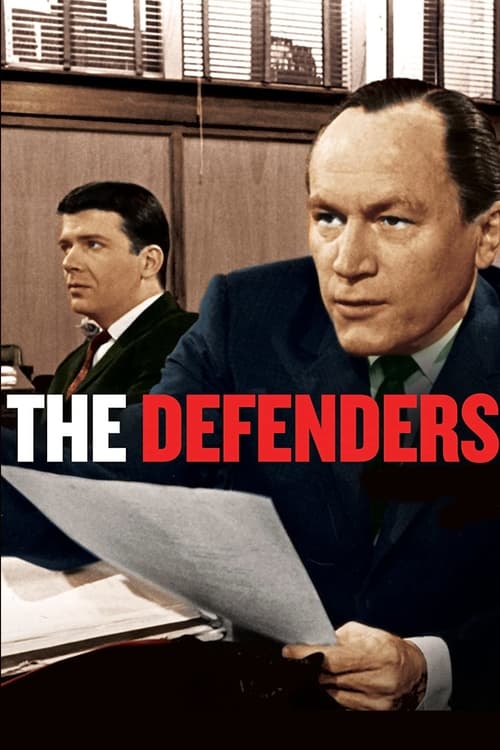
8. The Defenders
This show tackled social issues head-on, in a courtroom drama that was both intelligent and morally complex. E.G. Marshall and Robert Reed played father-and-son lawyers, often defending clients accused of unpopular crimes or facing difficult ethical dilemmas. It wasn't afraid to spark debate in living rooms across America, forcing viewers to confront uncomfortable truths. The writing was sharp, the acting top-notch, and it made you think, which was rare for episodic TV then.
9 / 10
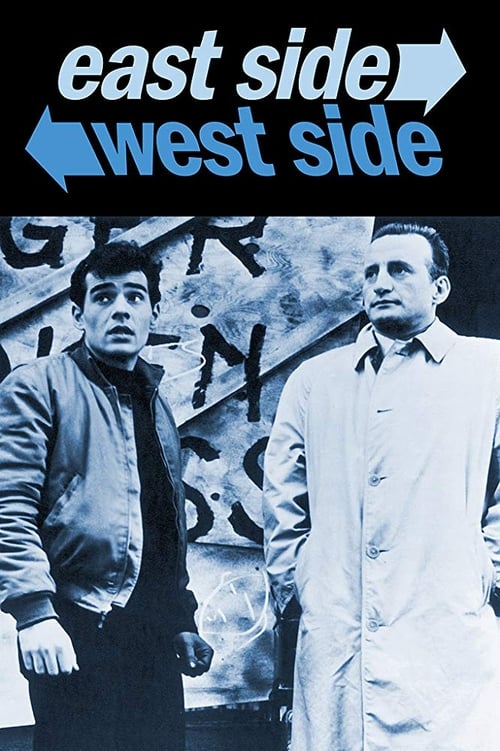
9. East Side/West Side
George C. Scott as a social worker in New York City? This show was unflinching. It dove deep into poverty, racial tensions, and systemic issues, long before many dramas dared. It was starkly realistic, often depressing, and definitely controversial for its time. They weren't looking for happy endings; they were exploring the messy, complicated struggles of real people. A brave, groundbreaking series that showed television could be a powerful mirror to society, even if it was short-lived.
10 / 10
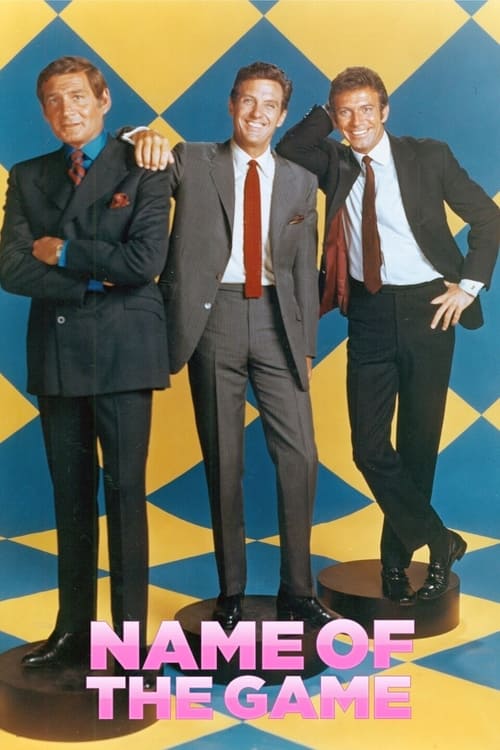
10. The Name of the Game
This was an interesting beast. A 90-minute rotating anthology, where one of three leads—Tony Franciosa, Gene Barry, or Robert Stack—would carry the story each week. It was a big-budget, stylish affair, following a publishing empire. You got a mix of mystery, drama, and adventure, and it was one of the first to really play with that long-form, almost mini-movie structure weekly in color. A precursor to later serialized dramas, showing networks were getting ambitious with continuity.