
1. The Many Loves of Dobie Gillis
Dobie Gillis, you see, was one of those early, talking-to-the-camera types. A real fresh concept back in '59. It was black and white, of course, but full of color in its characters, from the beatnik Maynard G. Krebs to the ever-scheming Thalia. It captured that adolescent angst before angst was a word everyone used, and did it with a charm that's just not around anymore. A foundational piece, really.
2. East Side/West Side
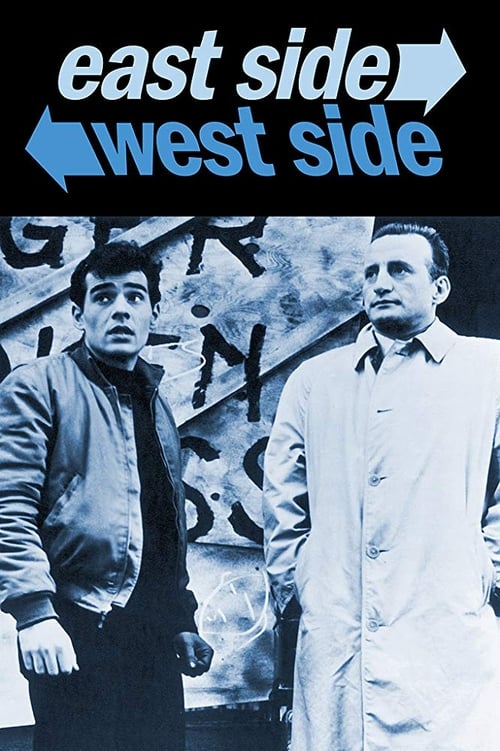
This one was a tough watch for some folks back in '63. George C. Scott as a social worker in New York City, in glorious black and white. It didn't shy away from the hard stuff – poverty, prejudice, urban strife. None of that sanitized TV drama; this was raw, immediate, and utterly gripping. It felt like watching a play sometimes, but with the grit of the city right there on your console. A bold experiment.
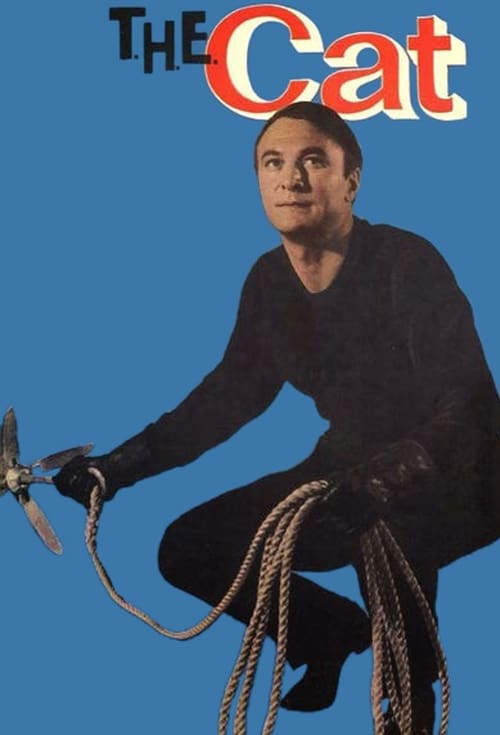
3. T.H.E. Cat
T.H.E. Cat, now that was stylish. Robert Loggia played an ex-cat burglar who helped people, all slick and shadowy. It felt like a film noir brought to the small screen in '66, with that sharp contrast and cool jazz score. Only lasted one season, which was a shame. It had a unique vibe, a certain sophistication you didn't often see in your average broadcast hour. A true lost gem of atmosphere.
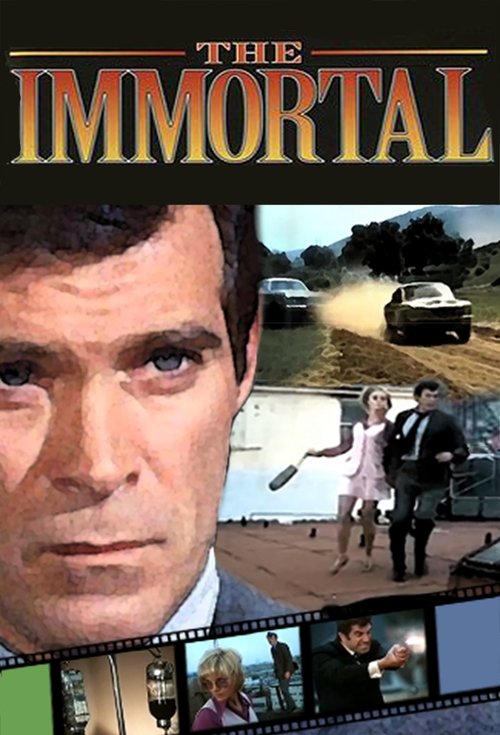
4. The Immortal
What if you were immortal and everyone wanted your blood? That was the hook for 'The Immortal' in '70. Ben Richards, running from a billionaire who wanted his life-extending serum. It had that 'Fugitive' style, a new town and new faces every week, but with a science fiction twist that felt quite novel for its time. Early color television grappling with big, fantastic ideas. An interesting take on the perpetual chase.
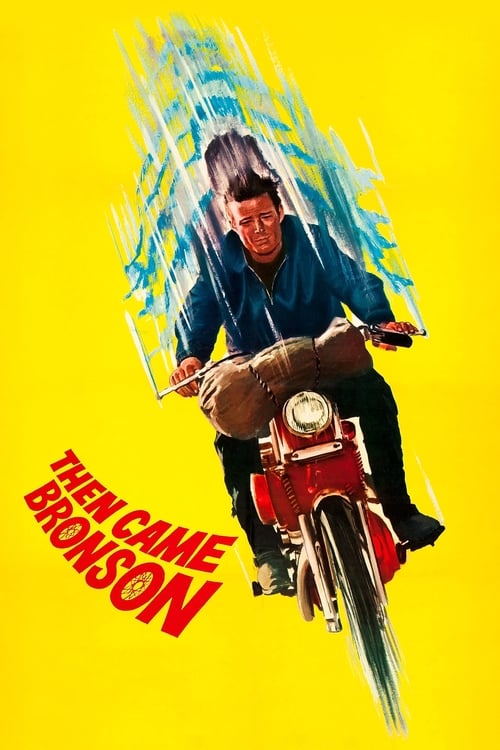
5. Then Came Bronson
James Bronson, on his Harley-Davidson Sportster, just riding. That was 'Then Came Bronson' in '69. It was about freedom, about finding yourself on the open road, meeting folks, helping out. Very much a product of its era, that search for meaning. The landscapes were beautiful, and the show had a quiet, thoughtful quality. Not much action, but plenty of soul searching. A gentle, meandering journey that sticks with you.
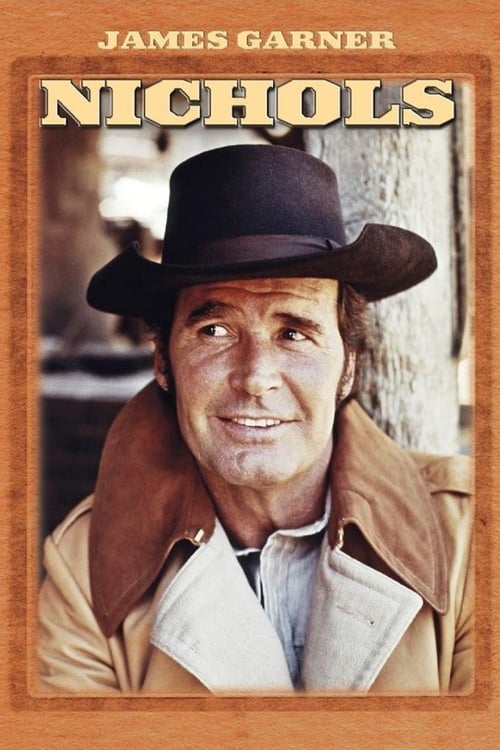
6. Nichols
James Garner, back on the horse, but not as Maverick. 'Nichols,' from '71, was a different kind of Western. He didn't want to be a hero; he just wanted to open a general store. It was smart, funny, and a bit cynical about the Wild West myths. Garner had that easy charm, but the show was too ahead of its time, perhaps. It felt like a modern sensibility dropped into an old setting. Underrated, certainly.
7. Ellery Queen
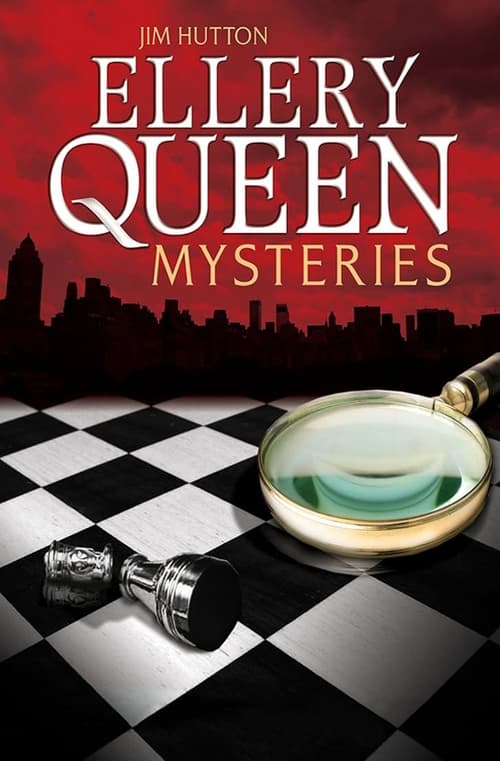
Ellery Queen, now that was a proper whodunit. Set in the 1940s, with Jim Hutton as the mystery writer and detective. Every episode, just before the big reveal, he'd turn to the camera and challenge you to solve it. A delightful bit of theater from '75. It had that classic, cozy mystery feel, full of red herrings and clever deductions. A charming throwback that truly engaged the armchair sleuth in all of us.
8. Quark
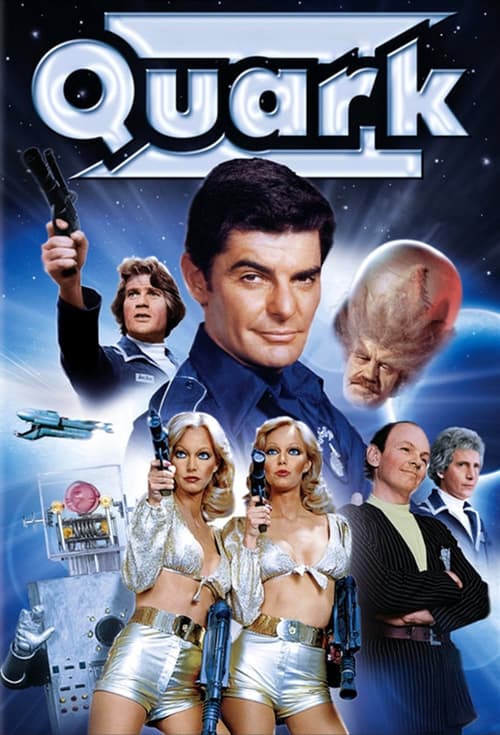
Gene Roddenberry tried his hand at sci-fi comedy with 'Quark' in '77. It was pure parody, a sanitation ship crew exploring the galaxy. The special effects were... well, they were 1977 TV effects, but the humor was genuinely off-the-wall and often quite clever. It lampooned everything from 'Star Trek' to '2001.' Too weird for most audiences back then, but a cult classic in the making. Surreal and silly in the best way.
9. Project U.F.O.
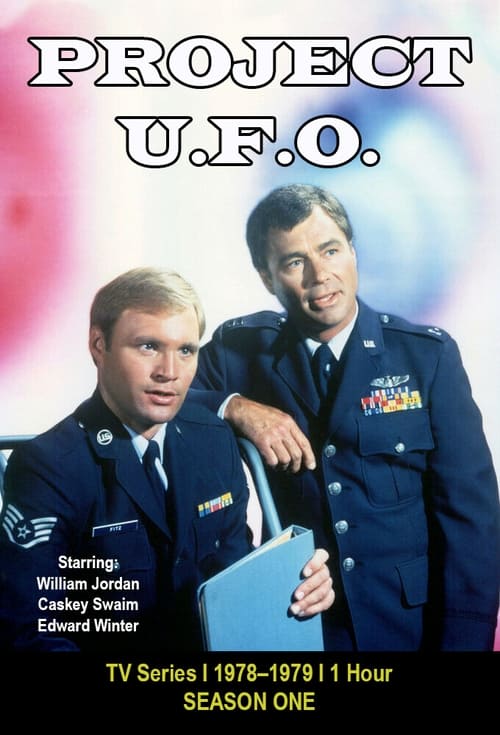
In the late 70s, everyone was talking about flying saucers, and 'Project U.F.O.' gave us a look at the Air Force's investigations. Each episode in '78 tackled a different alleged sighting, often based on real Project Blue Book files. It played into that Cold War paranoia and fascination with the unknown. Part procedural, part anthology, it explored the mystery without always giving easy answers. Kept you guessing, it did.
10. Max Headroom
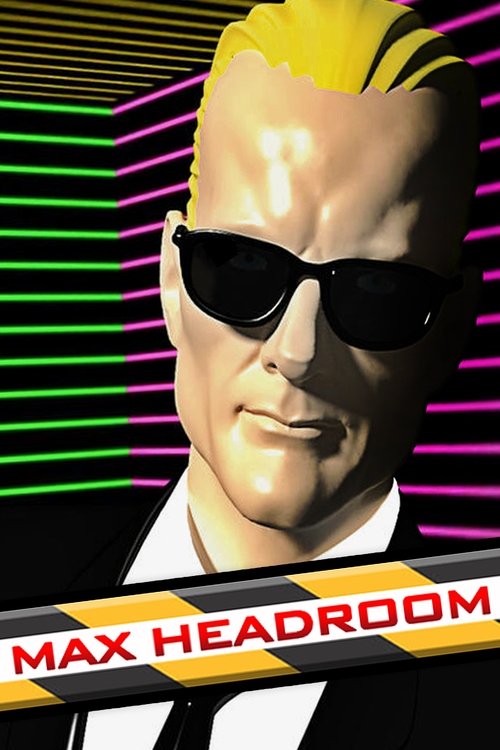
Now, 'Max Headroom' from '87, that was something else entirely. Cyberpunk before most folks knew the word. A dystopian future run by television, with groundbreaking computer effects for the titular character. It was fast, frantic, and bitingly satirical about media and consumerism. Way too smart and visually jarring for many, but it left an indelible mark. A truly experimental piece of broadcast that pushed boundaries.