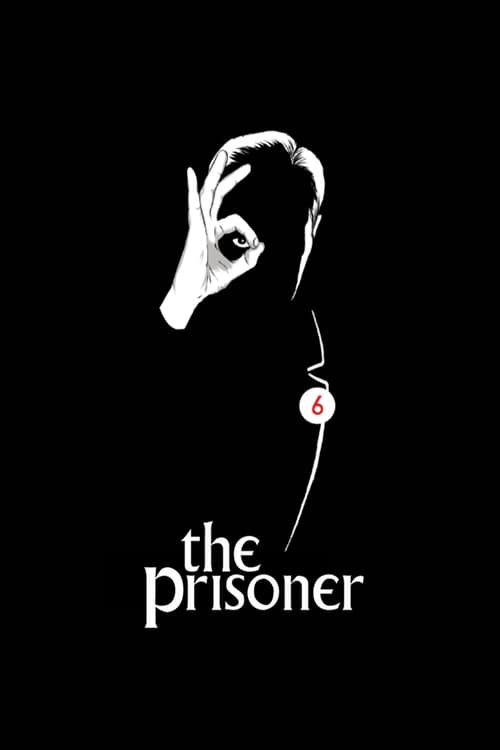
1. The Prisoner
Now, this one was a real head-scratcher back in the day, filmed in glorious, if sometimes grainy, color. Patrick McGoohan, he just walked off his last show and created this utterly surreal, thought-provoking tale of a secret agent trapped in a peculiar village. The long-form continuity was a daring experiment for its time, and those existential questions? They're still rattling around in your brain long after the credits roll. A true benchmark in broadcast television, certainly not your average procedural.

2. Dark Shadows
Ah, 'Dark Shadows.' What a marvelously gothic melodrama it was, starting out in black-and-white, mind you. This was daytime television daring to be different, weaving a serialized tale of vampires, ghosts, and all manner of spooky goings-on. It captivated folks, turning the traditional soap opera on its head with its genuinely eerie atmosphere. Barnabas Collins became an unlikely household name, proving that a good story, however outlandish, could truly sink its teeth into an audience.
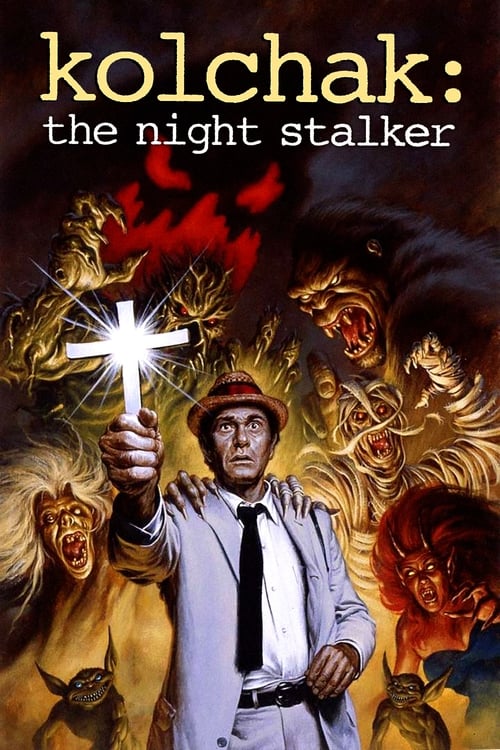
3. Kolchak: The Night Stalker
Carl Kolchak, a rumpled reporter chasing down monsters and the supernatural in an age before everyone believed in such things. This was a procedural with a twist, mixing investigative journalism with genuine horror. The kinescope feel of those night shoots added to the gritty, believable atmosphere, even when he was facing down a vampire or a golem. It was a groundbreaking effort, proving that network television could deliver scares and a compelling anti-hero, week after week.
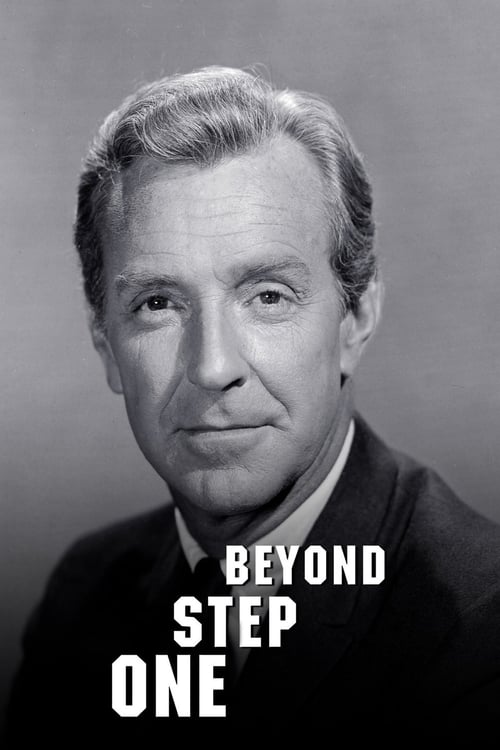
4. One Step Beyond
Before Rod Serling perfected his craft, there was John Newland leading us 'One Step Beyond.' This black-and-white anthology series explored tales of the supernatural and unexplained phenomena, often based on 'true' stories. Newland's earnest, direct narration lent a chilling credibility to each segment. It wasn't flashy, no, but the quiet tension and psychological scares were groundbreaking for early broadcast, proving that a well-told story could truly haunt you long after the screen went dark.
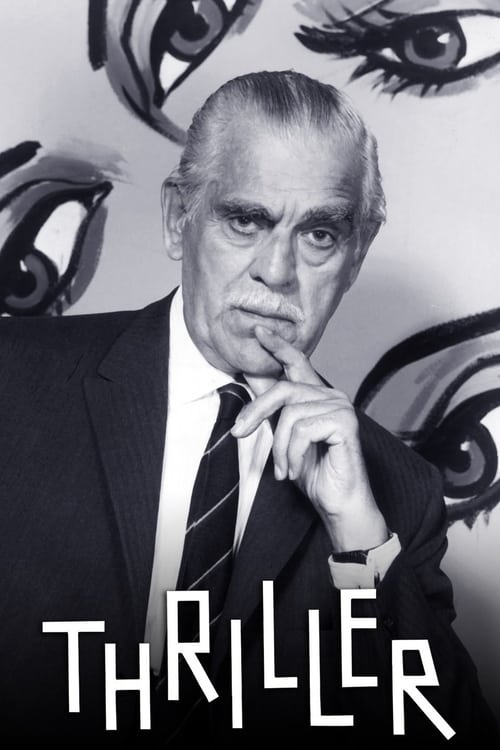
5. Thriller
Boris Karloff, the master himself, hosted this dark anthology, bringing cinematic horror to the small screen in stark black-and-white. While it started with more suspense, 'Thriller' quickly delved into genuine supernatural terror, often featuring big-screen talent. The atmosphere was thick with dread, pushing the boundaries of what was acceptable on prime-time. It truly lived up to its name, delivering chills that felt substantial, a definite precursor to later horror mainstays.
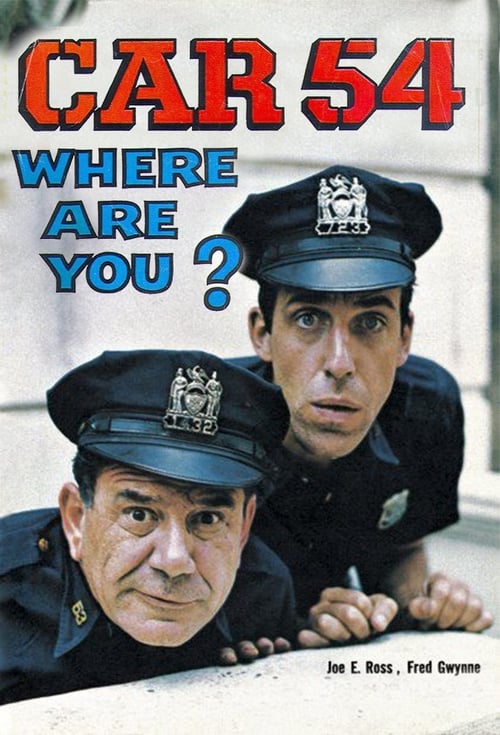
6. Car 54, Where Are You?
Oh, this was a delightful romp! Fred Gwynne and Joe E. Ross as two New York City police officers, bumbling their way through everyday situations. It was pure early sitcom gold, filmed in charming black-and-white, with that distinct New York flavor. The comedic timing was spot-on, and the physical gags owed a lot to vaudeville and variety shows. It’s a testament to simple, well-executed comedy, proving you didn't need high-concept plots to make people laugh out loud.
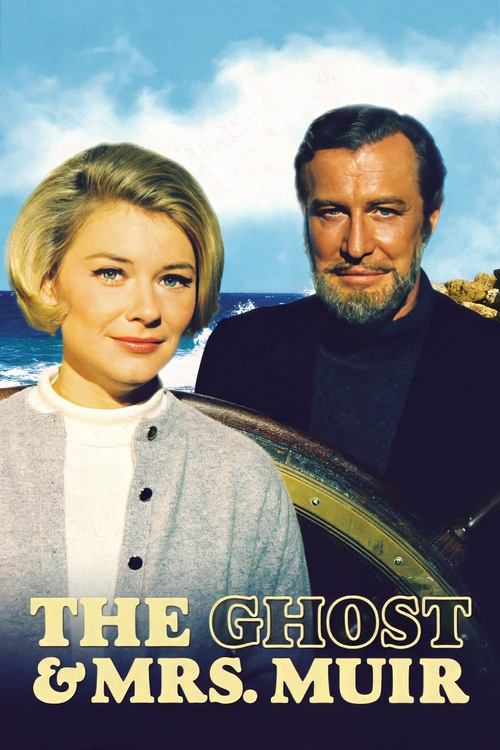
7. The Ghost & Mrs. Muir
This charmer, born in the late sixties, brought a lovely romantic fantasy to prime-time. Hope Lange as the widowed Mrs. Muir and Edward Mulhare as the cantankerous but lovable ghost Captain Gregg. Their dynamic was simply wonderful. It was a sitcom with heart, blending gentle humor with a touch of the supernatural, offering a cozy escape each week. A real departure from the more slapstick fare, proving that a quiet, clever premise could truly endure.
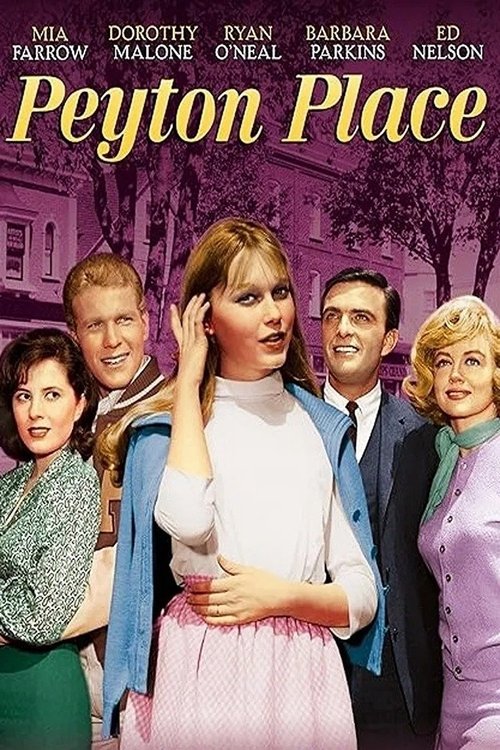
8. Peyton Place
Now, 'Peyton Place' was a sensation, bringing the serialized drama, what we'd call a soap opera, to prime-time television. It was all scandal, secrets, and small-town intrigue, aired multiple nights a week in black-and-white before switching to color. The long-form continuity kept viewers utterly hooked, desperate to know what dramatic twist would unravel next. It truly paved the way for more mature, ongoing narratives on network television, shattering expectations of what a prime-time series could be.
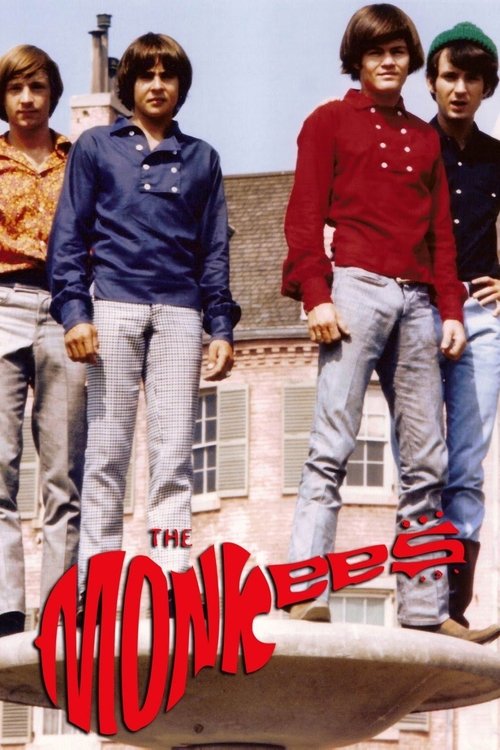
9. The Monkees
The Monkees, a manufactured band, yes, but their show was a genuine phenomenon. It was a zany, fast-paced sitcom, often breaking the fourth wall, with musical numbers integrated right into the plot. The energy was infectious, and the experimental editing felt fresh and modern for '66. It perfectly captured the youthful exuberance of the era, a true pop culture touchstone that blended comedy, music, and a sort of controlled chaos that was utterly unique for broadcast.
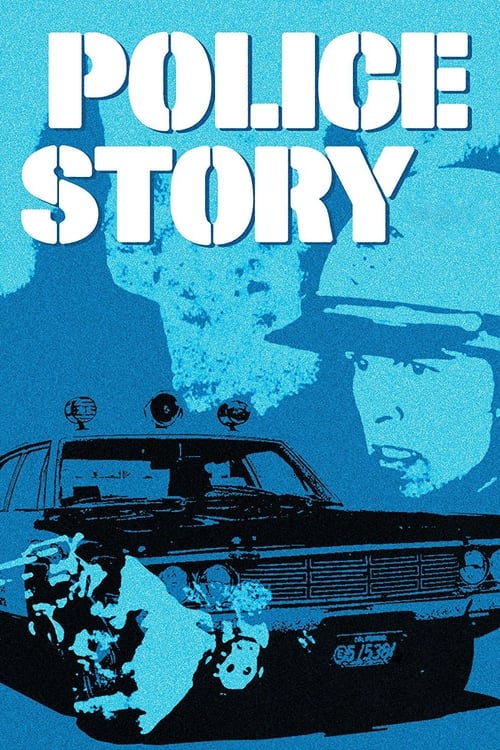
10. Police Story
This was different. 'Police Story' wasn't your typical cops-and-robbers show; it aimed for a gritty, almost documentary-like realism, often presenting law enforcement from multiple perspectives. It was an anthology in a way, with rotating casts and standalone narratives that explored the human side of the job. It dared to be more serious, more complex, and less glamorous than what came before, a definite step towards more adult-oriented drama on network television.