

1 / 9
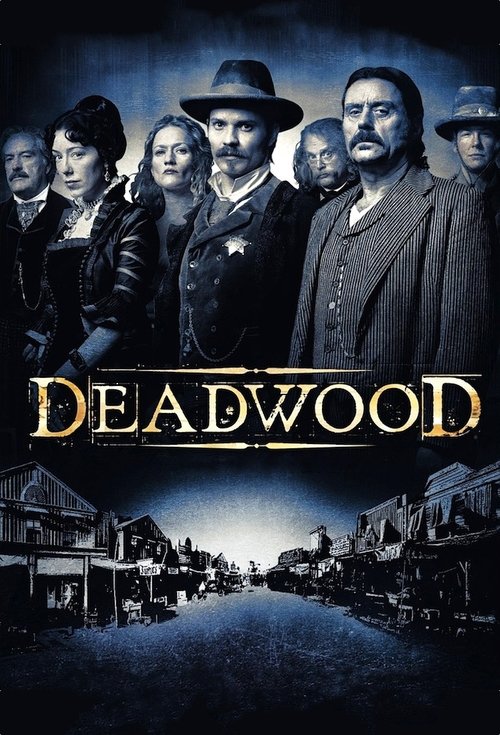
1. Deadwood
Forget everything you knew about space opera. The 2004 *Battlestar Galactica* reboot wasn't about shiny ships; it was about the desperate, gritty survival of humanity. It dove deep into moral ambiguities, terrorism, and faith, using sci-fi as a lens for contemporary issues. Its serialized nature and complex character arcs set a new bar for genre television, making it intellectually stimulating and utterly addictive.
2 / 9
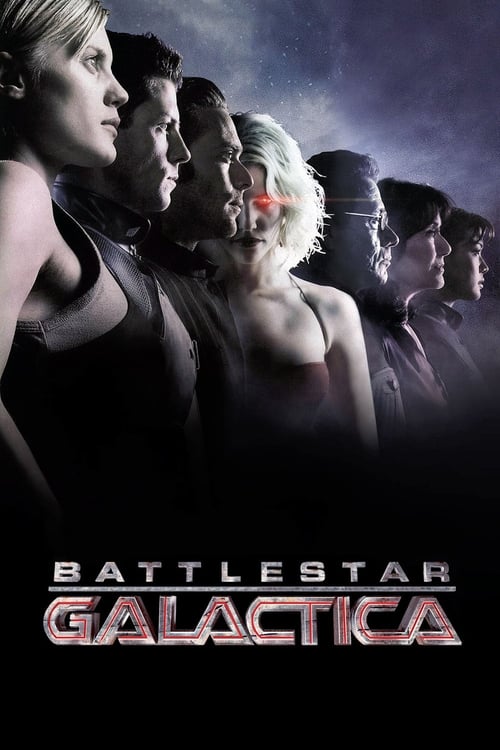
2. Battlestar Galactica
*Carnivàle* was a beast, an HBO gamble that embraced the weird. Set during the Dust Bowl, it wove a dense, mythological tapestry with an almost dreamlike quality. Its intricate, slow-burn serialization demanded commitment, rewarding viewers with stunning visuals and a sense of profound mystery. While its full vision wasn't realized, it showed how far cable would go to create something singular and artistically ambitious.
3 / 9
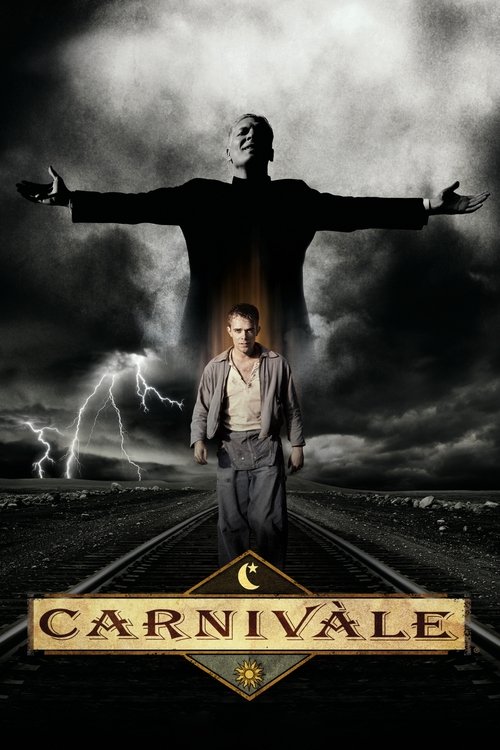
3. Carnivàle
*Arrested Development* blew open the sitcom format. Its mockumentary style wasn't just a gimmick; it enabled incredibly dense, self-referential humor that rewarded repeat viewings—perfect for early DVD box sets and the nascent idea of rewatching on demand. The ensemble cast was brilliant, delivering rapid-fire jokes and callbacks that defined a new kind of smart, meta-comedy. It was ahead of its time.
4 / 9
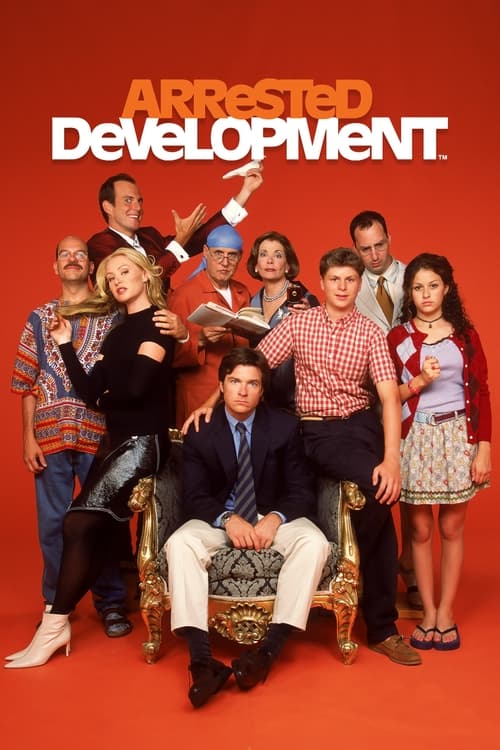
4. Arrested Development
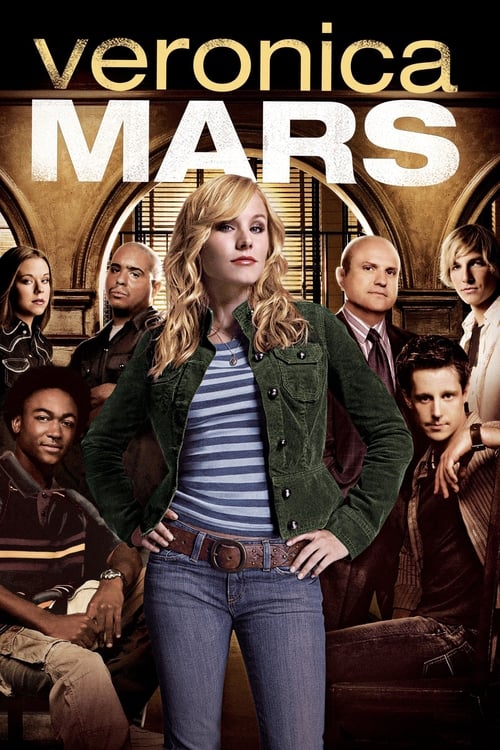
*Veronica Mars* was a high school drama that played like a hard-boiled detective novel. Kristen Bell anchored a show that defied easy categorization, blending serialized mysteries with sharp dialogue and a palpable sense of injustice. It cultivated an intensely loyal fanbase, showing how a network show, even on UPN, could build a cult following through compelling, season-long narratives and a unique voice.
5 / 9
5. Veronica Mars
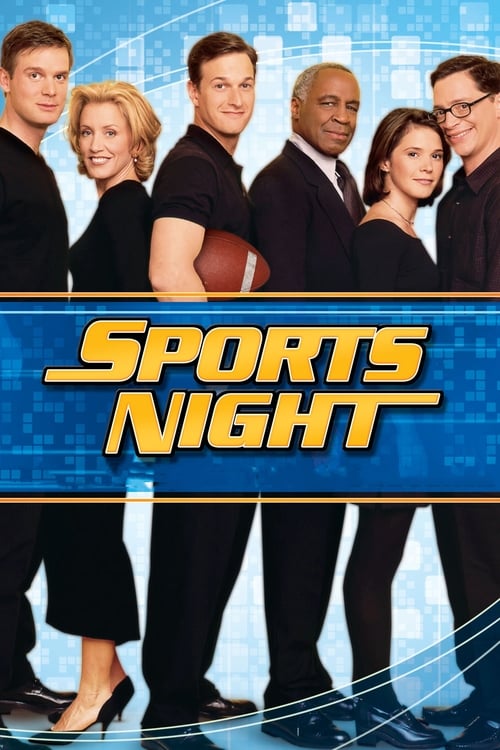
Before *The West Wing*, there was *Sports Night*. Aaron Sorkin's signature walk-and-talk dialogue found its rhythm here, showcasing a workplace ensemble dealing with ambition, ethics, and the absurdity of live television. It pushed the boundaries for a network sitcom, often feeling more like a drama, with its serialized emotional arcs and rapid-fire wit. It was smart, earnest, and undeniably influential in its writing style.
6 / 9
6. Sports Night
*K Street* was a wild experiment. HBO, Soderbergh, and Clooney threw real political operatives into a largely improvised drama, shooting episodes almost in real-time alongside actual D.C. events. It was a risky, hybrid beast, blurring lines between reality and fiction. While perhaps not a ratings smash, it was a daring early example of television trying new production models and embracing a raw, documentary-adjacent aesthetic.
7 / 9
7. K Street
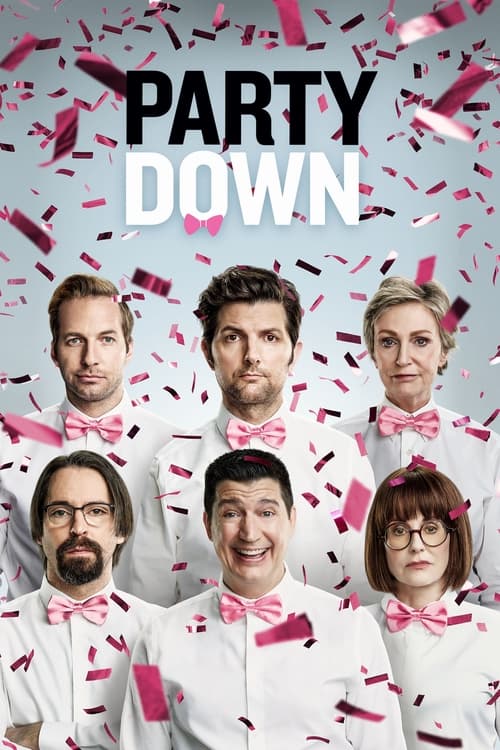
*Party Down* was a brilliant, understated Starz comedy that found its humor in quiet desperation. Following a catering crew, it showcased a fantastic ensemble cast navigating their dashed dreams and mundane realities, all with a sharp, melancholic wit. Its serialized character development and unique setting made it more than just a laugh track show, proving that smaller cable channels could deliver cult favorites.
8 / 9
8. Party Down
David Simon's *Treme* wasn't a crime drama; it was a sprawling, atmospheric elegy to New Orleans post-Katrina. It immersed viewers in the city's culture, music, and struggles, focusing on an expansive ensemble cast. Its deliberate pace and deep character dives were a testament to HBO's commitment to artistic vision, rewarding patient viewers with a rich, serialized tapestry of resilience and community.
9 / 9

9. Treme
*The Lost Room* was a fantastic, self-contained miniseries from the Sci-Fi Channel. It offered a compelling, high-concept mystery built around ordinary objects with extraordinary powers. Its tight serialization and limited run allowed for a focused, intricate mythology that kept viewers hooked. It proved that a channel often associated with monster-of-the-week fare could deliver sophisticated, serialized speculative fiction.